
President Museveni Hails Gen. Muhoozi’s Anti-Corruption Drive, Improved Welfare in UPDF
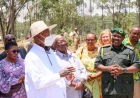
Museveni made the remarks on Tuesday, October 20, while presiding over the graduation and commissioning of 280 officer cadets at the Uganda Military Academy in Kabamba, Mubende District.
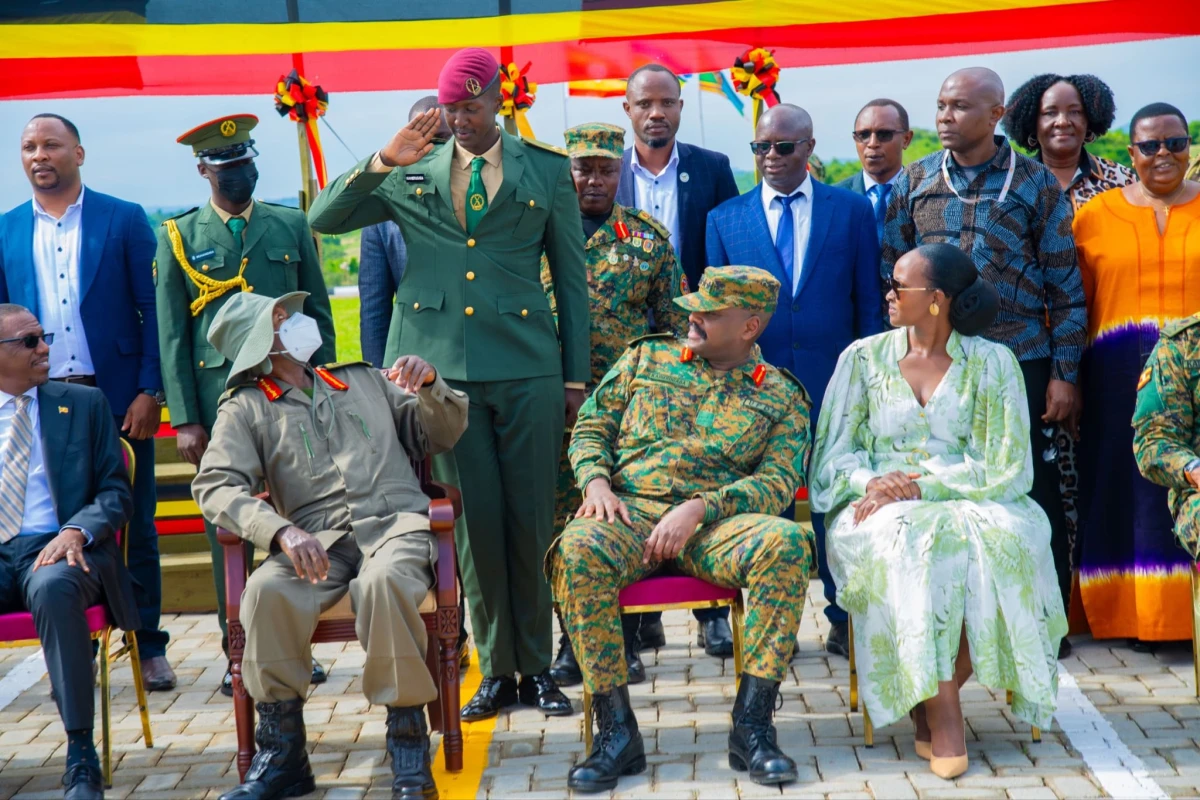
KABAMBA, October 21, 2026 — President Yoweri Kaguta Museveni has commended Chief of Defence Forces (CDF) Gen. Muhoozi Kainerugaba for his efforts to fight corruption and improve the welfare of Uganda Peoples’ Defence Forces (UPDF) personnel, urging newly commissioned officers to uphold discipline, patriotism and professionalism in service to the country.
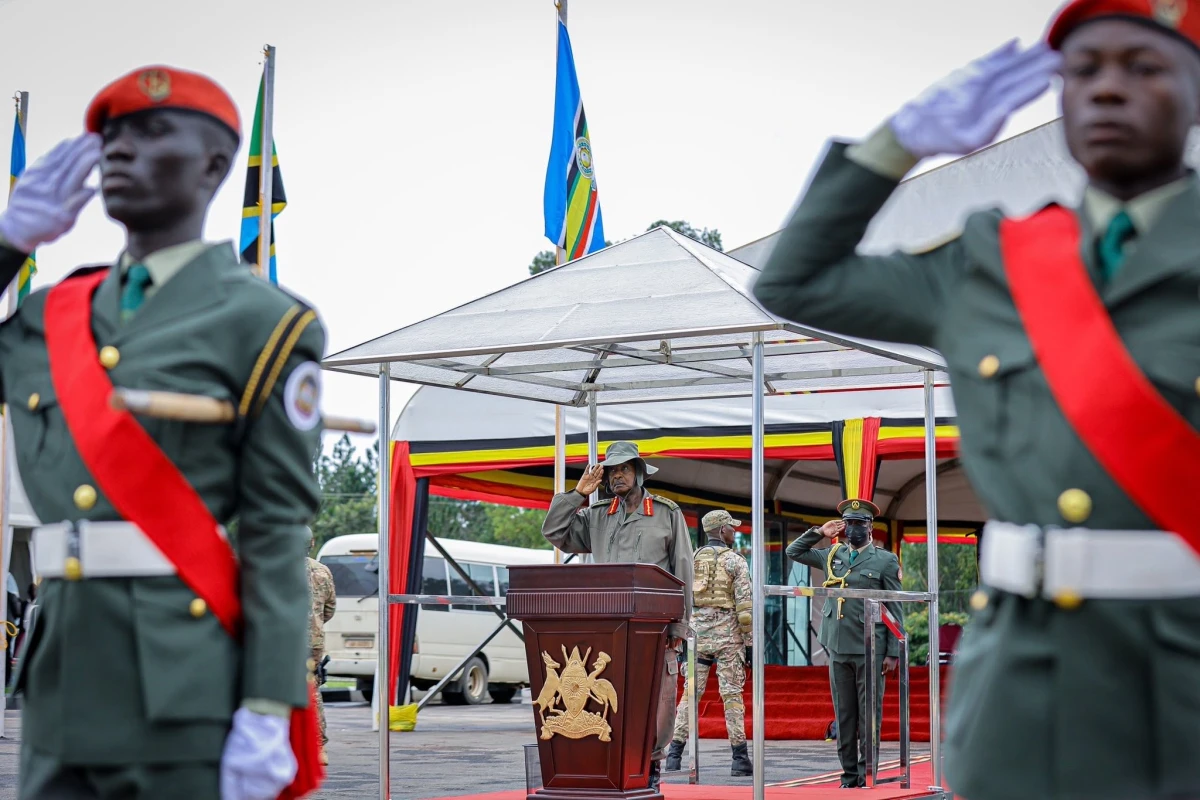
Museveni made the remarks on Tuesday, October 20, while presiding over the graduation and commissioning of 280 officer cadets at the Uganda Military Academy in Kabamba, Mubende District.
The President said he had been following the work of Gen. Kainerugaba and other UPDF commanders, particularly their efforts to combat corruption and improve the living and working conditions of soldiers.
He congratulated the graduating officers and their families on reaching a significant milestone in their military careers, reminding them that they had joined an honourable institution entrusted with defending Uganda’s sovereignty, security and territorial integrity.
The ceremony marked the completion of training for 280 officer cadets, comprising 87 graduates of the three-year Bachelor of Defence Studies programme and 187 professional cadets.
Of the officers commissioned, 51 were female, all serving in the UPDF. The graduating cohort also included officers from allied countries, with Rwanda contributing one cadet, Kenya two and Tanzania two. In addition, two officers trained in the United Kingdom and four in India completed their courses abroad and were commissioned alongside their colleagues.
Museveni links national defence to economic growth
In his address, Museveni told the newly commissioned officers that a strong national defence cannot be achieved through military strength alone, but must be supported by a productive economy, wealth creation and a close relationship between the armed forces and the civilian population.
Drawing on a recent strategic discussion with African defence chiefs, the President explained that national security depends on several interconnected factors, with a strong economic foundation being central to sustaining an effective military.
He challenged the military leadership to protect people engaged in productive economic activities, particularly in agriculture, manufacturing, services and information and communication technology (ICT).
According to the President, safeguarding wealth creators enables businesses to grow, employment opportunities to expand and government to mobilise the resources required to maintain a capable and well-equipped defence force.
He also urged the graduates to embrace continuous training and advancements in science and technology, saying a modern military must constantly develop its knowledge, skills and operational capabilities to respond to emerging security challenges.
The President’s message placed economic transformation and military professionalisation at the centre of his guidance to the new officers, emphasising that the country's defence capacity is closely linked to the prosperity of its people.
Officers urged to tackle rural crime
Museveni also drew attention to persistent security challenges affecting communities, particularly petty crime, interference with legitimate economic activities and livestock theft.
He said such criminal activities disrupt rural livelihoods, undermine household incomes and threaten local development, calling on the officers to ensure that communities and their economic activities are protected.
The President emphasised that security must be felt by ordinary citizens in their homes, farms and businesses, rather than being measured solely by the strength of the armed forces or the absence of major security threats.
He further underscored the importance of maintaining strong civil-military relations, reminding the graduates that the army derives much of its strength from the trust and cooperation of the population it serves.
Using the familiar analogy of an army operating like fish in water, Museveni urged the officers to maintain a close and mutually supportive relationship with civilians.
He said the military must protect the population and its property while remaining firmly connected to the communities whose security it is mandated to guarantee.
Muhoozi warns criminals terrorising communities
At the same ceremony, Gen. Kainerugaba warned criminal elements involved in waylaying, robbing and raping residents that security agencies would not tolerate activities that threaten the safety and dignity of Ugandans.
The CDF said that although regional peace and stabilisation operations in the Democratic Republic of Congo (DRC), South Sudan and Somalia remained robust, emerging domestic security challenges in some parts of Uganda required decisive action.
He noted that criminal networks had resorted to crude weapons and firearms to carry out robberies, killings and sexual violence, describing the activities as unacceptable.
“This will not be tolerated,” Gen. Kainerugaba said.
He explained that security agencies operating under the joint inter-agency framework were synchronising intelligence and operational efforts to identify, pursue and neutralise criminal networks.
The CDF pledged that security agencies would continue working until Ugandans could fully enjoy their rights to life and property without fear of criminal attacks.
His remarks highlighted the need to balance Uganda’s regional security commitments with the protection of citizens against criminality within the country.
Gen. Kainerugaba was accompanied at the ceremony by his wife, Charlotte.
CDF highlights improvements in soldiers’ welfare
Gen. Kainerugaba thanked Museveni for presiding over the graduation and for providing continued leadership and guidance to the armed forces.
He said the UPDF remained anchored on uncompromised discipline, institutional loyalty and comprehensive ideological education, which he described as essential foundations for a professional and effective military.
The CDF also pointed to improvements in the welfare of soldiers and officers, citing better remuneration, upgraded accommodation, improved logistics and enhanced health and educational services.
He commended the President and the wider military leadership for supporting efforts to improve the conditions under which personnel serve, arguing that the welfare of soldiers remains an important component of military effectiveness.
The emphasis on welfare complemented Museveni’s praise for the command's anti-corruption efforts, placing accountability, institutional discipline and the well-being of personnel among the issues highlighted at the commissioning ceremony.
Gen. Kainerugaba further urged the newly commissioned officers to report to their respective units and gain practical experience as they begin their careers.
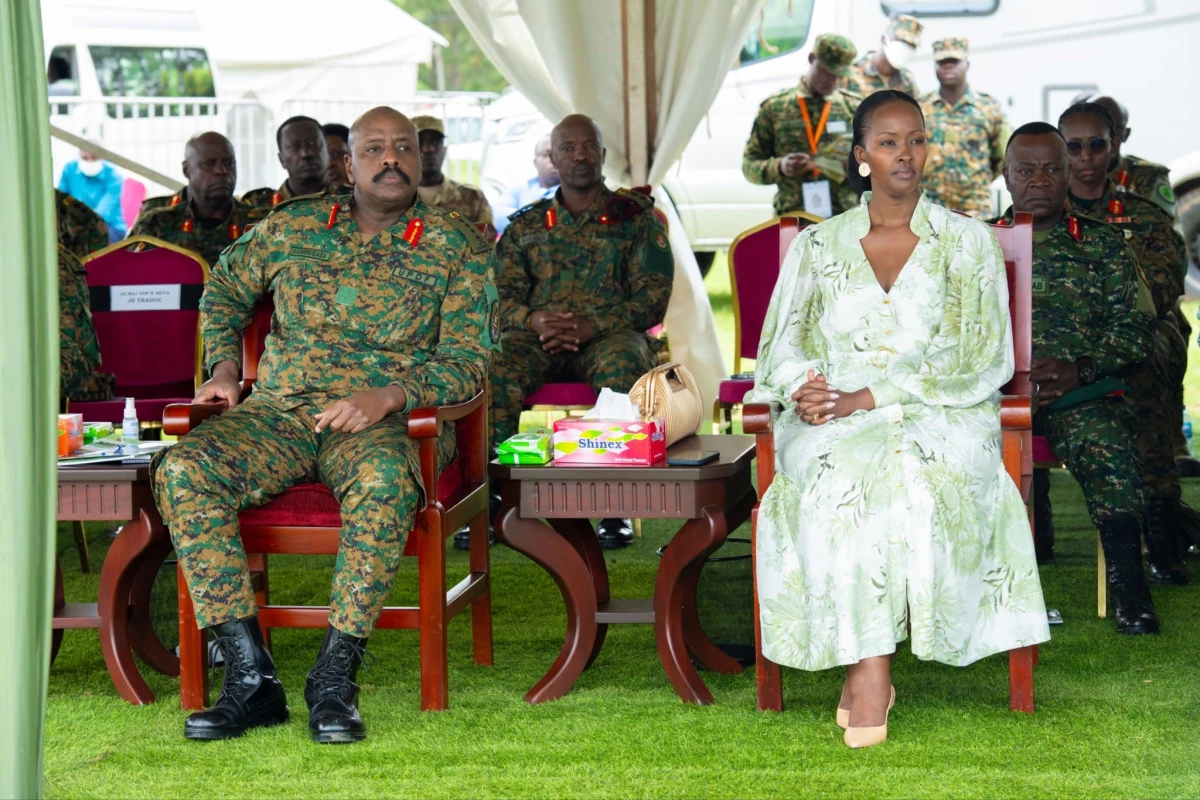
He described their decision to serve Uganda through the armed forces as “the highest expression of patriotic calling,” calling on them to approach their responsibilities with commitment, discipline and a sense of duty.
Defence minister commends UPDF professionalisation
Defence and Veteran Affairs Minister Hon. Kiryowa Kiwanuka expressed appreciation for Museveni’s continued commitment to national defence, military excellence and the professionalisation of the UPDF.
He also commended Gen. Kainerugaba and the military leadership for efforts to improve personnel welfare and fight corruption within the institution.
The minister's remarks reinforced the government's stated emphasis on building a disciplined, professional and accountable armed force capable of responding to Uganda's security needs.
Meanwhile, Uganda Military Academy Commandant Brig. Gen. Saad Katemba highlighted the rigorous preparation, discipline and training milestones achieved by the graduating cadets.
Katemba thanked the President and the UPDF leadership for providing an enabling environment for military training and professional development.
The commissioning marked the transition of the cadets from formal training into operational service, where they are expected to apply the knowledge, discipline and leadership skills acquired at the academy.
International cooperation reflected in graduating class
The ceremony also demonstrated the UPDF's military training links with regional and international partners.
Five cadets from Rwanda, Kenya and Tanzania were part of the graduating cohort, reflecting cooperation among the East African countries in developing military leadership and professional capacity.
The commissioning also included six Ugandan officers who had completed officer cadet courses abroad: two in the United Kingdom, including Ruhamya Kainerugaba and Bakira Andrew, and four in India.
Their commissioning alongside colleagues trained in Uganda highlighted the different training pathways through which officers are prepared for service in the UPDF.
The presence of representatives from Rwanda, Kenya and Tanzania further underscored the regional dimension of the occasion.
Senior military and government officials attend
Several senior military and government officials attended the ceremony, including Edith Butuuro, Undersecretary for Finance and Administration at the Ministry of Defence; Commander Air Force Lt. Gen. Charles Okidi; Chief of Joint Staff Lt. Gen. Jack Bakasumba; and Chief of Training and Doctrine Maj. Gen. Wyclieff Keita.
Other senior UPDF officers, government leaders and representatives from the participating partner countries also witnessed the commissioning.
The event brought together the country's political and military leadership to recognise the cadets' successful completion of training and their readiness to assume responsibilities within the armed forces.
Museveni's address centred on the connection between economic development, military preparedness, discipline and public confidence, while Gen. Kainerugaba's remarks focused on fighting corruption, improving personnel welfare and confronting criminal threats.
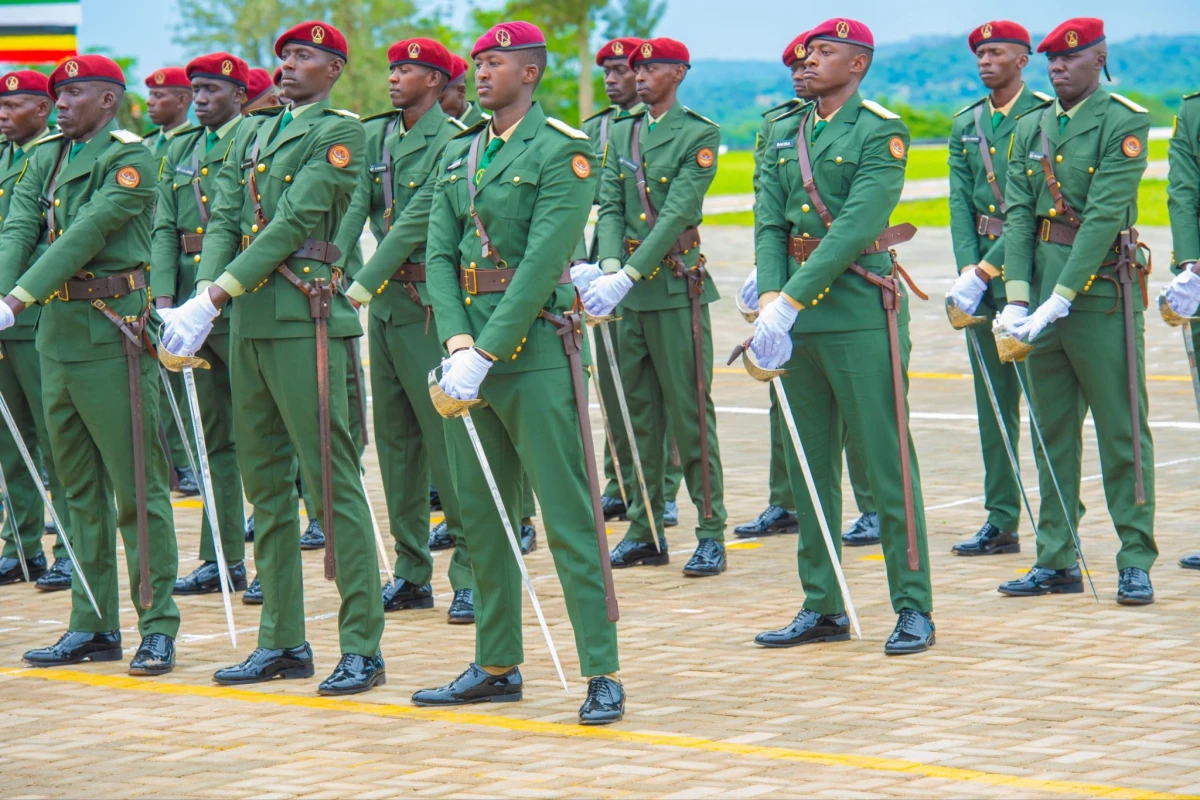
The newly commissioned officers now enter a critical phase of their careers, expected to translate their training into effective leadership while safeguarding Uganda's security, protecting citizens and upholding the professional standards of the UPDF.

John Kusolo is a Pastor, Sports Enthusiast and Ugandan journalist with Nile Chronicles News (NCN). With a strong commitment to journalistic excellence, he is recognized for his dedication, goal-oriented approach, and ability to thrive in challenging environments. Kusolo brings focused motivation and professionalism to his reporting and media assignments.











Comments (0)