
Balunywa Urges Africa to Embrace Emerging Technologies for Economic Transformation
Delivering the keynote address at the opening of the fourth International Research and Development Conference (IRDeC-2026) at Kampala International University (KIU), Prof. Balunywa observed that Africa's slow adoption of new technologies had limited the continent's ability to fully exploit opportunities presented by the digital economy.
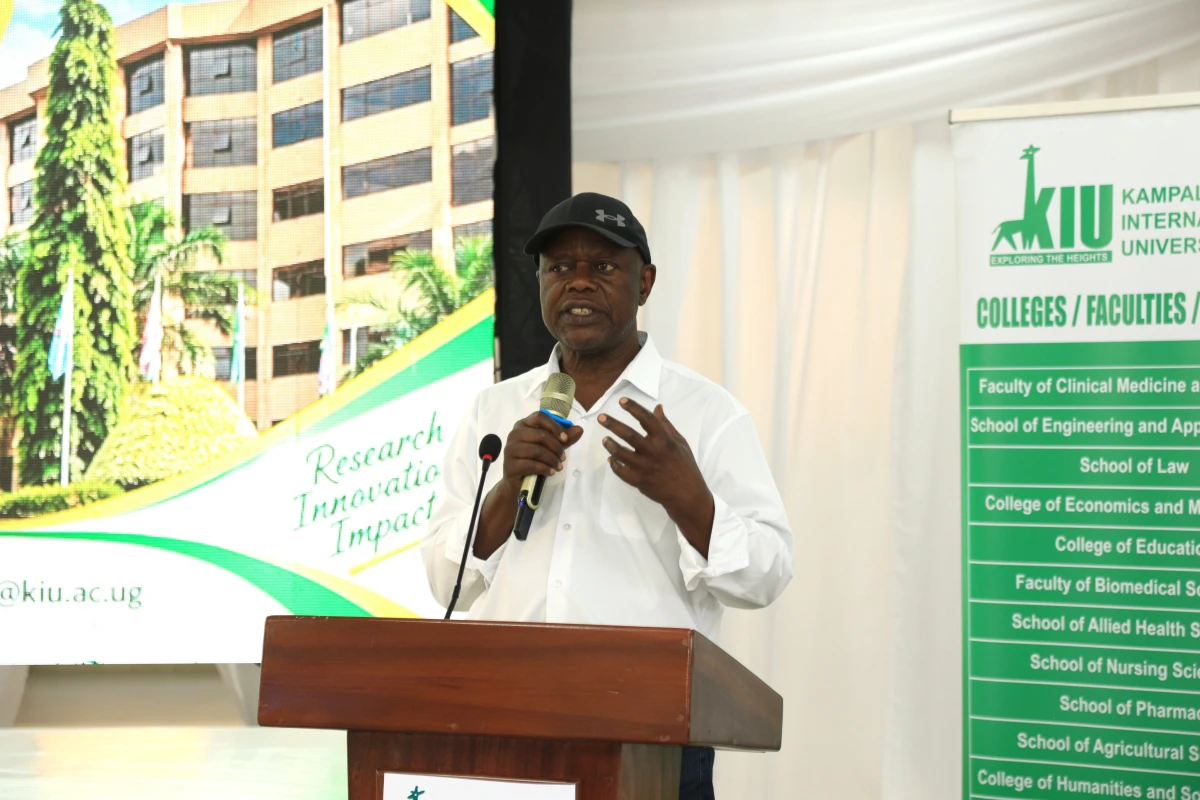
Economist and former Principal of Makerere University Business School (MUBS), Prof. Juma Waswa Balunywa, has urged African countries to accelerate the adoption of emerging technologies, including Artificial Intelligence (AI), to strengthen economic transformation, improve workforce efficiency and enhance their competitiveness in the global economy.
Delivering the keynote address at the opening of the fourth International Research and Development Conference (IRDeC-2026) at Kampala International University (KIU), Prof. Balunywa observed that Africa's slow adoption of new technologies had limited the continent's ability to fully exploit opportunities presented by the digital economy.
He challenged African leaders, researchers, academics, entrepreneurs and industry players to embrace technological innovation as a critical driver of productivity, industrialisation and sustainable economic development.
The five-day conference, which officially opened on Monday, October 12, 2026, at KIU's Main Campus in Kansanga, Kampala, runs until October 16 under the theme: “The Role of Digital Innovation and Artificial Intelligence in Advancing Workforce Efficiency, Economic Transformation and Industrialisation.”
The conference brings together researchers, speakers and other participants for knowledge exchange, innovation and international collaboration, with discussions expected to focus on how digital technologies can contribute to solving development challenges and improving economic performance.
AI must be supported by knowledge and innovation
While acknowledging the transformative potential of Artificial Intelligence, Prof. Balunywa cautioned that the technology should not be treated as a substitute for knowledge, critical thinking and continuous learning.
“AI cannot tell you what you do not know,” he said, emphasising the importance of building a strong knowledge base to enable individuals and institutions to use emerging technologies effectively.
His remarks highlighted the need for Africans to develop the skills and understanding required to take advantage of AI rather than merely adopting technological tools without the capacity to apply them meaningfully.
As AI continues to reshape workplaces and business operations worldwide, the ability to understand, question and appropriately apply information remains essential for innovation and informed decision-making.
Prof. Balunywa's message underscored the importance of investing in education, research, professional development and skills training to prepare workers for an increasingly technology-driven economy.
For African economies seeking to expand industrial production, improve service delivery and create employment opportunities, effective technology adoption requires not only access to digital tools but also the human capacity to use them productively.
Addressing Africa's digital adoption gap
The keynote address also drew attention to the challenges facing African countries as the global economy increasingly relies on digital technologies.
Although emerging technologies offer opportunities to improve productivity, streamline operations and support innovation, their benefits depend on the ability of individuals, businesses and public institutions to integrate them into everyday activities.
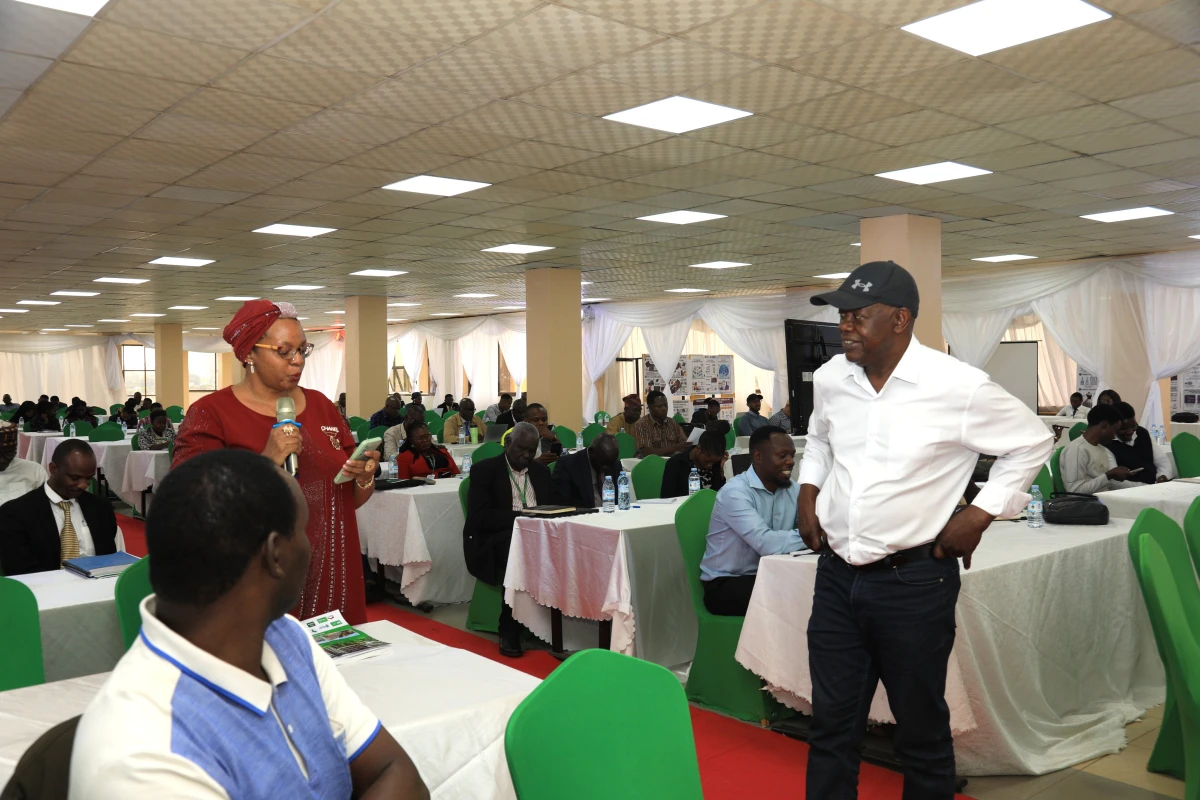
Prof. Balunywa's call for faster technology adoption places renewed emphasis on the need for African countries to strengthen digital skills, promote research and innovation, and create an environment in which new ideas can be translated into practical solutions.
Digital innovation can support businesses in improving efficiency, reaching wider markets and managing resources more effectively. In manufacturing and other productive sectors, technology can also help improve processes, strengthen quality control and support the development of new products and services.
However, maximising these opportunities requires deliberate efforts to equip the workforce with relevant skills and ensure that technological progress contributes to broader economic development.
The discussions at IRDeC-2026 provide an opportunity for participants to examine how African countries can bridge the gap between technological advancement and its practical application in workplaces, industries and communities.
Leadership should create lasting impact
Beyond technology and economic development, Prof. Balunywa urged leaders to focus on making meaningful contributions to society and leaving a lasting footprint through their work.
He emphasised the importance of leadership that goes beyond occupying positions of responsibility to delivering tangible results that benefit communities and future generations.
The message placed responsibility on leaders in education, business, government and other sectors to use their positions and expertise to address societal challenges and contribute to long-term development.
In the context of research and higher education, this calls for institutions to move beyond generating academic knowledge and strengthen efforts to translate research findings into practical innovations that respond to the needs of society.
Universities and research institutions can play an important role in developing new technologies, nurturing entrepreneurial talent and preparing graduates to meet the changing demands of the labour market.
By strengthening collaboration between academia, government and the private sector, research findings can be transformed into products, services and solutions that support industrial growth and improve livelihoods.
KIU conference focuses on research and industrialisation
The fourth edition of IRDeC-2026 places digital innovation and Artificial Intelligence at the centre of discussions on workforce efficiency, economic transformation and industrialisation.
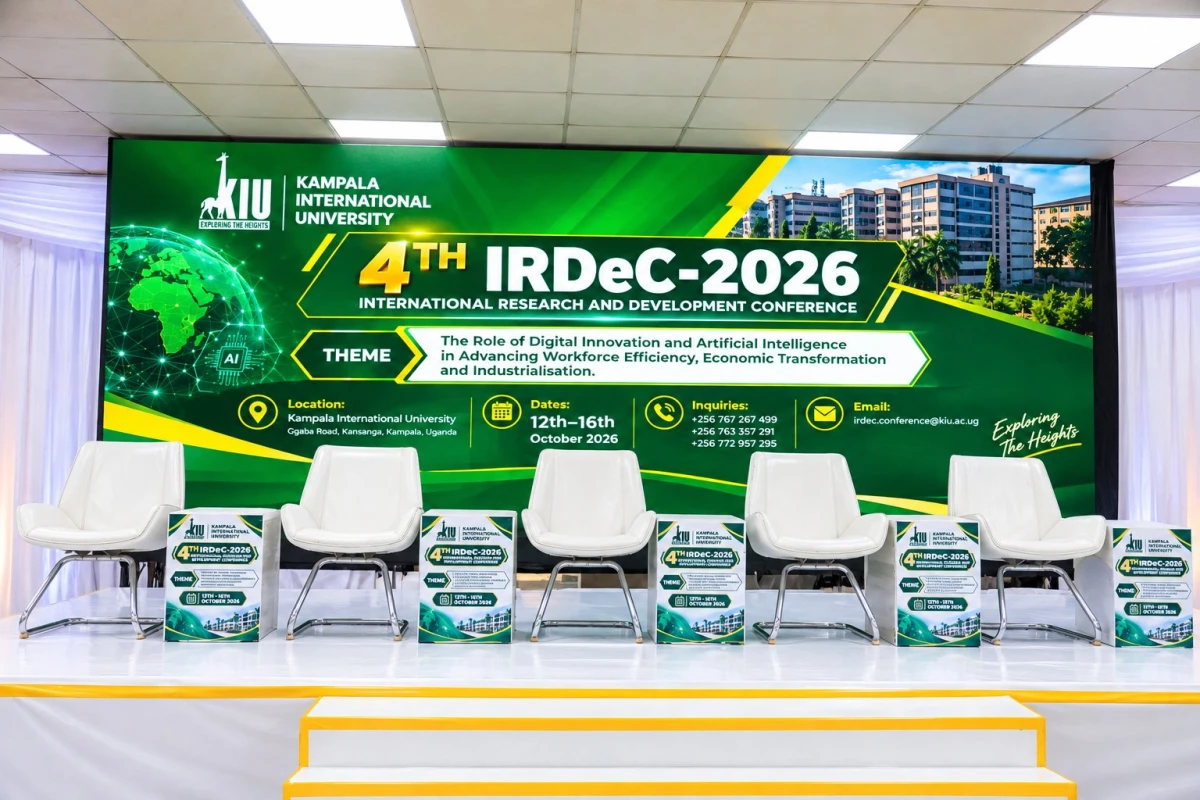
The choice of theme reflects the growing importance of technology in shaping how organisations operate, how workers perform their duties and how economies compete in an increasingly interconnected world.
Workforce efficiency is particularly important as organisations seek to improve productivity, reduce operational delays and make better use of available resources. Digital technologies and AI-powered systems can support these objectives by automating routine tasks, improving data analysis and assisting decision-making.
At the same time, the integration of these technologies raises important questions about skills development, workforce adaptation and the need to ensure that technological advances deliver practical benefits.
For industrialisation, digital innovation offers opportunities to modernise production processes, improve supply-chain management and support the growth of technology-enabled enterprises.
Researchers and industry practitioners therefore have an important role in identifying solutions that are appropriate to local conditions and capable of addressing the economic and social challenges facing African countries.
The conference provides a platform for participants to exchange ideas, share research findings and explore opportunities for collaboration across institutions and countries.
Research as a catalyst for economic transformation
The conference also highlights the relationship between research, innovation and national development.
For countries such as Uganda, strengthening the connection between academic research and industry can help ensure that knowledge generated in universities contributes to enterprise development, job creation and improved public services.
Effective collaboration among universities, businesses, policymakers and technology developers can help identify skills gaps, encourage investment in innovation and support the adoption of technologies suited to local needs.
Such partnerships are increasingly important as AI and digital systems influence sectors ranging from education and healthcare to agriculture, finance, manufacturing and public administration.
However, the success of these efforts will depend on sustained investment in skills, research infrastructure and digital capabilities, alongside leadership that prioritises practical outcomes.
Prof. Balunywa's keynote address therefore offered a central message for the conference: Africa must not only recognise the potential of emerging technologies but also build the knowledge, skills and leadership needed to turn that potential into measurable development.
As IRDeC-2026 continues through October 16, participants at KIU's Kansanga campus are expected to engage in further discussions on the role of digital innovation and AI in shaping the future of work, strengthening economic performance and advancing industrialisation.
The conference's broader challenge is to ensure that research and technological advancement translate into practical solutions capable of supporting Africa's development aspirations and improving the lives of its people.

John Kusolo is a Pastor, Sports Enthusiast and Ugandan journalist with Nile Chronicles News (NCN). With a strong commitment to journalistic excellence, he is recognized for his dedication, goal-oriented approach, and ability to thrive in challenging environments. Kusolo brings focused motivation and professionalism to his reporting and media assignments.

















Comments (0)