
Bagisu Urged to Protect Wildlife, Stop Turning Tourism Potential into ‘Vegetables’
Masiga particularly called upon people living near Mt Elgon National Park and other wildlife areas to desist from hunting and consuming animals such as elephants, buffaloes, monkeys, baboons and wild pigs, among other wildlife species.
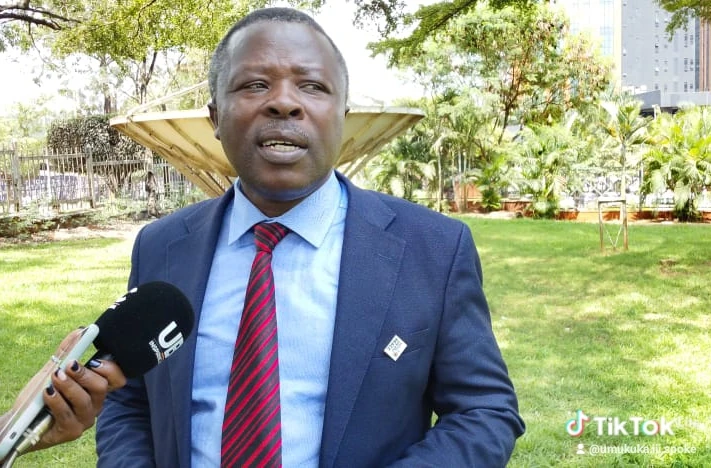
MBALE — The spokesperson of the Bamasaba Cultural Institution, Hon. Steven Masiga, has appealed to communities in the Bugisu region to protect wildlife and embrace tourism, warning against the consumption of animals that could instead serve as major tourism attractions and sources of employment.
Masiga particularly called upon people living near Mt Elgon National Park and other wildlife areas to desist from hunting and consuming animals such as elephants, buffaloes, monkeys, baboons and wild pigs, among other wildlife species.
He said the animals should be viewed as an important economic resource capable of attracting tourists to the Bugisu region and creating employment opportunities for local communities.
Masiga made the remarks as preparations continue for the International Tourism Day celebrations scheduled for September 27, 2026, with the Bugisu region set to host the national celebrations.
According to Masiga, the decision to have Bugisu host the celebrations presents an important opportunity for the region to showcase its tourism potential to Uganda and the rest of the world.
He said he actively supported efforts to have Bugisu selected when the Ministry of Tourism was considering which region should host the International Tourism Day celebrations.
“When the Ministry of Tourism was looking for which region should host the International Tourism Day, I put up a serious show for Bugisu region,” Masiga said.
Concern Over Bugisu Tourism Numbers
Masiga expressed concern over what he described as disturbing tourism statistics showing that the Kenyan side of Mt Elgon receives significantly more tourists than the Ugandan side.
He said available figures indicate that the Kenyan side of Mt Elgon in western Kenya receives approximately 14,400 tourists annually, compared to about 4,500 tourists on the eastern Ugandan side covering Bugisu and Sebei, with a significant number of the visitors reportedly being students.
Masiga said the figures should serve as a wake-up call for communities, leaders and tourism stakeholders in Bugisu to take tourism more seriously.
“Bugisu region should take itself seriously when it comes to issues of tourism,” he said.
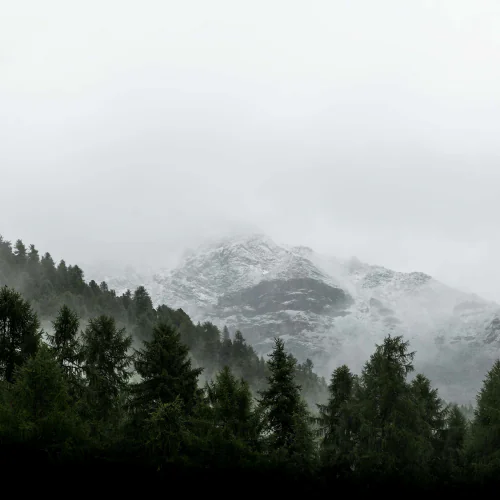
He noted that Mt Elgon and its surrounding areas possess enormous potential, including wildlife, mountains, forests, cultural heritage and other natural attractions that can be developed into sustainable sources of income.
Celebration Over Growing Elephant Population
Masiga also welcomed positive information reportedly presented to the Umuukuka of the Bamasaaba by a team led by Hon. Richard Matanda from the Uganda Wildlife Authority.
According to Masiga, the team reported that Mt Elgon National Park currently has approximately 200 elephants, describing the development as something that the Bamasaaba community should celebrate.
He said instead of viewing wildlife as a source of meat, communities should recognise the economic opportunities that come with protecting animals and allowing tourists to see them in their natural habitats.
Masiga said tourism has the potential to create employment for young people and other members of the community as tour guides, porters, hospitality workers and employees of conservation institutions such as the Uganda Wildlife Authority.
“We shall sensitise our people on the importance of promoting tourism in Bugisu because tourism helps to employ our people as guides, porters, UWA employees and in many other sectors,” he said.
‘Do Not Turn Tourism Potential into Vegetables’
Masiga acknowledged that some communities have historically consumed wildlife species including monkeys, baboons, wild pigs, elephants and buffaloes.
However, he said attitudes must change as the region seeks to position itself as a major tourism destination. He said his office will actively participate in sensitising communities against hunting and consuming wildlife that could contribute to tourism development.
“The office of the spokesperson of the Bamasaaba Cultural Institution, which I head, will be deeply involved in promoting a drive against turning such tourism potential into vegetables,” Masiga said.
“This is now a tourism potential, and my people in Bugisu should not admire an elephant as vegetables or sauce.”
He emphasised that wildlife conservation should be seen as a collective responsibility, particularly for communities living near protected areas.
Cultural Institution Pledges Support for Tourism Day
Masiga said the Bamasaaba Cultural Institution is fully committed to supporting preparations for the International Tourism Day celebrations.
He called upon all stakeholders, leaders, government agencies, private sector players and well-wishers to support the city officials and tourism authorities responsible for organising the celebrations.
“The town clerk, the city and the tourism office need our full support to successfully roll out the International Tourism Day celebrations,” Masiga said.
He added that, as spokesperson of the Bamasaaba Cultural Institution, he is part of the organising team and will work with other stakeholders to ensure that the celebrations are successfully hosted.
Masiga said the cultural institution also associates itself with the theme of the International Tourism Day, particularly the promotion of artificial intelligence and other digital tools in advancing tourism.
He said technology can play an increasingly important role in marketing tourism destinations, connecting tourists with local service providers and showcasing the attractions found in Bugisu to audiences around the world.
Taking Tourism to Communities
Masiga further welcomed the decision to hold and promote tourism celebrations at regional and community level, saying such initiatives help ordinary people understand the direct benefits of tourism.
He said cascading tourism activities and celebrations to communities enables people to appreciate the importance of protecting wildlife, preserving cultural heritage and promoting their local attractions.
According to Masiga, communities are more likely to participate in conservation efforts when they understand that protected wildlife and natural attractions can generate employment and business opportunities.
As Bugisu prepares to host the International Tourism Day celebrations on September 27, Masiga said the occasion should mark the beginning of a renewed commitment by the Bamasaaba people to protect their wildlife, promote Mt Elgon and embrace tourism as a driver of economic development.
He urged the community to change its perception of wildlife and recognise that an elephant, buffalo, monkey or baboon alive in a protected ecosystem can contribute more to the region's economy through tourism than when hunted for consumption.
Masiga said the future of tourism in Bugisu will depend on the collective efforts of communities, cultural leaders, government institutions and tourism stakeholders to protect the region's natural resources and market its unique attractions to the world.

John Kusolo is a Pastor, Sports Enthusiast and Ugandan journalist with Nile Chronicles News (NCN). With a strong commitment to journalistic excellence, he is recognized for his dedication, goal-oriented approach, and ability to thrive in challenging environments. Kusolo brings focused motivation and professionalism to his reporting and media assignments.







Comments (0)