
Cavendish University Backs Student Innovation as Five Schools Advance in Inter-School Project Competition
Cavendish University Uganda officials David Mutabanura and Bernard Ochan urge schools to prioritise practical skills, innovation and problem-solving alongside academic grades.
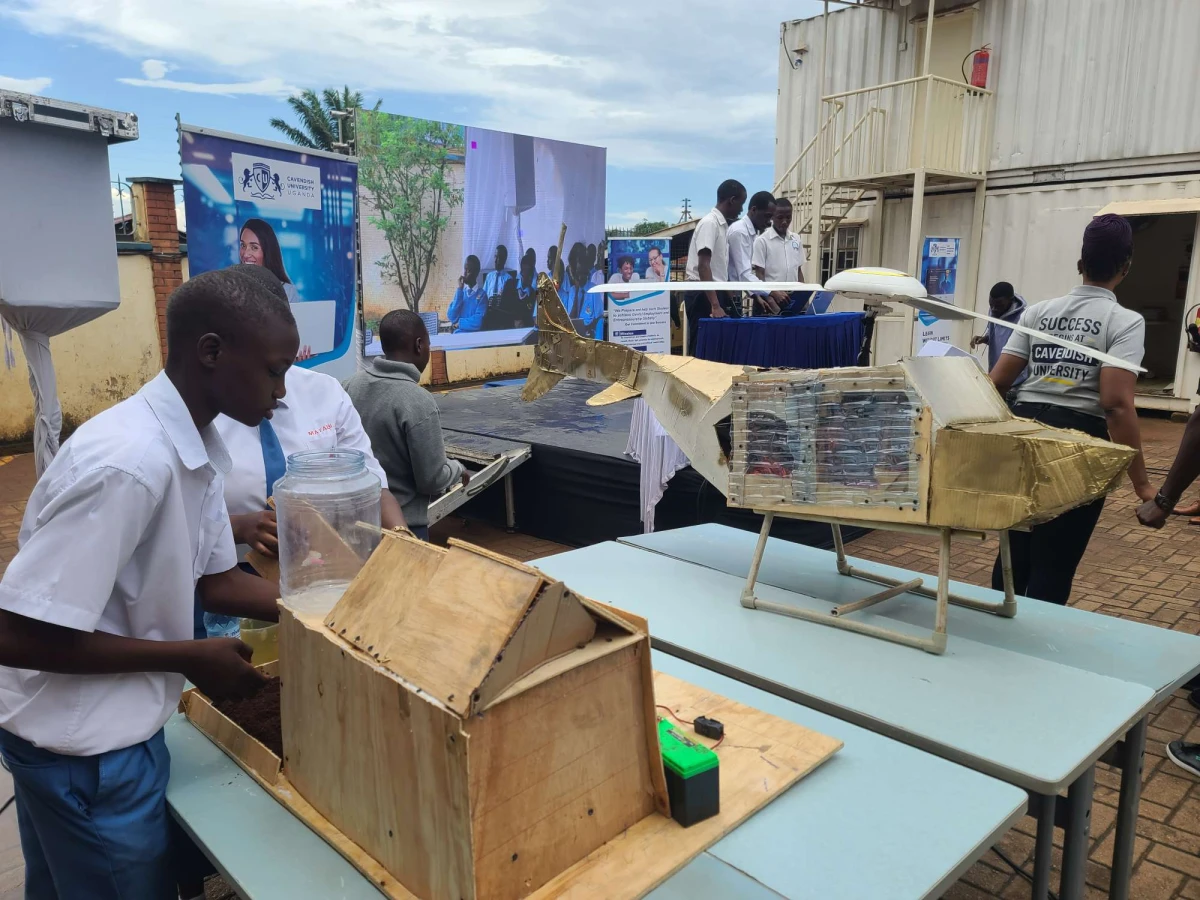
KAMPALA — Cavendish University Uganda has stepped up its support for practical and innovation-driven education, emerging as the biggest sponsor of the Inter-Schools Project Competition (ISPC), which brought together 12 secondary schools to showcase student-led solutions to real-world challenges.
Five schools advanced to the finals, St. Cyprian High School Kyabakadde, St. Mary’s College Lugazi, Queen of Martyrs High School, Seeta High Green Campus and St. Henry’s High School Mukono.
The competition provided a platform for students to demonstrate creativity, critical thinking and their ability to turn classroom knowledge into practical projects with the potential to address community needs.
Cavendish University Uganda Executive Director David Mutabanura was the chief guest at the event, where he reaffirmed the university’s commitment to supporting learning approaches that equip students with practical skills for employment, entrepreneurship and problem-solving.
Mutabanura said the competition reflects the university’s educational philosophy, which places students at the centre of learning and encourages them to apply knowledge to real-life situations.
“At Cavendish University, our learning approaches are student-centred, problem-based and practical in nature,” he said.
He explained that the university integrates practical problem-solving into its curriculum, internships and research to help learners develop competencies they can apply beyond the classroom.
According to Mutabanura, exposing secondary school students to project-based learning also prepares them for higher education by nurturing innovation, collaboration and independent thinking.
He said Cavendish University would continue supporting initiatives that give young people opportunities to develop and present their ideas, while urging partners and sponsors to help promising projects progress from concepts to implementation.
He noted that some student innovations require financial support, technical expertise, equipment and skilled personnel to become viable solutions.

Cavendish urges schools to look beyond grades
Cavendish University, Head Dean of Students Bernard Ochan said the competition reflects a broader need to redefine educational success by placing greater emphasis on learners’ ability to solve problems rather than relying exclusively on examination results.
He said the university is committed to preparing students for gainful employment and entrepreneurship in an increasingly competitive global environment.
“We made a promise to our students that we shall prepare and help them to achieve gainful employment and entrepreneurship globally,” Ochan said.
He challenged schools to nurture learners who can identify challenges in their communities, develop creative ideas and translate those ideas into practical solutions.
Ochan also urged parents to consider the skills and competencies their children acquire at school, rather than judging educational institutions solely by their academic performance.
“If I bring my child to Senior One and take them through Senior Six, what new thing is this child going to have other than the grades that we always get and celebrate?” he asked.
He said competitions such as ISPC provide an important platform for students to build confidence, share their ideas and receive recognition for their creativity.
Ochan further emphasised that successful innovations must be affordable, reliable and sustainable, particularly when they are intended to benefit communities with limited financial resources.
He argued that a project’s value should not be judged only by its technical sophistication, but also by whether the people it is designed to help can afford and maintain it.
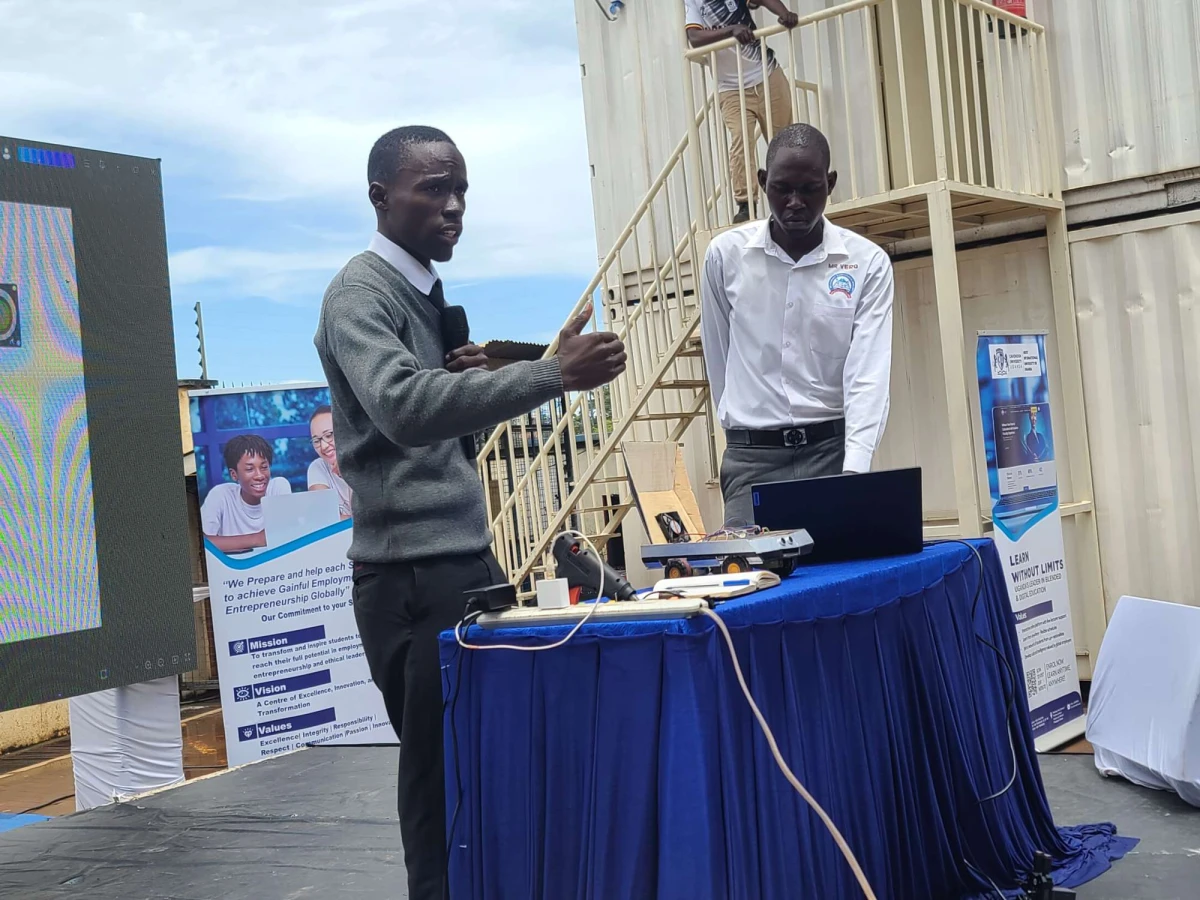
Preparing for competency-based education
Beyond the competition, Mutabanura highlighted Cavendish University Uganda’s preparations for competency-based education, including engagements with education regulators, staff training and reviews of academic programmes.
He said the university was strengthening lecturers’ capacity to deliver practical learning and exploring digital platforms that connect students with workplace projects and real-world challenges.
The aim, he explained, is to bridge the gap between academic learning and the practical competencies required in employment and entrepreneurship.
Mutabanura also called on government to invest in teacher training and provide the resources needed to implement competency-based education effectively.
Partnerships needed to develop student projects
The competition highlighted the potential of school-based innovation to encourage young people to develop solutions to challenges affecting their communities.
However, university officials said sustaining such initiatives requires collaboration among schools, universities, government, businesses and other development partners.
Mutabanura urged potential partners to support promising student projects with funding, technical guidance and other resources needed to move them towards practical application.
With 12 schools participating and five reaching the finals, the ISPC initiative offers a platform for nurturing young innovators while reinforcing the importance of an education system that combines academic knowledge with practical skills.
Through its sponsorship, Cavendish University Uganda is supporting efforts to make innovation, entrepreneurship and problem-solving a more prominent part of students’ educational experience.

Benjamin Mwibo is a talented, passionate and creative journalist with a commitment to high quality out put that is factual and researched. Above all Dedicated with a strong desire to identify the truth of the matter.
















Comments (0)