
Museveni Pledges Shs125bn to Doctors’ SACCO, as UMA Honours Rubabinda for Welfare Advocacy
The commitments were announced on Friday, November 13, 2026, during the 10th Uganda Medical Association (UMA) Grand Doctors’ Conference and Annual General Meeting (AGM) held at Soroti University in Soroti District.
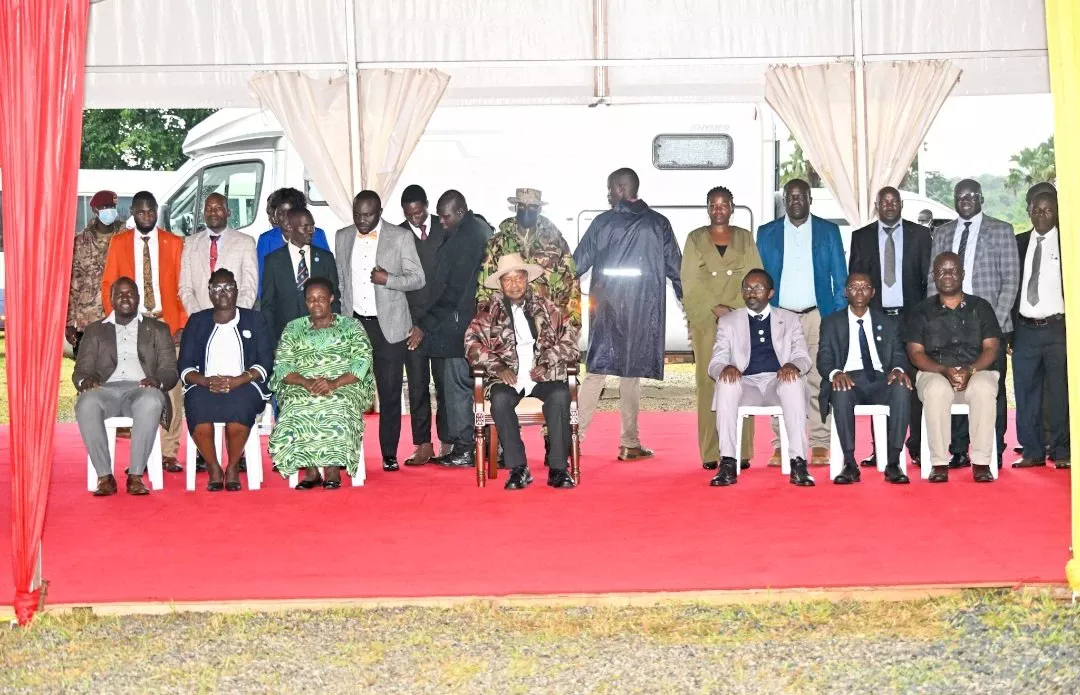
President Yoweri Kaguta Museveni has committed Shs125 billion in seed capital to establish a Savings and Credit Cooperative Organisation (SACCO) for medical doctors, announced a tax exemption for medical personnel and challenged health professionals to prioritise disease prevention as part of efforts to improve healthcare delivery in Uganda.
The commitments were announced on Friday, November 13, 2026, during the 10th Uganda Medical Association (UMA) Grand Doctors’ Conference and Annual General Meeting (AGM) held at Soroti University in Soroti District.
The conference, which attracted more than 1,000 participants, brought together medical professionals, government officials, partners and other stakeholders to discuss the future of healthcare in Uganda and the role of the medical fraternity in national development.
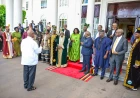
President Museveni and the Vice President joined the doctors and other invited guests for the opening day of the conference, held under the theme “Harnessing the Numbers and Quality for Socioeconomic Transformation and Global Health.”
The President said the proposed Shs125 billion SACCO would improve the financial welfare of medical professionals, support their further education and ease financial pressures that have contributed to some doctors engaging in moonlighting.
He also announced a tax exemption for medical personnel as part of broader efforts to improve their welfare and strengthen the country's healthcare workforce.
Museveni emphasised that improving the welfare of doctors was essential to building a stronger health system, arguing that medical professionals needed adequate financial support and opportunities for professional development to deliver quality services.
Beyond the financial commitments, the President challenged the medical fraternity to rethink Uganda's healthcare strategy by placing greater emphasis on disease prevention rather than concentrating resources primarily on treating illnesses.
He observed that approximately 80 per cent of illnesses in Uganda are preventable and argued that many conditions could be addressed through relatively affordable public health interventions.
He identified immunisation, proper nutrition, personal hygiene, access to safe water, sanitation and public education as critical measures for reducing the country's disease burden.
The President cited Uganda's progress in eliminating measles and polio as evidence of the importance of preventive healthcare.
He recalled that the national immunisation programme initially targeted six killer diseases that were responsible for approximately 96,000 child deaths annually, noting that expanding vaccination coverage had demonstrated the effectiveness of prevention-focused interventions.
Museveni also identified poor hygiene, inadequate nutrition, early marriages, alcoholism and unsafe food handling practices among factors contributing to preventable illnesses.
He particularly cautioned Ugandans against consuming mould-contaminated groundnuts, warning that they contain harmful substances associated with cancer.
The President further called on medical professionals to extend health education beyond hospitals and health facilities by engaging communities through radio programmes conducted in local languages.
He proposed that district health officers dedicate at least one radio programme every two weeks to educating the public about disease prevention, healthy living and other public health concerns.
According to Museveni, a stronger community-based health education approach would enable Ugandans to adopt healthier lifestyles and reduce the pressure on hospitals and other medical facilities.
In his message following the conference, the President reiterated the need for Uganda to strengthen specialised medical skills, improve diagnostic services and invest in the welfare of healthcare workers.
He said the country needed a comprehensive health strategy that combines disease prevention with better access to specialised treatment and improved working conditions for medical personnel.
“I reminded the doctors that our health strategy must focus more on preventing diseases than merely treating them. About 80% of sicknesses are preventable through immunisation, hygiene, proper nutrition, safe food and vector control,” Museveni said.
He added that Uganda must deliberately develop specialised medical skills, strengthen diagnostic services and improve the welfare of medical personnel through better remuneration, tax relief and affordable financing.
The President thanked UMA for inviting him to the conference and congratulated medical professionals recognised for their contributions to the health sector. ###
UMA President recognised for championing doctors' welfare
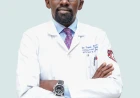
Meanwhile, the Uganda Medical Association President, Prof. Frank Asiimwe Rubabinda Jr, was recognised for his contribution to the welfare and advocacy of medical professionals.
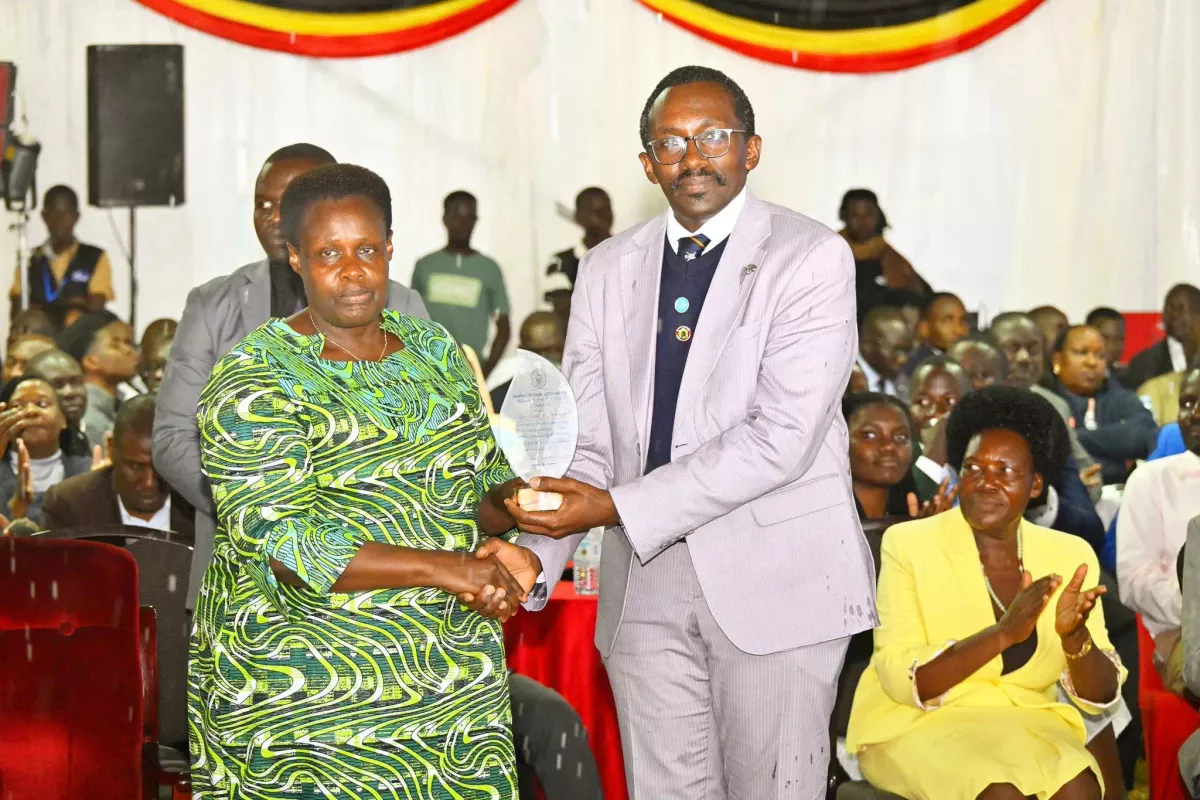
Vice President H. E Hon. Jessica Alupo(L) with U M A President Prof. Frank Asiimwe Rubabinda Jr(R)
Prof. Rubabinda received the Physician Welfare and Advocacy Champion Award during the UMA Services Awards held as part of the conference activities.
The award recognised his efforts in championing doctors' welfare, advocating for medical interns and defending the rights of health workers.
His recognition highlighted the importance of professional leadership and sustained advocacy in addressing the challenges faced by medical practitioners.
In a statement celebrating the award, UMA emphasised the relationship between the welfare of doctors and the quality of healthcare they provide.
“A doctor who is cared for can better care for others!” the association stated.
The recognition came at a time when discussions about doctors' welfare, financing, professional development and improved working conditions featured prominently at the conference.
Strengthening Uganda's healthcare system
The 10th UMA Grand Doctors’ Conference and AGM provides a platform for medical professionals and other stakeholders to examine challenges affecting healthcare delivery while identifying opportunities for improving the quality and accessibility of services.
The discussions around the President's Shs125 billion SACCO commitment, tax relief and preventive healthcare agenda placed doctors' welfare and public health at the centre of the national healthcare conversation.
The proposed SACCO is expected to provide an avenue for improving access to affordable financing among medical professionals, while the call for preventive healthcare highlights the need for stronger collaboration between health workers, government institutions and communities.
With more than 1,000 participants attending the opening day at Soroti University, the conference also provided an opportunity to recognise individuals whose contributions have advanced the interests of the medical profession.
The opening day was described by the Uganda Medical Association as a resounding success, with the association expressing appreciation to the President, the Vice President, partners, doctors and other guests who participated.
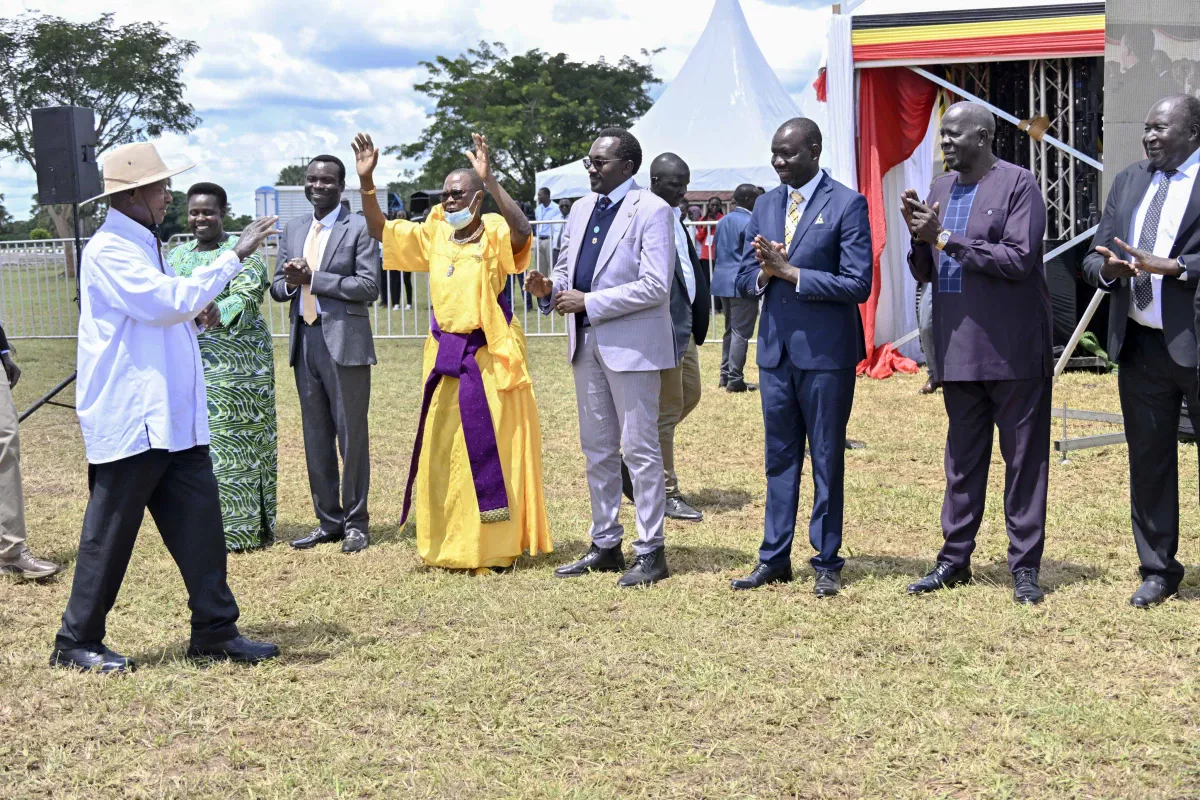
As the conference and AGM continued, the emphasis remained on harnessing the expertise, numbers and professional capacity of Uganda's medical fraternity to improve healthcare outcomes, strengthen the country's health system and contribute to socioeconomic transformation.

John Kusolo is a Pastor, Sports Enthusiast and Ugandan journalist with Nile Chronicles News (NCN). With a strong commitment to journalistic excellence, he is recognized for his dedication, goal-oriented approach, and ability to thrive in challenging environments. Kusolo brings focused motivation and professionalism to his reporting and media assignments.






Comments (0)