
Lango Left Out as Amongi Challenges Regional Balance in Museveni’s PS Appointments
Hon. Amongi expressed concern that Northern Uganda, particularly the Lango Sub-region, continues to have limited representation in senior government positions despite having a large population and a pool of qualified professionals capable of serving in top public administration roles.
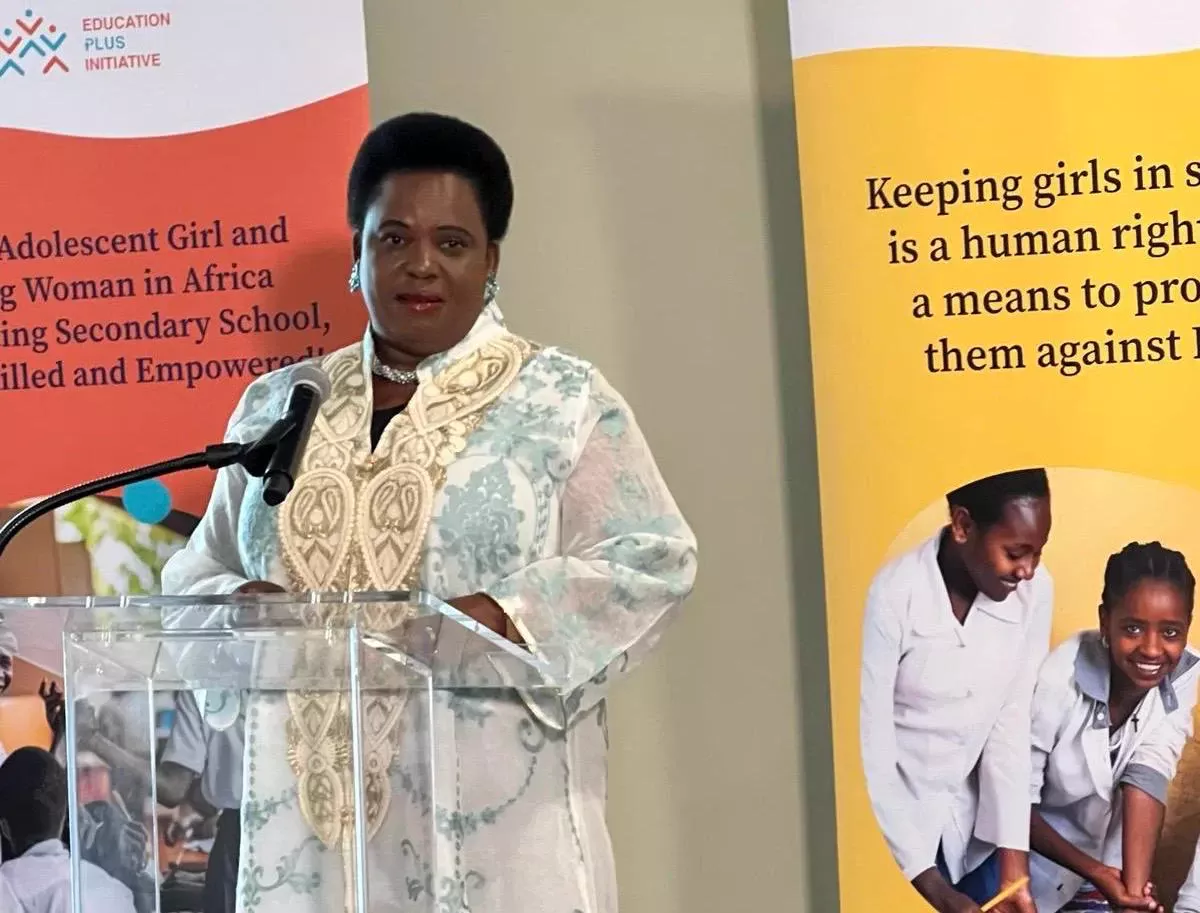
Former Minister Hon. Betty Amongi has questioned the regional balance in President Yoweri Kaguta Museveni’s latest nominations of Permanent Secretaries, arguing that the distribution raises concerns about fairness, inclusion and equal opportunities in Uganda’s public service.
Amongi expressed concern that Northern Uganda, particularly the Lango Sub-region, continues to have limited representation in senior government positions despite having a large population and a pool of qualified professionals capable of serving in top public administration roles.
Her concerns follow President Museveni’s announcement on Sunday, November 8, 2026, naming 12 nominees for Permanent Secretary positions across various government institutions and another nominee for the position of Clerk to Parliament.
The nominations, made under Article 174(2) of the 1995 Constitution, have been forwarded to the Public Service Commission for assessment of the candidates’ suitability before the process is concluded.
According to Amongi, a review of the proposed appointments suggests that Western Uganda received the largest share, followed by Central and Eastern Uganda, while the greater Northern region appears to have secured only one or two positions.
She particularly singled out Lango Sub-region, which she says has a population of more than 2.5 million people but has not secured representation in the latest Permanent Secretary nominations.
The former minister further observed that Lango has gone close to a decade without having a Permanent Secretary serving in government, describing the situation as part of a broader and longstanding pattern of limited representation across different arms and institutions of the state.
She cited concerns about representation in Cabinet, the Judiciary, ministries, departments and agencies (MDAs), the security forces and other public institutions, questioning why the region continues to experience what she considers persistent exclusion from senior national leadership positions.
Merit and Regional Representation
Amongi acknowledged that competence and professional qualifications must remain central considerations in public appointments but argued that merit should not be used as a reason to disregard regional inclusion.
She pointed to President Museveni’s longstanding position that appointments should be based on substance rather than region or tribe, saying that while professional competence is important, it should coexist with the constitutional principles of fairness and equal opportunity.
According to her, Uganda has qualified, experienced and capable individuals across all regions who can contribute to the country's development if given an opportunity to serve.
She questioned whether the principle of appointing people on merit is being applied through a transparent process that also recognises historical inequalities and the need for balanced national representation.
Amongi argued that competence and regional fairness should not be treated as competing interests, insisting that a country can identify the best-qualified individuals while ensuring that no particular region or community is persistently overlooked.
Constitutional Principles and Equal Opportunities
The former minister also invoked the 1995 Constitution, arguing that its founding principles provide an important framework for addressing concerns about marginalisation and unequal representation.
She recalled the constitutional-making process, which involved consultations with Ugandans through the Constitutional Commission chaired by Justice Benjamin Odoki.
Amongi noted that the Constitution provides for equality before the law, non-discrimination, affirmative action for marginalised groups, equal opportunities, gender balance and protection of ethnic minorities.
She argued that these provisions were deliberately included to promote national unity and ensure that all Ugandans have a fair opportunity to participate in the governance and development of their country.
In her view, constitutional commitments to inclusion should inform decisions concerning senior public appointments rather than being treated as secondary considerations.
She further referred to concerns raised in reports by the Equal Opportunities Commission regarding marginalisation and uneven development, particularly in Northern Uganda.
Amongi said the concerns extend beyond political appointments to include infrastructure development, access to public services, employment opportunities and representation in national institutions.
She questioned why, despite repeated discussions about regional inequalities and historical disadvantages, appointment patterns continue to generate concerns among communities in Northern Uganda.
Political Support Versus Representation
Amongi also raised questions about the relationship between Northern Uganda’s political support for the ruling National Resistance Movement (NRM) and the region’s continued concerns about access to senior government positions.
She recalled that since 2011, some political actors from the region had deliberately chosen to support President Museveni and work towards changing the political narrative within their communities.
She observed that the NRM has since established a stronger political presence in parts of Northern Uganda, making the apparent absence of the region from some senior public appointments a matter deserving serious reflection.
The former minister questioned why communities that have increasingly embraced the ruling party should continue to express concerns about their representation in important government institutions.
She raised the possibility that the continued exclusion could be perceived by some people as political punishment, although she maintained that the broader issue should be addressed through fairness, recognition and equal citizenship.
For Amongi, the debate should not be reduced to demands for positions based on geographical identity but should focus on whether all Ugandans have a genuine opportunity to contribute to national leadership and public administration.
Why Representation Matters
The former minister further argued that fair representation is essential in strengthening public confidence in government institutions and promoting national unity.
She observed that citizens are more likely to trust public institutions when they believe their communities have a fair opportunity to participate in decision-making and national development.
She also noted that diversity in public administration brings different experiences, perspectives and knowledge into government, enabling institutions to better understand the needs and challenges affecting communities across the country.
According to Amongi, ignoring historical disadvantages does not eliminate existing inequalities but risks allowing them to persist across generations.
She, however, clarified that equal representation should not necessarily mean allocating exactly the same number of positions to every region or replacing professional qualifications with considerations of ethnicity or geographical origin.
Instead, she called for transparent and lawful appointment procedures that balance professional competence with constitutional commitments to equal opportunity and the need to address persistent marginalisation.
She argued that where government considers its appointment process fair and merit-based, it should be able to explain the criteria used and demonstrate how those principles are reflected in the final decisions.
Call for Transparency and National Inclusion
Amongi warned that when sections of the population begin to perceive politics and public appointments as instruments of exclusion, punishment or subjugation, the relationship between citizens and the state can be weakened.
She said government should not wait until dissatisfaction deepens but should engage affected communities, explain its decisions and take credible measures to ensure that national institutions reflect the country's diversity.
She emphasised that the debate is not about questioning the President's constitutional authority to appoint Permanent Secretaries but about ensuring that the exercise of that authority reflects the spirit and principles of the Constitution.
The former minister maintained that a situation in which an entire sub-region, particularly one with a population exceeding 2.5 million people, has no representation among the latest nominations deserves public scrutiny and an explanation from the relevant authorities.
She insisted that Northern Uganda is not seeking special favours or charity but recognition, fairness and equal citizenship.
The region, she argued, has made significant contributions to Uganda's political, economic and social development and should have a genuine opportunity to participate in the highest levels of public administration based on qualifications and professional ability.
Amongi called upon the President and relevant appointing authorities to make the appointment process more transparent, explain how regional balance and equal opportunities are considered, and ensure that future appointments do not reproduce patterns that leave particular communities feeling excluded.
She concluded that national unity cannot be sustained by expecting some communities to accept prolonged absence from important positions in public life.
Rather, she argued, unity is strengthened when every region feels recognised, respected and assured of a fair opportunity to participate in the institutions responsible for governing the country.
The debate now places renewed attention on how Uganda can balance merit-based public appointments with constitutional obligations on equality, affirmative action and inclusive national development.

John Kusolo is a Pastor, Sports Enthusiast and Ugandan journalist with Nile Chronicles News (NCN). With a strong commitment to journalistic excellence, he is recognized for his dedication, goal-oriented approach, and ability to thrive in challenging environments. Kusolo brings focused motivation and professionalism to his reporting and media assignments.









Comments (0)