
KCCA ED Buzeki Calls for Global Cities to Share Solutions, Accelerate Urban Development
Buzeki led a KCCA delegation to the forum, which took place from November 23 to 24, 2026, bringing together leaders and representatives of BRICS capitals and other major cities to explore practical partnerships, strengthen municipal diplomacy and share solutions to common urban challenges.
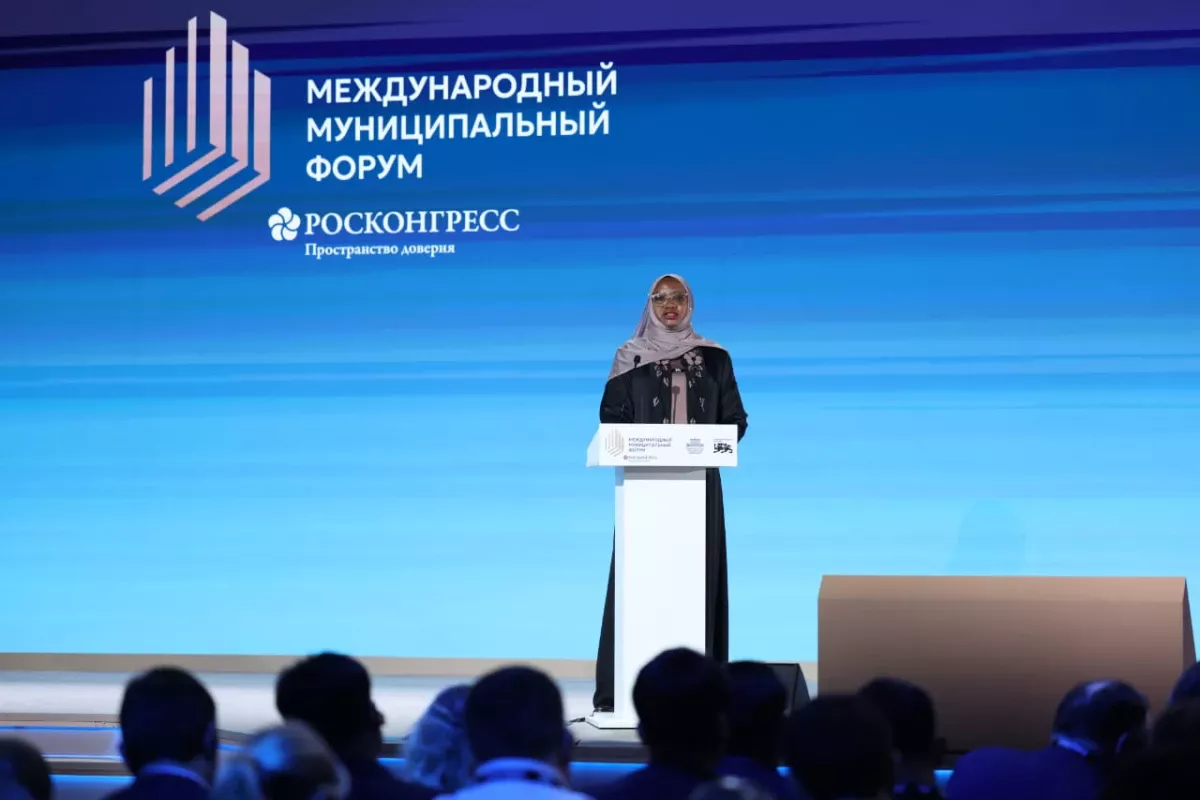
Kampala Capital City Authority (KCCA) Executive Director Sharifah Buzeki has championed stronger city-to-city cooperation, knowledge exchange and collaborative urban development among major cities across the world during the BRICS Capitals Municipal Forum held in Moscow, Russia.
Buzeki led a KCCA delegation to the forum, which took place from November 23 to 24, 2026, bringing together leaders and representatives of BRICS capitals and other major cities to explore practical partnerships, strengthen municipal diplomacy and share solutions to common urban challenges.
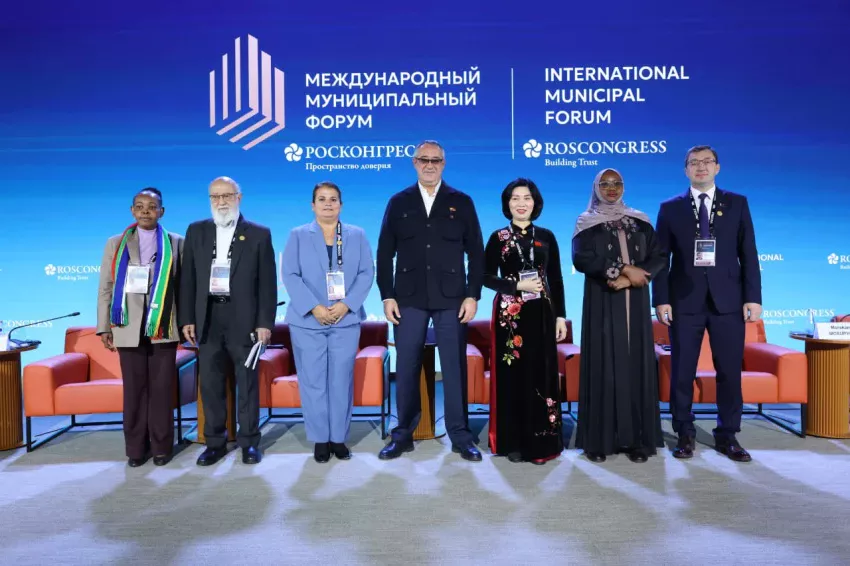
Addressing delegates, Buzeki underscored the importance of cities working together regardless of their different levels of development, noting that cooperation between urban authorities provides an opportunity to learn from successful experiences, share expertise and accelerate improvements in service delivery.
She highlighted infrastructure development, public transport, waste management, artificial intelligence in governance, sustainability and climate change resilience as some of the key areas where cities could benefit from stronger partnerships and exchange of knowledge.
Buzeki calls for practical knowledge-sharing among cities
Buzeki argued that cities facing similar challenges should not have to start from scratch when others have already developed workable solutions, technologies and systems that could be adapted to their circumstances.
She emphasized that the experience of one city in tackling a particular urban problem could provide valuable lessons for another, allowing municipal authorities to build on existing knowledge rather than reinventing solutions.
The KCCA Executive Director said cities could borrow ideas, technologies and lessons from one another while making appropriate modifications to suit their local environments, institutional capacities and development priorities.
Her message placed emphasis on practical cooperation that goes beyond formal engagements, encouraging city authorities to turn partnerships into tangible improvements in urban management and the quality of life for residents.
Calls for accountability and tracking cooperation progress
Buzeki also stressed the need for regular reporting, monitoring and assessment of partnerships established between participating cities.
She said progress made under city-to-city cooperation arrangements should be documented and presented at subsequent forums to demonstrate the impact of collaboration, highlight milestones and identify areas requiring further intervention.
According to Buzeki, periodic assessments would help cities and the wider forum track achievements, measure the value of their partnerships and ensure that commitments made during engagements translate into practical outcomes.
She urged participating capitals to make cooperation measurable by highlighting the projects, innovations and improvements resulting from their engagements.
KCCA delegation attends Moscow City Duma session
During the Moscow visit, the Ugandan delegation also attended a session of the Moscow City Duma, where legislators representing various constituencies considered draft amendments to the city's legislation on production and consumption waste, as well as provisions under the Moscow Code of Administrative Offences.
The session was chaired by Moscow City Duma Chairman Alexey Shaposhnikov, who also hosted the BRICS Capitals Municipal Forum.
The Moscow City Duma, which comprises 45 deputies, offered the visiting delegation an opportunity to observe legislative processes and the use of information and communication technology in urban governance.
The legislators demonstrated the digitalised use of information systems and electronic voting in deliberations and the passage of laws, showcasing how technology is being integrated into city administration and legislative decision-making.
Waste management emerges as a shared urban challenge
Buzeki used the engagement with Moscow legislators to draw attention to the common waste management challenges facing Kampala and Moscow, noting that the issue remains a major concern for urban authorities in Uganda.
She called for knowledge-sharing between the two cities, particularly on Moscow's approaches to waste management, technologies, policies and systems that could offer lessons for Kampala as it continues to address the growing demands of urban sanitation and environmental management.
The engagement provided an opportunity to explore how cooperation between municipal authorities could help cities learn from one another in addressing waste generation, collection, disposal and broader environmental sustainability concerns.
Moscow City Duma Chairman Shaposhnikov, on behalf of the legislature, welcomed the visiting delegations and thanked them for accepting the invitation to participate in the forum.
Other cities represented at the meeting included Minsk, Gauteng, Havana, Honolulu and Addis Ababa, among others, reflecting the broad geographical reach of the municipal engagement.
Kampala strengthens international municipal partnerships
KCCA's participation in the BRICS Capitals Municipal Forum reinforces Kampala's efforts to engage international city networks, exchange urban development experiences and explore innovative approaches to improving public service delivery.
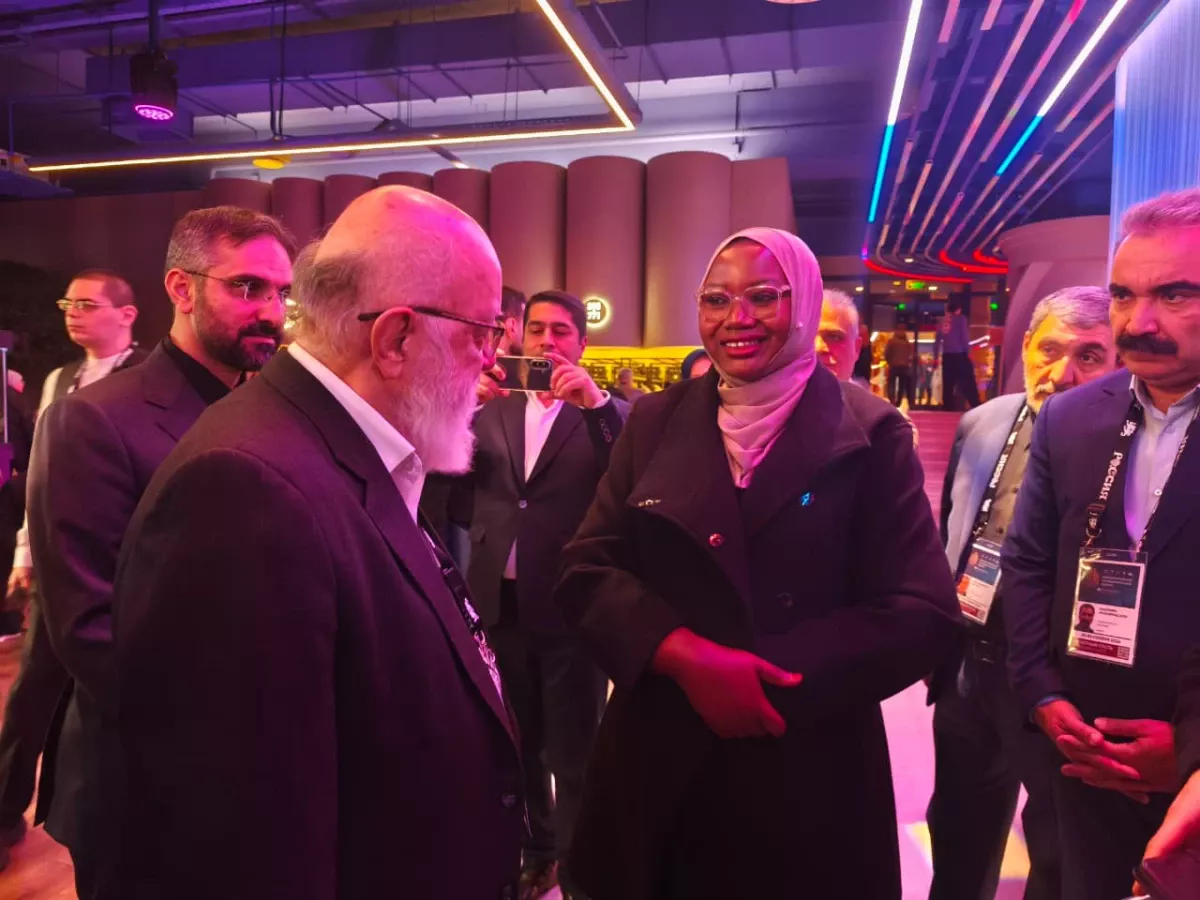
For Kampala, the discussions provide an opportunity to learn from cities with different experiences in infrastructure planning, digital governance, public transport, waste management and environmental sustainability, while also sharing its own urban development priorities with international counterparts.
The forum's emphasis on city-to-city partnerships highlights the growing importance of municipal diplomacy in addressing urban challenges that increasingly transcend borders and require innovation, shared expertise and coordinated approaches.
Through engagements such as the Moscow forum, KCCA seeks to strengthen its international relationships and identify practical ideas that can be adapted to Kampala's needs as the city continues to grapple with rapid urbanisation, service delivery pressures and the demand for more sustainable urban systems.

John Kusolo is a Pastor, Sports Enthusiast and Ugandan journalist with Nile Chronicles News (NCN). With a strong commitment to journalistic excellence, he is recognized for his dedication, goal-oriented approach, and ability to thrive in challenging environments. Kusolo brings focused motivation and professionalism to his reporting and media assignments.










Comments (0)