
NIRA Mobilises 27 Northern Uganda Districts to Boost National ID and Birth Registration
The Authority engages leaders from 27 districts across Acholi, Lango and West Nile, seeking improved service delivery and increased early birth registration.
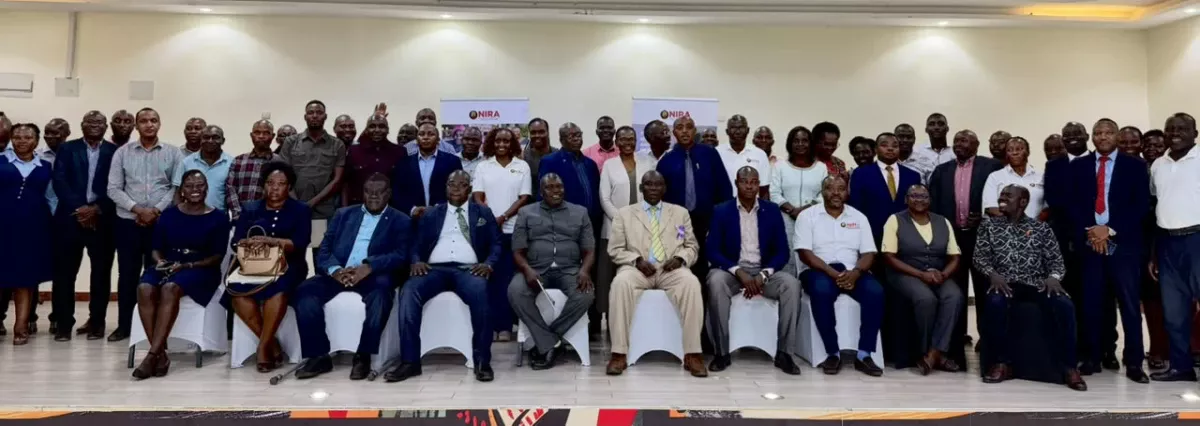
The Authority engages leaders from 27 districts across Acholi, Lango and West Nile, seeking improved service delivery.
The National Identification and Registration Authority (NIRA) has intensified efforts to improve access to national identification and civil registration services across Northern Uganda, engaging local government leaders from 27 districts in a regional stakeholder meeting aimed at addressing service delivery challenges and expanding registration coverage.
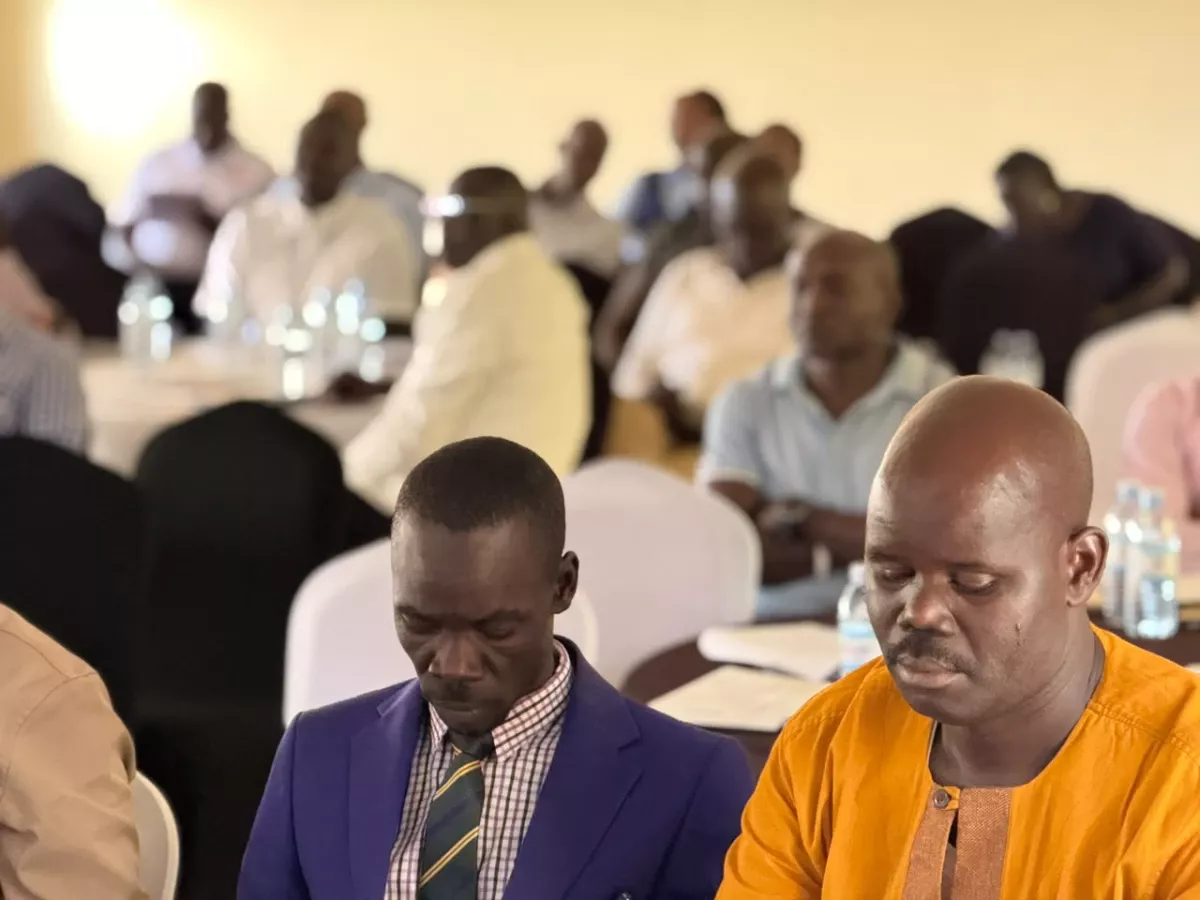
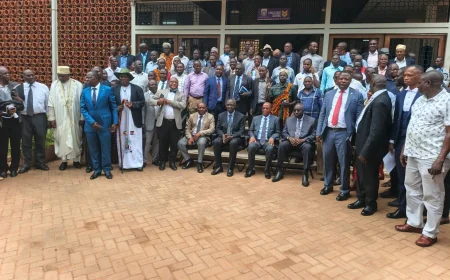
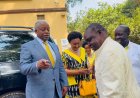
The engagement, held in Gulu City, brought together Chief Administrative Officers (CAOs), Resident District Commissioners (RDCs), mayors, district chairpersons and other local government leaders from the Acholi, Lango and West Nile sub-regions.
The Resident City Commissioner for Gulu City, Mr Ambrose Onoria, attended the meeting as Guest of Honour.
Addressing participants on behalf of NIRA Executive Director, the Commissioner for Civil Registration, Mr Vincent Katutsi, said Northern Uganda had deliberately been selected as the starting point for the Authority's regional engagements because of its strategic importance and the critical role local governments play in ensuring citizens access essential registration services.
Katutsi commended district and city leaders for their support, particularly during the Mass Enrollment and Mass Renewal Exercise, noting that their contribution had been instrumental in mobilising communities and facilitating the nationwide registration programme.
He emphasised that legal identity goes beyond simply possessing a National Identity Card, explaining that it provides individuals with important personal records and is closely connected to their rights, opportunities and access to essential government services.
He described NIRA as Government's central source of truth for personal identification, revealing that the National Identification Register currently contains approximately 37 million Ugandans, representing about 82 per cent of the country's estimated population.
The figure demonstrates progress in establishing a comprehensive national identification system while highlighting the need to reach the remaining population through sustained registration efforts.
Katutsi urged local leaders to utilise their administrative structures to mobilise communities, identify individuals who have not yet registered and facilitate access to NIRA services, particularly in hard-to-reach areas.
NIRA seeks increased early birth registration
One of the key priorities discussed during the engagement was the need to expand early birth registration across Northern Uganda.
The Senior Registration Officer for North Western, Capt Darius Turyahikaya, appealed to district leaders to take a more active role in encouraging parents and guardians to register children immediately after birth.
He emphasised that local government structures, particularly at village level, provide an effective channel for reaching households and creating awareness about the importance of birth registration.
Turyahikaya encouraged leaders to utilise existing community mobilisation platforms, including local council structures, radio stations and other communication channels, to educate communities and encourage parents to fulfil their responsibilities.
He noted that stronger community participation would help ensure more children acquire legal identity documentation early in life, laying a foundation for their future identification and access to essential services.
The emphasis on early birth registration reflects NIRA's recognition that legal identity should begin at birth rather than waiting until individuals reach the age of acquiring a National Identity Card.
Gulu RCC applauds NIRA's service delivery efforts
The Guest of Honour, Mr Ambrose Onoria, commended NIRA for its continued efforts to deliver identification and civil registration services amid considerable public demand and operational pressure.
He acknowledged the challenges faced by the Authority in responding to growing public expectations and recognised the importance of sustained institutional support to enable NIRA to fulfil its mandate effectively.
Onoria underscored the need for government institutions to work together in ensuring that citizens receive timely and accessible services.
Local governments urged to sustain support
Meanwhile, Mr Edwin Tukamuhebwa, representing the Assistant Commissioner for Registration and Operations, expressed appreciation to district leaders for the cooperation and commitment demonstrated during the Mass Enrollment and Mass Renewal Exercise.
He recognised their contribution through community mobilisation, coordination and administrative support, urging them to maintain the same commitment as NIRA expands its identification and civil registration programmes.
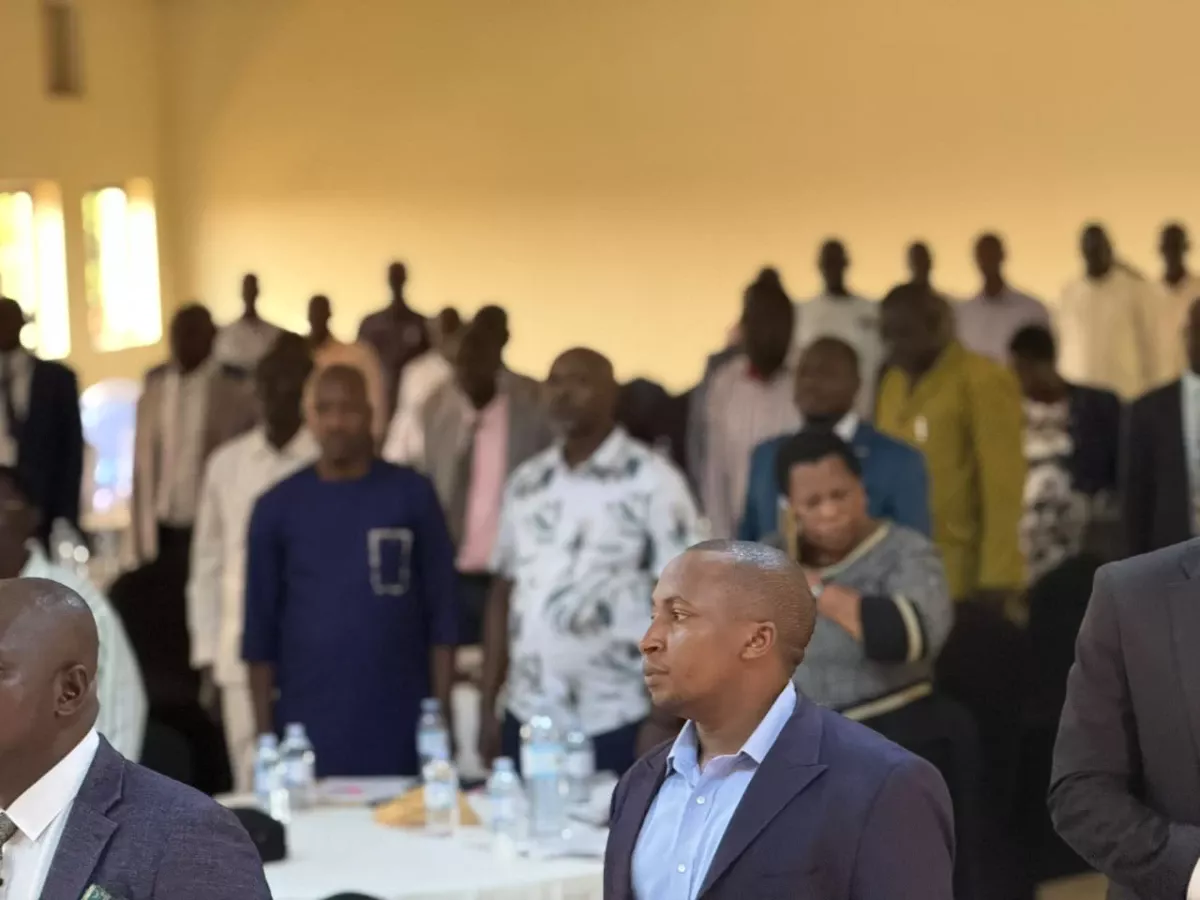
Tukamuhebwa emphasised that the structures established during the mass exercise should continue supporting other registration initiatives to ensure that more communities benefit from the Authority's services.
CAOs receive refresher guidance on marriage registration
Beyond national identification and birth registration, the Gulu engagement also focused on strengthening the capacity of local government leaders in marriage registration.
Chief Administrative Officers, who undertake civil marriage functions on behalf of NIRA, received refresher guidance on marriage registration procedures and their responsibilities in ensuring that marriages are properly documented.
The session highlighted the important role played by district administrations in bringing civil registration services closer to citizens, enabling couples to access marriage registration within their respective districts.
Proper documentation of marriages remains an important component of civil registration, providing individuals and families with legally recognised records for various administrative and legal purposes.
By strengthening the capacity of CAOs and other responsible officers, NIRA seeks to improve compliance with registration procedures and promote consistency in marriage registration services across local governments.
Addressing service delivery challenges
The meeting also provided an opportunity for NIRA management and local government leaders to discuss operational and administrative challenges affecting the delivery of identification and civil registration services.
Discussions covered NIRA's mandate, the current status of national identification and civil registration programmes, experiences from previous registration exercises and possible interventions to improve service delivery.
District leaders were given an opportunity to provide feedback, raise concerns and propose practical solutions to challenges encountered during registration activities.
The participation of leaders from 27 districts provided a platform for examining regional concerns and identifying practical measures to improve access to services.
NIRA targets universal legal identity
The Gulu engagement forms part of NIRA's wider strategy to strengthen the national identification and civil registration system through partnerships with government institutions and community structures.
With approximately 37 million Ugandans already captured in the National Identification Register, the Authority is seeking to consolidate the gains made through previous registration programmes while addressing gaps that continue to affect access to identification and civil registration services.
The regional engagements are expected to help NIRA understand local service delivery challenges, improve administrative coordination and strengthen public awareness about the importance of legal identity.
Through sustained registration efforts, community mobilisation and capacity-building initiatives, the Authority aims to ensure that more Ugandans are captured in the national identification and civil registration system.
The Gulu meeting marks a significant step in this process, placing local government leaders at the centre of efforts to expand registration coverage and bring essential services closer to citizens.

John Kusolo is a Pastor, Sports Enthusiast and Ugandan journalist with Nile Chronicles News (NCN). With a strong commitment to journalistic excellence, he is recognized for his dedication, goal-oriented approach, and ability to thrive in challenging environments. Kusolo brings focused motivation and professionalism to his reporting and media assignments.







Comments (0)