
MP Election Petitions Open Across Uganda as High Court Starts Hearings
The Judiciary had scheduled 118 petitions for hearing from September 14 to November 13, with 107 challenging parliamentary election results and 11 relating to Local Council elections. The cases are being handled through different High Court circuits and the Civil Division in Kampala.
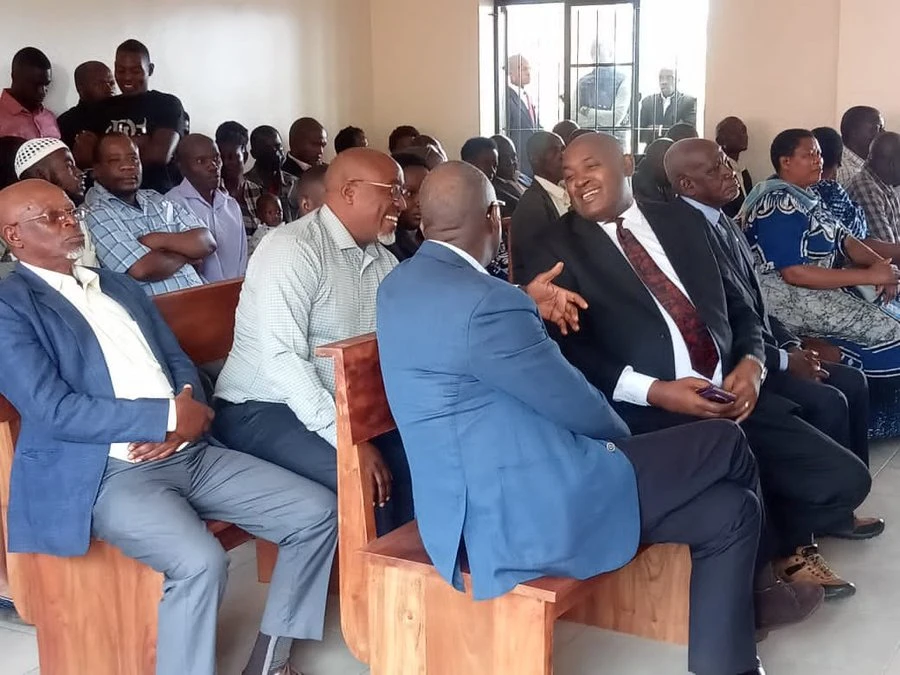
KAMPALA — The High Court has on Monday, September 14, 2026, commenced the hearing of election petitions arising from Uganda’s 2026 General Election, setting the stage for a legal battle over parliamentary and other electoral results across the country.
The Judiciary had scheduled 118 petitions for hearing from September 14 to November 13, with 107 challenging parliamentary election results and 11 relating to Local Council elections. The cases are being handled through different High Court circuits and the Civil Division in Kampala.
The commencement of the hearings marks the next phase of the electoral process, allowing unsuccessful candidates and other petitioners who dispute election outcomes to present their cases before the courts.
Among the parliamentary election petitions being handled are challenges in several constituencies, including Rukungiri Municipality, Kinkizi East, Mbarara City North, Mbarara District Woman Representative, Kampala Central and Kalungu East.
Key petitions
In Rukungiri Municipality, former presidential candidate and opposition politician Ingrid Turinawe has petitioned against the election of Lt Gen Henry Tumukunde, with the Electoral Commission also listed as a respondent.
In Kinkizi East, Sam Arinaitwe Kajojo is challenging the election of Health Minister Hon. Dr Chris Baryomunsi, alongside the Electoral Commission.
Another closely watched case is in Mbarara City North, where Mwesigwa Robert Rukaari is challenging the election of Christopher Bakashaba.
In Mbarara District, Margaret Ayebare Rwebyambu has filed a petition challenging the election of Hon. Loydah Twinomujuni Muhimbura as Woman Member of Parliament.
In Kampala Central, David Lewis Rubongoya is challenging the election of Hon. Hajjat Minsa Kabanda, bringing the electoral dispute to the High Court in the capital.
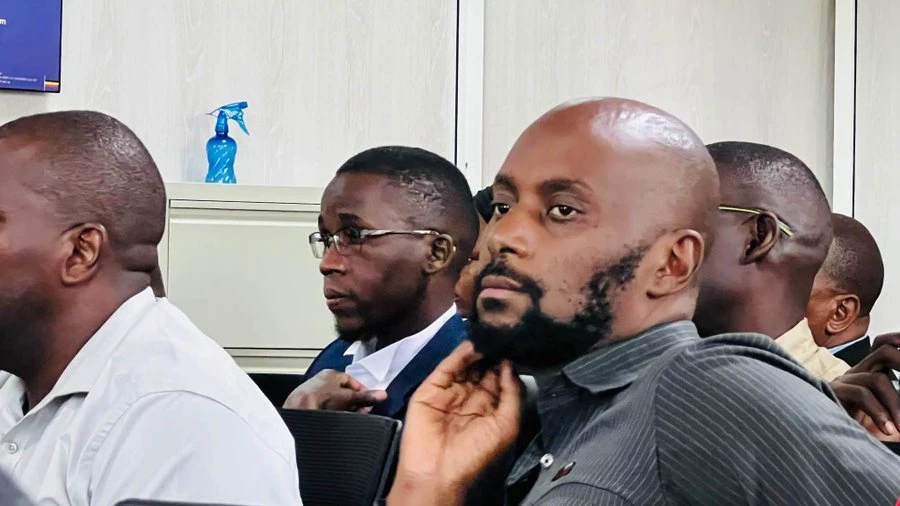
NUP's Secretary General David Lewis Rubongoya(holding beard) is challenging the election of Hon. Hajjat Minsa Kabanda
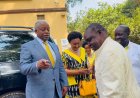
Meanwhile, in Kalungu East, Hon. Vincent Ssempijja has challenged the election of Hon. Yusuf Kiruluuta Nkeretanyi, with the Electoral Commission also named as a respondent.
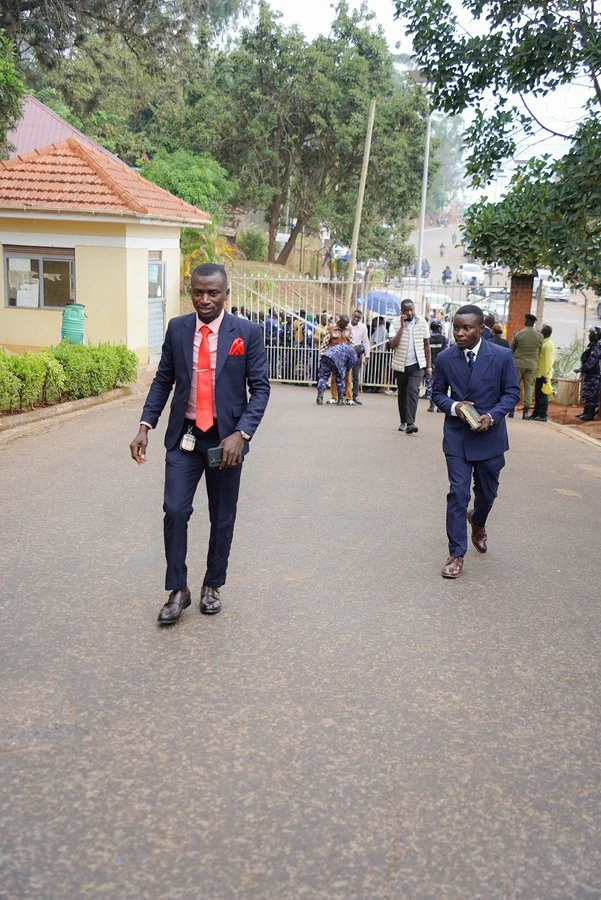
Hon. Yusuf Kiruluuta Nkeretanyi arrives in court. His victory is being challenged by Hon. Vicent Ssempijja in Kalungu East.
Judiciary prioritises election disputes
The Judiciary has directed judges handling the petitions to give the cases priority and ensure that they are disposed of expeditiously.
According to the Judiciary's programme, election petitions are to take precedence over other matters during the special hearing period. Judges have been instructed to minimise unnecessary adjournments, handle interlocutory applications promptly and, where practicable, hear cases on consecutive days.
The Judiciary has deployed judges across 30 High Court stations, while the broader election-petition programme involves 100 judicial officers, including 48 High Court judges and 52 Chief Magistrates. Across the wider programme, 346 election petitions arising from the Parliamentary and Local Council elections are scheduled for determination, with 157 before the High Court and 189 before Chief Magistrates' Courts.
The High Court hearings are scheduled to run until November 13, 2026, while hearings before Chief Magistrates' Courts are scheduled to begin later and conclude by October 30.
What is at stake
The petitions could have significant implications for the composition of Uganda's Parliament if courts find that an election was not conducted in accordance with the law and that the irregularities affected the outcome.
Petitioners are expected to present evidence to support their claims, while the winning candidates and the Electoral Commission will have an opportunity to defend the contested results.
The legal process therefore provides a mechanism through which candidates can seek judicial review of disputed election outcomes rather than relying solely on political contestation.
Under Uganda's electoral framework, parliamentary election petitions are required to be heard and determined within the prescribed statutory period. The Judiciary's decision to dedicate a special programme to the cases is intended to ensure that the disputes are resolved within the required timelines.
The hearings will consequently be closely watched by political parties, candidates, voters and the wider public as the courts begin determining whether the disputed election results will stand or whether any of the challenged contests will require further electoral action.
With the hearing programme running for nearly two months, the outcome of the cases could shape the political landscape in several constituencies and provide important judicial interpretations on the conduct of Uganda's 2026 elections.

John Kusolo is a Pastor, Sports Enthusiast and Ugandan journalist with Nile Chronicles News (NCN). With a strong commitment to journalistic excellence, he is recognized for his dedication, goal-oriented approach, and ability to thrive in challenging environments. Kusolo brings focused motivation and professionalism to his reporting and media assignments.








Comments (0)