
PELUM Uganda to Bring 1,500 Stakeholders Together for Five-Day Agroecology Week
PELUM Uganda will host the 2026 National Agroecology Week in Kampala from October 26–30, bringing together 1,500 participants to promote sustainable farming, agricultural policy and market opportunities.
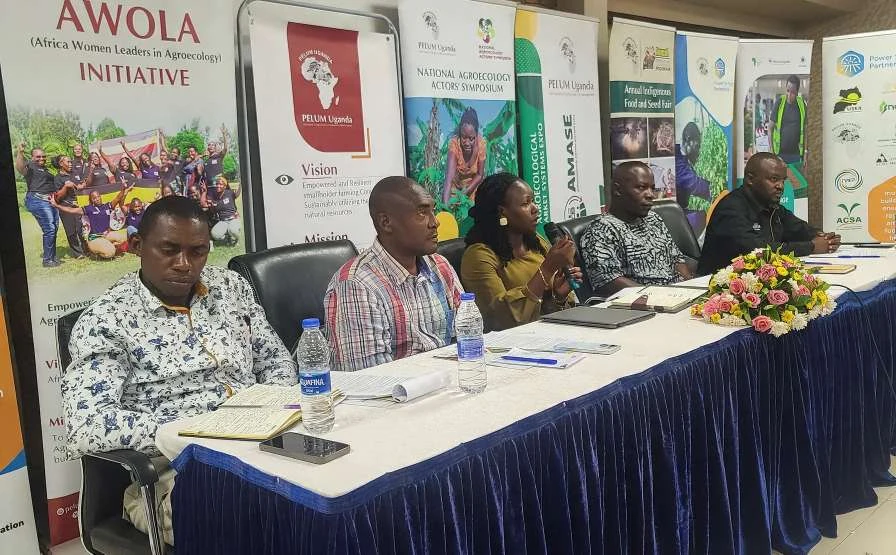
KAMPALA, Uganda — Farmers, policymakers, researchers and agribusiness players are expected to converge in Kampala later this month for a national agroecology campaign aimed at strengthening sustainable farming, influencing agricultural policy and opening new market opportunities.
The 2026 National Agroecology Week of Action, organised by PELUM Uganda in partnership with the Ministry of Agriculture, Animal Industry and Fisheries (MAAIF) and the Ministry of Trade, Industry and Cooperatives (MTIC), will run from October 26 to 30 at Hotel Africana.
More than 1,500 participants are expected to attend the five-day event, which will explore ways of connecting agroecological production with policy implementation, enterprise development and sustainable markets.
The gathering will be held under the theme “Accelerating a Just and Resilient Food Future: Connecting Agroecological Production, Policy Action, and Market Synergies.”
The event comes at a time when agricultural stakeholders are increasingly focusing on food security, climate resilience and the need to improve farmers’ access to profitable markets.
According to World Bank data based on International Labour Organization estimates cited by the organisers, agriculture accounted for approximately 65 per cent of employment in Uganda in 2025, highlighting the sector’s importance to household livelihoods and economic development.
Thursday, addressing journalists, Organisers said the week will provide an opportunity for farmers, government representatives, researchers and private-sector players to identify practical solutions to challenges affecting agricultural production and marketing.
Edward Mukiibi, Executive Director of Slow Food Uganda and Chairperson of the PELUM Uganda Board, said agroecology should be recognised for its contribution to environmental protection, economic opportunities and the preservation of Uganda’s food heritage.
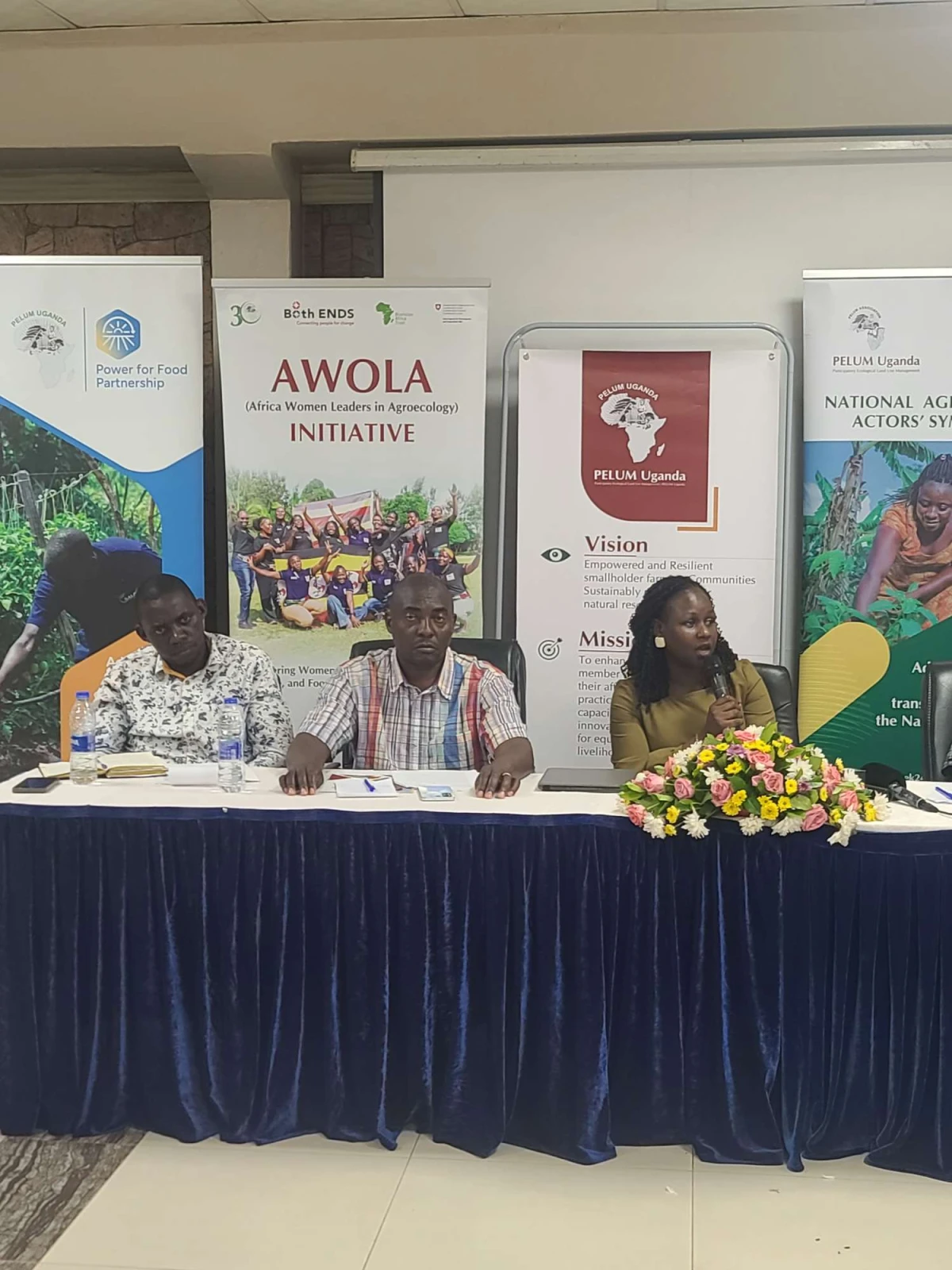
“Uganda's food future depends on our ability to protect biodiversity, support farmers, and build food systems that nourish people while sustaining the environment,” Mukiibi said.
He noted that agroecology offers opportunities to strengthen livelihoods while protecting the country's agricultural and cultural heritage.
The programme will feature three flagship events designed to address policy, business development and the preservation of indigenous agricultural resources.
On October 28, the 8th National Agroecology Actors' Symposium will bring stakeholders together to discuss the role of agroecology in transforming Uganda’s agrifood systems.
Held under the theme “Transforming Uganda's Agrifood Systems: Advancing Agroecology under Kampala CAADP Commitments,” the symposium will focus on policy dialogue, evidence sharing and practical measures to support the implementation of agricultural development commitments.
The same day, the 5th Agroecological Market Systems Expo (AMASE) will showcase sustainable agricultural products, business innovations and emerging opportunities for agroecological enterprises.
The expo will facilitate business-to-business engagement, partnership building and enterprise readiness support. It will also feature the launch of the Enterprise Readiness, Partnership Facilitation and Uptake Acceleration Assessment Report.
Discussions will further explore opportunities linking regenerative agriculture with the productive use of renewable energy.
The 16th Indigenous and Traditional Seed and Food Festival, scheduled for October 29 and 30, will celebrate Uganda’s indigenous seeds, traditional foods and agricultural biodiversity.
Under the theme “Our Seeds, Our Food, Our Heritage, Cultivating Climate Resilience through Culture and Tradition,” the festival will feature seed and food exhibitions, cooking demonstrations, food tasting and knowledge-sharing sessions.
Special attention will be given to women and older generations whose knowledge and experience have helped preserve indigenous seeds and traditional food practices.
The organisers say protecting this heritage is important for maintaining agricultural diversity, strengthening climate resilience and promoting access to diverse and nutritious foods.
PELUM Uganda Calls for Action Beyond Dialogue
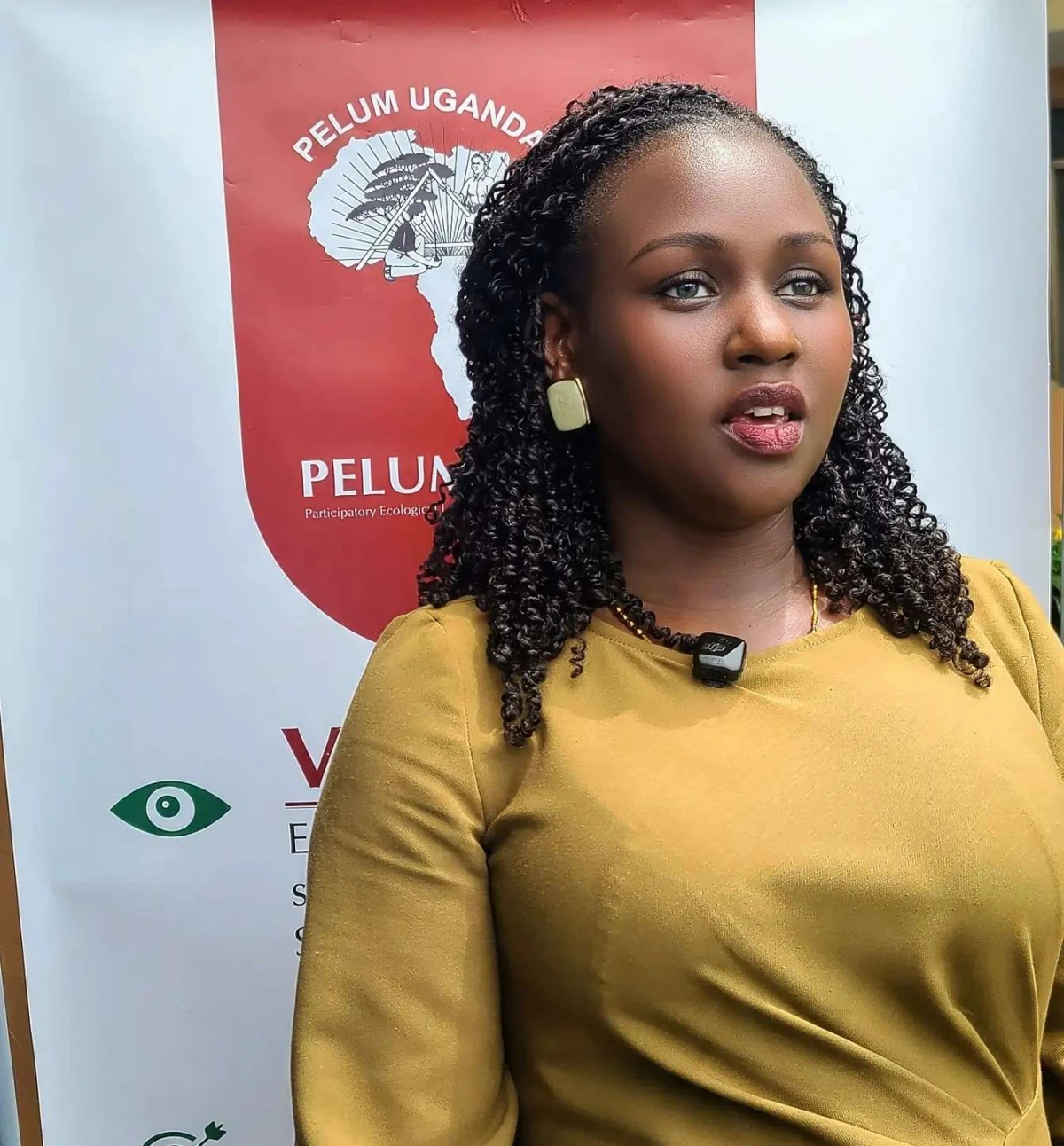
PELUM Uganda Country Coordinator Josephine Akia Luyimbazi said the organisation expects the gathering to produce commitments that can translate into tangible improvements for farmers and agricultural enterprises.
“Our ambition is to move beyond dialogue towards practical commitments that strengthen agroecology, improve livelihoods, and contribute to a resilient and inclusive food future for Uganda,” she said.
Following the event, PELUM Uganda and its partners plan to use media engagement, digital platforms and documentation of farmers’ experiences to sustain public awareness and monitor commitments made during the week.
The initiative also seeks to strengthen cooperation among farmers, policymakers, researchers, businesses and consumers in building agricultural systems that are environmentally sustainable and economically viable.

Benjamin Mwibo is a talented, passionate and creative journalist with a commitment to high quality out put that is factual and researched. Above all Dedicated with a strong desire to identify the truth of the matter.











Comments (0)