
Uganda, South Sudan sign trade MOU, pledge to fix border bottlenecks
Uganda and South Sudan sign a Trade MOU at the 2nd Business Forum in Kampala, with Minister David Bahati pushing for balanced trade, local production and easier cross-border commerce.
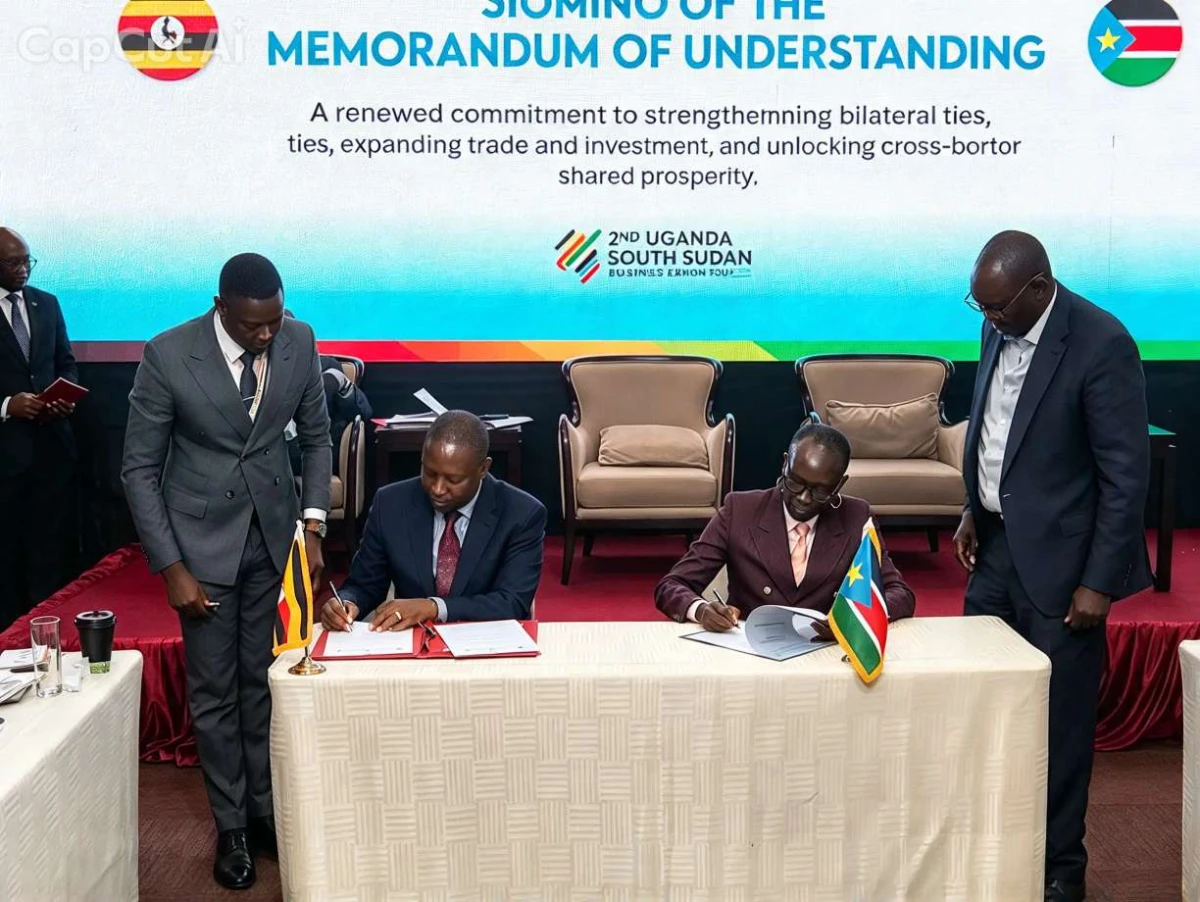
Uganda and South Sudan have signed a Memorandum of Understanding (MoU) on Trade, as the two countries wrapped up the Second Uganda–South Sudan Business Forum and Exhibition with a pledge to turn years of political and economic ties into concrete trade and investment gains.
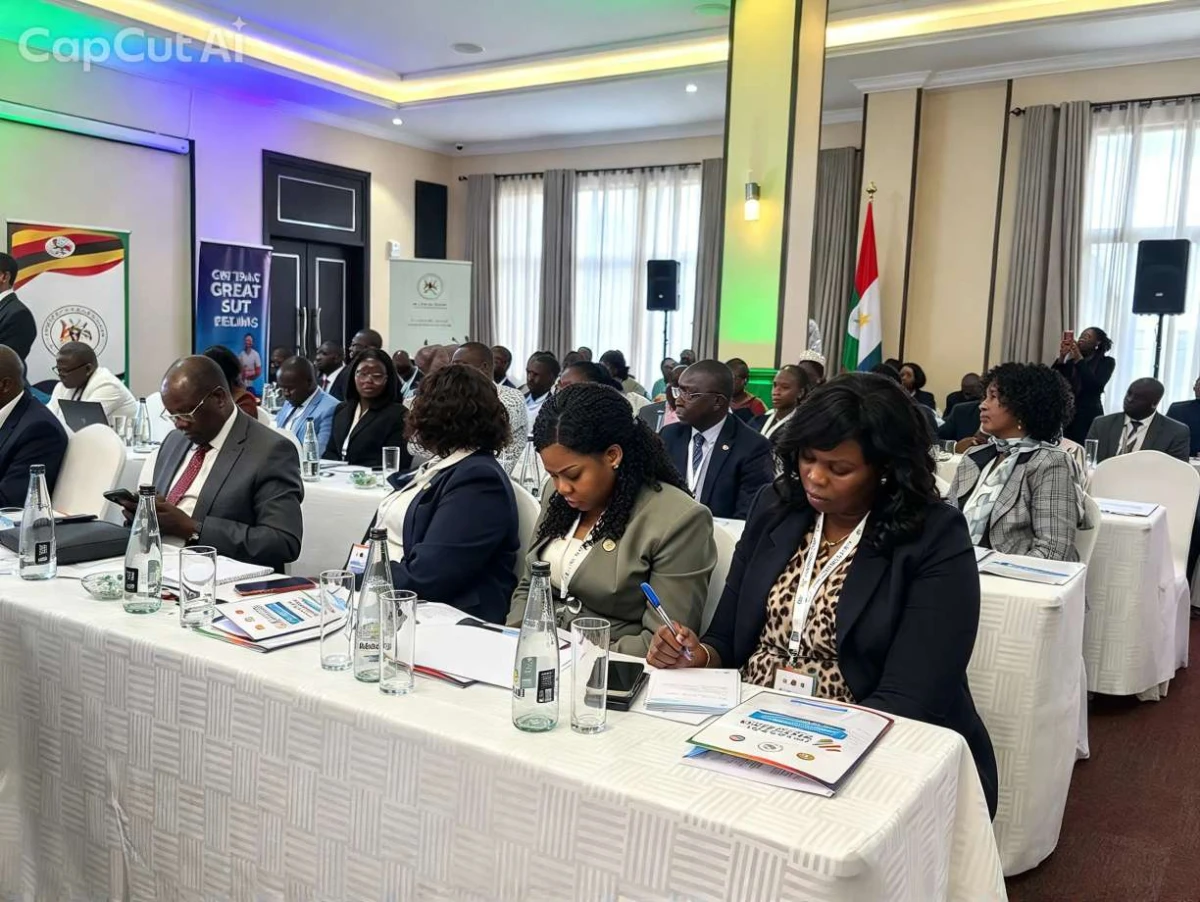
The forum, held on Wednesday at Mestil Hotel under the theme "Easing the Cost of Doing Business and Unlocking Regional Market Opportunities for Uganda and South Sudan," was spearheaded by the Embassy of Uganda in South Sudan in collaboration with Uganda's Ministry of Trade, Industry and Cooperatives.
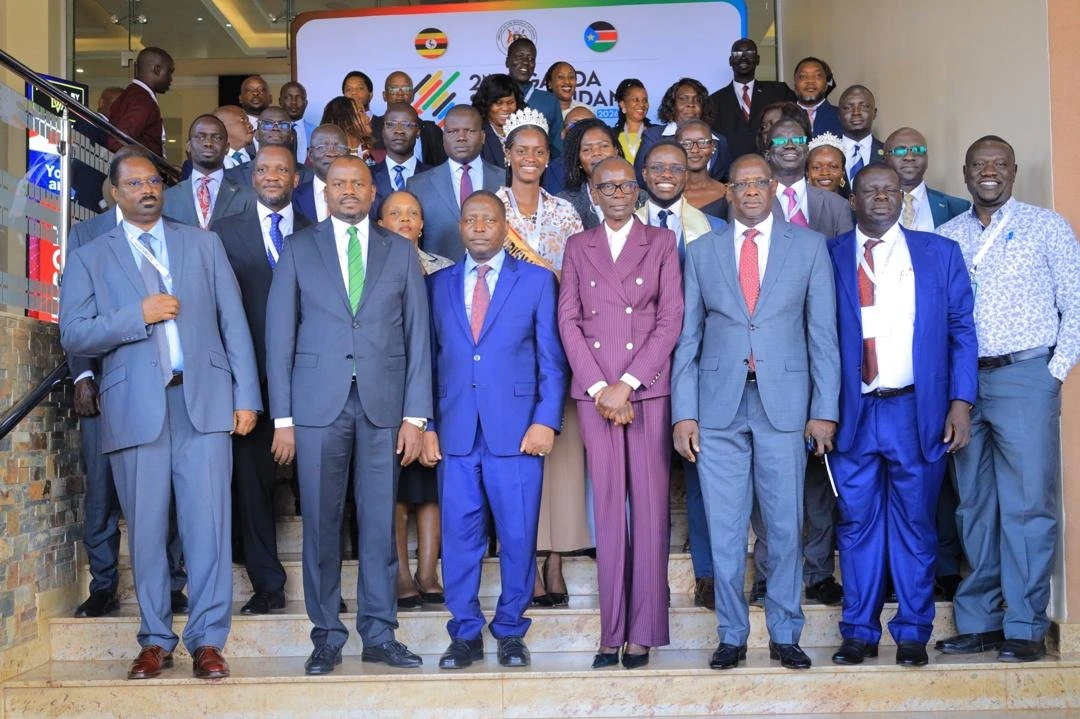
The MoU provides a framework for sustained engagement, improved market access and private-sector partnerships between the two countries.
Minister of State for Foreign Affairs (Regional Cooperation), Haruna Kyeyune Kasolo, opened the meeting officially, calling for sustained collaboration between the two governments, urging both sides to translate the engagements from the forum into tangible business partnerships and increased cross-border trade.
South Sudan's Minister of Trade and Industry, Dr. Labanya Margaret Mathya Ugila, who led a delegation from South Sudan to the forum, reaffirmed in her speech the importance of Uganda–South Sudan trade in advancing economic development and strengthening longstanding ties.
She called for closer cooperation on product quality, certification and standards, stronger regional trade corridors, and policies that facilitate cross-border commerce, while highlighting the private sector's role in job creation and growth.
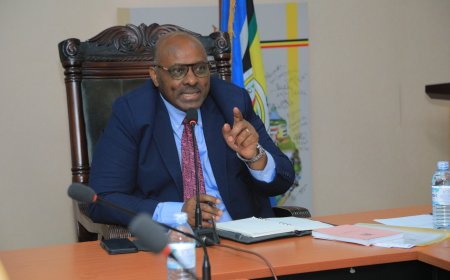
Uganda's Minister of Trade, Industry and Cooperatives, David Bahati, described South Sudan as a natural trading partner and made the case for deeper regional cooperation.
He pointed to an imbalance in reported trade Uganda's exports to South Sudan stood at $524 million against $22 million in the other direction as reason to work toward more balanced trade.
Bahati called for more local production rather than relying on the region mainly as a route for imported goods, advocating for import substitution, export promotion and increased trade in goods made within the two countries.
He also pointed to Uganda's iron-ore reserves, saying turning natural resources into finished industrial products would require substantial energy capacity to support local steel production and wider industrialisation.
On trade facilitation, Bahati cited e-permit delays, repeated cargo checks, multiple checkpoints, unofficial charges, inconsistent clearance procedures and gaps in coordinated border infrastructure as barriers to cross-border trade. He called for greater transparency in the e-permit process and better coordination at the border.
He said the MoU should lead to practical results, noting that it was presented as a basis for consultation, information-sharing, trade promotion and investment facilitation. Bahati stressed that its success should be judged by a reduction in trade barriers, realised investments, new businesses and jobs not by the signing ceremony alone.

Benjamin Mwibo is a talented, passionate and creative journalist with a commitment to high quality out put that is factual and researched. Above all Dedicated with a strong desire to identify the truth of the matter.














Comments (0)