
EAC States Unite on Regional Strategy to Tackle Looming El Niño Threat
Uganda was represented by a delegation from the Ministry of Agriculture, Animal Industry and Fisheries (MAAIF), led by the Minister of State for Animal Industry, Hon. Bright Rwamirama.
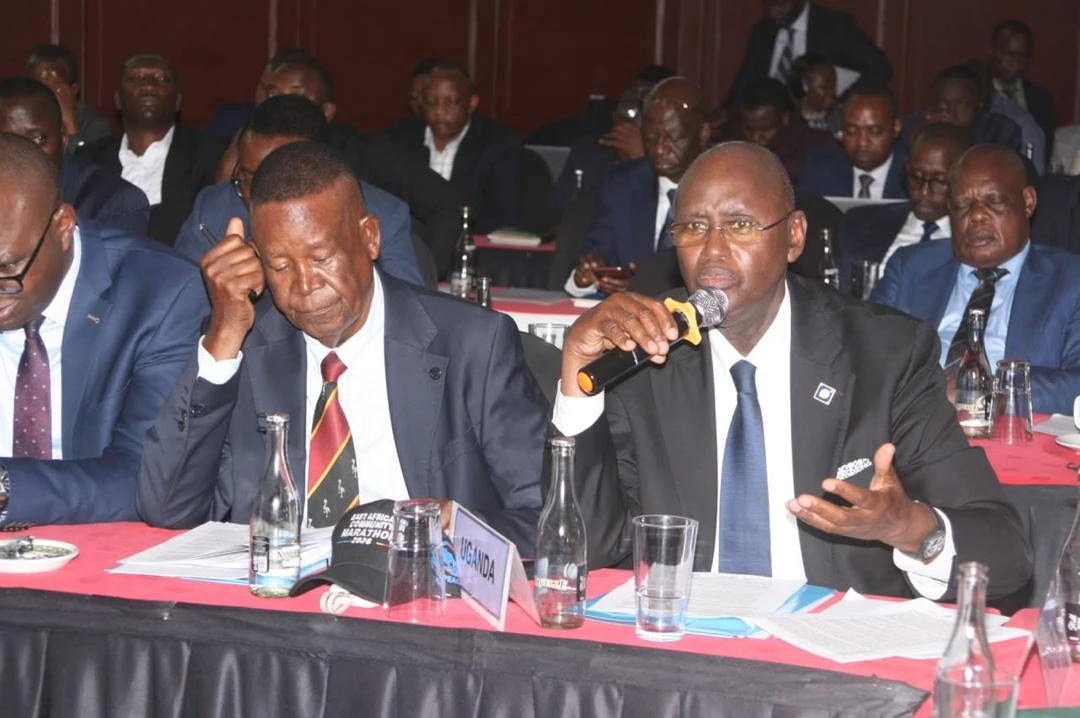
East African Community (EAC) Partner States have adopted a joint El Niño Preparedness and Response Plan aimed at strengthening regional coordination and protecting lives, livelihoods and food security amid preparations for the anticipated weather phenomenon.

The agreement was reached during an Extraordinary Joint Sectoral Council on Cooperation in Defence, Inter-State Security and Foreign Policy Coordination, convened by the EAC Secretariat from November 2 to 6, 2026.
The five-day meeting brought together representatives from EAC Partner States to deliberate on regional preparedness, assess potential risks associated with El Niño and agree on coordinated interventions to minimise its anticipated impact on communities and national economies.
Uganda was represented by a delegation from the Ministry of Agriculture, Animal Industry and Fisheries (MAAIF), led by the Minister of State for Animal Industry, Hon. Bright Rwamirama.
Rwamirama was accompanied by the Ministry's Undersecretary, Ms. Aacha Mary Orikiriza, and the Assistant Commissioner for Nutrition, Food and Animal Feed Security Investment, Mr. Julius Twinamasiko.

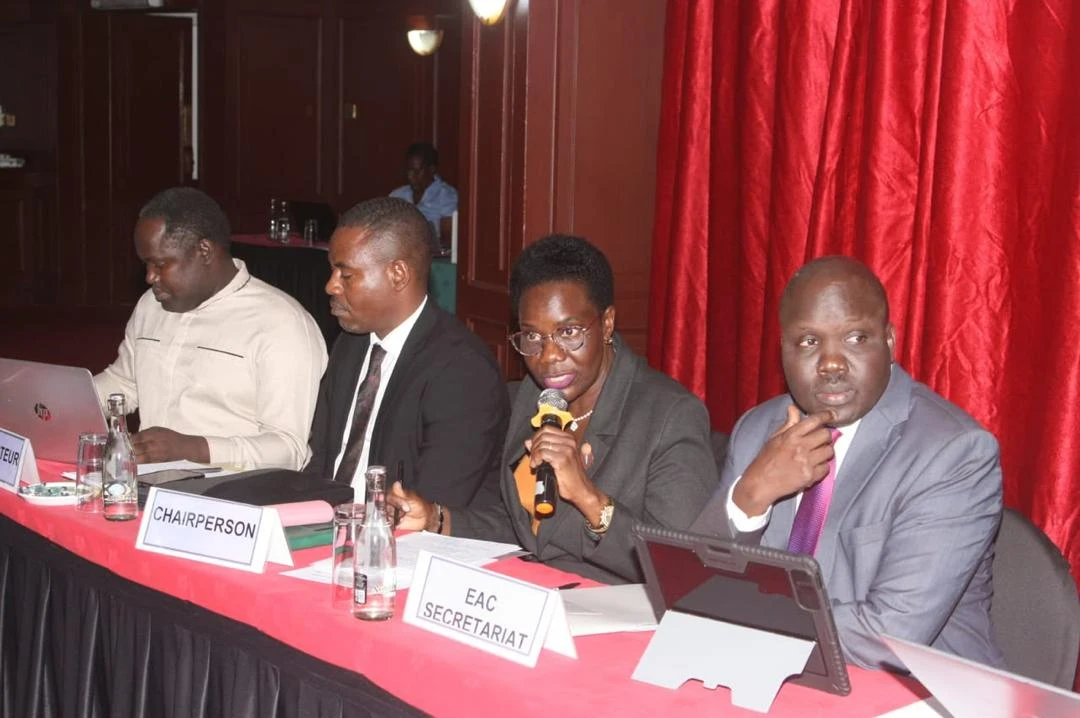
Uganda played a significant leadership role throughout the deliberations, with its representatives chairing key meetings at expert, senior officials, permanent secretaries and ministerial levels.
Mr. Twinamasiko chaired the Meeting of Experts and Senior Officials, where technical discussions and recommendations on regional preparedness were considered.
Ms. Orikiriza subsequently chaired the Meeting of Permanent Secretaries, while the First Deputy Prime Minister and Minister for East African Community Affairs, Rt. Hon. Rebecca Alitwala Kadaga, presided over the Ministerial Session.
The involvement of Ugandan officials in steering the different levels of the meeting highlighted the country's active contribution to regional efforts aimed at strengthening disaster preparedness and climate resilience.
Regional Partners Adopt Two-Month Implementation Framework
During the meeting, the Council reviewed the report presented by experts and adopted the El Niño Preparedness and Response Report, which provides recommendations for implementation by all EAC Partner States and the EAC Secretariat over the next two months.
The recommendations are intended to guide collective action, strengthen preparedness mechanisms and ensure that Partner States take timely measures to reduce the potential humanitarian, environmental and economic consequences of El Niño.
The adoption of the report marks an important step towards establishing a coordinated regional response, recognising that weather-related disasters can affect several countries simultaneously and disrupt cross-border economic activities, food supply chains and livelihoods.
Agriculture and Food Security Among Major Concerns
El Niño is a climate phenomenon associated with the periodic warming of ocean surface temperatures in the central and eastern tropical Pacific, which influences weather patterns in different parts of the world.
In East Africa, El Niño episodes can be associated with unusually heavy rainfall, increasing the likelihood of flooding, landslides, soil erosion and destruction of infrastructure.
The agricultural sector remains particularly vulnerable to such weather extremes because excessive rainfall can destroy crops, damage farmland, disrupt planting and harvesting seasons and increase post-harvest losses.
Livestock production can also be affected through the destruction of grazing areas, flooding of animal shelters, restricted access to water and pasture, and increased exposure to livestock diseases.
Furthermore, flooding can contaminate water sources, damage sanitation facilities and create conditions favourable for the spread of waterborne diseases, posing additional risks to communities.
These potential challenges make early preparedness critical, particularly for countries such as Uganda, where agriculture remains a major source of employment, household income and food supply.
MAAIF Steps Up Preparedness for Farmers and Livestock Keepers
Following the regional deliberations, MAAIF is working with the EAC, government agencies, local governments and development partners to strengthen preparedness and ensure that Uganda's farmers, livestock keepers and fisherfolk are adequately informed and equipped to manage potential weather-related risks.
The Ministry is emphasising the importance of timely information and practical guidance to help agricultural communities make informed decisions and protect their investments against possible losses.
Farmers have been encouraged to closely follow weather forecasts and advisories issued by the Uganda National Meteorological Authority (UNMA) and seek additional guidance from agricultural extension officers in their respective communities.
Access to reliable weather information is essential in helping farmers make appropriate decisions regarding planting schedules, crop management, drainage, soil and water conservation, livestock management and other agricultural activities.
For livestock keepers, early preparedness and appropriate animal management practices can help reduce exposure to flooding, disease outbreaks and disruptions in access to pasture and water.
The Ministry's engagement with local governments and development partners is also expected to strengthen the dissemination of preparedness information to farming communities across the country.
Regional Cooperation Critical in Managing Climate Risks
The joint EAC initiative underscores the importance of regional cooperation in addressing climate-related challenges that transcend national borders.
By adopting a common preparedness and response framework, Partner States are seeking to improve information sharing, strengthen coordination and ensure that interventions are implemented in a timely and complementary manner.
The next two months will be particularly important as countries and the EAC Secretariat work towards implementing the recommendations contained in the adopted report.
For Uganda, the focus remains on translating regional commitments into practical interventions that safeguard agricultural production, protect vulnerable communities and strengthen resilience across the crop, livestock and fisheries subsectors.
The initiative reinforces the importance of early warning systems, preparedness planning and coordinated government action in protecting East Africa's population and economies from the potentially devastating effects of extreme weather events.

John Kusolo is a Pastor, Sports Enthusiast and Ugandan journalist with Nile Chronicles News (NCN). With a strong commitment to journalistic excellence, he is recognized for his dedication, goal-oriented approach, and ability to thrive in challenging environments. Kusolo brings focused motivation and professionalism to his reporting and media assignments.
















Comments (0)