
Kumumanya Says LC Elections Renew Hope for Effective Local Governance
In an opinion published on Wednesday, September 9, 2026, titled “LC Polls Open New Chapter for Grassroots Governance,” Kumumanya said the conclusion of the parish/ward and village-level LC elections marks another important stage in strengthening democracy, accountability and citizen participation in Uganda.
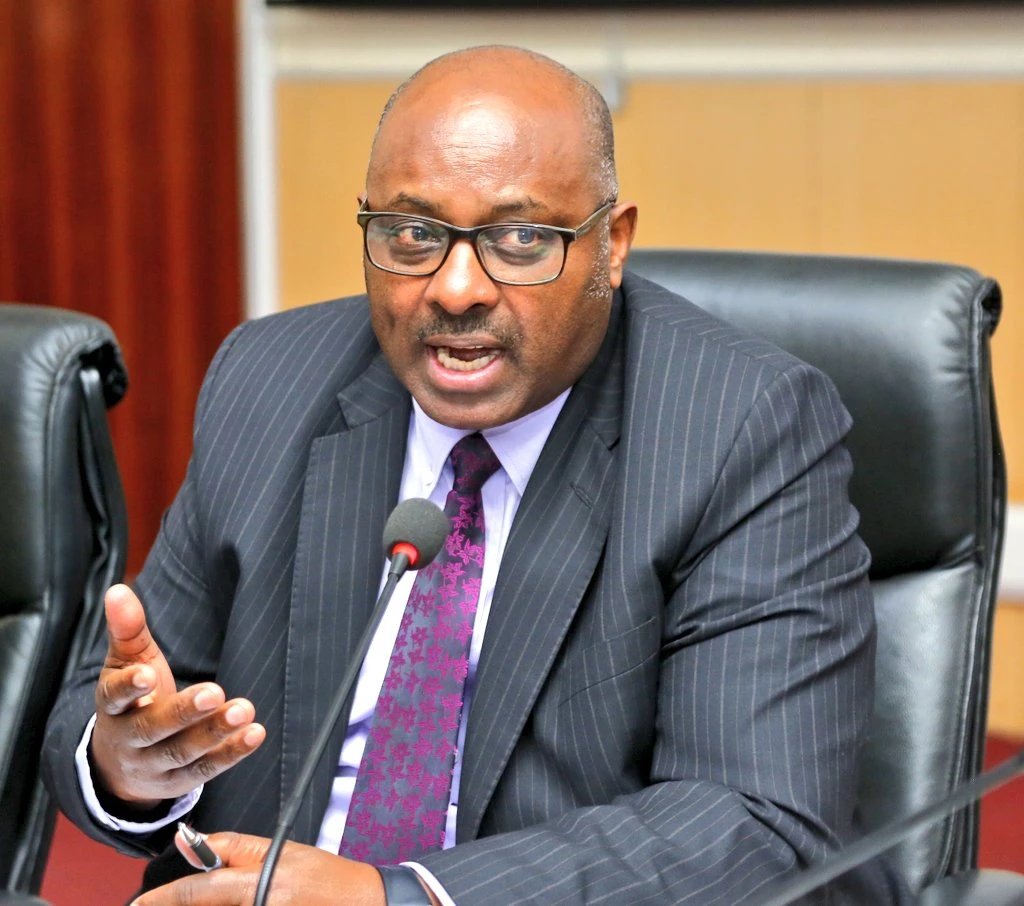
The Permanent Secretary in the Ministry of Local Government, Ben Kumumanya, has described the conclusion of the Local Council (LC) I and LC II elections as a major milestone in Uganda’s decentralisation journey, saying the newly elected grassroots leaders have an important responsibility to bring government closer to citizens.
In an opinion published on Wednesday, September 9, 2026, titled “LC Polls Open New Chapter for Grassroots Governance,” Kumumanya said the conclusion of the parish/ward and village-level LC elections marks another important stage in strengthening democracy, accountability and citizen participation in Uganda.
He argued that the elections should not merely be viewed as the filling of political positions but as an opportunity to renew Uganda’s grassroots governance system and strengthen the connection between citizens and government.
Kumumanya noted that Uganda has one of the most important mechanisms for bringing government leadership, decision-making and accountability closer to the people through its decentralised local government structure.
“The recently-concluded LC1 and LC2 elections, therefore, represent more than just the election of parish/ward and village/ cell leaders. They represent the renewal of the grassroots structures through which citizens participate in identifying their priorities, monitoring public services, resolving local challenges and holding leaders accountable,” he said.
The Permanent Secretary said the strength of Uganda’s decentralisation system lies in ensuring that citizens are not simply recipients of government programmes but active participants in determining how their communities are governed and developed.
He said the scale of the grassroots leadership structure demonstrates the importance attached to community participation, noting that Uganda has thousands of village and parish/ward administrative units spread across the country.
According to Kumumanya, the large number of elected positions also means that a significant number of Ugandans now have an opportunity to directly participate in leadership and public administration at the lowest levels of government.
He said this creates a strong foundation for inclusive governance because local leaders are expected to understand the challenges facing their communities and communicate citizens’ concerns to higher levels of government.
Clearly Defined Roles for LC Leaders
Kumumanya also highlighted the extensive responsibilities assigned to LC I and LC II executive committees, saying the structure is deliberately designed to ensure that different aspects of community life are addressed.
He explained that an LC executive committee includes the chairperson, vice chairperson, general secretary and secretaries responsible for areas such as finance, security, production and environmental protection, information, education and communication, youth, women, persons with disabilities and older persons.
The Chairperson provides leadership, co-ordination and guidance to the executive committee and represents the interests of the community.
The Vice Chairperson assists the chairperson and assumes responsibilities assigned by the chairperson, while the General Secretary co-ordinates administrative work, maintains records and supports the effective implementation of council decisions.
The Secretary for Finance is responsible for promoting financial accountability and proper management and oversight of resources at the local level.
Kumumanya further explained that the Secretary for Production and Environmental Protection is expected to mobilise communities to participate in productive activities, improve household incomes and protect the environment.
The Secretary for Youth is tasked with representing and promoting the interests of young people and encouraging their participation in community activities.
Similarly, the Secretary for Women Affairs represents women’s interests and helps coordinate community initiatives in areas such as public health, sanitation, including sensitisation on hygiene and other activities that promote community wellbeing.
The Secretary for Persons with Disabilities is expected to ensure that the concerns, rights and development needs of persons with disabilities are represented in local government and community programmes.
There is also responsibility for older persons, with their representative expected to promote their participation and inclusion in community affairs.
Grassroots Governance Beyond Elections
According to Kumumanya, the division of responsibilities demonstrates that LC I and LC II structures are much more than electoral arrangements.
He described them as a comprehensive grassroots governance mechanism in which different leaders have specific responsibilities addressing the social, economic, environmental and administrative needs of communities.
He said the structure creates an opportunity for citizens to become actively involved in governance while ensuring that leadership responsibilities are distributed across different areas of community life.
“This clear division of responsibilities demonstrates that the LC1 and LC2 structure is not merely an electoral arrangement. It is a comprehensive grassroots governance mechanism in which different leaders have specific responsibilities that collectively address the social, economic, environmental and administrative needs of communities,” Kumumanya said.
The Permanent Secretary emphasised that the real value of the structures will ultimately depend on how effectively elected leaders perform their responsibilities after taking office.
He said the parish and village leadership structures are particularly important because they are closest to citizens and therefore have a better understanding of the challenges affecting communities.
Local Leaders Expected to Support Government Programmes
Kumumanya said LC leaders have a critical role in helping citizens understand and participate in government programmes.
Because of their proximity to communities, he said, the leaders are well positioned to mobilise residents, explain government interventions and identify challenges affecting implementation.
He cited responsibilities relating to security, peace and stability, production, environmental conservation, youth empowerment, women's affairs, disability inclusion and the welfare of older persons.
The local leaders are also expected to support the maintenance of law and order by working with security agencies and community members to identify emerging threats and promote peaceful communities.
The Secretary for Security, for instance, is expected to work with relevant authorities and communities to promote security, peace and stability within the parish or ward.
Kumumanya said this makes LC leaders important partners in the implementation and monitoring of government programmes at the grassroots.
Accountability and Service Delivery
The Permanent Secretary further stressed the importance of accountability among newly elected leaders. He said local leaders must understand that their offices are intended to serve communities rather than provide opportunities for personal benefit.
He urged them to work closely with citizens, technical officers, higher local government councils and other stakeholders to ensure that government programmes translate into tangible improvements in people's lives.
Kumumanya said the success of decentralisation ultimately depends on the effectiveness of the structures created by government and, more importantly, on the people who occupy those structures.
The emphasis on accountability comes amid broader efforts by the Ministry of Local Government to strengthen oversight and improve service delivery across local governments. The Ministry has also been stressing the personal responsibility of local government leaders in the management of public resources.
Citizens Remain at the Centre
Kumumanya noted that while LC I and LC II leaders occupy important leadership positions, their authority is ultimately intended to facilitate citizen participation.
He said the newly elected leaders should therefore remain accessible to the people and regularly engage communities in identifying priorities and solving problems.
He urged leaders to listen to residents, work with technical officers and cooperate with higher local government authorities whenever challenges require interventions beyond their level.
“The parish and village leadership structures are particularly important in monitoring government programmes. Leaders at these levels are closest to citizens and are, therefore, best-positioned to identify challenges in implementation of programmes such as the Parish Development Model and other government interventions,” he said.
A New Opportunity for Grassroots Transformation
Kumumanya described the successful completion of the elections as an opportunity to strengthen Uganda’s decentralisation system and deepen citizen participation in governance.
He congratulated the newly elected LC I and LC II leaders and called upon them to uphold integrity, accountability, inclusiveness and service to the people.
He said the responsibility of grassroots leaders goes beyond those who voted for them, stressing that they are expected to serve the entire community regardless of political, social or other differences.
The Permanent Secretary also encouraged citizens to work closely with their elected leaders and hold them accountable for the responsibilities entrusted to them.
The Ministry of Local Government, he said, remains committed to supporting local councils through policy guidance, institutional support and collaboration so that the grassroots governance system can effectively contribute to national development.
Kumumanya's position is consistent with his earlier call for LC I and LC II structures to serve as the foundation of participatory democracy, accountability and community development, particularly through citizen involvement in government programmes, dispute resolution, security and monitoring of public services.
He concluded that the success of the newly elected councils will ultimately be measured not by the positions their members occupy, but by the extent to which they improve the lives of the people they have been elected to serve.
The message from the Ministry is therefore clear: the completion of the LC elections is not the end of the process—it is the beginning of a new chapter in grassroots governance, with citizens, leaders and government expected to work together to turn decentralisation into meaningful development.

John Kusolo is a Pastor, Sports Enthusiast and Ugandan journalist with Nile Chronicles News (NCN). With a strong commitment to journalistic excellence, he is recognized for his dedication, goal-oriented approach, and ability to thrive in challenging environments. Kusolo brings focused motivation and professionalism to his reporting and media assignments.















Comments (0)