
Sironko Woman MP Asha Mafabi Nabulo Raises Alarm Over Rising Malaria Cases in Schools
Speaking during Wednesday's plenary sitting of Parliament, Hon. Nabulo expressed concern over the increasing prevalence of malaria in the country, particularly among school-going children, noting that outdated statistics no longer reflect the current reality.
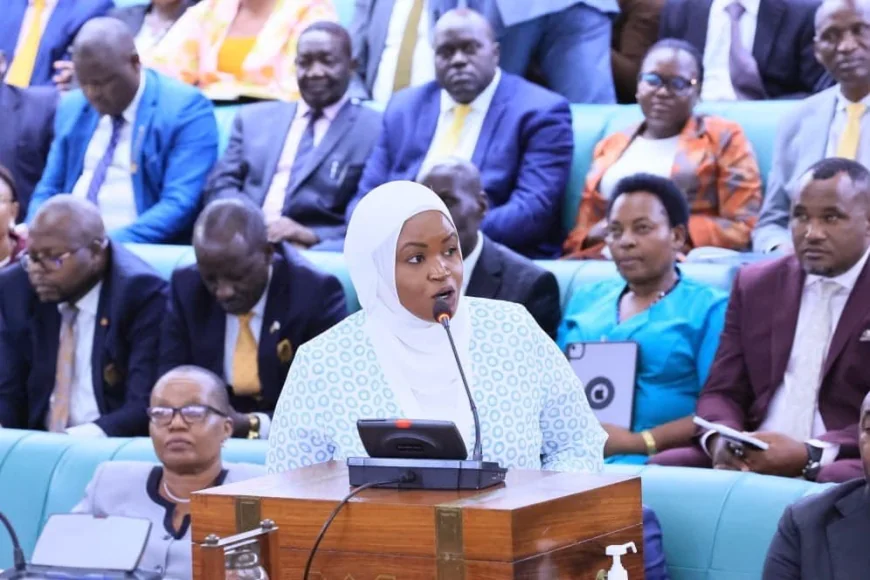
Kampala, Uganda – Sironko District Woman Member of Parliament, Hon. Asha Mafabi Nabulo, has called on the government to urgently strengthen malaria diagnosis and treatment in schools, warning that inadequate management of the disease among learners is contributing to Uganda's growing malaria burden.
Speaking during Wednesday's plenary sitting of Parliament, Hon. Nabulo expressed concern over the increasing prevalence of malaria in the country, particularly among school-going children, noting that outdated statistics no longer reflect the current reality.
"I need to clarify that the prevalence is no longer 10 percent. Those were statistics of 2019, and it has actually increased," she told Parliament.
Her remarks came as legislators debated the country's escalating malaria burden amid reports of rising infections and deaths among children resulting from severe malaria and delayed treatment.
Schools Becoming Major Centres of Malaria Cases
Hon. Nabulo observed that a significant number of malaria cases are now being reported in both primary and secondary schools, where learners often receive inadequate medical attention.
"Many of these malaria cases are actually in schools, secondary schools and primary schools. Like my colleague has mentioned, the treatment method is where the problem is," she said.
The legislator highlighted worrying practices in some schools where learners presenting symptoms such as fever, headaches and body weakness are given painkillers like Panadol without undergoing proper malaria testing.
"They give them Panadol for headaches alone," she said.
According to her, this approach delays the administration of appropriate treatment, increasing the risk of complications, severe malaria and, in some cases, death.
Call for Improved School Health Services
Hon. Nabulo urged the government, particularly the Ministries of Health and Education and Sports, to improve malaria case management in educational institutions by ensuring schools have:
Functional sick bays and health units;
Access to rapid diagnostic test kits for malaria;
Adequate stocks of antimalarial medicines;
Trained health personnel or nurses to attend to sick learners;
Strong referral systems to nearby health facilities.
She emphasized that early diagnosis and treatment are critical in preventing severe illness and reducing absenteeism among learners.
School-Going Children Identified as Major Reservoirs of Malaria
Parliament also heard that school-going children play a significant role in sustaining malaria transmission in communities.
Research findings indicate that many children carry malaria parasites without showing symptoms, making them a major reservoir for transmission. Because they often remain untreated, mosquitoes that bite them can spread the infection to other members of the community.
Health experts say targeting school-going children with effective prevention and treatment strategies could significantly reduce malaria transmission nationwide.
Concerns Over Blood Group Susceptibility
During her submission, Hon. Nabulo also referred to observations suggesting that individuals with blood group O positive appear to be more vulnerable to mosquito bites and malaria infection.
"Unfortunately, blood group O positive are also very prone to mosquito bites and malaria," she said.
While studies have shown varying interactions between blood groups and malaria susceptibility, health experts maintain that everyone remains at risk of contracting malaria and should adhere to preventive measures such as sleeping under insecticide-treated mosquito nets and seeking prompt treatment when symptoms occur.
Uganda's Growing Malaria Burden
Uganda remains one of the countries most affected by malaria globally. The disease continues to be a leading cause of illness and death, particularly among children under five years and pregnant women.
Findings from the Uganda Malaria Indicator Survey 2024–2025 indicate that malaria parasite prevalence among children aged six to 59 months has risen to approximately 21 percent, up from 9 percent recorded in the 2018–2019 survey.
The increase has raised concern among policymakers and health experts, who warn that delayed treatment, poor health-seeking behaviour, and inadequate access to quality healthcare services continue to fuel severe malaria cases and preventable deaths.
Legislators Demand Urgent Action
Several Members of Parliament called for increased investment in malaria prevention and control programmes, including:
Strengthening community sensitisation campaigns; Expanding indoor residual spraying programmes;
Increasing distribution of insecticide-treated mosquito nets;
Improving diagnostic and treatment services in schools and health facilities;
Enhancing surveillance and response mechanisms.
The legislators stressed that tackling malaria requires a coordinated approach involving government agencies, schools, parents, communities and development partners.
As Uganda continues to grapple with the disease, Hon. Asha Mafabi Nabulo's appeal has renewed attention on the need to prioritise school health systems and ensure learners receive timely diagnosis and effective treatment to prevent avoidable illness and deaths from malaria.

John Kusolo is a Pastor, Sports Enthusiast and Ugandan journalist with Nile Chronicles News (NCN). With a strong commitment to journalistic excellence, he is recognized for his dedication, goal-oriented approach, and ability to thrive in challenging environments. Kusolo brings focused motivation and professionalism to his reporting and media assignments.












Comments (0)