
UGANDA JOINS GLOBAL FREEDOM FROM DEBT CAMPAIGN AS CIVIL SOCIETY SOUNDS ALARM OVER UGX 130 TRILLION DEBT BURDEN
CSBAG and AHF Uganda Cares launch national initiative demanding debt justice, transparent borrowing and protection of health and education spending as debt servicing hits UGX 33.6 trillion
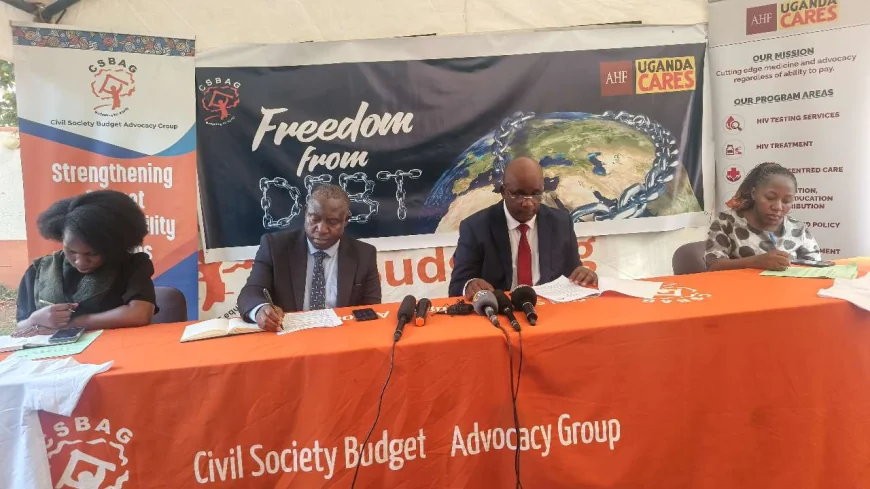
Uganda's public debt is barrelling toward UGX 130 trillion in the 2026/27 financial year, and the country will spend more than UGX 33.6 trillion servicing it money that civil society organisations say should be building hospitals, paying teachers and feeding children instead of flowing back to creditors.
It was against that backdrop that the Civil Society Budget Advocacy Group, in partnership with AHF Uganda Cares, on Wednesday launched the Freedom from Debt Campaign in Uganda, bringing the country into a growing global movement demanding debt justice, fiscal accountability and a fundamental overhaul of the international financial architecture that campaigners say keeps developing nations permanently indebted and permanently disadvantaged.
The launch, held at CSBAG premises in Kampala, drew advocates, health experts, economists and journalists into a conversation about who benefits from the current debt system, who pays the price, and what Uganda and other developing nations must demand in response.
Henry Magala of AHF Uganda Cares set the global scale of the crisis in stark terms. More than 3.3 billion people worldwide, he told journalists, live in countries that spend more on debt interest payments than on health or education. Over 45 countries allocate more to debt servicing than to healthcare.
The Freedom from Debt Campaign, he said, reframes sovereign debt not as a technical fiscal matter but as a human rights emergency. Nations should not be forced to choose between paying creditors and keeping their citizens alive.
Uganda's numbers reflect that global crisis with uncomfortable precision. Public debt is projected to reach UGX 130 trillion in the coming financial year, with total debt servicing obligations of UGX 33.6 trillion, including approximately UGX 14.1 trillion in interest payments alone and UGX 4.18 trillion in loan amortisation.
The growing burden, campaigners warned, threatens fiscal sustainability, undermines service delivery and places Uganda's long-term development trajectory at serious risk.
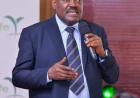
CSBAG Executive Director Julius Mukunda was direct about where the problem begins. The architecture through which loans are acquired and managed remains fundamentally unfair, he said.
African countries contribute just four percent of global carbon emissions yet are forced to borrow to finance climate solutions designed to address a crisis they did not create. Beyond that structural injustice, he pointed to commitment fees charged on loans that borrowing governments are unable to fully utilise, penalised for money they did not spend, on terms they did not design.
The campaign, Mukunda stressed, is not an argument against borrowing. It is a demand that borrowing be done transparently, accountably and in the genuine service of the people in whose name the debt is contracted.
That distinction matters to the coalition. Every shilling borrowed, the campaigners argue, must deliver measurable outcomes in healthcare, education, agriculture, social protection and employment. Borrowed resources that disappear into inflated contracts, unutilised loans and opaque transactions represent not just financial waste but a direct assault on the rights and futures of ordinary Ugandans who will spend decades repaying them.
The campaign's critique extends to what it describes as the structural inequalities embedded in the global debt system, a reverse flow of wealth from poorer nations to richer ones through debt repayments that undermines sovereignty, drains domestic resources and perpetuates the economic imbalances rooted in the colonial era. When debt servicing consistently outpaces social investment, the coalition argues, it ceases to be a fiscal challenge and becomes a threat to human survival.
Domestically, the coalition is calling for full transparency and public accessibility of borrowing decisions, loan terms and debt-financed project outcomes. All future borrowing must align with Uganda's development priorities and pass rigorous value-for-money assessments.
Parliament must exercise stronger oversight over borrowing proposals, and citizens must be meaningfully engaged in debt-related decisions. Critically, rising debt servicing must not be permitted to crowd out investments in healthcare, education, agriculture and social protection, the very sectors that determine whether ordinary Ugandans thrive or merely survive.
At the global level, Uganda is joining calls for the immediate establishment of a Borrowers' Forum to strengthen collective bargaining power among debtor nations and facilitate knowledge sharing.
The coalition is also demanding automatic debt service pauses during public health emergencies and climate disasters to create fiscal space for urgent response, a one percent global artificial intelligence capital levy dedicated to debt relief and essential public goods including vaccines, food and infrastructure, and a significant scaling up of debt for development swaps that redirect resources toward health, education and infrastructure.
The Freedom from Debt Campaign arrives at a moment when Uganda and much of the developing world are caught between the compounding pressures of climate change, post-pandemic fiscal stress and a global financial architecture that critics say was never designed to serve the interests of the South.
Whether the Ugandan government heeds the coalition's demands or whether the campaign's energy translates into the policy reforms its architects are seeking will depend in large part on whether the public conversation it is trying to start takes hold.

Benjamin Mwibo is a talented, passionate and creative journalist with a commitment to high quality out put that is factual and researched. Above all Dedicated with a strong desire to identify the truth of the matter.












Comments (0)