
Accurate Measurements Key to Uganda’s Economic Transformation, UNBS Says
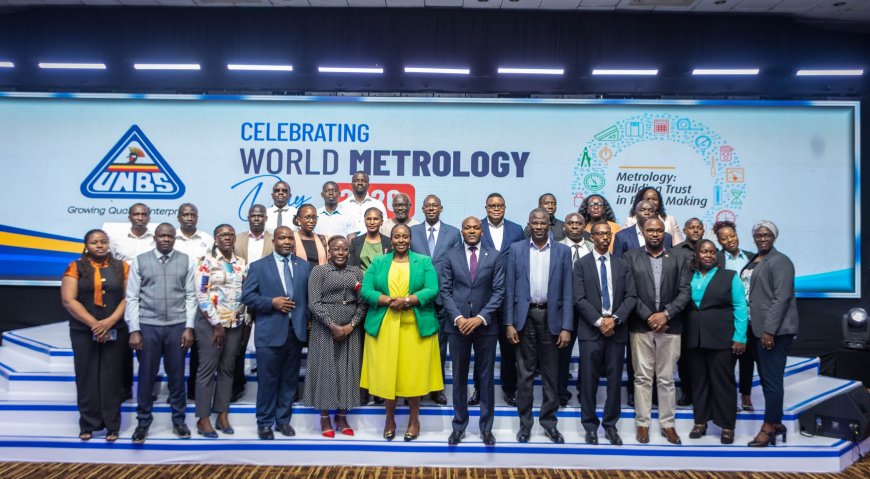
Uganda National Bureau of Standards (UNBS) has underscored the critical role of accurate measurement systems in driving Uganda’s industrialization, trade competitiveness, and evidence-based policymaking during the national commemoration of World Metrology Day held in Kampala on Wednesday, May 20, 2026.
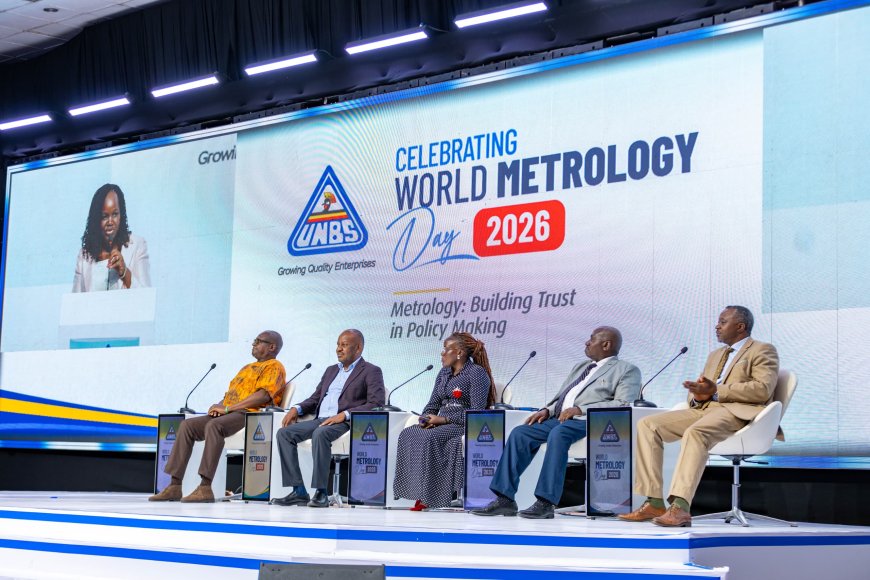
The annual celebration, observed globally under the theme “Metrology: Building Trust in Policy Making,” brought together policymakers, manufacturers, traders, regulators, academia, development partners, and consumers to discuss the importance of measurement science in supporting Uganda’s socio-economic transformation agenda under the Fourth National Development Plan (NDP IV) and the government’s ambitious ten-fold economic growth strategy.
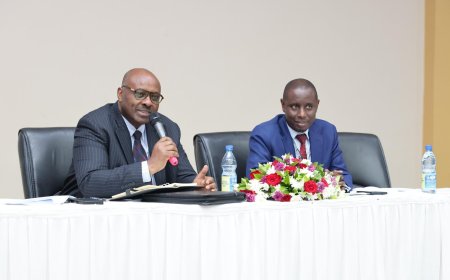
Speaking during the high-level public dialogue, UNBS Executive Director James Kasigwa described metrology as a cornerstone of national development, emphasizing that accurate and reliable measurements are essential in ensuring quality, fairness, safety, innovation, and competitiveness across all sectors of the economy.
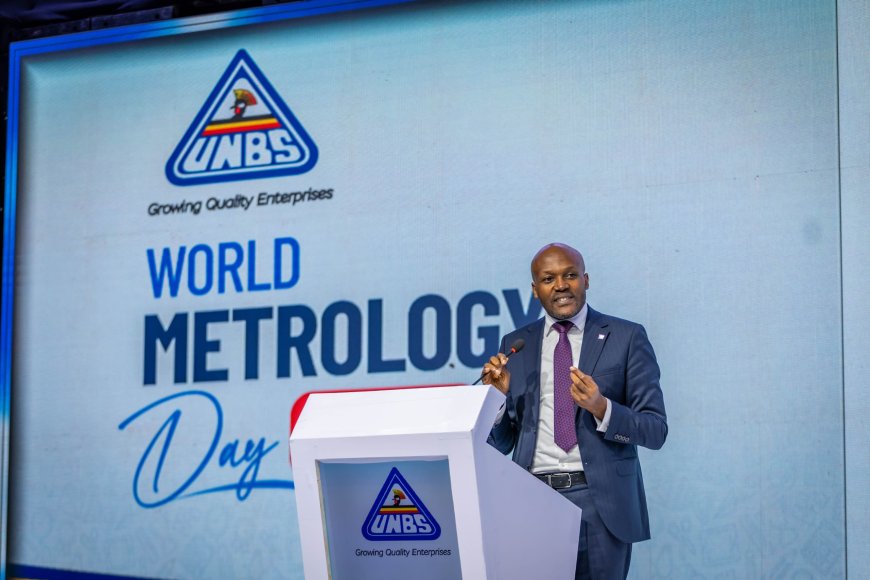
Quoting renowned management consultant Peter Drucker’s famous statement, “You can't manage what you don't measure,” Eng. Kasigwa said Uganda’s industrialization and integration into regional and international markets can only succeed if supported by strong national measurement systems.
“Reliable measurements are essential for fair trade, industrial growth, innovation, public health, environmental sustainability, and consumer protection,” Eng. Kasigwa noted.
He added that government investment in evidence-based policymaking informed by accurate measurements would be vital in accelerating growth in key sectors identified under Uganda’s development strategy, including agro-industrialization, tourism, mineral-based industrial development, science, technology, and innovation.
According to Eng. Kasigwa, every sector of the economy depends on precise measurement systems to maintain standards, improve product quality, and build trust among consumers and international trading partners.
The Permanent Secretary at the Ministry of Trade, Industry and Cooperatives, Lynette B. Bagonza, called for urgent review and modernization of the Legal Metrology Bill 2026 and the Scientific and Industrial Metrology Bill 2026 to align Uganda’s regulatory framework with evolving domestic, regional, and international market demands.
Ms. Bagonza said the proposed laws are intended to establish a modern legal and institutional framework capable of strengthening metrology in trade, industry, and consumer protection.
“We have to review our laws to cater for domestic, regional and international market requirements. Our products should be able to compete favourably on all markets,” she said.
The Executive Director of the Uganda Manufacturers Association, Ezra Muhumuza Rubanda, praised UNBS for organizing the dialogue, noting that it had helped manufacturers appreciate the broader value of metrology services beyond certification.
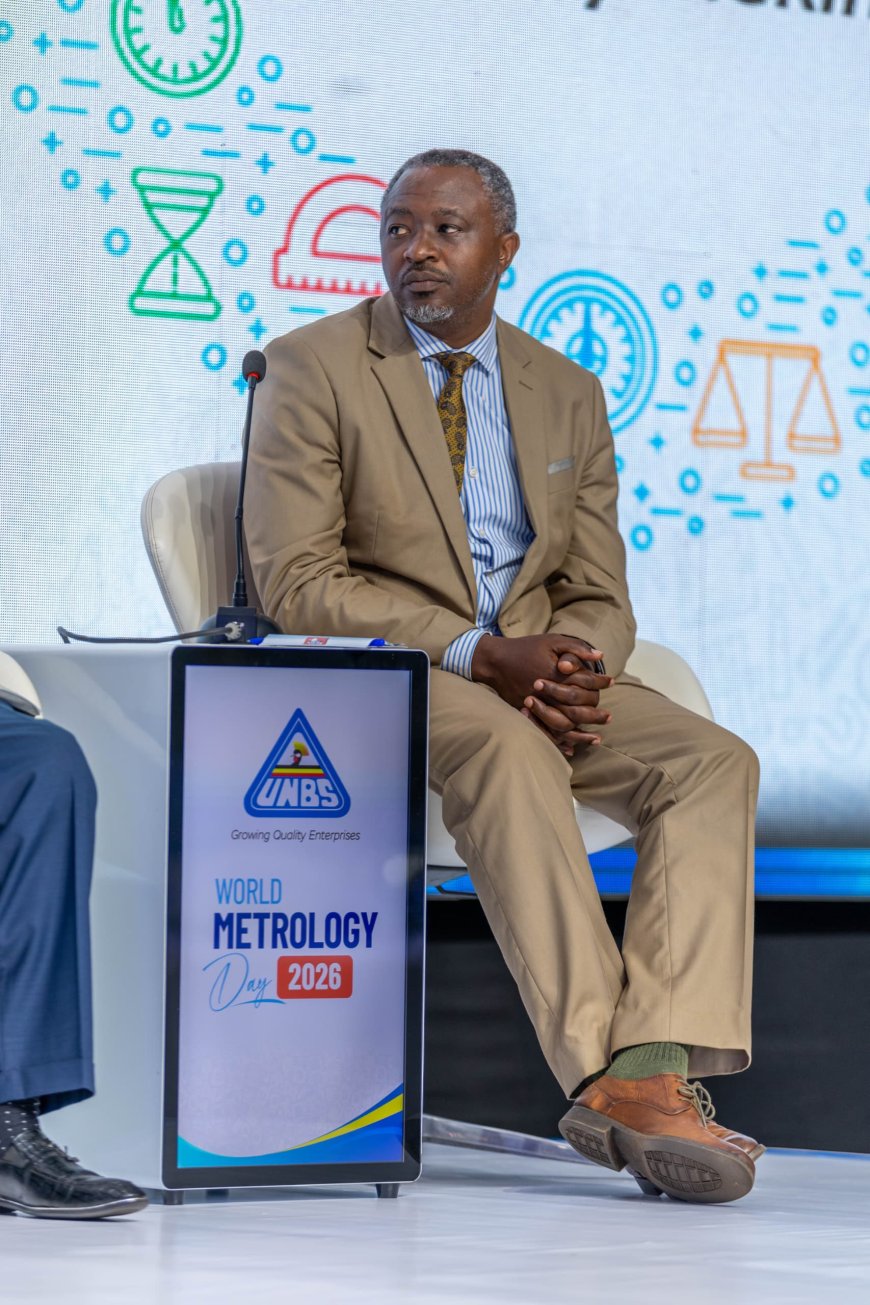
Dr. Rubanda pledged to mobilize manufacturers to work more closely with UNBS in strengthening awareness, compliance, and preparedness regarding metrology standards across Uganda’s industrial sector.
Meanwhile, the Chief Executive Officer of Global Consumer Center - Uganda, Henry Richard Kimera, called for stronger collaboration among stakeholders to improve the quality of goods on the market and enhance consumer protection through effective measurement systems.
Stakeholders at the dialogue also called for increased government investment in the metrology sector, including public awareness campaigns aimed at helping ordinary Ugandans understand the importance of accurate measurements in everyday life, trade, health, and safety.
The Chairperson of the National Standards Council, James Kalibbala, highlighted several milestones achieved by UNBS in strengthening Uganda’s metrology infrastructure and services.
Among the achievements he cited were the establishment of the National Metrology Institute equipped with modern infrastructure and accreditation systems, automation of services through the Metrology Laboratory Information Management System (MET-LIMS), integration of metrological standards into national strategic plans, continuous training of metrologists, and expansion of services through mobile laboratories to reach underserved communities.
World Metrology Day is commemorated annually on May 20 to mark the signing of the Metre Convention in 1875, which laid the foundation for the globally harmonized measurement system used today.
The day recognizes the important contribution of metrology in ensuring accuracy, reliability, fairness, and confidence in measurements that support trade, industrial development, scientific advancement, environmental protection, public health, and consumer safety worldwide.
As Uganda continues to pursue industrial growth and global market competitiveness, stakeholders at the dialogue emphasized that strengthening the country’s measurement systems will remain fundamental in promoting quality assurance, consumer confidence, and sustainable economic development.
Through its metrology services, UNBS continues to support manufacturers, laboratories, regulators, businesses, and consumers by ensuring traceability, accuracy, and international comparability of measurements used across various sectors of Uganda’s economy.

John Kusolo is a Pastor, Sports Enthusiast and Ugandan journalist with Nile Chronicles News (NCN). With a strong commitment to journalistic excellence, he is recognized for his dedication, goal-oriented approach, and ability to thrive in challenging environments. Kusolo brings focused motivation and professionalism to his reporting and media assignments.
















Comments (0)