
East Africa Gears Up for Historic Africa Cup of Nations 2027 as Hon. Moses Magogo Urges United Preparations at Kampala Workshop
The high-level workshop, hosted at Mestil Hotel, brings together key stakeholders from across the East African region to align preparations for the continent’s biggest football tournament, which will, for the first time, be jointly hosted by countries in the region.
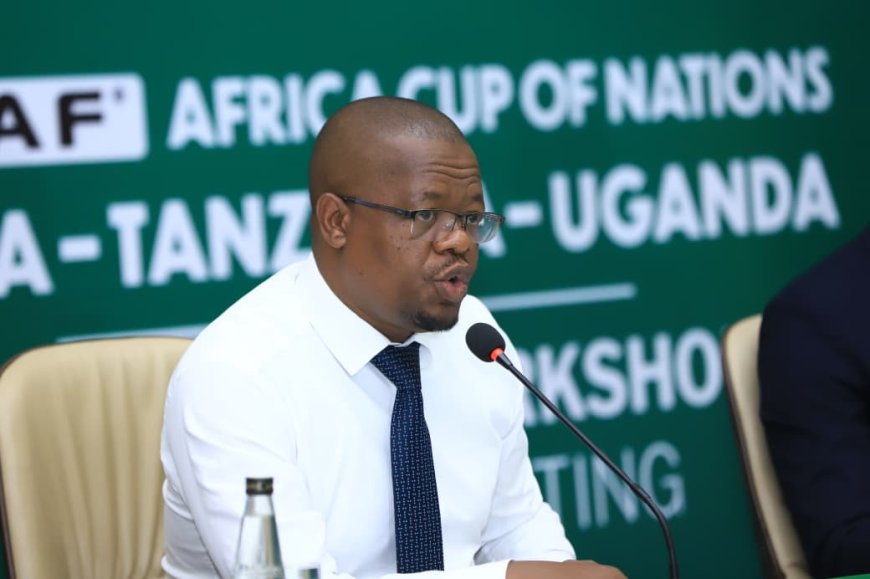
KAMPALA, April 22, 2026 — The President of the Federation of Uganda Football Associations (FUFA), Hon. Eng. Moses Magogo, has called on East African nations to fully embrace the historic opportunity of hosting the Africa Cup of Nations 2027, as the PAMOJA workshop officially commenced in Kampala.
The high-level workshop, hosted at Mestil Hotel, brings together key stakeholders from across the East African region to align preparations for the continent’s biggest football tournament, which will, for the first time, be jointly hosted by countries in the region.
Uganda Welcomes Africat
In his opening remarks, Magogo warmly welcomed delegates, describing Uganda as a second home for African football stakeholders.
“First of all, welcome everybody to Uganda. Uganda is home. It is your home. Even outside this workshop, you are always welcome back,” he said, setting a tone of unity and hospitality.
Governments Back Historic Bid
Magogo expressed appreciation to the Government of Uganda and partner states within the East African Community for backing the region’s successful bid to host AFCON 2027.
He revealed that football leaders across the region engaged their respective governments and Heads of State, securing collective political support that ultimately convinced the Confederation of African Football to award hosting rights to East Africa.
“This is why we are here today,” he noted, emphasizing the significance of the milestone.
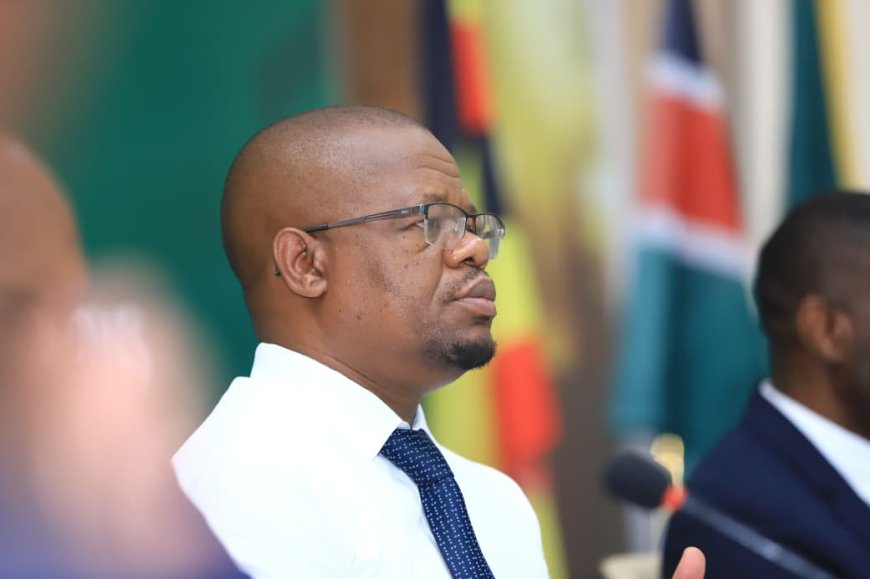
A Long-Awaited Moment for East Africa
Magogo highlighted that AFCON tournaments have traditionally been staged in North, West, and Southern Africa, leaving East Africa largely absent from hosting duties.
“For many years, we would see these events happening in other parts of Africa, but not here in East Africa,” he said, describing AFCON 2027 as a long-overdue breakthrough for the region.
Confidence in Regional Capacity
Despite the historical gap, Magogo expressed unwavering confidence in East Africa’s ability to deliver a successful tournament, pointing out that the region’s main limitations have been opportunity and experience—not capability.
He stressed the importance of learning from CAF’s vast expertise in organizing continental competitions, noting that the knowledge gained will strengthen both international and domestic football structures.
AFCON as a Catalyst for Integration
Beyond football, Magogo described AFCON 2027 as a powerful vehicle for regional integration, aligning with the broader vision of East African leaders.
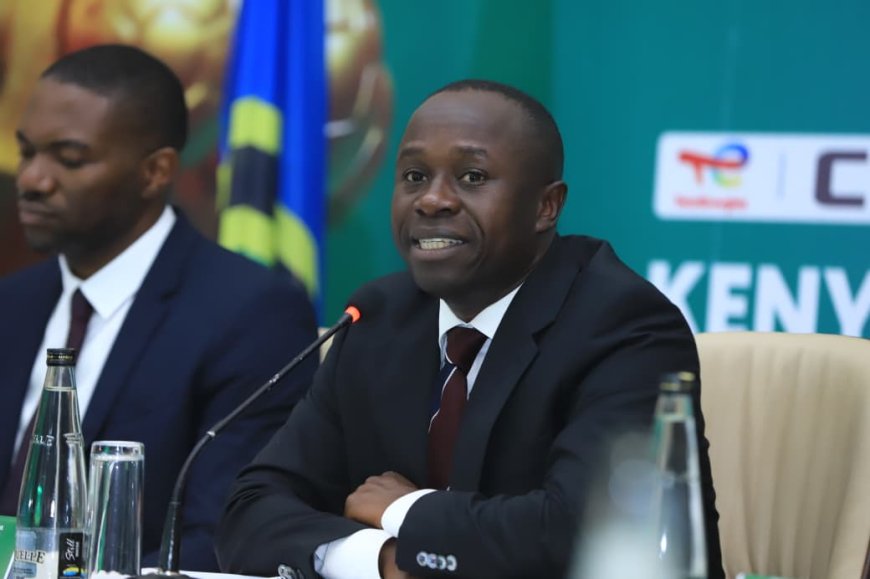
“This is an opportunity to bring East Africa together,” he said, adding that the tournament supports ambitions for deeper economic and social integration, including a common market and shared regional identity.
Beyond the Game: Economic and Social Impact
Magogo underscored the wider benefits of hosting AFCON, pointing to increased tourism, infrastructure development, and economic activity.
Reflecting on the impact of the African Nations Championship, he noted a surge in visitor numbers during the competition, particularly at entry points such as airports.
“Football does not come with just what we see on the pitch,” he said. “It also drives tourism and contributes significantly to our economies.”
He added that AFCON 2027 would leave a lasting legacy, transforming football in the region and creating sustained fan engagement.
Learning from Challenges
Magogo acknowledged that the journey to 2027 will not be without challenges but emphasized a commitment to continuous improvement.
“We want to learn from CAF… where we did not do well with CHAN, we want to improve,” he said, reiterating the goal of making East Africa the best host in AFCON history.
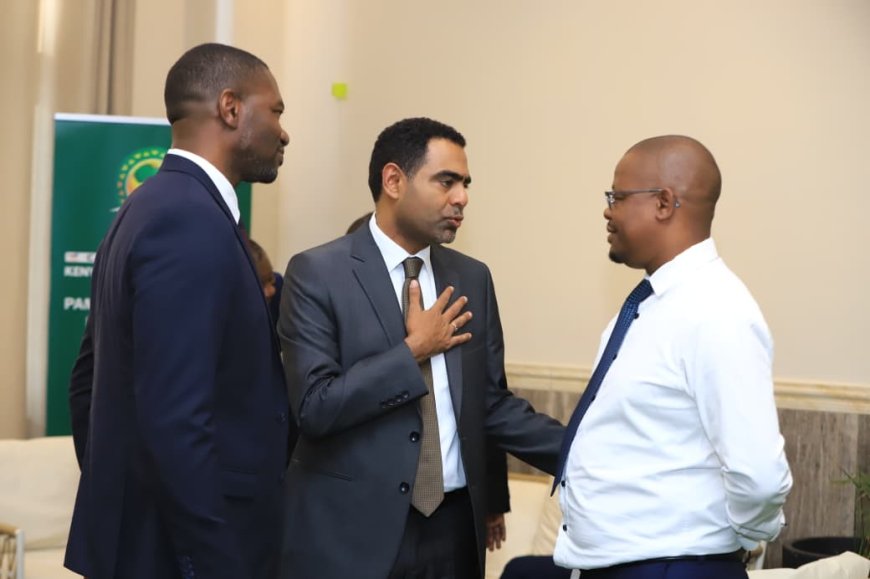
Appreciation for CAF Leadership
Magogo extended gratitude to CAF President Patrice Motsepe for championing inclusivity in hosting opportunities across the continent.
He also congratulated CAF’s General Secretary, noting that his experience in competition management will be instrumental in guiding preparations.
Commending Stakeholders and Organisers
The FUFA President thanked CAF officials and stakeholders for attending the workshop and encouraged active participation to ensure meaningful outcomes.
He also commended the Local Organising Committee Uganda for its ongoing efforts, noting that while the region successfully delivered CHAN, AFCON will be significantly larger in scale.
“AFCON could be twenty times bigger than CHAN,” he observed.
Magogo concluded with optimism, expressing confidence that the PAMOJA workshop will deliver actionable outcomes to guide preparations.
The workshop continues on April 23, bringing together stakeholders from all host nations to refine strategies and ensure readiness for AFCON 2027.
With momentum building and regional cooperation strengthening, East Africa now stands on the brink of delivering one of the most anticipated tournaments in African football history.
Source: Ahmed Hussein FUFA

John Kusolo is a Pastor, Sports Enthusiast and Ugandan journalist with Nile Chronicles News (NCN). With a strong commitment to journalistic excellence, he is recognized for his dedication, goal-oriented approach, and ability to thrive in challenging environments. Kusolo brings focused motivation and professionalism to his reporting and media assignments.













Comments (0)