
Ezra Bukundika Champions Ubuntu as Kiira Municipality Marks Kabaka’s 71st with Clean-Up Drive
As Buganda marked the 71st birthday of Kabaka Ronald Muwenda Mutebi II, a powerful message of unity, service, and shared humanity took center stage across the region. At the heart of these celebrations was a community-driven campaign that blended environmental stewardship with youth engagement—an initiative strongly championed by Bukundika Ezra, Country Director of the Family Peace Association Uganda working with cross sector players of society .
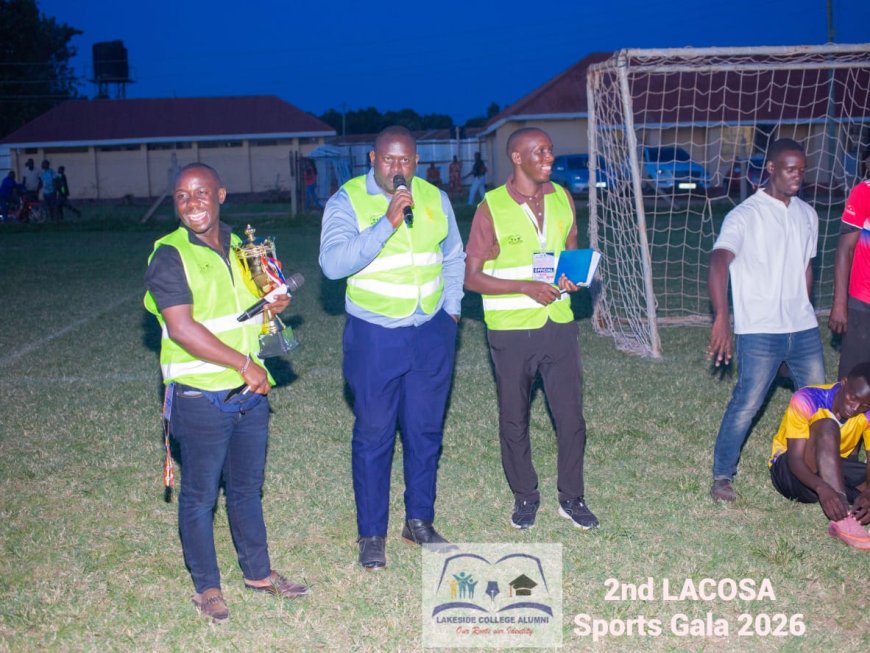
The climax of activities was held at Luzira Prison Grounds, in Nakawa Division, drawing together cultural leaders, faith leaders, youth, women and business communities under the theme "Family in a Safe Environment."
As Buganda marked the 71st birthday of Kabaka Ronald Muwenda Mutebi II, a powerful message of unity, service, and shared humanity took center stage across the region. At the heart of these celebrations was a community-driven campaign that blended environmental stewardship with youth engagement—an initiative strongly championed by Bukundika Ezra, Country Director of the Family Peace Association Uganda working with cross sector players of society.
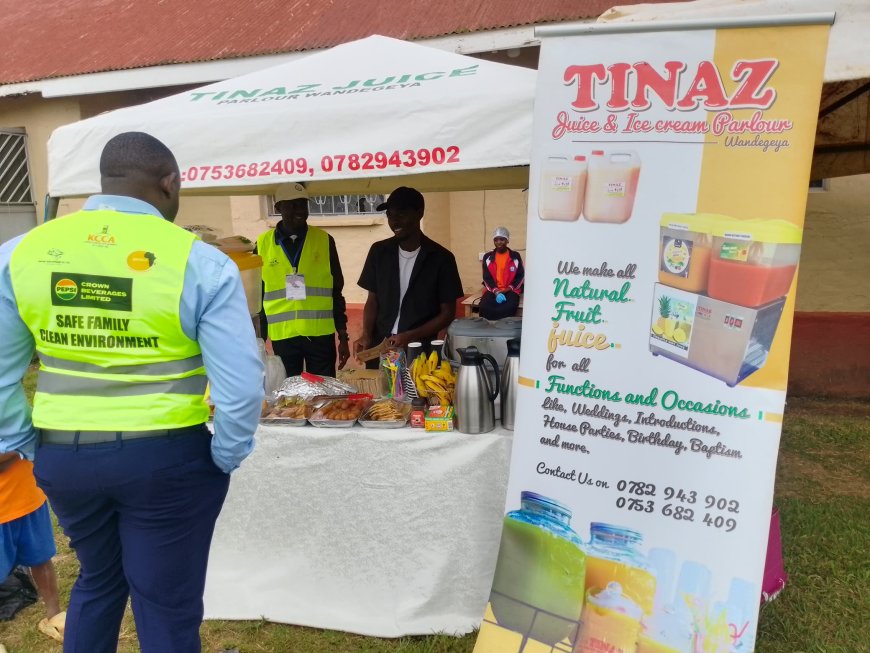
Speaking during activities held on Sunday, April 12, 2026, in Kampala’s Nakawa Division, Bukundika emphasized that the celebrations went beyond ceremonial observance. Instead, they became a platform to revive and institutionalize the African philosophy of Ubuntu—anchored in collective responsibility, coexistence, and the pursuit of the common good.
Community Cleaning as a Cultural Statement
The day’s events began with a large-scale community cleaning and safe environment campaign, bringing together cultural leaders, religious figures, students, and local authorities. Key areas such as Luzira Market and surrounding drainage systems were cleaned by volunteers drawn from institutions including Makerere University Business School, Lakeside College Luzira, Luzira Secondary School, and Kitintale Progressive.
Bukundika described the exercise as a revival of the traditional “bulunji bwansi” practice—a long-standing communal responsibility in Buganda that calls upon every able-bodied individual to contribute to the well-being of society.
“This is not just about sanitation,” he noted. “It is about restoring a mindset where communities take ownership of their environment. Sustainable development begins when people understand that maintaining cleanliness and order is their duty, not solely that of authorities.”
Ubuntu Philosophy at the Core
Central to the campaign was the Ubuntu ideology, a belief system deeply rooted in African heritage. Bukundika underscored its timeless relevance, particularly among the youth.
Ubuntu, often summarized as “I am because you are”, promotes interconnectedness and mutual care. According to Bukundika, fostering this philosophy among young people ensures that future generations value empathy, cooperation, and social harmony. This resonates with what Dr. Hyun Jin Preston Moon emphasizes that community service is not merely "doing good deeds" but a fundamental, transformative action that connects humanity, builds peace, and acts as "love in action."
“For one to live well, the community must live well,” he explained. “Our environment, our neighbors, and our shared spaces all define the quality of our lives.”
Soccer for Peace: Bridging Political Divides
Following the cleaning exercise, the campaign transitioned into “Soccer for Peace”—a symbolic and practical demonstration of unity through sport. Youth from diverse political, religious, and ethnic backgrounds participated in matches designed to break down divisions that had emerged during Uganda’s recent electoral period.
Players representing different political affiliations—including the National Resistance Movement, National Unity Platform, Forum for Democratic Change, and Democratic Party—shared the same pitch, demonstrating cooperation, teamwork, and mutual respect.
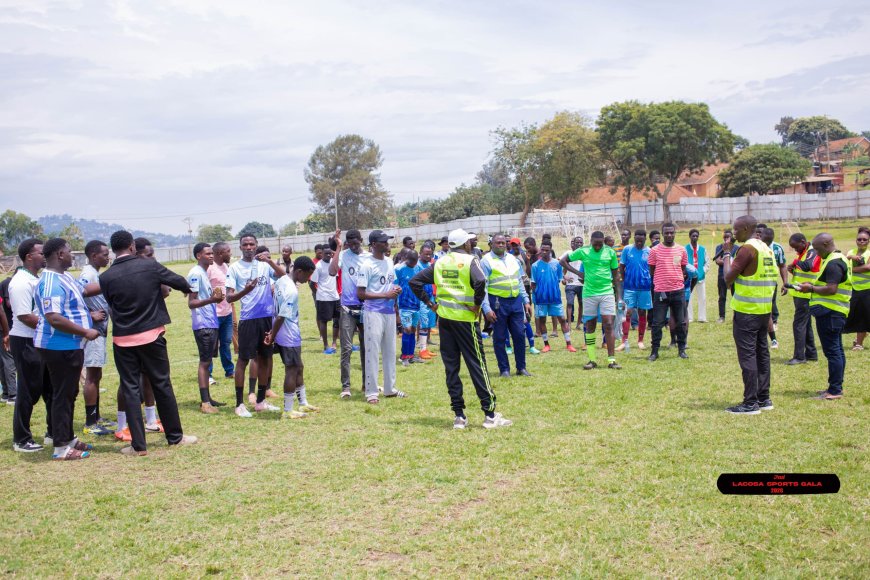
Bukundika hailed the initiative as a turning point in post-election healing, noting that sports provide a universal language capable of uniting individuals despite their differences.
“Football has common rules, a shared goal, and equal participation—just like life,” he said. “Seeing young people who were once divided now supporting each other is a strong indicator that peace and cohesion are achievable.”
Youth as Pillars of Sustainable Peace
A recurring theme in Bukundika’s remarks was the central role of young people in shaping the nation’s future. He described them as both the “architects” and, at times, the “victims” of societal conflict—making their engagement in peacebuilding initiatives essential.
By involving youth in constructive activities such as community service and sports, the campaign aimed to redirect their energy toward nation-building and away from divisive influences.
“The stability of families and, by extension, the nation, depends on the values embraced by young people,” Bukundika observed. “When they choose unity over division, we secure a peaceful future.”
A Model for National Cohesion
The success of the Nakawa Division activities has inspired plans to replicate similar initiatives across other regions of Uganda. Bukundika expressed optimism that the combination of cultural values, community participation, and youth engagement could serve as a model for national cohesion.
He commended the collaborative efforts of local government authorities, educational institutions, cultural leaders, and civil society organizations—including the Kampala Capital City Authority (KCCA) and the Lakeside College Old Students Association (LAKOSA)—for ensuring the event’s success.
Celebrating Heritage Through Action
As Buganda honored its monarch, the celebrations stood out not only for their scale but for their substance. By integrating traditional values like “bulunji bwansi” with contemporary approaches to peacebuilding, the campaign demonstrated how cultural heritage can be harnessed to address modern challenges.
For Bukundika Ezra and the Family Peace Association Uganda, the day marked more than a tribute—it was a reaffirmation that unity, responsibility, and shared humanity remain the strongest foundations for sustainable development.
“Unity does not mean sameness,” he concluded. “It means choosing to coexist, to tolerate, and to work together for the greater good. That is the essence of Ubuntu—and that is what we witnessed today.”

John Kusolo is a Pastor, Sports Enthusiast and Ugandan journalist with Nile Chronicles News (NCN). With a strong commitment to journalistic excellence, he is recognized for his dedication, goal-oriented approach, and ability to thrive in challenging environments. Kusolo brings focused motivation and professionalism to his reporting and media assignments.













Comments (0)