
"The Speaker’s Chair Is Not a Throne” — Rt. Hon. Oboth Oboth Vows Integrity After Election
Rt. Hon. Oboth Oboth secured an overwhelming 441 votes, defeating fellow contenders Hon. Paul Mwiru who garnered 60 votes, and Hon. Norbert Mao who received 15 votes. Three ballots were recorded as spoilt.
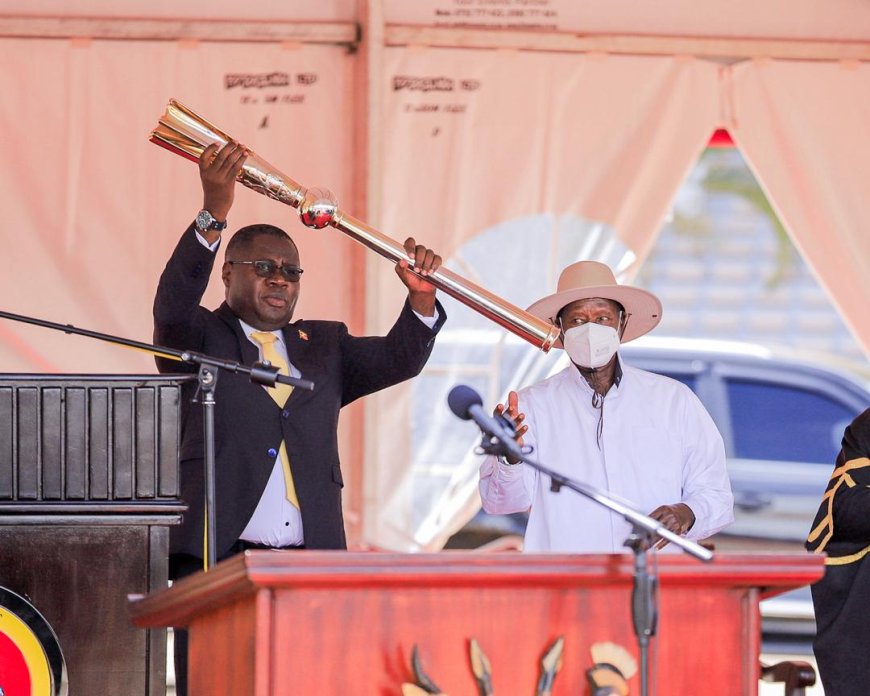
Uganda has elected Rt. Hon. Jacob Marksons Oboth Oboth as the new Speaker of Parliament following a decisive victory in the race for the country’s top legislative seat.
Rt. Hon. Oboth Oboth secured an overwhelming 441 votes, defeating fellow contenders
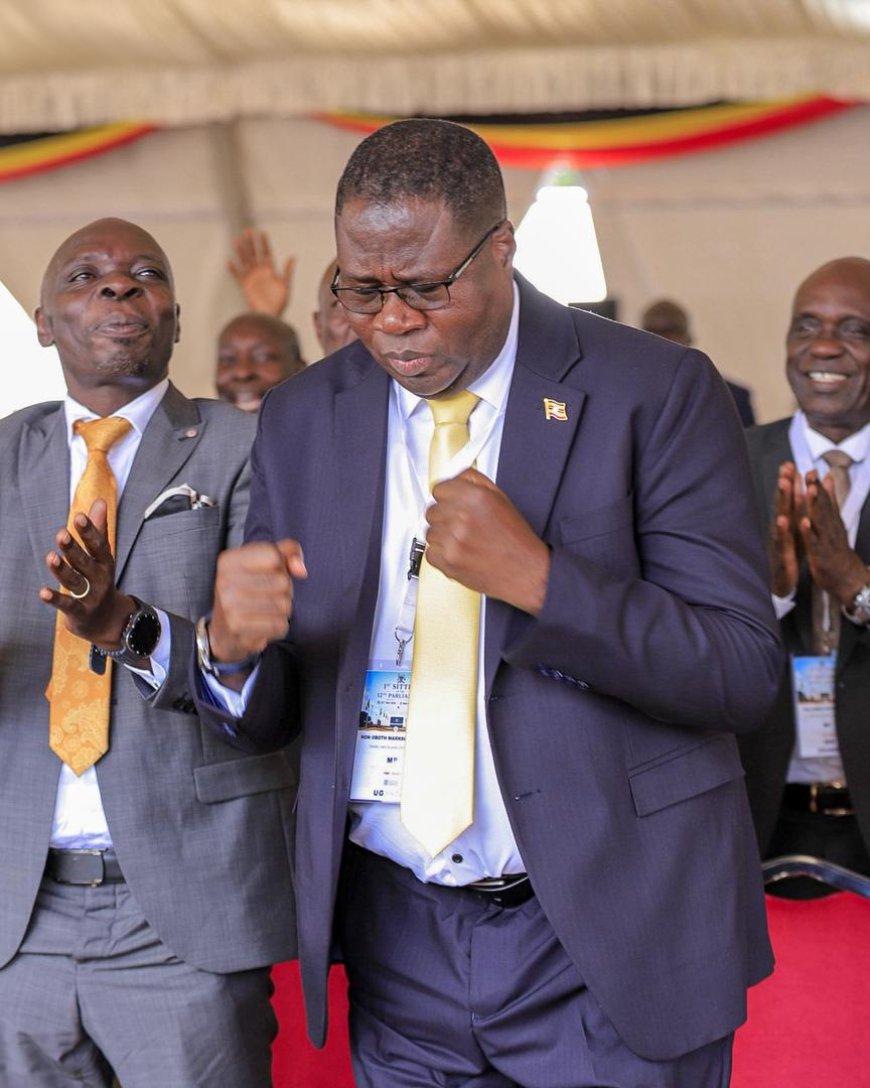
Hon. Paul Mwiru who garnered 60 votes, and Hon. Norbert Mao who received 15 votes. Three ballots were recorded as spoilt.
The outcome officially ushers Oboth Oboth into office as the Speaker of Uganda’s 12th Parliament, marking a significant milestone in his long political and parliamentary journey.
Vote Tally for Speaker of Parliament
Rt. Hon. Jacob Markson Oboth Oboth — 441 votes
Hon. Paul Mwiru — 60 votes
Hon. Norbert Mao — 15 votes
Spoilt votes — 3
The landslide victory reflected broad support for Oboth Oboth across the House, positioning him as one of the most influential figures in Uganda’s legislative and governance structure.
A Steady Rise Through Parliament
Oboth Oboth’s elevation to the Speakership crowns years of steady progression within Uganda’s political and parliamentary systems.
Representing West Budama Central Constituency, he built his reputation through committee leadership and legislative work, gradually becoming one of Parliament’s most experienced institutional figures.
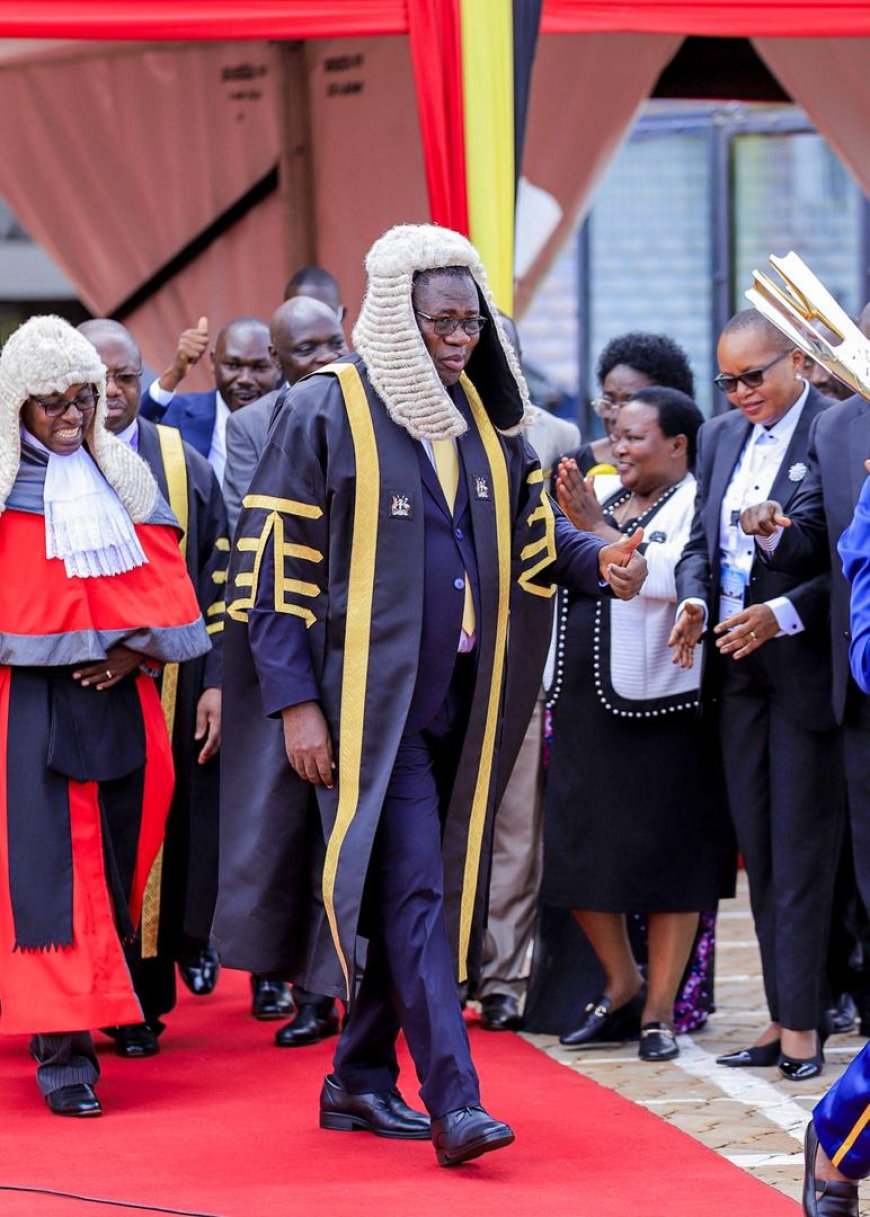
Over the years, he chaired several influential parliamentary committees including the Committee on Rules, Discipline and Privileges, the Committee on Natural Resources, and the Committee on Legal and Parliamentary Affairs. His involvement in these committees placed him at the center of key legislative debates and oversight responsibilities.
He also served on Parliament’s Business Committee, where he gained deeper experience in coordinating parliamentary business and legislative scheduling.
His transition from Parliament to the Executive further expanded his profile in national leadership. Oboth Oboth first served as State Minister for Defence before later being elevated to the position of Minister of Defence and Veteran Affairs.
Now, after years in both the Legislature and Executive arms of government, he returns to Parliament to occupy its highest office as Speaker.
Political observers describe his journey as a calculated and disciplined rise built on institutional knowledge, legal understanding, and experience in government administration.
“The Speaker’s Chair Is Not a Throne”
In his acceptance remarks, Speaker Oboth Oboth pledged to champion accountability, integrity, and transparency within Parliament.
“The Speaker's Chair is not a throne; it is a servant's post,” he said shortly after assuming office.
“My role now is to come before you to ensure that working together, the voices of the over 48 million Ugandans who send us here are heard, protected and respected.”
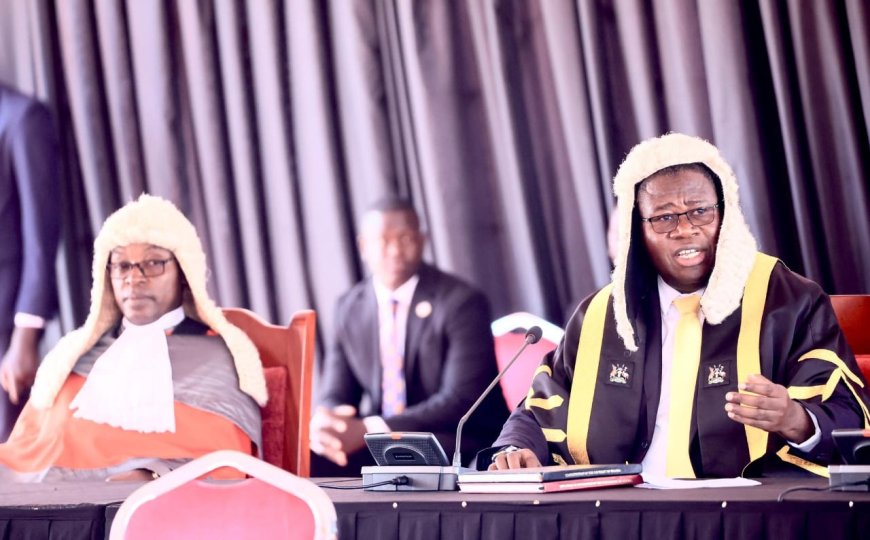
The newly elected Speaker acknowledged growing public concern over corruption and accountability in public institutions and pledged to restore public confidence in Parliament.
“We are aware of what has been going through. I pledge a corruption-free Parliament. Under my leadership, we will cultivate a culture of absolute integrity and zero tolerance to corruption, anchored in President Museveni's glaring call for a corruption-free Parliament in the next five years,” he stated.
Commitment to Accountability
Oboth Oboth emphasized that accountability must begin within Parliament itself before legislators can effectively demand accountability from government ministries, agencies, and departments.
“Accountability begins with us. In the next five years, we will hold the Executive and other government bodies accountable, but we must start with ourselves,” he said.
“As they say, charity begins at home. We cannot hide from accountability of government resources yet expect it from other agencies and departments. That will not work.”
His remarks drew attention to increasing public scrutiny over the management of public resources and the conduct of public officials, issues expected to dominate the agenda of the 12th Parliament.
A Defining Moment for the 12th Parliament
Oboth Oboth assumes office at a time when Parliament faces heightened expectations from Ugandans demanding improved service delivery, stronger oversight, and greater transparency in governance.
His election signals continuity within the ruling establishment while also placing significant responsibility on him to steer parliamentary business, manage debate within the House, and uphold the dignity and independence of Parliament.
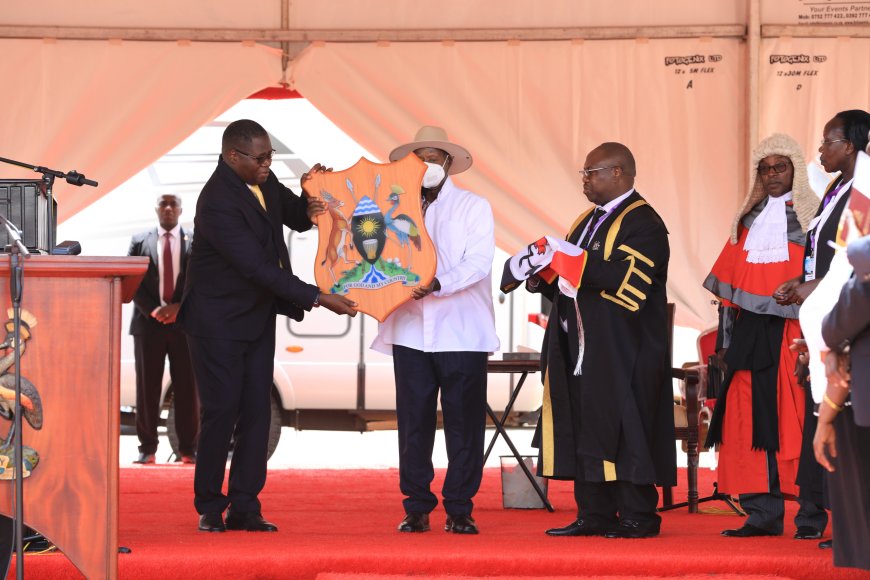
As Speaker, he will preside over legislative proceedings, guide parliamentary reforms, and act as a central figure in shaping relations between Parliament, the Executive, and the Judiciary.
For many lawmakers and political observers, the election of Rt. Hon. Jacob Marksons Oboth Oboth represents not only the culmination of a long political journey, but also the beginning of a new chapter for Uganda’s Parliament under the 12th legislature.

John Kusolo is a Pastor, Sports Enthusiast and Ugandan journalist with Nile Chronicles News (NCN). With a strong commitment to journalistic excellence, he is recognized for his dedication, goal-oriented approach, and ability to thrive in challenging environments. Kusolo brings focused motivation and professionalism to his reporting and media assignments.








Comments (0)