
Bamasaaba Cultural Institution Rallies Bugisu Community to Participate in LC1 Elections
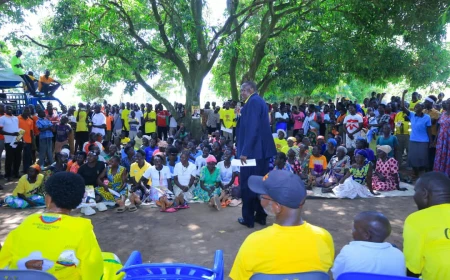
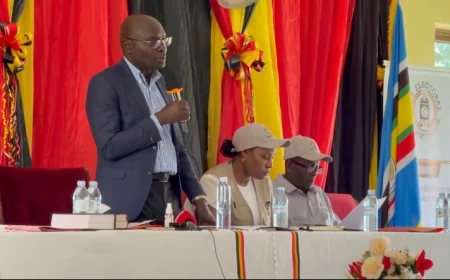
The institution's spokesperson, Hon. Steven Masiga, said the cultural institution has been mobilising the Bamasaaba community through both online and offline platforms to encourage eligible voters to participate in the elections and exercise their democratic right to choose leaders of their preference.
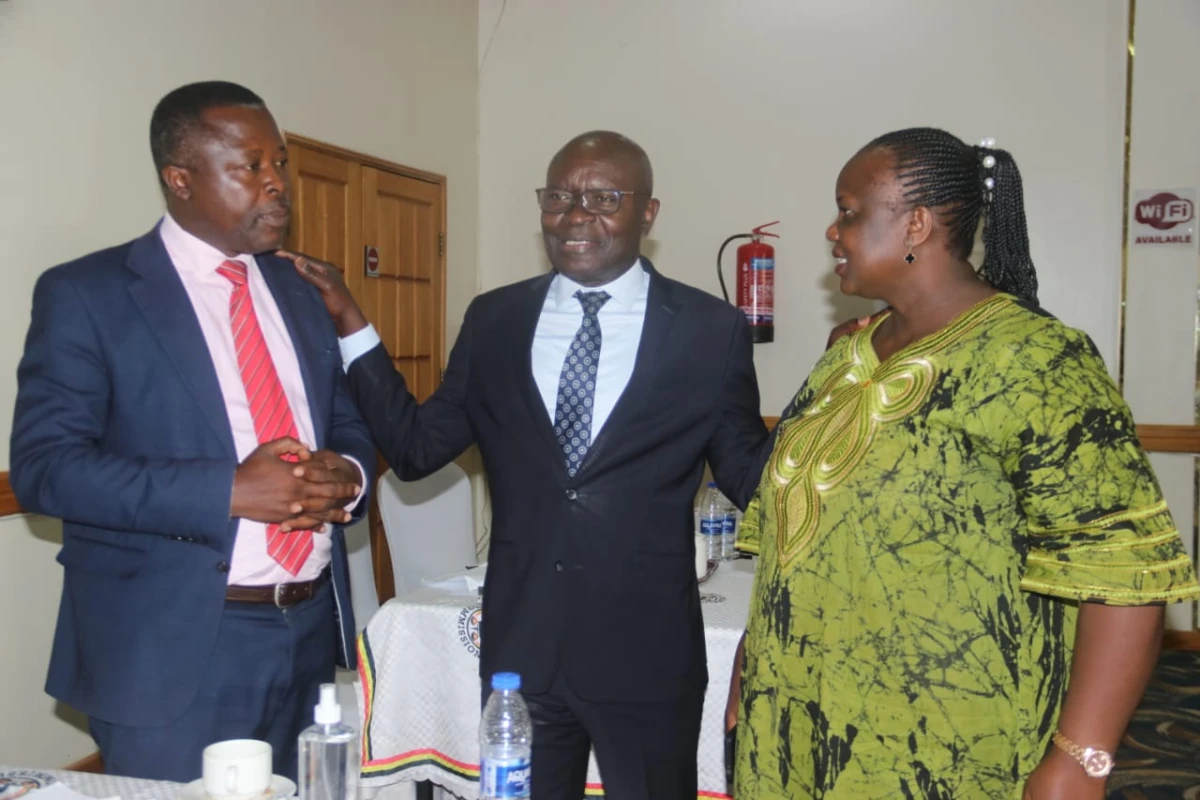
MBALE — The Bamasaaba Cultural Institution has called upon people across the Bugisu region to turn up in large numbers and participate peacefully in the Local Council (LC1) elections scheduled for Tuesday, July 28, 2026.
The institution's spokesperson, Hon. Steven Masiga, said the cultural institution has been mobilising the Bamasaaba community through both online and offline platforms to encourage eligible voters to participate in the elections and exercise their democratic right to choose leaders of their preference.
Masiga commended the Electoral Commission for the preparations and strategies put in place to facilitate the smooth conduct of the elections, particularly in the Elgon region.
He specifically recognised the efforts of Electoral Commission Chairperson Justice Simon Byabakama Mugyenyi and the commission's team in the region, including the Elgon Regional Returning Officer, Sarah Mukwaya, Mbale City Returning Officer Michael Arinaitwe, Mbale District Returning Officer Anna Mary Tusungwire, as well as other returning officers within the Elgon electoral cluster.
“As a cultural institution, we summon all our people to respond to this call and elect leaders of their choice. We further encourage them to engage in the exercise in a more peaceful way and to eschew violence during the exercise. We encourage them to adhere to all electoral guidelines put in place by the Electoral Commission,” Masiga said.
He urged voters and supporters of different candidates to respect the electoral process and ensure that the elections are conducted in a peaceful and orderly manner.
Masiga also used the occasion to remind those who will be elected as LC1 leaders of the responsibilities that come with their positions, urging them to work collectively and serve their communities in accordance with the law.
He raised concerns over disputes that have in the past emerged within local councils, particularly regarding the use of official stamps and allegations of demands for money before local leaders sign land-related agreements.
According to Masiga, newly elected LC1 chairpersons and their executive committees should avoid turning their positions into avenues for personal financial gain and instead focus on serving the interests of the communities that elected them.
He cautioned local leaders against exceeding their legally defined mandates or assuming responsibilities that fall outside their jurisdiction, urging them to follow the guidelines issued by the Electoral Commission and other relevant authorities.
Masiga further warned LC1 leaders against engaging in activities that could compromise community security, particularly collusion with criminal elements.
“Don't be a type of LC chairman working secretly with criminals. The community will expose you and you will be arrested,” he warned.
The cultural institution spokesperson also called for the revival of community meetings as a means of resolving local disputes through collective dialogue and participation.
He said local councils should ensure that disputes are handled transparently and collectively rather than allowing individual chairpersons to monopolise the dispute-resolution process.
Masiga urged newly elected LC1 leaders to ensure that local council executive meetings have sufficient quorum and that decisions are made collectively in accordance with the law.
“Work as a team and not as an individual,” he emphasised.
The Bamasaaba Cultural Institution's appeal comes as communities across Bugisu prepare to participate in the LC1 elections, which are expected to determine grassroots leadership in villages across the region.
The institution encouraged voters to exercise their rights peacefully, while reminding those who will be elected that effective grassroots leadership requires integrity, teamwork, accountability and respect for the law.
The cultural institution said strong and responsible local leadership remains essential in promoting community development, resolving disputes and maintaining peace at the grassroots.

John Kusolo is a Pastor, Sports Enthusiast and Ugandan journalist with Nile Chronicles News (NCN). With a strong commitment to journalistic excellence, he is recognized for his dedication, goal-oriented approach, and ability to thrive in challenging environments. Kusolo brings focused motivation and professionalism to his reporting and media assignments.











Comments (0)