
Rotary District 9213 Governor Geoffrey Martin Kitakule Engages Parliament on Protection of Sovereignty Bill, 2026
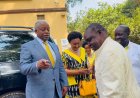
Kitakule, alongside Past District Governor Hon. Mike Sebalu, on 28th April 2026, joined key stakeholders in a meeting with Parliament’s Committee on Defence and Internal Affairs to present views on the proposed Protection of Sovereignty Bill, 2026. The engagement formed part of ongoing consultations as Parliament scrutinizes the controversial legislation.
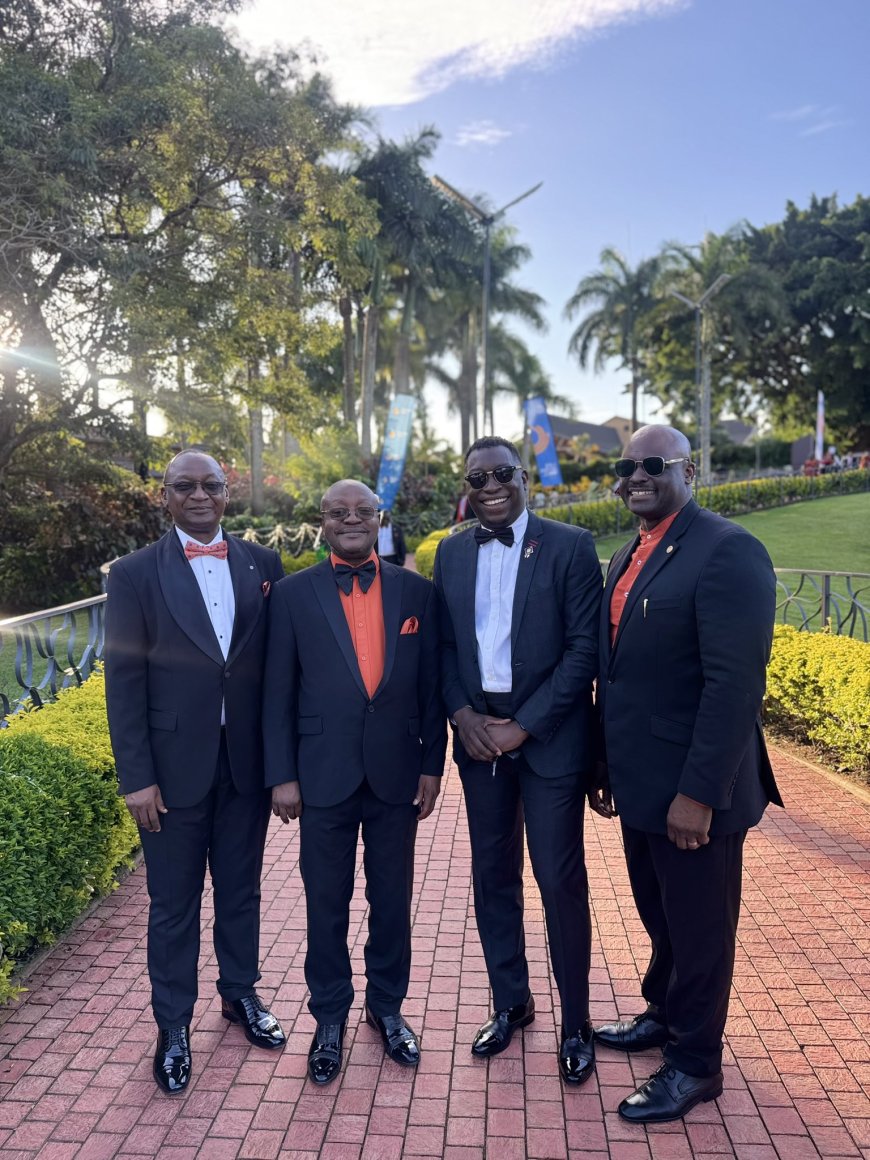
District Governor for Rotary District 9213, Geoffrey Martin Kitakule, has been at the forefront of highlighting the impact of Rotary’s humanitarian initiatives across Uganda, while also contributing to national policy discussions on governance, development, and civic space.
Kitakule, alongside Past District Governor Hon. Mike Sebalu, on 28th April 2026, joined key stakeholders in a meeting with Parliament’s Committee on Defence and Internal Affairs to present views on the proposed Protection of Sovereignty Bill, 2026. The engagement formed part of ongoing consultations as Parliament scrutinizes the controversial legislation.
Bill background and legislative process
The Protection of Sovereignty Bill, 2026 was tabled in Parliament on 15th April 2026 and subsequently referred to the Committee on Defence and Internal Affairs for urgent review. The Bill seeks to regulate foreign influence in Uganda’s civil, digital, and economic sectors, under the broader objective of strengthening national sovereignty and security frameworks.
Government proponents of the Bill argue that it is intended to safeguard Uganda from external interference in domestic affairs, particularly in sensitive governance, financial, and information spaces.
However, the proposed legislation has sparked widespread debate across civil society, development partners, and advocacy groups. Critics warn that certain provisions could potentially restrict foreign funding channels and affect the operations of non-governmental organisations (NGOs) and community-based development actors that rely on external support.
Concerns from civil society and stakeholders
Civil society organisations have raised concerns that the Bill, if enacted in its current form, may introduce stricter controls over funding flows and limit the operational independence of development organisations. There are also fears that it could have unintended consequences on humanitarian work, public health programmes, education initiatives, and community empowerment projects.
Stakeholders have urged Parliament to strike a careful balance between safeguarding sovereignty and maintaining an enabling environment for development cooperation and civic engagement.
Rotary’s position and development perspective
As District Governor, Kitakule has consistently emphasised Rotary’s guiding principle of “Service Above Self,” underscoring the importance of collaboration between government, civil society, and communities in advancing national development goals.
Under his leadership, Rotary District 9213 has overseen humanitarian and development projects valued at over Shs8 billion, spanning health interventions, education support, clean water initiatives, and economic empowerment programmes across Uganda.
He has repeatedly highlighted that sustainable development is best achieved through partnerships that align with national priorities while also leveraging international goodwill and technical support.
Engagement with Parliament
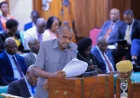
During the parliamentary engagement, Kitakule and other stakeholders provided submissions aimed at informing the Committee’s review of the Bill.
Discussions focused on ensuring that regulatory measures do not inadvertently disrupt humanitarian programming or limit the effectiveness of service organisations working in vulnerable communities.
The stakeholders also called for clarity in definitions within the Bill, particularly regarding what constitutes “foreign influence,” to avoid ambiguity that could affect legitimate development cooperation.
Balancing sovereignty and development cooperation
The ongoing debate around the Protection of Sovereignty Bill, 2026 reflects a broader national conversation on how Uganda can protect its sovereignty while remaining open to international partnerships that support development.
Supporters of the Bill maintain that stronger regulatory frameworks are necessary in an increasingly complex global environment. Meanwhile, development actors, including Rotary leaders, continue to advocate for a balanced approach that preserves civic space and sustains essential humanitarian work.
Geoffrey Martin Kitakule’s participation in the parliamentary consultations underscores the growing role of development organisations in shaping policy discussions that affect civil society operations in Uganda.

John Kusolo is a Pastor, Sports Enthusiast and Ugandan journalist with Nile Chronicles News (NCN). With a strong commitment to journalistic excellence, he is recognized for his dedication, goal-oriented approach, and ability to thrive in challenging environments. Kusolo brings focused motivation and professionalism to his reporting and media assignments.










Comments (0)