
MUBS Students Showcase Innovative Business Solutions at Strategic Management Projects Presentation Day
The event, organized under the Department of Management within the Faculty of Management and Faculty of Business Administration, brought together students, lecturers, organizational leaders, and industry practitioners to witness presentations focused on solving real-world organizational challenges.
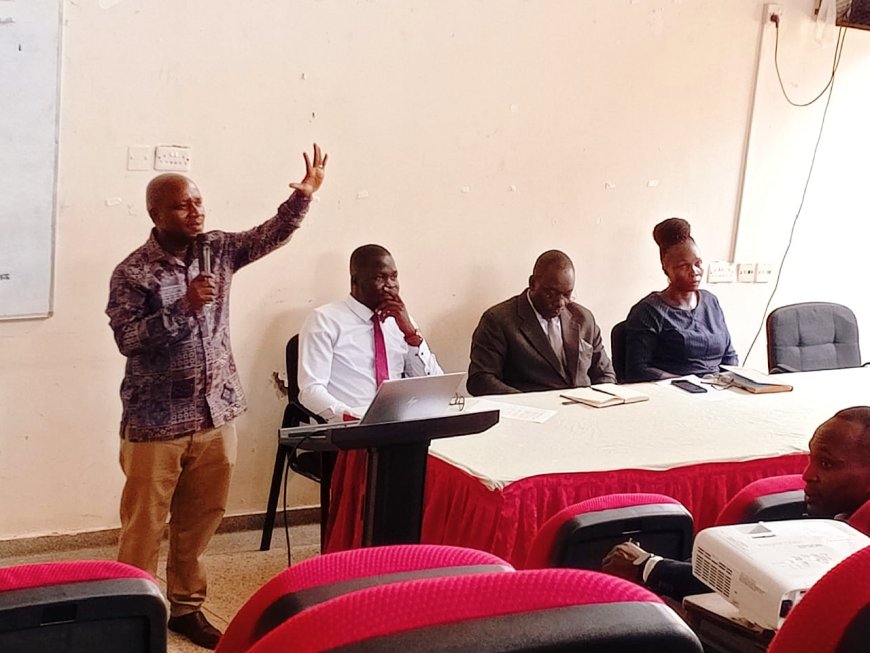
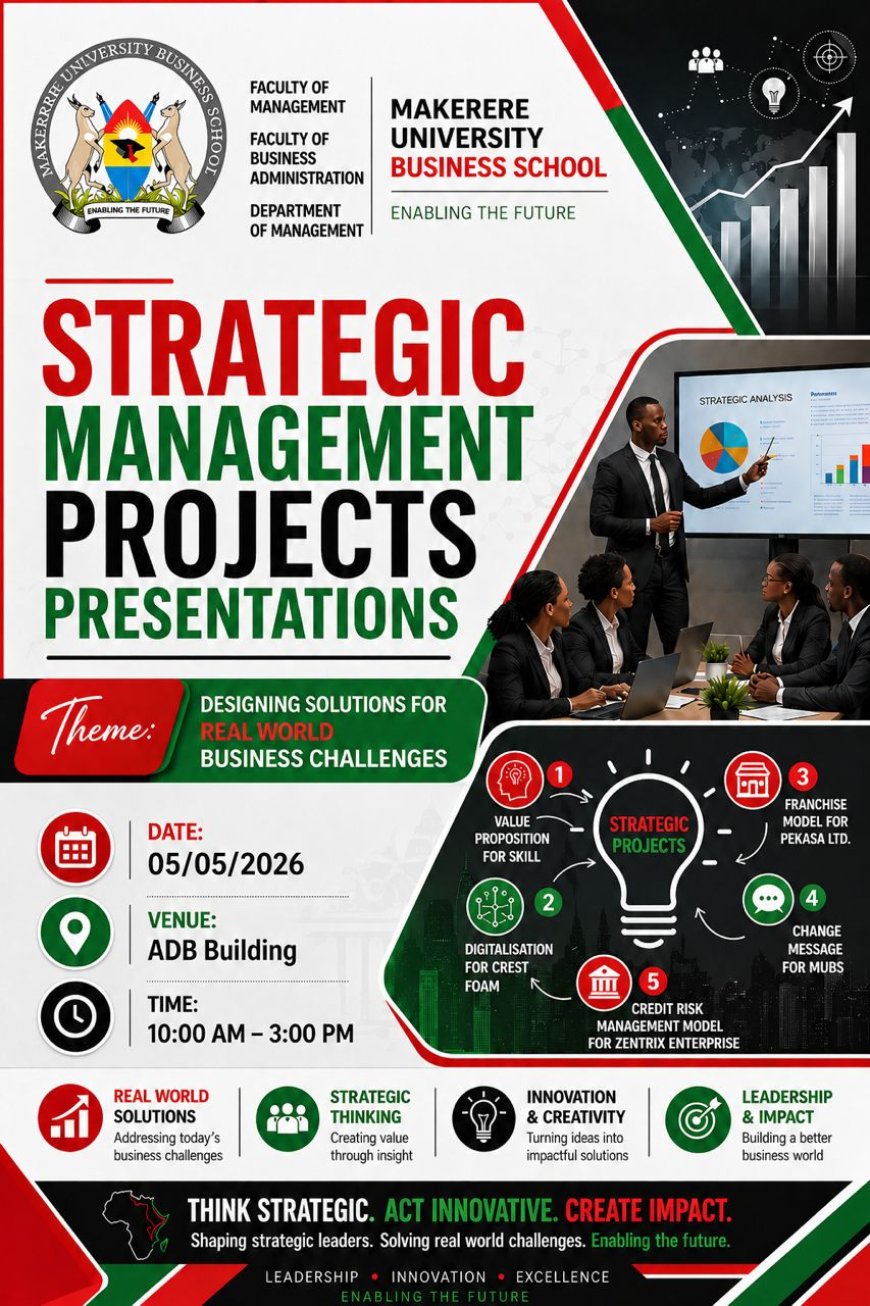
Makerere University Business School (MUBS) on 5th May 2026 hosted a vibrant and impactful Strategic Management Projects Presentation Day at the ADB Theatre, showcasing innovative, research-driven solutions developed by students under the Bachelor of Business Administration (BBA) Strategic Management option.
The event, organized under the Department of Management within the Faculty of Management and Faculty of Business Administration, brought together students, lecturers, organizational leaders, and industry practitioners to witness presentations focused on solving real-world organizational challenges.
The presentations reflected MUBS’ growing commitment to competence-based education, where students are equipped not only with theoretical knowledge but also practical problem-solving skills applicable to organizations, communities, and national development.
A total of 33 students, organized into 11 groups of three members each, presented strategic management projects after spending approximately 10 weeks embedded within various organizations. The students worked directly with companies and institutions to identify operational challenges, analyze business environments, and design practical strategic interventions.
Dr. Abbey Mutumba Shares the Vision Behind Strategic Management Projects
Speaking during the event, Dr. Abbey Mutumba explained that Strategic Management Projects is a course unit under the Bachelor of Business Administration programme designed to bridge the gap between classroom learning and organizational realities.
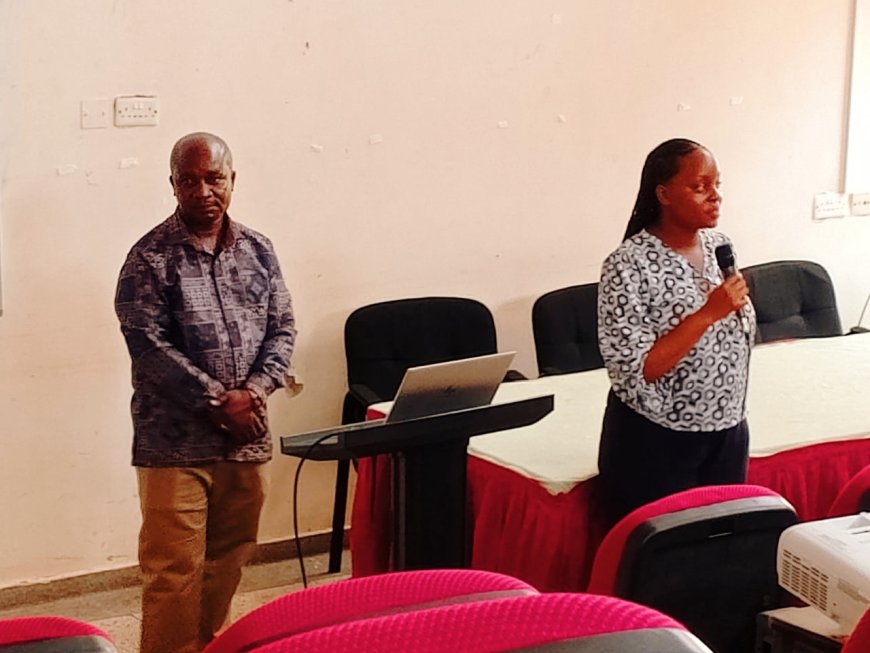
Dr. Mutumba outlined the evolution of the programme, noting that it was developed from a vision aimed at enabling university students to execute organizational projects and reduce the heavy consultancy costs often incurred by institutions and businesses.
He explained that the vision was actualized through curriculum reviews, the creation of a Strategic Management option within the BBA programme, and the introduction of the Strategic Management Projects course unit.
According to Dr. Mutumba, the programme intentionally places students directly within organizations for extended periods, allowing them to work collaboratively with management teams in developing sustainable and implementable strategic solutions.
He emphasized that the approach goes beyond theoretical consulting and instead promotes embedded, participatory engagement where organizations co-own the solutions developed by students.
“What began as a small initiative with only four participants and no external audience has now grown into a fully-fledged programme involving 33 students working closely with organizations for between 10 and 12 weeks,” Dr. Mutumba noted.
He added that the programme contributes toward Uganda’s broader economic transformation goals and supports the country’s National Development Plan objectives through innovation, strategic thinking, and practical organizational support.
Dr. Mutumba also recognized the contributions of faculty leaders, lecturers, facilitators, and organizational partners who have supported the programme since its inception.
He particularly highlighted the importance of mentorship and practical facilitation, acknowledging the role played by Mr. Andabati David in guiding students through project implementation and presentation preparation.
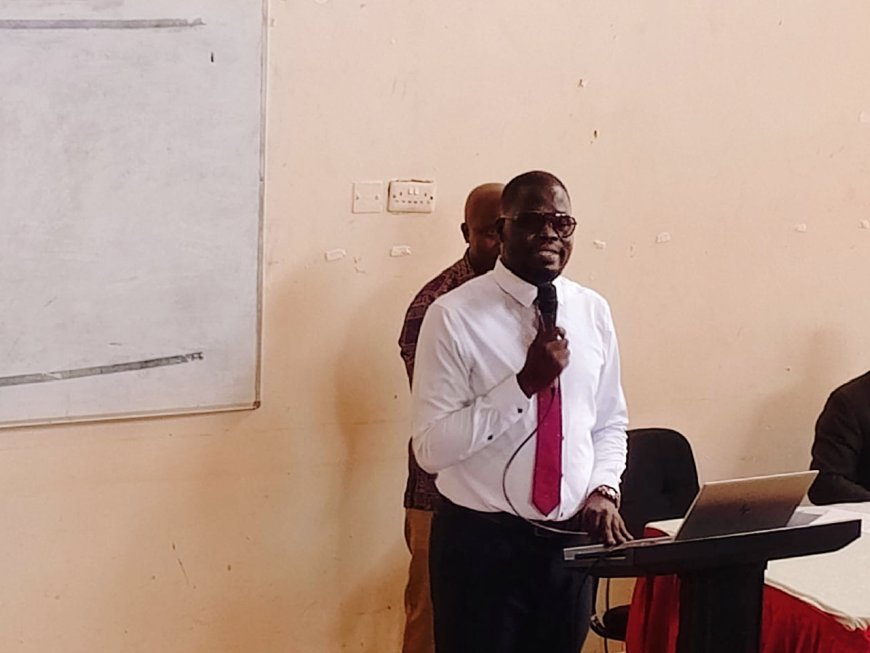
The academic emphasized that learning-by-doing remains central to the programme’s philosophy, where students gain practical skills while organizations benefit from fresh strategic insights.
At the same time, he called upon more organizations to partner with the university by hosting strategic management students and providing them with opportunities to develop solutions tailored to specific business challenges.
He noted that stronger collaboration between academia and industry would not only strengthen learning outcomes but also improve organizational competitiveness and innovation.
Dr. Grace Nalweyiso Commends Growth of Strategic Management Option
The Head of Department of Management, Dr. Grace Nalweyiso, applauded the rapid growth of the Strategic Management option and described it as one of the most practical and transformative academic pathways available to students.
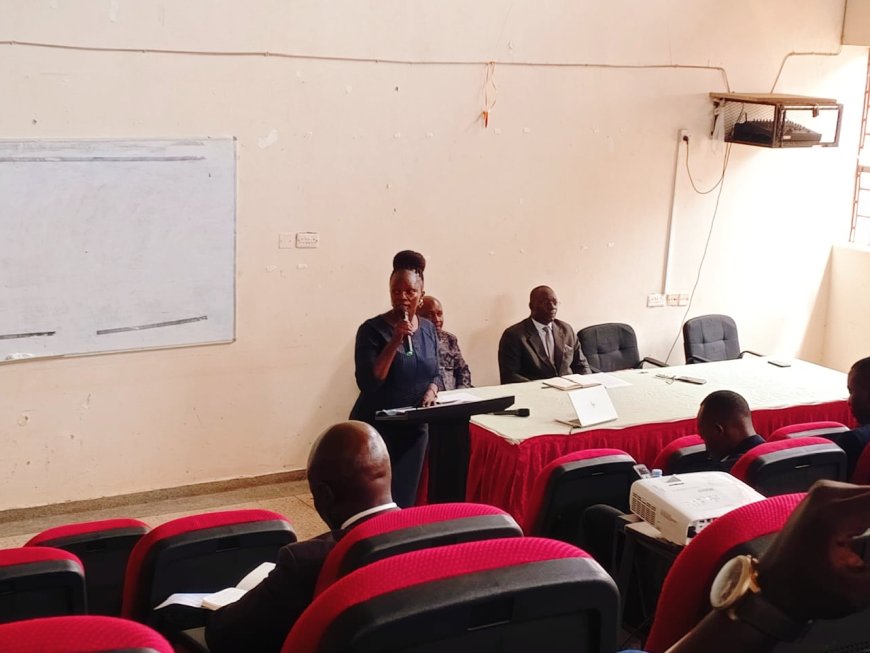
In her remarks, Dr. Nalweyiso said the university is already transitioning into competence-based education where practical teaching and experiential learning are prioritized.
“We are trying to ensure that our students do not only get the theory, but also go out with the practice where they are able to solve real problems in organizations, in society, and even in their personal lives,” she said.
She revealed that the Strategic Management option was introduced into the BBA programme two years ago and initially attracted only about five students in its first cohort.
However, she expressed excitement that the number had now grown to more than 30 students, an indication that learners are increasingly appreciating the value of strategic management.
“We cannot be teachers of strategy who cannot strategize,” Dr. Nalweyiso remarked, adding that the department is intentionally positioning strategic management to become one of the dominant options within the programme.
She stressed that strategy remains central to organizational survival and success, noting that poor strategy is equally responsible for organizational failure.
Dr. Nalweyiso commended lecturers and facilitators for enriching students’ learning experiences through mentorship, professional guidance, and industry exposure.
She also thanked organizations that hosted students, describing them as important learning laboratories where learners were exposed to practical challenges requiring strategic interventions.
“To those organizations that have not yet taken on our students, we urge you to consider hosting them because these students are developing strategies that can help organizations survive and succeed within today’s volatile operating environment,” she said.
She further encouraged students to apply strategic thinking beyond business environments and use the knowledge acquired to manage their personal lives, careers, and communities effectively.
“Strategy is not only for organizations. Even at an individual level, you must strategize. We have trained you to think critically and outside the box,” she emphasized.
Dr. Nalweyiso assured students of the university’s continued support and expressed optimism that the programme would continue expanding in the coming years.
“Now that we have over 30 students, perhaps next year we should aim at having over 60 students taking strategy as an option,” she added.
Dean Dr. Joshua Mugambwa Calls for Excellence and Innovation
The Dean of the Faculty of Management, Dr. Joshua Mugambwa, who represented the Principal of MUBS while officially opening the Strategic Management Projects Day, praised the initiative as a critical step toward producing highly competent graduates capable of transforming organizations.
Dr. Mugambwa said the university’s vision is to become the best academic institution in the region by producing graduates with practical, analytical, and leadership skills.
“This is where we are going as a country, and our aim is for MUBS to be the best academic institution in the region,” he said.
“We want to train the best people to move organizations. People are looking at you, and I know you are going to achieve because you have undergone all these training dynamics to make you the best.”
He noted that such activities encourage peer criticism, strengthen analytical capabilities, and create new ways of solving organizational problems.
Dr. Mugambwa further emphasized that strategic management is relevant in every aspect of life.
“As long as you want to move forward, you must strategize,” he told the students.
Mr. Andabati David Guides Students Through Presentation Process
Mr. Andabati David, a lecturer and facilitator, guided students through the understanding of presentation guidelines and coordinated the project presentation process.
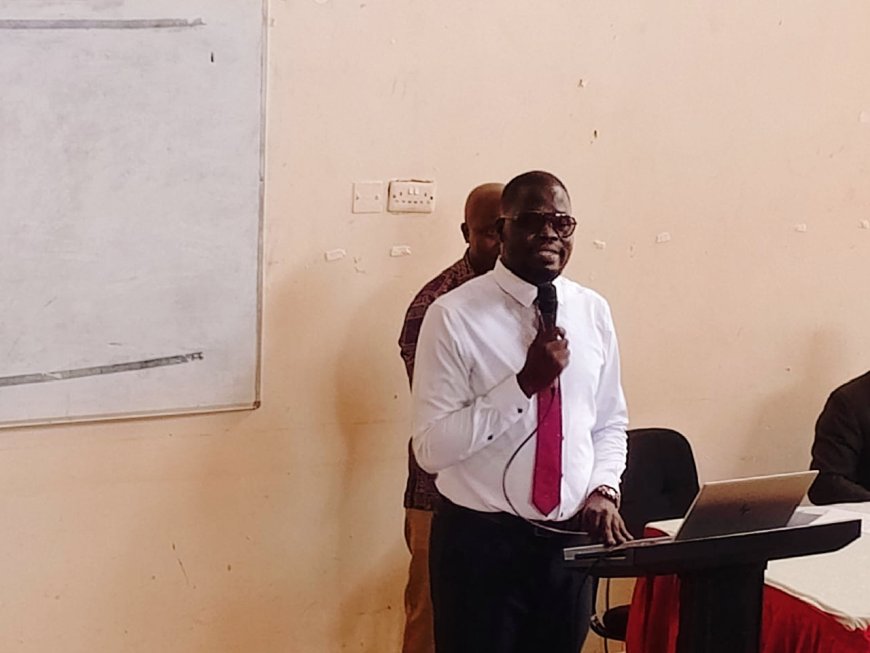
He explained that the students had spent 10 weeks working with different organizations, enabling them to gain hands-on experience and apply strategic management concepts within real business environments.
The initiative, he noted, was specifically designed to ensure students graduate with both academic knowledge and practical exposure.
Students Present Strategic Solutions for Organizations
The presentation day featured diverse strategic projects addressing organizational efficiency, digital transformation, operational growth, branding, innovation, and business sustainability.
Group One: Aggregate Consult
Group One presented a strategic management project focusing on Aggregate Consult.
Student Isabel Kazoora and her colleagues identified several strategic challenges affecting the organization, including digital capability gaps, increasing client expectations, competitive pressures, and skills and talent constraints.
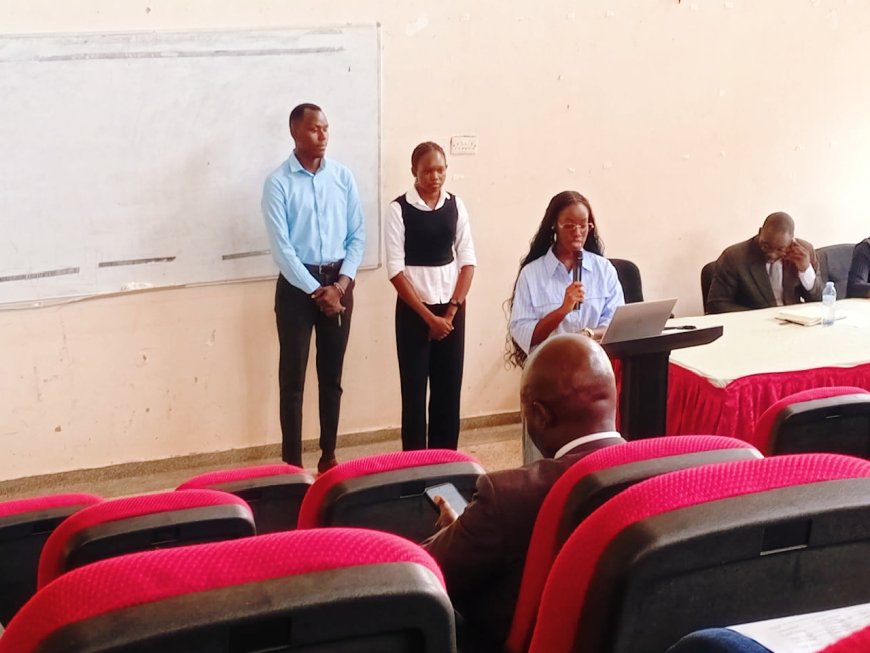
The group proposed strategic priorities such as digital transformation, system upgrades, adoption of modern tax technologies, artificial intelligence automation, operational efficiency improvements, workforce upskilling, and strategic partnerships with fintechs and technology firms.
Group Two: Digital Transformation at MUBS
Group Two, led by student Nuwagaba Derrick and colleagues, presented a project titled “Leveraging Digital Transformation to Enhance Academic Attendance, Participation and Accountability at MUBS.”
The students observed that current class attendance levels range between 50 and 70 percent and proposed a strategic target of achieving attendance levels between 90 and 95 percent.
Their proposal included a digital facial recognition attendance system involving image capture technology, cameras installed at lecture entry points, face detection and comparison systems, feature extraction, and automated attendance recording.
The group proposed piloting the system in August 2026, with broader institutional adoption targeted by December 2030.
The project aimed at strengthening accountability, enhancing participation, and promoting a high-performing academic environment.
Group Three: Picasso Enterprises Limited
Group Three focused on Picasso Enterprises Limited, specifically Picasso Hardware in Kitintale, Kampala.
Student Kibbe Sharon and her colleagues presented findings highlighting capital mobilization as a major barrier to business growth.
The students proposed strategic approaches aimed at strengthening financial sustainability and expanding the enterprise’s growth potential.
Group Four: BIRDIC and Tooke Products
Group Four presented a strategic management project focusing on the Banana Industrial Research and Development Centre Uganda (BIRDIC) and its Tooke products.
The presentation, delivered by Naigaga Jacqueline Tasha and colleagues, explored opportunities for product growth, market expansion, digital visibility, and innovation.
Following the presentation, Dennis Tibagwa, a marketer at BIRDIC Uganda, applauded the students for their research and strategic insights.
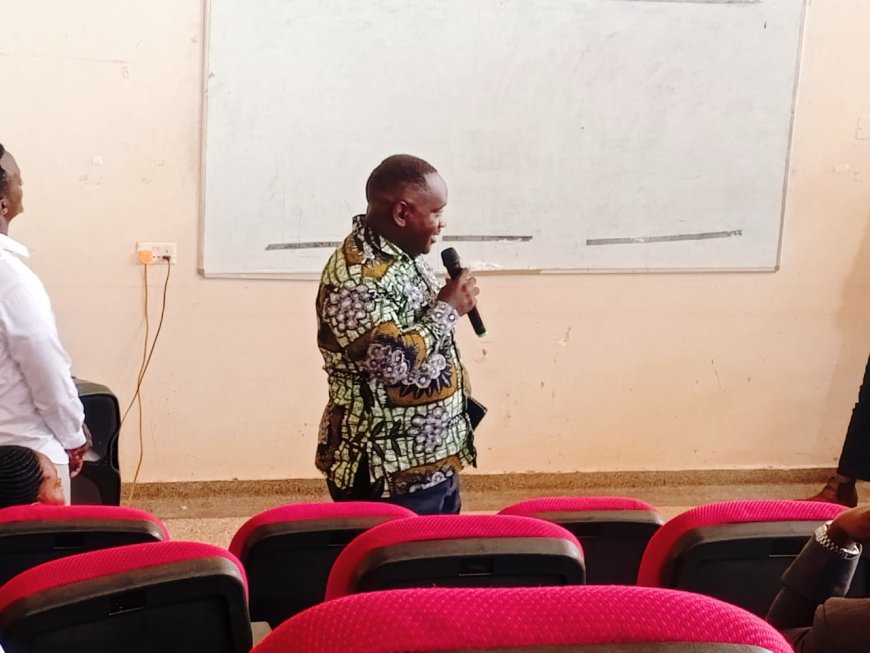
He particularly recognized Rev. Professor Florence Moranga, the Director General of BIRDIC, for her contribution toward research and innovation.
Tibagwa explained that Tooke is a farmer-centric initiative focused on connecting farmers to technology and expanding market opportunities for Ugandan agricultural products.
“Tooke products are certified by ISO and UNBS, and very soon we expect FDA certification to enable easier penetration into the United States market,” he said.
He revealed that research at BIRDIC now extends beyond food products into innovations involving hair products, banana fiber materials, ties, and other zero-waste products derived from the banana plant.
“We are looking at zero wastage from the whole banana plant, including the roots, leaves, stem, and fiber,” Tibagwa explained.
He praised MUBS and Dr. Mutumba for creating opportunities that expose students to practical industry engagement.
“This is an eye-opener. It allows students to interact with successful indigenous Ugandan products and contributes ideas that can move beyond presentations into real market solutions,” he added.
Strong Industry Participation
The event attracted participation from several organizations and industry stakeholders including Zentrix Enterprises Limited, Skill Africa Uganda, and members of the Hotel General Managers Association of Uganda.
The presence of practitioners, company representatives, and organizational leaders demonstrated growing confidence in MUBS’ competence-based learning approach and the value students can contribute to organizations.
Advancing Competence-Based Education
The Strategic Management Projects Presentation Day highlighted MUBS’ broader commitment toward transforming higher education through experiential learning, innovation, and strategic industry partnerships.
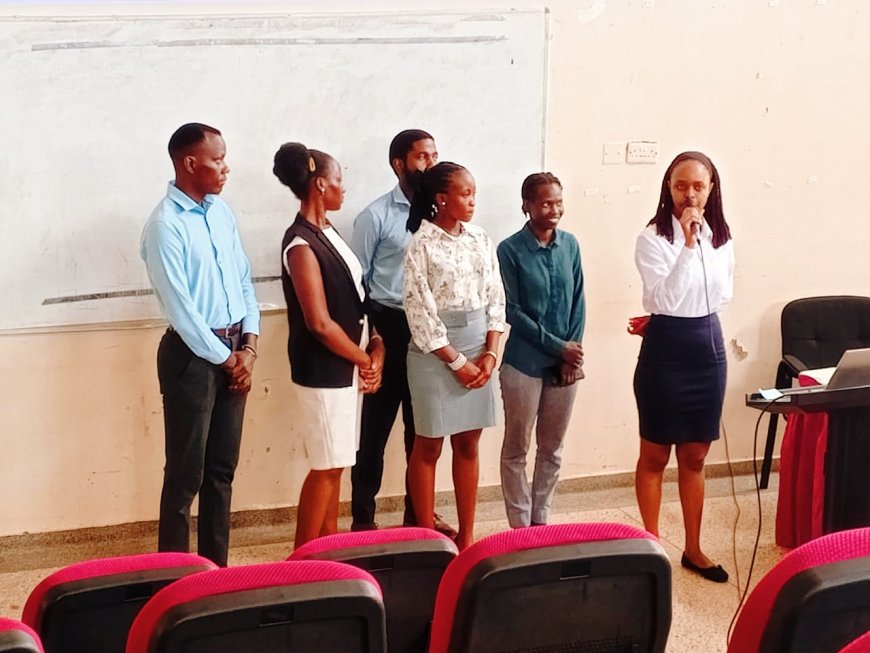
The programme has increasingly become a platform where students transition from passive learners into active problem-solvers capable of addressing complex organizational challenges.
The projects also demonstrated the growing role universities can play in supporting businesses, strengthening innovation ecosystems, and contributing toward national development priorities.
With increasing student participation, strong faculty support, and expanding industry collaboration, the Strategic Management Projects initiative is positioning itself as one of MUBS’ flagship practical learning programmes.
As the university looks toward expanding the programme in the coming years, stakeholders believe the initiative will continue producing graduates equipped with the strategic thinking, creativity, and leadership skills necessary to transform organizations and contribute meaningfully to Uganda’s socio-economic development.

John Kusolo is a Pastor, Sports Enthusiast and Ugandan journalist with Nile Chronicles News (NCN). With a strong commitment to journalistic excellence, he is recognized for his dedication, goal-oriented approach, and ability to thrive in challenging environments. Kusolo brings focused motivation and professionalism to his reporting and media assignments.

















Comments (0)