
Hope in Kyazanga How One Man’s Vision Is Transforming the Lives of Deaf and Vulnerable Children
Hope in Kyazanga

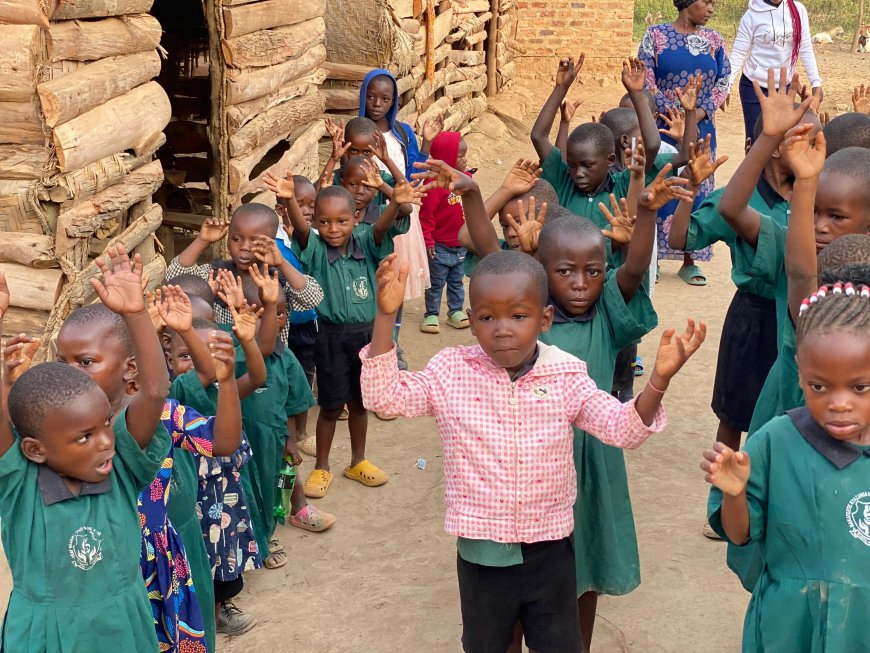
In a modest corner of Kyazanga Town Council, Lwengo District, stands a small yet vibrant school that is quietly transforming lives through inclusion, compassion, and faith.
Founded by Mr. Zirirema Valence, Nakateete Inclusive Primary School is the result of a lifelong journey of service to vulnerable communities. That journey began in Arua, West Nile, in 2009, where years of hands-on experience deepened his commitment to supporting children with special needs.
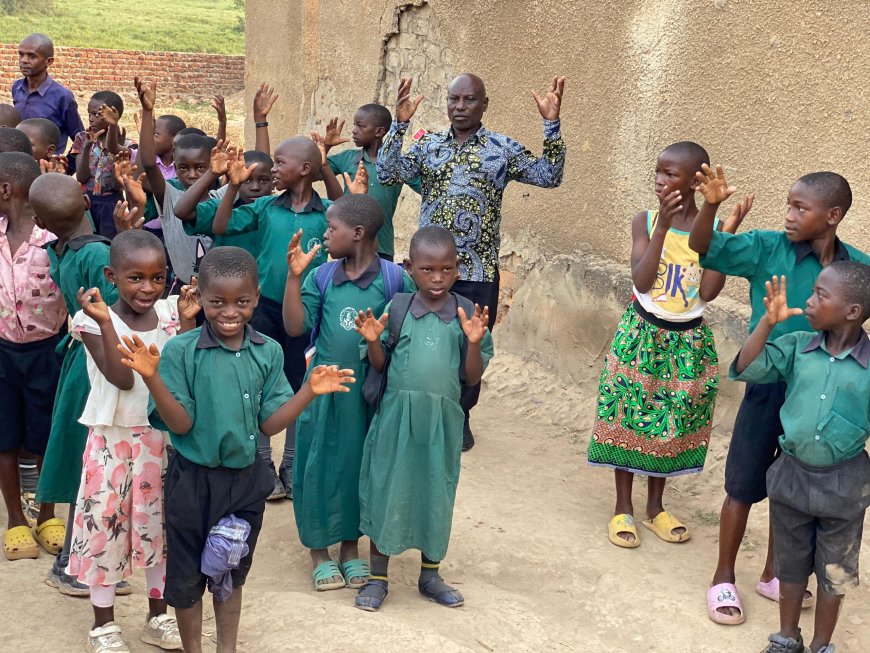
Mr. Valence served with Youth With A Mission (YWAM) under the Deaf-Hearing United Ministry, working closely with families of Deaf children to promote communication through sign language and to foster acceptance within communities.
“When I returned home to Kyazanga after my mission in Arua, I realized the same challenges existed here,” Valence recalls.
“Many families had Deaf children who lacked access to education and even basic communication support.”
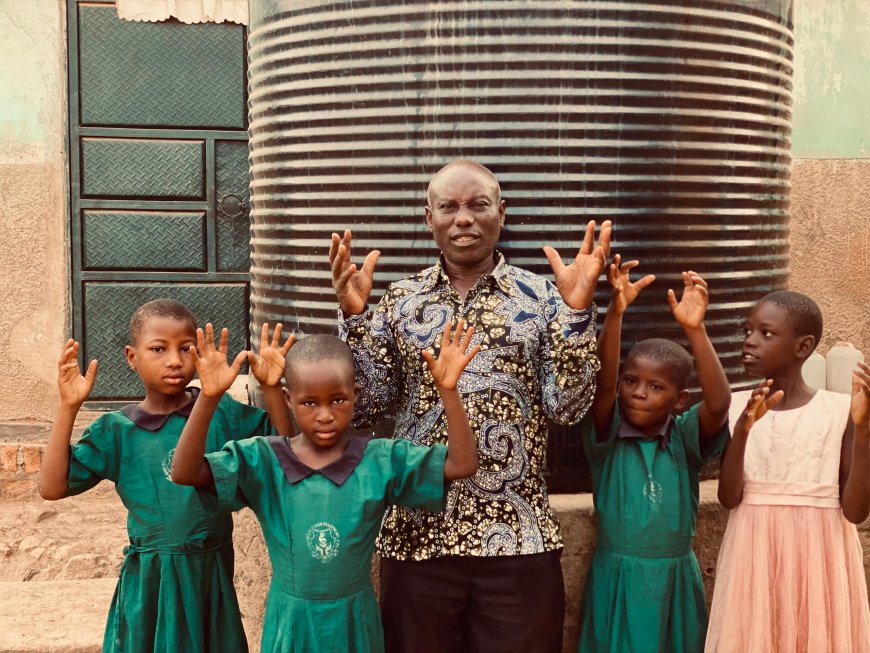
Driven by a desire to close this gap, Valence founded the Kyazanga Discovery and Learning Center, an initiative focused on empowering families of Deaf children through sign language training and community awareness. From this vision, Nakateete Inclusive Primary School was born—offering hope, education, and opportunity to children who need it most.
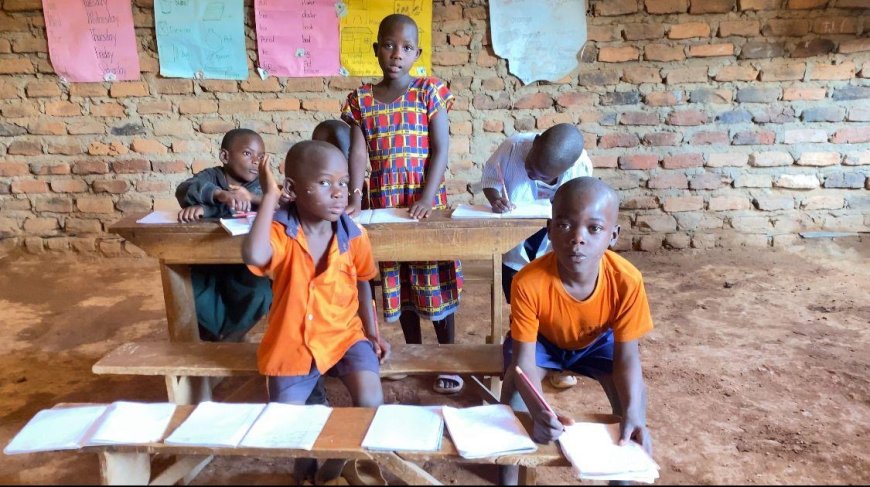
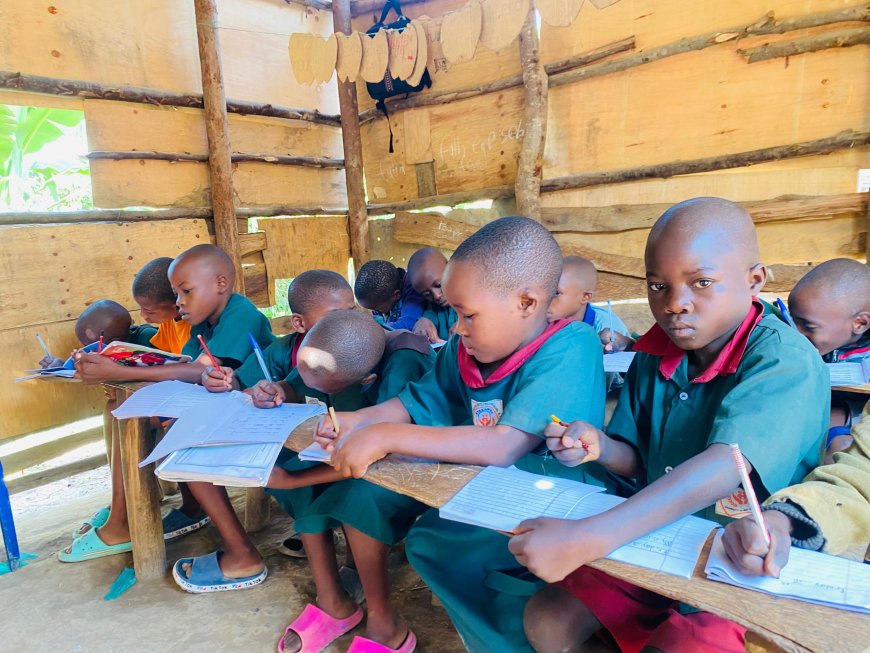
In Kyazanga Town Council, Lwengo District, the sound of children’s laughter fills the air of a modest school. Among the pupils are children whose voices might otherwise have gone unheard; Deaf learners whose families once struggled to communicate with them or to access basic education. This small but vibrant institution, Nakateete Inclusive Nursery and Primary School, stands as a quiet proof to what vision, dedication, and community engagement can achieve, even in Uganda’s rural areas.
The school was founded in 2021 by Zirirema Valence, a man whose journey began far from Kyazanga, in Arua, where he worked with the Deaf-Hearing United Ministry under Youth With A Mission. For a decade, Valence supported families of Deaf children, teaching parents sign language, creating awareness, and fostering understanding in communities where Deaf individuals were often marginalized. Returning home, he found similar challenges: children left without education, families unsure how to communicate, and communities lacking inclusion programs.
“Many families were struggling to give their children a voice, even within their homes,” Valence recalls. “I wanted to build a space where every child could learn, be understood, and feel valued.”
Nakateete started with humble structures: timber classrooms and semi-permanent dormitories, accommodating children from underprivileged backgrounds. Today, it serves over 150 pupils, including ten Deaf children. While the fees are modest, many families find them challenging to meet, reflecting the broader reality of education in low-resource rural settings. Inside these simple structures, however, children play, learn, and dream with determination, their resilience a testament to both the students and the staff who work tirelessly to support them.
This school is one among many across the country that is emblematic of a wider struggle in Uganda to promote inclusive education in rural communities. The government of Uganda has made strides in this area, with policies such as the Education and Sports Sector Strategic Plan emphasizing access for children with disabilities and initiatives to improve teacher training in inclusive education. Yet implementation in rural areas faces hurdles: insufficient infrastructure, limited trained personnel, and persistent social stigma. Community perceptions often influence whether children with disabilities can attend school, and families may fear isolation or mockery if their children are visibly different.
Valence’s approach however, illustrates a practical response to these challenges. By empowering parents with sign language skills and hiring Deaf educators alongside hearing teachers, Nakateete nurtures both learning and social inclusion.
And as he in the long term, envisions vocational programs for the children and families to enhance economic stability, there is that creative spirit him that seems to actually inspire his vision of creating impact in a low-resource setting. Like he says, he hopes that in the long run, he would see as well,specialized training for teachers to provide quality, inclusive education.
And while technology is emerging as a powerful enabler in similar low-resource contexts. Digital learning platforms, mobile apps for sign language, and online teacher training could bridge gaps where infrastructure and expertise are lacking. Combined with community engagement, such innovations may help schools like Nakateete thrive despite limited resources.
Hope, Valence’s daughter and now a professional sign language interpreter, credits her father’s vision for shaping her path.
“What he taught me is that inclusion is not charity it is justice,” she reflects. “When children are given tools and opportunities, they can thrive, regardless of disability or background.”
This isn’t just one random story of resilience; it is a reminder that inclusive education is about more than policies or funding. It is about listening, adapting, and building systems that value every child. In rural Uganda, where many schools struggle with limited resources, the combination of community initiative, government support, and emerging technology could offer a future where children with disabilities are no longer left behind.







Comments (0)