
Unsung City Cleaners Take Center Stage as Kawempe Wins Weyonje Award
The awards and end-of-year celebration, held at Kitante Primary School, brought together Kampala Capital City Authority (KCCA) leadership, development partners and sanitation workers drawn largely from community savings and credit cooperative organizations (SACCOs) and Seven Hills.
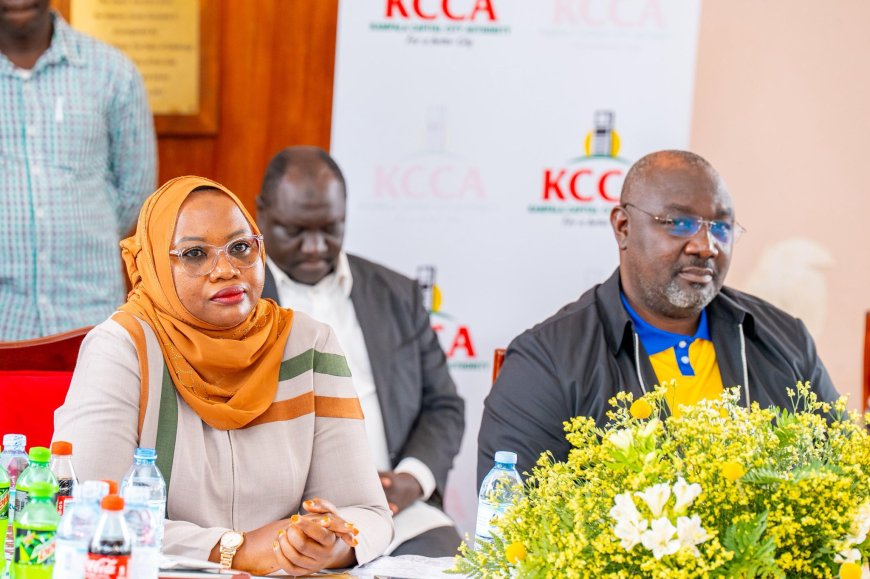
Kampala Capital City Authority (KCCA) has honored Kawempe Division as overall winner of the 2025 Weyonje Sanitation Challenge.

The awards and end-of-year celebration, held at Kitante Primary School, brought together Kampala Capital City Authority (KCCA) leadership, development partners and sanitation workers drawn largely from community savings and credit cooperative organizations (SACCOs) and Seven Hills.
Presiding over the ceremony, KCCA Executive Director Hajjat Sharifah Buzeki praised sanitation workers as the backbone of the city’s cleanliness, describing them as “unsung heroes” whose contribution keeps Kampala functional and healthy.
“You are my unsung heroes,” Buzeki told the workers, urging them to prioritize their safety while on duty. She confirmed that payments for November and December had already been deposited and announced plans to recruit more sanitation workers in the next financial year.
Buzeki further revealed that funds for personal protective equipment (PPE) would be channeled through workers’ SACCO accounts, a move aimed at strengthening accountability and ensuring timely access to safety gear.
“For November and December, this money has already been deposited,” she said, drawing applause from the crowd.
Prize Breakdown and Division Rankings
Kawempe Division clinched the top spot and walked away with a cash prize of UGX 5 million. Rubaga Division followed in second place with UGX 4 million, Central Division received UGX 3 million, Nakawa Division UGX 2 million, while Makindye Division took UGX 1 million.
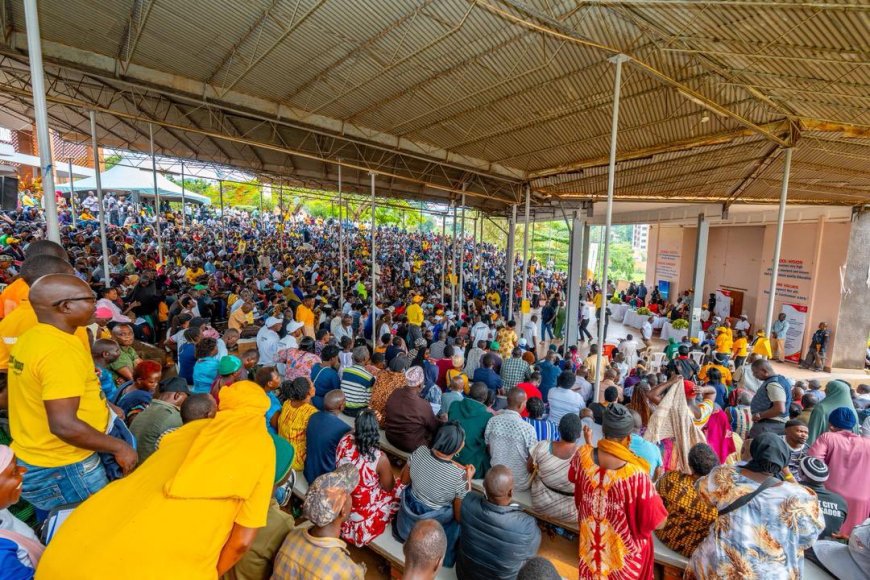
However, beyond the monetary rewards, the ceremony emphasized recognition and dignity for the men and women who clean the city daily—work that often goes unnoticed despite its critical importance to public health.
Categories and Winners
The Weyonje Sanitation Challenge is a citywide initiative aimed at strengthening community-led waste management and promoting lasting behavior change across Kampala. In 2025, all five divisions competed across six categories: fecal sludge management, solid waste management, green space management, innovations for water, sanitation and hygiene (WASH), health inspection, and best video documenting achievements.
Kawempe Division dominated by winning both the fecal sludge management and health inspection categories. Rubaga Division took top honors in solid waste management, Central Division excelled in green space management, Nakawa Division won in WASH innovation, while Makindye Division claimed the award for best video.
Calls for Better Pay and Support
Senior Presidential Advisor on Political Mobilization, Moses Byaruhanga, used the occasion to spotlight the economic challenges faced by sanitation workers. He said he would petition the President, through government, to support each sanitation workers’ SACCO with UGX 200 million to boost their financial stability.
Byaruhanga also raised concerns over low wages, noting ongoing efforts to increase daily pay from the current UGX 6,000, which many workers say is insufficient given the nature of their work.
Celebration and Appreciation
The event blended celebration with reflection. A lively musical performance by Stabua Natooro energized the gathering, while a cake-cutting ceremony marked the close of the year. In a symbolic gesture of appreciation, each member of the KCCA cleaning teams received a food hamper from KCCA.
Partnerships Driving the Initiative
The Weyonje Sanitation Challenge is implemented in partnership with Fundoo, UNICEF Uganda and Centenary Bank. The initiative combines competition, incentives and community engagement to encourage cleaner, healthier and better-managed neighborhoods across the capital.
As Kampala continues to grow, city leaders emphasized that sustained investment in sanitation workers and community-led waste management will be critical to maintaining a clean, safe and livable city for all.

John Kusolo is a Pastor, Sports Enthusiast and Ugandan journalist with Nile Chronicles News (NCN). With a strong commitment to journalistic excellence, he is recognized for his dedication, goal-oriented approach, and ability to thrive in challenging environments. Kusolo brings focused motivation and professionalism to his reporting and media assignments.








Comments (0)