
Bugisu Cultural Institution Unveils Expansive Technocratic Cabinet to Drive Governance, Diaspora Mobilisation
Hon. Gorret Kitutu Joins New Technocratic Cabinet as Bugisu Cultural Institution Unveils Major Governance Overhaul
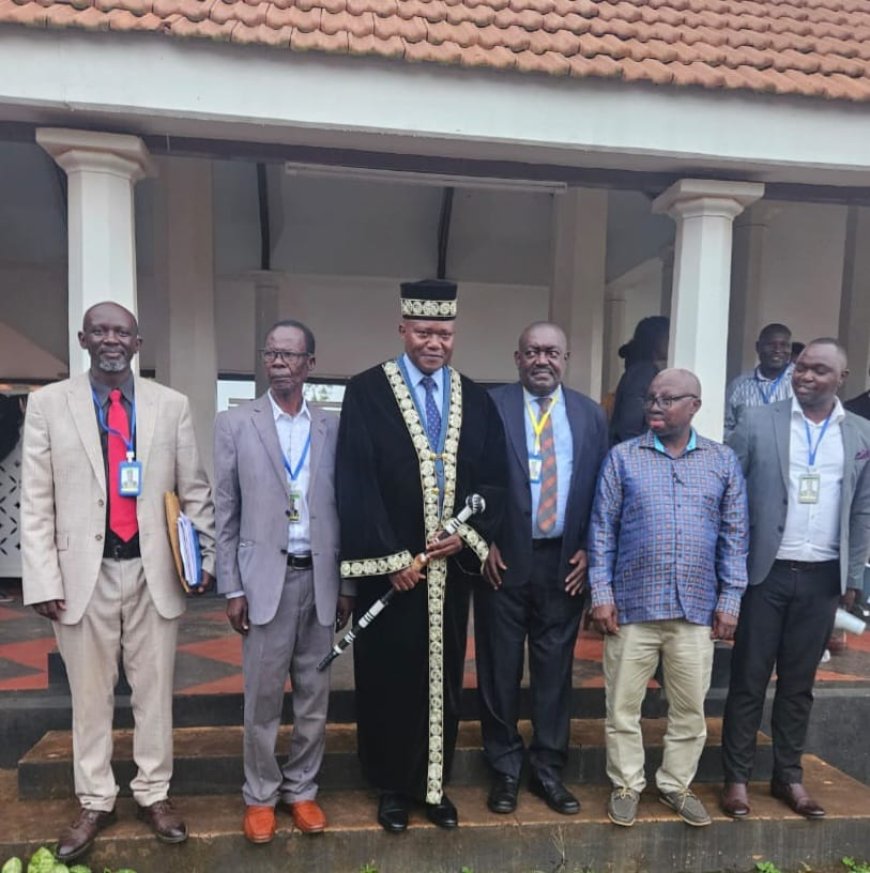
Mbale, Uganda — The Umuukuka Wa Bugisu, HRH Jude Mike Mudoma III, has unveiled a sweeping new cabinet composed of technocrats, former ministers, security experts, academicians, business leaders, and religious figures in a move aimed at transforming governance and strengthening community mobilisation across the Bugisu sub-region.
The appointments, announced by institution spokesperson Steven Masiga, are grounded in Uganda’s Cultural Leaders Act, which authorises gazetted cultural leaders to constitute administrative teams to serve their communities in cultural and developmental roles.
According to Masiga, the expanded cabinet is designed to reinforce institutional structures, promote unity, mobilise the Bamasaaba diaspora, support government development programmes, and enhance peacebuilding initiatives. Observers view the restructuring as a deliberate shift toward professionalised cultural leadership that blends tradition with modern governance frameworks.
Leadership Structure Anchored by Senior Technocrats
At the helm of the cabinet is Rt. Hon. Dr Paul Mwambu, appointed Prime Minister and Head of Cabinet and General Administration. He is supported by a team of deputy prime ministers overseeing specialised portfolios, including research, diaspora engagement, planning, and climate resilience.
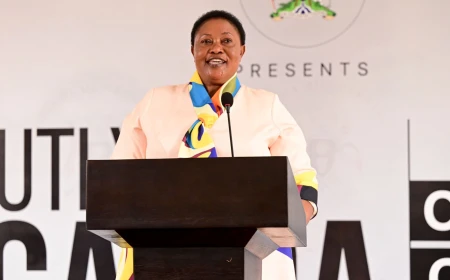
Among the high-profile appointments is former Karamoja Affairs Minister Rt. Hon. Gorret Kitutu, now serving as Deputy Prime Minister and Minister for Climate Change and Sustainable Development — a signal of the institution’s intent to prioritise sustainability and environmental stewardship.
The senior ministerial lineup spans education, finance, agriculture, health, culture, governance, investments, trade, youth development, infrastructure, security, tourism, and social affairs. The structure mirrors a modern government cabinet model, reflecting an ambition to enhance administrative efficiency and policy coordination.
Deputy ministers were also named to reinforce service delivery in health, education, and security sectors, ensuring operational continuity and specialised oversight.
Diaspora Engagement and Global Partnerships
Recognising the growing influence of the Bamasaaba diaspora, the Umuukuka appointed envoys and ambassadors tasked with strengthening international partnerships and cultural representation abroad. These include special envoys for global and diaspora partnerships, ambassadors overseeing North America, Australia, southern Africa, and Kenya chapters, as well as a peace ambassador dedicated to reconciliation initiatives.
A chief advisor role and diplomatic-style appointments further underscore the institution’s intent to build structured engagement channels beyond Uganda, positioning the cultural body as a bridge between heritage preservation and global collaboration.
Institutional Development and Community Oversight
Additional appointments include commissioners responsible for elderly and disability affairs, public mobilisation, cultural tourism, land governance, grievances management, and institutional development. These roles aim to deepen grassroots participation, protect community interests, and strengthen accountability mechanisms.
The chairperson of the Imbalu Committee — central to the Bamasaaba cultural identity — highlights continued prioritisation of cultural rites alongside administrative expansion.
Purpose Behind the Restructuring
Masiga emphasised that the newly gazetted officials are the only authorised representatives of the cultural institution. He cautioned that no individual should transact business on its behalf without written approval from the Umuukuka, framing the directive as a step toward institutional discipline and legitimacy.
He urged cabinet members to champion peace, sensitise communities about development programmes, and promote lawful civic engagement. The restructuring, he said, is intended to align cultural leadership with socio-economic transformation goals, ensuring that tradition actively contributes to community advancement.
A Strategic Shift in Cultural Governance
While no names were publicly listed as having exited the previous structure, the overhaul effectively replaces earlier arrangements with a larger, skills-driven team incorporating diaspora representatives and sector specialists. Analysts say this signals a transition from ceremonial cultural stewardship to a governance-oriented framework focused on development partnerships, institutional credibility, and international outreach.
The newly formed cabinet is expected to work closely with government agencies, civil society, and community stakeholders to advance cultural preservation, economic empowerment, and social cohesion among the Bamasaaba people.
The appointments, announced by institution spokesperson Steven Masiga, were made in line with the Cultural Leaders Act, which empowers gazetted cultural leaders to appoint officials to serve their communities in a cultural and developmental capacity.
Masiga said the newly constituted team is expected to strengthen institutional structures, mobilise the Bamasaaba diaspora, promote peace and support government development programmes across the Bugisu sub-region.
Prime Minister and Deputies
Rt. Hon Dr Paul Mwambu – Prime Minister (Head of Cabinet and General Administration)
Rt. Hon Dr Wakholi Sylvester – Deputy Prime Minister (Kenya Chapter)
Rt. Hon Dr Clet Wanduyi Masiga – Deputy Prime Minister (Research and Innovations)
Rt. Hon Dr Gorret Kitutu – Deputy Prime Minister and Minister for Climate Change and Sustainable Development
Rt. Hon Dr Devis Mwenyi – Deputy Prime Minister (General Duties)
Rt. Hon Dr Kosea Wambaka – Deputy Prime Minister (Planning and Human Resource Development)
The inclusion of former Karamoja Affairs Minister Gorret Kitutu is among the high-profile appointments in the new structure.
Senior Ministers
Samuel Kuloba – Education, Skills and Literacy
William Wanyoto – Principal Cabinet Secretary
Masaba Andrew – Finance
Emmanuel Mutanje – Investments and Entrepreneurship
Benard Nyongesa Mureke – Governance and Accountability
Peter Kiwuso – Agriculture
Dr Robinah Namome – Health, Welfare and Wellness
Moses Kutoi – Culture, Heritage, Arts and Indigenous Knowledge
Richard Maserejje – Attorney General and Ethics
Dorcas Okalany – Gender, Social Development and Employment
Peter Simon Wamoto Nabende – Trade, Cooperatives and Value Addition
Musamali Gerosom – Information
Mukuwa Nelson – Youth, Sports and Recreation
Makatu – Lands, Infrastructure and Natural Resources
Phillip Charo – Interreligious and External Community Affairs
Woboya Vincent – Disasters and Emergencies
Sam Sakwa Napokoli – Local Government and Clan Affairs
Wambede Richard – Bukuka Affairs
Wadada Davidson – Tourism and Wildlife
Allan Wekesa – Works
Metrine Nangila – Social Solidarity and Cultural Institutions Development
Eng. Agnes Wache – Foreign Affairs
Wabuyi Peter – Home Affairs
Massa Kalid – Security Affairs
Deputy Ministers include Dr Sarah Manana (Health), Masinde (Education), and Michael Mungoma (Security).
To enhance diaspora engagement and global partnerships, the Umukuka named several envoys and ambassadors, including:
Dr Kimanai Robert – Special Envoy for Global Partnerships
Prof Wamuziri – Special Envoy for Diaspora Partnerships
Prof Florence Wakoko – Ambassador for Diaspora Affairs (USA & Canada)
Davis Wamawungo – Envoy (Australia Chapter)
Ivan Namalala – Special Envoy (SADC Countries)
Richard Wawomola – Envoy (Gauteng, South Africa)
Rev Titus Kutosi – Ambassador of Peace and Reconciliation
Rtd Col Tom Wanambisi – Special Envoy for Bamasaaba in Kenya
Dominic Wetangula was appointed Chief Advisor to the Umukuka, while Dr Geof Liyod was named Ambassador Extraordinary to Wales and Pont organisations.
Other notable appointments include:
Jane Mutuma Watsemba – Commissioner for Elderly and Disabled Persons
Irene Manghali – Commissioner for Public Engagement and Mobilisation
Patrick Nabahana – Chairperson, Imbalu Committee
Betty Mabonga – Chairperson, Nabagyelema Foundation
Massa Onesmus – Chairperson, Land Board and Property Assets
Priscilla Mungoma – Head of Commission for Cultural Tourism and Creative Industries
Gidudu Milton – Chairperson, Grievances Committee
Hajji Amir Manghali – Chairperson, Institutional Structures Development

John Kusolo is a Pastor, Sports Enthusiast and Ugandan journalist with Nile Chronicles News (NCN). With a strong commitment to journalistic excellence, he is recognized for his dedication, goal-oriented approach, and ability to thrive in challenging environments. Kusolo brings focused motivation and professionalism to his reporting and media assignments.








Comments (0)