
UBOS to Release Eight Major National Reports on Poverty, Jobs and Health
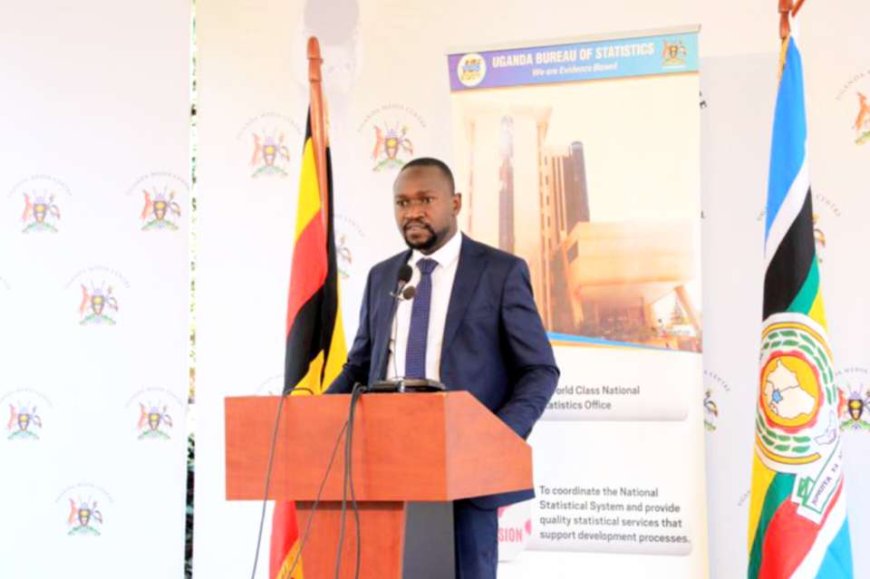
The Uganda Bureau of Statistics (UBOS) has announced plans to release eight major national statistical reports between March 12, 2026 and early May 2026, in a move aimed at strengthening evidence-based planning and informed public debate in Uganda.
Addressing the media on behalf of UBOS Executive Director and Chief Statistician Chris Mukiza, the Bureau’s Public Relations Officer Didacus Okoth said the reports will provide critical data on key sectors including health, employment, poverty levels, education and human resources.
Okoth explained that the releases are part of UBOS’s statistical dissemination calendar designed to promote transparency while providing reliable data to guide national planning and policy formulation.
Among the key reports expected is the 2025 Malaria Indicator Survey, which will present updated findings on malaria prevalence, prevention measures and treatment interventions across the country. The survey is expected to inform government strategies aimed at reducing the burden of malaria in Uganda.
UBOS will also publish the 2025 Labour Market Survey, providing insights into employment trends, labour force participation and job creation across different sectors of the economy.
Another major report to be released is the 2024 Multidimensional Poverty Index, which measures poverty beyond income by assessing factors such as education, health and living standards.
Other publications scheduled for release include the Orphans and Vulnerable Children Census Monograph, the Baseline Education Census Report, the National Human Resource (Manpower) Survey, the Uganda Aquaculture Census Report, and the Uganda Harmonised Indicator Survey.
UBOS said the reports will be released in phases to ensure stakeholders including government agencies, development partners, researchers and the public can access the data and use it to guide decision-making.
The bureau noted that the findings will play a critical role in shaping policy discussions and development programmes, particularly in areas related to poverty reduction, employment creation, public health and education.
With the upcoming releases, UBOS reaffirmed its commitment to providing high-quality official statistics that support national development planning and strengthen accountability in public policy formulation.

Benjamin Mwibo is a talented, passionate and creative journalist with a commitment to high quality out put that is factual and researched. Above all Dedicated with a strong desire to identify the truth of the matter.















Comments (0)