
Uganda Receives First Group Under U.S. Migration Pact as Government Defends Safe Third Country Role
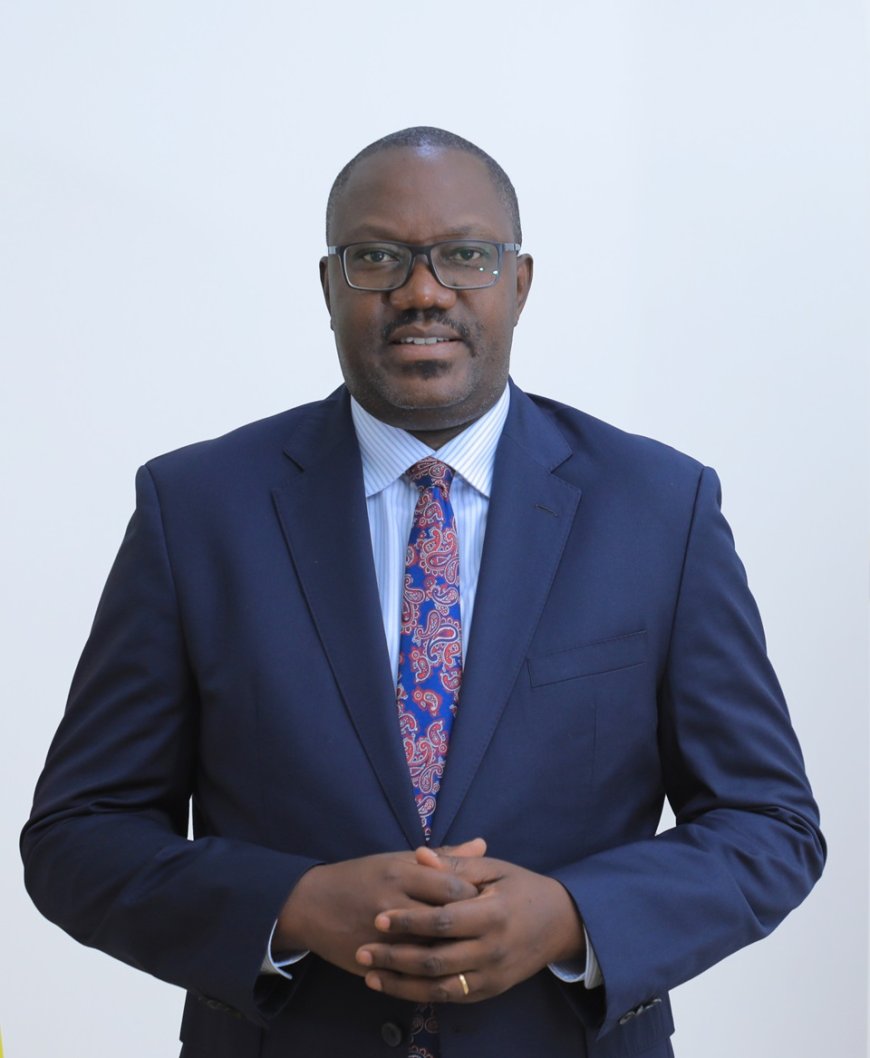
In a press statement issued on April 3, 2026, Bagiire Vincent Waiswa, the Permanent Secretary at the Ministry of Foreign Affairs Uganda, said the arrangement falls under the “Agreement for Cooperation in the Examination of Protection Requests” between the Republic of Uganda and the United States of America.
The Government of Uganda has confirmed the arrival of a group of eight individuals transferred from the United States under a bilateral migration cooperation agreement, marking the first implementation of a deal signed between the two countries in July 2025.
In a press statement issued on April 3, 2026, Bagiire Vincent Waiswa, the Permanent Secretary at the Ministry of Foreign Affairs Uganda, said the arrangement falls under the “Agreement for Cooperation in the Examination of Protection Requests” between the Republic of Uganda and the United States of America.
Background of the Agreement
The agreement, signed in July 2025, provides a framework for handling asylum-related cases involving third-country nationals—individuals who are neither Ugandan nor American citizens. According to the Ministry, the arrangement specifically targets persons of African origin who may have failed to secure asylum in the U.S. and are unwilling or unable to return to their countries of origin due to safety concerns.
Uganda, under this framework, is designated as a “safe third country,” meaning it is considered capable of processing protection requests while upholding international humanitarian standards.
First Group Arrives in Kampala
The statement confirms that the first group of eight individuals arrived in Kampala on April 1, 2026, following approval of their cases by a U.S. immigration judge. Their applications for protection will now be assessed by Ugandan authorities in line with national laws and international obligations.
The Ministry emphasized that details about the individuals will remain confidential, citing privacy considerations.
Legal and Human Rights Framework
Mr. Bagiire underscored that the agreement aligns with Uganda’s domestic legal framework and international commitments, particularly the principle of non-refoulement. This principle, a cornerstone of international refugee law, prohibits the return of individuals to countries where they may face persecution, torture, or inhumane treatment.
The Government maintains that all individuals transferred under this arrangement will be treated with dignity and afforded due process as their protection claims are examined.
Uganda’s Refugee Policy in Focus
Uganda has long been recognized for its progressive refugee policies, hosting one of the largest refugee populations in Africa. The latest development reinforces the country’s positioning as a regional humanitarian hub, willing to collaborate on global migration challenges.
Officials argue that the agreement reflects Uganda’s continued commitment to offering sanctuary to vulnerable populations while balancing international cooperation.
While the government frames the agreement as a humanitarian and lawful partnership, it is likely to attract scrutiny from civil society groups and migration experts, particularly regarding capacity, long-term integration, and the broader implications of hosting individuals denied asylum elsewhere.
Nonetheless, the Ministry insists the arrangement is structured, lawful, and guided by international best practices.
As Uganda begins to process the protection requests of the newly arrived group, attention will turn to how the agreement is implemented in practice, including transparency, safeguards, and outcomes for the individuals involved.
The Ministry has indicated that further updates may be provided as the process unfolds, signaling that this initial transfer could be the beginning of a broader operational phase under the Uganda-U.S. migration cooperation framework.

John Kusolo is a Pastor, Sports Enthusiast and Ugandan journalist with Nile Chronicles News (NCN). With a strong commitment to journalistic excellence, he is recognized for his dedication, goal-oriented approach, and ability to thrive in challenging environments. Kusolo brings focused motivation and professionalism to his reporting and media assignments.














Comments (0)