
Government, Pentecostal Churches Engage in Dialogue Over Trade Order Implementation
The consultative meeting, convened on Wednesday by the Minister of Local Government, Hon. Raphael Magyezi, brought together key government officials and the Joint Leadership of Born Again Pentecostal Churches, led by Pastor Joseph Serwada. The engagement aimed to harmonize perspectives and ensure that enforcement measures align with both regulatory objectives and community interests.
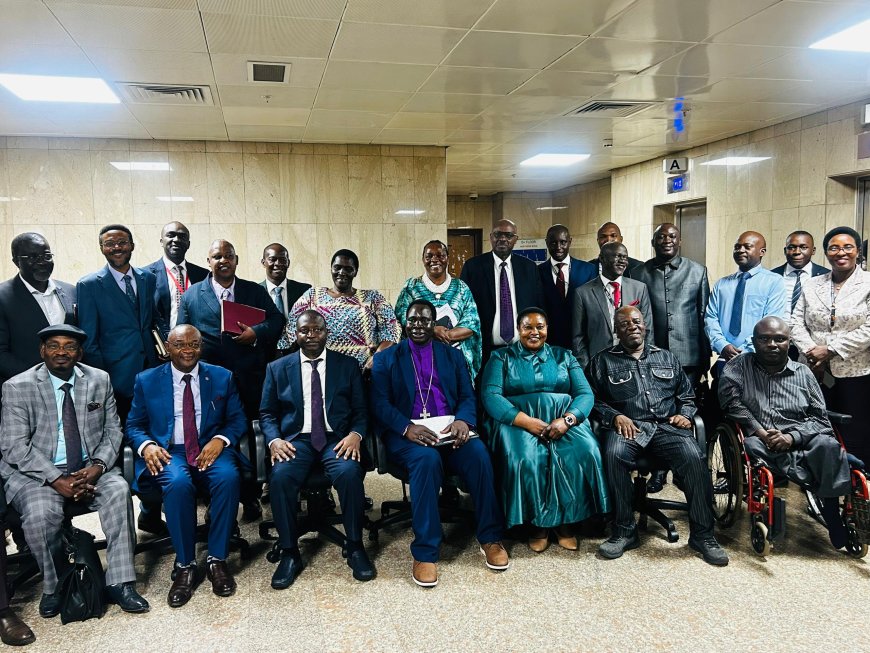
The Government of Uganda has initiated a constructive dialogue with leaders of Born Again Pentecostal Churches to address emerging concerns surrounding the implementation of the ongoing trade order in urban centres.
The consultative meeting, convened on Wednesday by the Minister of Local Government, Hon. Raphael Magyezi, brought together key government officials and the Joint Leadership of Born Again Pentecostal Churches, led by Pastor Joseph Serwada. The engagement aimed to harmonize perspectives and ensure that enforcement measures align with both regulatory objectives and community interests.
Government Defends Trade Order Gains
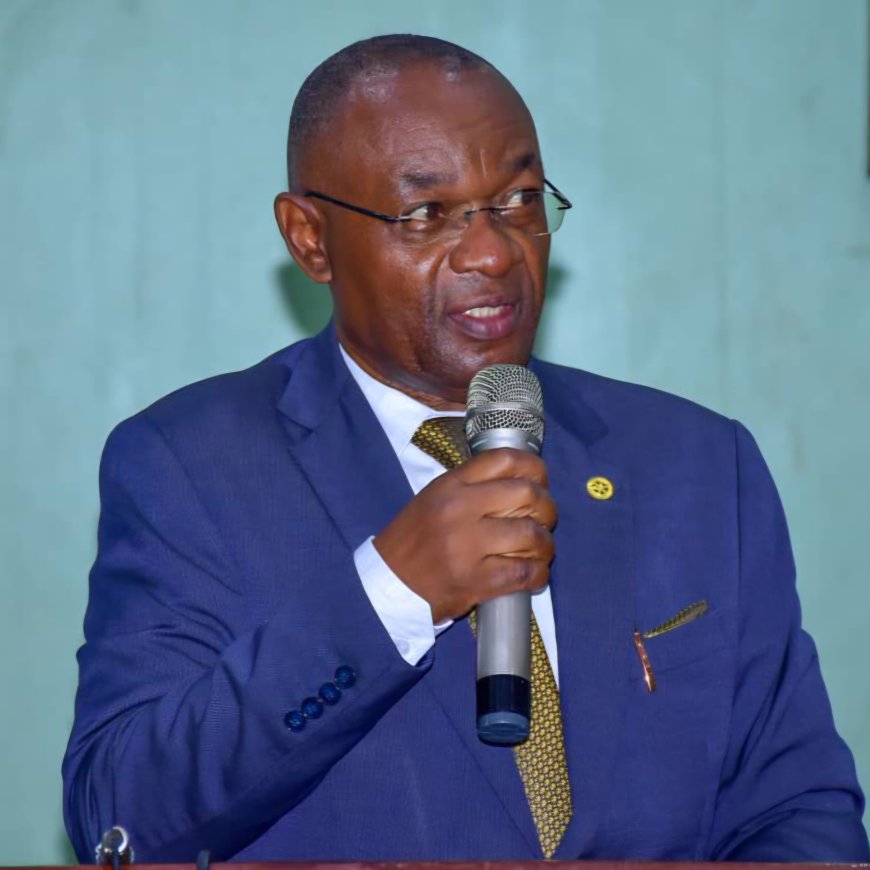
Speaking during the meeting, Hon. Magyezi emphasized that the trade order exercise—launched through a March circular—is intended to restore order and improve the functionality of urban areas across the country. He noted that the initiative is anchored on enforcing urban planning regulations, enhancing sanitation, and creating safer, more organized business environments.
The Permanent Secretary in the Ministry of Local Government, Mr. Ben Kumumanya, underscored the progress already achieved. He highlighted improved organization in major towns, increased occupancy of gazetted markets in areas such as Mbale, Hoima, Nyendo, and Kasese, as well as reduced congestion on roads. According to Kumumanya, the exercise has also contributed to better traffic flow, restoration of drainage systems, and enhanced sanitation standards in urban centres.
“We must protect the gains made so far,” he stated, stressing the importance of sustaining the momentum of the reforms.
Religious Leaders Raise Concerns
Despite the reported progress, leaders from the Pentecostal community expressed concern over the unintended impact of enforcement measures on places of worship. They cited cases where churches were reportedly affected despite operating outside restricted zones such as road reserves and wetlands.
Concerns were also raised about inconsistencies in enforcement across different local governments, as well as the conduct of some field officers tasked with implementing the directive. The church leaders called for fairness, clarity, and sensitivity in the execution of the trade order, particularly where religious institutions are concerned.
Government Pledges Clarity and Fairness
In response, the government acknowledged the concerns and committed to addressing them through strengthened coordination and clearer guidelines. Hon. Magyezi reassured stakeholders that places of worship operating within the law should not be adversely affected.
“We are strengthening the breakdown and communication of standard operating procedures to guide enforcement across all local governments, so that implementation is clear, consistent, and leaves no room for confusion,” he said.
The Minister further noted that efforts are underway to ensure that enforcement is conducted professionally and in accordance with established legal frameworks.
Key Resolutions and Next Steps
The meeting concluded with agreement on several key actions aimed at improving the implementation process. These include refining enforcement guidelines, enhancing public sensitization efforts, and allowing more time for consultations with affected stakeholders.
Both parties also agreed to convene a follow-up meeting after broader stakeholder engagement to assess progress and address any outstanding concerns.
High-Level Participation
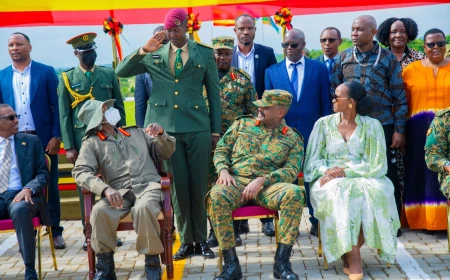
The dialogue was attended by several senior government officials, reflecting its significance. Among those present were the Minister for the Presidency, Hon. Milly Babalanda; the Minister of State for Trade, Industry and Cooperatives (Industry), Hon. David Bahati; the Minister of State for Gender, Labour and Social Development (PWDs), Hon. Hellen Asamo; and the Minister of State for Gender, Labour and Social Development (Culture), Hon. Peace Mutuzo.
Balancing Order and Inclusivity
The engagement marks a step toward balancing the government’s urban order agenda with the rights and concerns of community institutions, particularly religious organizations. As implementation continues, both government and stakeholders appear committed to fostering a collaborative approach that ensures compliance while safeguarding lawful operations.
The outcome of the dialogue is expected to shape the next phase of the trade order enforcement, with an emphasis on clarity, consistency, and inclusivity across all urban centres in Uganda.

John Kusolo is a Pastor, Sports Enthusiast and Ugandan journalist with Nile Chronicles News (NCN). With a strong commitment to journalistic excellence, he is recognized for his dedication, goal-oriented approach, and ability to thrive in challenging environments. Kusolo brings focused motivation and professionalism to his reporting and media assignments.











Comments (0)