
Bamasaaba Cultural Institution Moves to Tackle Teenage Pregnancy, Alcohol Abuse and Traditional Birth Attendants
Hon. Steven Masiga, the spokesperson of the Bamasaaba cultural institution, said the cultural leadership was concerned about the health challenges identified in the report and was ready to mobilise communities through traditional clan structures to support government efforts to improve healthcare.
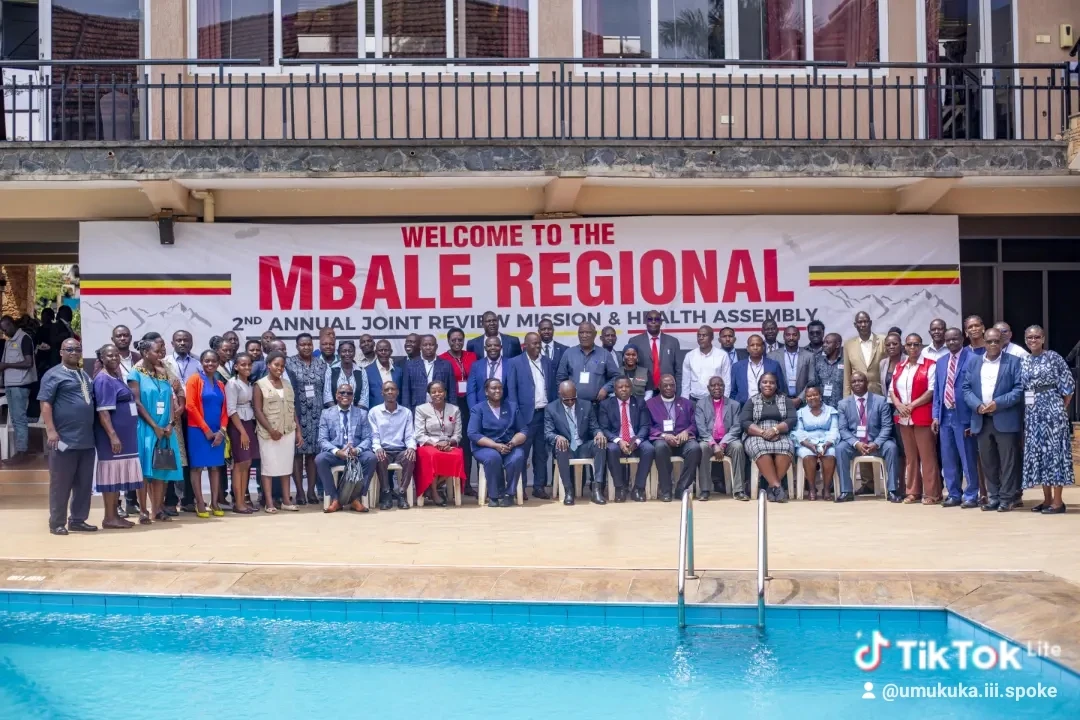
By Steven Masiga
The Bamasaaba cultural institution has pledged to work with the Ministry of Health and its development partners to address persistent health challenges in the Elgon sub-region, including teenage pregnancies, alcohol abuse, maternal deaths and the continued reliance on traditional birth attendants.
The commitment follows the presentation of the 2025/2026 annual health performance report by Mbale Regional Referral Hospital, which highlighted significant progress in healthcare delivery alongside persistent challenges affecting communities across the Elgon region.
Hon. Steven Masiga, the spokesperson of the Bamasaaba cultural institution, said the cultural leadership was concerned about the health challenges identified in the report and was ready to mobilise communities through traditional clan structures to support government efforts to improve healthcare.
Masiga, who represented the cultural institution's leadership at the recent Ministry of Health Annual Health Assembly, said the institution considered the health and well-being of the Bamasaaba people a critical priority, adding that a sick and vulnerable population undermines community development.
He said the cultural institution would work closely with the Ministry of Health, Mbale Regional Referral Hospital and other healthcare stakeholders to address practices and behaviours contributing to preventable illnesses and deaths.
Traditional birth attendants blamed for delayed referrals
One of the major concerns raised by Masiga was the continued reliance on traditional birth attendants (TBAs), particularly by expectant mothers who seek their services during labour despite the availability of government health facilities.
He questioned why some mothers still turn to traditional birth attendants when government has deployed qualified medical personnel in health facilities across the country.
"Why should an expectant mother check in at a traditional birth attendant during labour when there are several health units spread across the country by the Government to provide health services?" Masiga asked.
He said the cultural institution would use its established clan structures to sensitise communities about the importance of delivering in recognised health facilities and discourage practices that expose mothers and newborns to preventable complications.
According to the health report presented at the assembly, delayed referrals and the involvement of traditional birth attendants in managing childbirth were among the factors contributing to maternal deaths in the Elgon sub-region.
Masiga said the institution was particularly concerned about situations in which mothers experience complications during labour but fail to reach appropriate medical facilities in time.
He called for collective action involving cultural leaders, health workers and communities to promote skilled birth attendance and timely referrals.
Cultural leaders raise alarm over teenage pregnancies
The cultural institution also expressed concern about teenage pregnancies, which the health report identified as a significant challenge, particularly in Bududa and Namisindwa districts.
Masiga said the institution was determined to work with parents, clan leaders and other stakeholders to address practices that expose young girls to early sexual activity and teenage pregnancies.
He specifically expressed concern about certain cultural celebrations and practices associated with Imbalu, saying some activities surrounding the celebrations could expose girls to sexual activity at an early age.
The spokesperson said the institution would use its cultural structures to discourage practices it considers harmful to the health and future of young girls.
He emphasised the need for collective responsibility in protecting young people and addressing the circumstances contributing to teenage pregnancies.
The institution's proposed interventions are expected to involve community sensitisation and engagement with other stakeholders to address the social and cultural factors associated with the problem.
Alcohol abuse and non-communicable diseases
Masiga also raised concerns about excessive alcohol consumption, linking it to liver ailments and other health challenges affecting communities in the Elgon region.
He said alcohol abuse, alongside unhealthy dietary habits, required urgent attention from cultural leaders and health stakeholders.
The 2025/2026 health report identified diabetes and hypertension among the major causes of mortality in the region, alongside malaria, liver ailments and pneumonia.
Masiga said the cultural institution would encourage communities to adopt healthier lifestyles, including reducing excessive salt and sugar consumption and addressing behaviours associated with preventable illnesses.
He called on Bamasaaba communities to take greater responsibility for their health by embracing preventive healthcare and seeking medical attention whenever necessary.
The institution also intends to mobilise communities to participate in activities that promote physical fitness and healthier living.
Umukuuka to lead community health initiatives
As part of its response, the Bamasaaba cultural institution is developing a strategy to involve its leadership and clan structures in community health promotion.
Masiga said the Umukuuka of the Bamasaaba, His Highness Jude Mike Mudoma III, would take a leading role in mobilising communities for health-related activities, including organised community runs.
The proposed activities will be aimed at encouraging physical exercise, raising awareness about non-communicable diseases and promoting healthier lifestyles among the Bamasaaba.
The cultural institution also intends to use the influence of traditional leaders to encourage people to reduce their consumption of salt and sugar and seek preventive healthcare services.
Masiga said the institution was committed to working with the Ministry of Health and its partners to translate the concerns raised in the health report into practical community interventions.
Health report highlights progress and persistent challenges
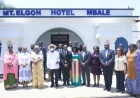
The Ministry of Health's Annual Health Assembly brought together representatives from approximately 17 districts and urban authorities in the Elgon cluster to review healthcare performance and discuss challenges affecting service delivery.
The participating areas included Butebo, Bukwo, Bududa, Kibuku, Namisindwa, Manafwa, Sironko, Butaleja, Kween, Kapchorwa, Tororo, Mbale City, Mbale District, Bulambuli, Pallisa and Busia, among others.
During the assembly, Mbale Regional Referral Hospital's leadership presented the 2025/2026 health performance report, outlining achievements as well as areas requiring further intervention.
The report identified malaria, diabetes, hypertension, liver ailments and pneumonia among the leading causes of death in the region. Other common health challenges included intestinal worms, cough, skin diseases, snakebites and urinary tract infections.
The presentation also highlighted the burden of maternal mortality, with delayed referrals and the continued use of traditional birth attendants identified as contributing factors.
However, the cultural institution welcomed the progress made by the Ministry of Health and its partners in strengthening healthcare services, including efforts to address maternal mortality and the development of cancer treatment facilities.
Masiga commended the leadership of Mbale Regional Referral Hospital, particularly the hospital's in-charge, Dr Arinyo Baifa, and hospital planner Dr Wanasolo, for their contribution to healthcare delivery in the region.
He also praised the Ministry of Health and its development partners for their continued efforts to improve access to medical services.
Partnership with health stakeholders
The Bamasaaba cultural institution intends to strengthen collaboration with several organisations involved in healthcare delivery, including AMREF, Bulamu, Busitema University, the School of Hygiene, the World Health Organization (WHO) and The AIDS Support Organisation (TASO).
Masiga said working with these institutions would help the cultural leadership mobilise communities, promote preventive healthcare and support interventions targeting the health challenges identified in the regional report.
He said the institution recognised that improving community health required cooperation between government, cultural leaders, healthcare professionals and development partners.
The institution's commitment is also aligned with the Ministry of Health's vision of building a responsive, resilient and people-centred health system that protects and promotes the health and well-being of Ugandans.
Masiga said the cultural institution would use its influence to complement government programmes rather than leave healthcare responsibilities entirely to medical personnel.
He maintained that community participation was essential in addressing preventable deaths, unhealthy lifestyles and cultural practices that could undermine healthcare interventions.
The spokesperson said the institution's participation in the annual health review had provided an opportunity to understand the challenges facing the region and the progress being made by healthcare providers.
He pledged that the cultural leadership would continue engaging communities through its established structures to ensure that health messages reach households across Bugisu and the wider Elgon region.
Masiga reiterated that the Bamasaaba cultural institution was committed to working with the Ministry of Health and its partners to promote healthier communities, reduce preventable deaths and improve the well-being of its people.
The writer is the Spokesperson of the Bamasaaba cultural institution
Tel :0782231577.

John Kusolo is a Pastor, Sports Enthusiast and Ugandan journalist with Nile Chronicles News (NCN). With a strong commitment to journalistic excellence, he is recognized for his dedication, goal-oriented approach, and ability to thrive in challenging environments. Kusolo brings focused motivation and professionalism to his reporting and media assignments.











Comments (0)