
Umukuuka Mudoma Heads to Ethiopia to Champion Culture as an Engine of Economic Growth
The Umukuuka's participation at the international gathering provides an opportunity to showcase the contribution of African cultural heritage, traditional institutions and indigenous knowledge to socio-economic transformation, regional integration and sustainable development.
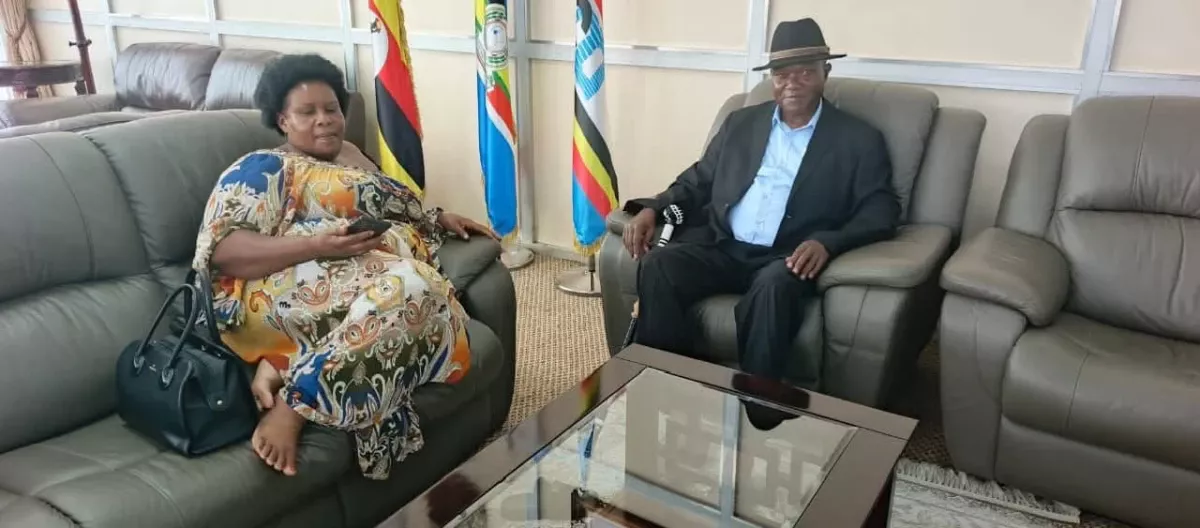
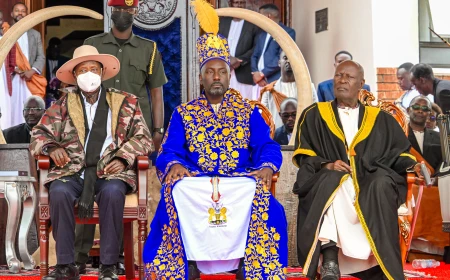
His Royal Highness Sir Jude Mike Mudoma III, the Umukuuka of Bugisu, is representing East African cultural leaders at an international engagement in Ethiopia, where he is expected to deliver a paper highlighting the role of culture in driving economic development.
The Umukuuka's participation at the international gathering provides an opportunity to showcase the contribution of African cultural heritage, traditional institutions and indigenous knowledge to socio-economic transformation, regional integration and sustainable development.
During the engagement, His Royal Highness is expected to present a paper titled “Culture as a Driver of Economic Development,” examining how cultural heritage, traditions and cultural institutions can be harnessed as important resources for economic growth and development.
The presentation is expected to highlight the need for African societies to move beyond viewing culture merely as a symbol of identity and heritage, and instead recognise its potential as an important contributor to economic advancement.
Culture remains a significant part of Africa's social and economic fabric, influencing tourism, creative industries, traditional craftsmanship, music, dance, fashion, food, community enterprises and other economic activities that support livelihoods and create employment opportunities.
For cultural institutions, the opportunity lies in developing strategies that preserve traditional values while encouraging communities to turn their cultural resources into sustainable economic opportunities.
Mudoma's presentation is also expected to draw attention to the role of traditional leadership in safeguarding cultural heritage, promoting social cohesion and mobilising communities around development initiatives.
As custodians of cultural values and traditions, traditional leaders occupy an important position in preserving indigenous knowledge, protecting historical sites and promoting cultural practices that define the identity of their respective communities.
Their influence can also contribute to community mobilisation, peaceful coexistence, responsible management of cultural resources and the promotion of locally driven development initiatives.
Promoting African Identity and Regional Cooperation
The Umukuuka's participation further underscores the importance of strengthening cooperation among African cultural institutions and traditional leaders.
East Africa is endowed with diverse cultural identities, languages, traditions and historical heritage that can be transformed into opportunities for regional cooperation, tourism development and cultural exchange.
Through platforms that bring together cultural leaders from different countries, African communities can share experiences, explore common development priorities and develop approaches to preserving their heritage in an increasingly interconnected world.
Such engagements also provide opportunities to promote African identity and ensure that indigenous knowledge and traditional values remain relevant to contemporary development discussions. .
The emphasis on culture as an economic resource comes at a time when African countries are increasingly exploring ways of diversifying their economies, creating employment opportunities for young people and promoting locally generated wealth.
Cultural and creative industries, when properly supported, can provide opportunities for entrepreneurs, artists, artisans, performers, tourism operators and other players within the creative economy.
Bugisu's Cultural Heritage on the International Stage
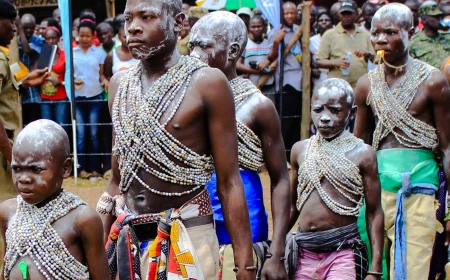
For the Bugisu cultural institution, Mudoma's participation presents an opportunity to project the cultural identity and heritage of the Bamasaaba community beyond Uganda's borders.
The Umukuuka institution plays an important role in preserving Bugisu's cultural heritage, traditions and customs while encouraging unity and collective responsibility among the Bamasaaba.
The institution has consistently emphasised the importance of protecting cultural identity and ensuring that traditional values are passed on to younger generations.
The international engagement in Ethiopia therefore provides a platform through which the Bugisu cultural institution can contribute to broader conversations about the relationship between culture, economic development and Africa's future.
Mudoma's expected presentation also reinforces the argument that cultural preservation and economic development should not be treated as competing priorities. Rather, communities can protect their heritage while using it to create opportunities for growth, innovation and improved livelihoods.
As African countries pursue sustainable development, the recognition of culture as an economic asset could strengthen the contribution of traditional institutions to national and regional development agendas.
Mudoma's representation of East African cultural leaders at the international engagement is consequently an important opportunity to advance discussions on how Africa can preserve its cultural identity while harnessing its rich heritage as a foundation for economic transformation.

John Kusolo is a Pastor, Sports Enthusiast and Ugandan journalist with Nile Chronicles News (NCN). With a strong commitment to journalistic excellence, he is recognized for his dedication, goal-oriented approach, and ability to thrive in challenging environments. Kusolo brings focused motivation and professionalism to his reporting and media assignments.










Comments (0)