
Aceng Convenes Inaugural Whips’ Meeting, Tayebwa Calls for Constructive Parliamentary Debate
The meeting provides a platform for parliamentary leaders responsible for legislative business, committee oversight and party coordination to harmonise their activities and improve the effectiveness of parliamentary proceedings.
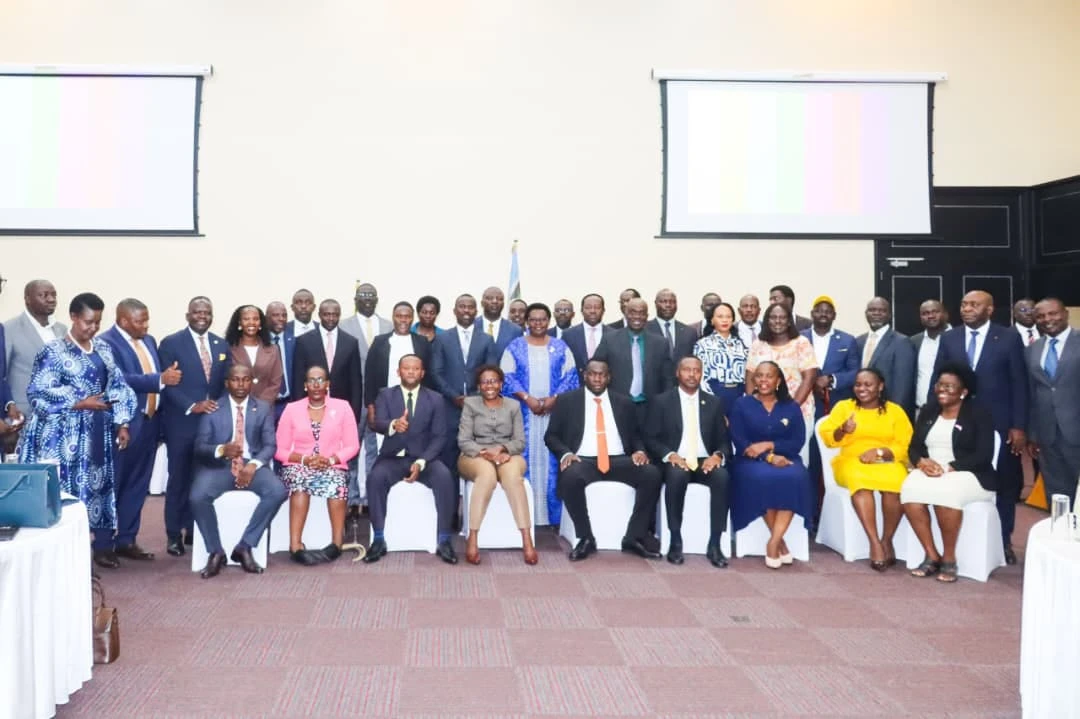
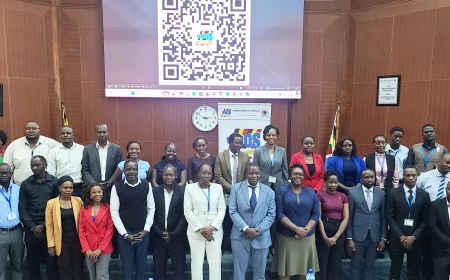
Government Chief Whip Hon. Dr. Jane Ruth Aceng has convened the inaugural monthly coordination meeting bringing together Parliamentary Committee Chairpersons, Standing Committee Whips, and NRM Regional and Zonal Whips, in a move aimed at strengthening legislative scrutiny, improving coordination and enhancing party cohesion in Parliament.
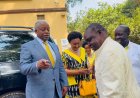
The meeting was held at Mestil Hotel in Kampala, with Deputy Speaker of Parliament Rt. Hon. Thomas Tayebwa officially opening the gathering and calling for more meaningful, constructive and issue-based debate in the House.
The meeting provides a platform for parliamentary leaders responsible for legislative business, committee oversight and party coordination to harmonise their activities and improve the effectiveness of parliamentary proceedings.
According to Dr. Aceng, the monthly coordination meetings are intended to strengthen legislative scrutiny while promoting unity and cohesion among members of the governing party as they execute their responsibilities in Parliament.
The initiative brings together leaders whose respective roles are central to the consideration of Bills, examination of government policies, oversight of public programmes and coordination of parliamentary business.
Committee Chairpersons play a key role in examining proposed legislation, scrutinising government policies and programmes, and guiding committee deliberations on matters referred to them by Parliament.
Standing Committee Whips help coordinate members’ participation in committee business, while Regional and Zonal Whips support political mobilisation, communication and efforts to ensure members are present to participate in parliamentary proceedings and maintain quorum.
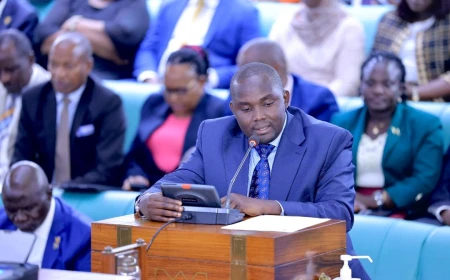
Addressing the meeting, Tayebwa emphasised the importance of meaningful and constructive debate, highlighting the need for parliamentary discussions to contribute to the country's governance and legislative agenda.
His call underscores the importance of Parliament as a forum for examining public policy, debating proposed laws and holding government institutions accountable through informed and substantive deliberations.
Constructive debate is also critical to ensuring that legislation receives adequate scrutiny and that competing views are considered before decisions are made on matters affecting the country.
The coordination meeting is expected to provide an opportunity for parliamentary leaders to discuss challenges affecting committee operations, improve communication between party whips and committee leadership, and promote a more coordinated approach to legislative business.
Regular engagement among the different leadership structures could also help address gaps in communication, improve attendance during important parliamentary sessions and ensure that members are adequately prepared for debates and committee assignments.
The emphasis on party cohesion reflects the importance of coordination among parliamentary leaders in managing legislative priorities while ensuring that members effectively discharge their responsibilities in the House.
However, effective parliamentary performance also depends on the quality of debate, the thoroughness of committee scrutiny and the ability of legislators to examine policy proposals in the public interest.
The inaugural meeting marks the beginning of a monthly engagement framework through which the Government Chief Whip intends to bring together committee leaders and whips to strengthen coordination and improve the conduct of parliamentary business.
The initiative comes at a time when Parliament remains central to the consideration of legislation, approval of government programmes and scrutiny of public expenditure and service delivery.
Through sustained coordination, the participating leaders are expected to improve collaboration across parliamentary structures and support more organised, informed and productive legislative proceedings.
The success of the monthly meetings will ultimately depend on how effectively the discussions translate into improved committee performance, stronger legislative oversight, better attendance and more substantive debate in Parliament.

John Kusolo is a Pastor, Sports Enthusiast and Ugandan journalist with Nile Chronicles News (NCN). With a strong commitment to journalistic excellence, he is recognized for his dedication, goal-oriented approach, and ability to thrive in challenging environments. Kusolo brings focused motivation and professionalism to his reporting and media assignments.









Comments (0)