
PS Kakande: Public Servants Must Be Ready to Serve Anywhere
Kakande made the remarks on September 8, 2026, while opening the sixth Administrative Officers’ Forum at Bomah Hotel in Gulu City.
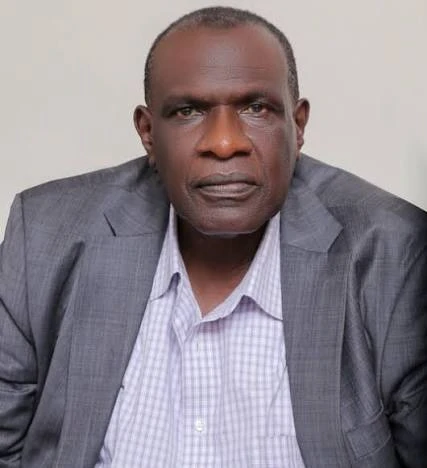
GULU CITY — Secretary in the Office of the President Hajji Yunus Kakande has urged public administrators to embrace transfers as a normal requirement of public service, saying civil servants should be ready to serve wherever government deploys them.
Kakande made the remarks on September 8, 2026, while opening the sixth Administrative Officers’ Forum at Bomah Hotel in Gulu City.
The four-day forum, held under the theme “Awake for Service: Professional Public Administration for Integrity, Accountability and National Transformation,” brought together undersecretaries, principal assistant secretaries, senior assistant secretaries, assistant secretaries, personal assistants and hospital administrators from government institutions across the country.
Public servants should embrace transfers
Kakande said the Office of the President had received complaints from some administrators who had been transferred but were reluctant to report to their new duty stations.
He said some officers had become accustomed to particular positions and were resisting relocation despite the requirements of public service.
“I wonder why some of you don't want to be transferred. How could you ask why you are transferring me and leaving the other one around? Actually, it was the President's directive, which shouldn't be turned down,” Kakande said.
He reminded public servants that their responsibility is to serve wherever they are deployed in accordance with the law.
“In accordance with the law, you are required to serve in any part of the country. Now why are you refusing? Try to be flexible and professional,” he said.
Kakande said transfers should not only be viewed as movements from one station to another but also as opportunities for officers to gain experience in different working environments.
Transfers to broaden experience
According to Kakande, public administrators need to understand government as a system rather than restricting their knowledge to their immediate offices or departments.
“The effective Administrative Officer must understand how the Government works as a system,” he said.
He encouraged administrators to read widely, consult experienced colleagues, participate in professional discussions and continuously update themselves on laws, policies, regulations, government programmes and reforms.
“The Public Service is changing, and the administrator who does not continue learning will inevitably find it increasingly difficult to remain effective,” Kakande said.
He revealed that government had also started moving secretaries and undersecretaries between institutions to expose them to different areas of public administration and prepare them for greater responsibilities.
He said such exposure could help build a pool of administrators with the experience required to take on senior leadership responsibilities.
Career progression should be based on merit
Kakande challenged members of the Administrative Cadre to demonstrate their value through competence, responsiveness and measurable results.
He said the opening of the Undersecretary position to officers from other cadres meant administrators could no longer rely solely on longevity in service when seeking career advancement.
“Business can no longer continue as usual; you must actively prove your value through exceptional competence, quick responsiveness and measurable results,” he said.
He stressed that simply occupying a position for a long period should not automatically guarantee promotion.
“Career progression is no longer guaranteed by tenure, but earned through merit,” he said.
Kakande also urged senior administrators to mentor junior officers and prepare them to take on leadership responsibilities in the future.
“Occupying a senior position is not the final goal. True leadership is measured by the capable successors you build,” he said.
He called on undersecretaries to coach, mentor and delegate responsibilities to junior officers while exposing them to different areas of government operations.
Integrity and accountability
Kakande further called for high standards of integrity, discipline and accountability among public administrators, noting that they handle public resources, official information, procurement processes, human-resource matters and government records.
He urged administrators to observe impartiality, confidentiality and fairness while following established government procedures.
“Your conduct must demonstrate that public service is a trust and not a personal entitlement,” Kakande said.
He warned against corruption and indiscipline and encouraged public servants to live within their legitimate means.
“Public service is not a path to sudden wealth. Live within your legitimate means,” he said.
Kakande said civil servants could engage in lawful businesses to supplement their incomes, provided such activities did not conflict with their official duties.
Salary concerns
The Office of the President Secretary also addressed concerns about remuneration within the public administration fraternity.
He said his office was engaging relevant authorities on possible improvements in salaries and conditions of service for administrators.
Kakande also encouraged public administrators to pursue further education, including master's degrees and other postgraduate qualifications, to strengthen their professional competencies and improve their competitiveness for senior positions.
Hospital administrators urged to integrate
Kakande said hospital administrators should be considered part of the wider public administration system because of the significant administrative responsibilities they perform within government health institutions.
He called for greater organisation within the cadre and the development of a clear scheme of service to guide career development and professionalisation.
Administrators acknowledge transfer anxiety
The outgoing Chairperson of the Public Administrators Association of Uganda (PAAU), Dr Freddie Mugunga, acknowledged that ongoing transfers had created anxiety among some administrators.
However, he urged members to remain united and focused on their responsibilities.
“Ever since the issue of transfers came into place, there's been a frenzy and anxiety among the administrators. We shouldn't be enemies of ourselves. Not every person will be promoted,” Mugunga said.
Mugunga commended Kakande for supporting professional development and providing opportunities for administrative officers to meet, exchange experiences and discuss challenges affecting their profession.
He said administrators should be prepared to serve in different ministries and parts of the country depending on government requirements.
Mugunga also raised concerns over reports that some ministers were reluctant to work with personal assistants deployed from the Public Service.
He called on senior government officials to support and guide personal assistants so they can effectively perform their duties.
Forum focuses on public service transformation
The sixth Administrative Officers’ Forum provided a platform for administrators to discuss professionalism, integrity, accountability, institutional performance and the role of public administration in national transformation.
The annual forum is intended to facilitate discussion, training, harmonisation, cohesion and improved effectiveness and efficiency within the Public Service.
Kakande's message centred on the need for a public administration system in which officers remain flexible about deployment, continuously develop their skills, uphold integrity and prepare the next generation of public servants for leadership.
The forum brought together officials from central government institutions and regional referral hospitals to share experiences and best practices while reflecting on challenges affecting the Administrative Cadre.

John Kusolo is a Pastor, Sports Enthusiast and Ugandan journalist with Nile Chronicles News (NCN). With a strong commitment to journalistic excellence, he is recognized for his dedication, goal-oriented approach, and ability to thrive in challenging environments. Kusolo brings focused motivation and professionalism to his reporting and media assignments.
















Comments (0)