
Mahathi Lake Victoria Fuel Project Emerges as Strategic Corridor for Uganda, Kenya and East Africa
The project links Kisumu in Kenya to Bugiri-Bukasa in Uganda through specialised petroleum vessels, storage facilities and supporting road distribution infrastructure.
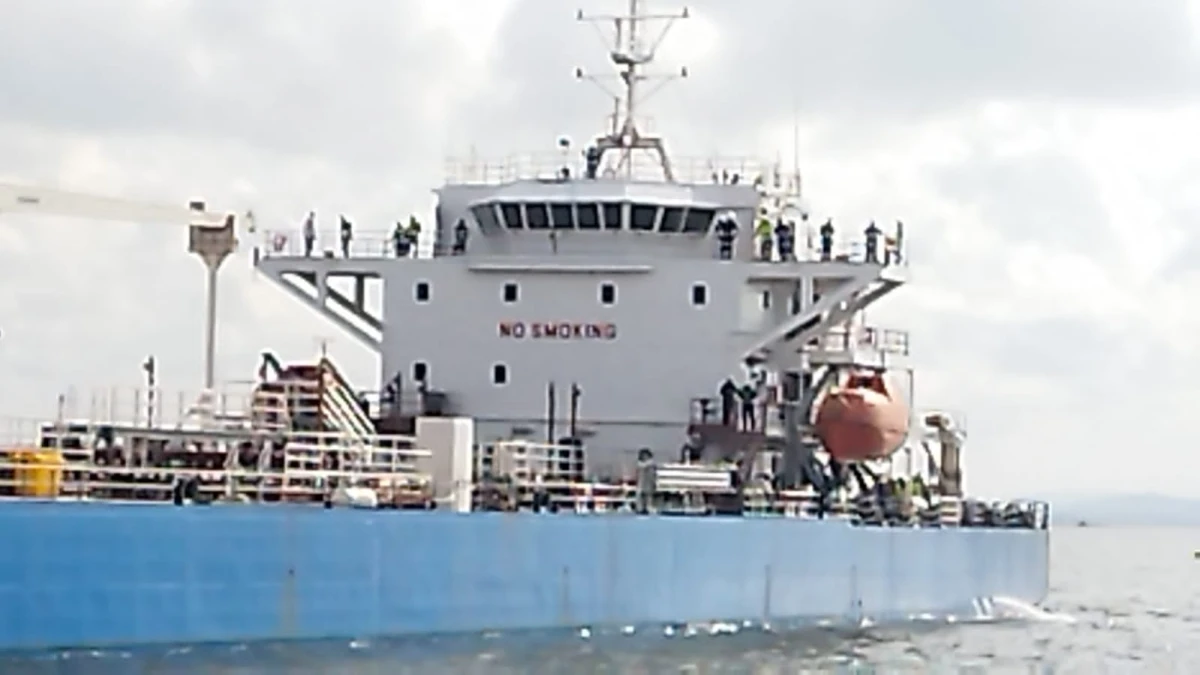
KAMPALA – The transportation and storage of petroleum products across Lake Victoria by Mahathi Infra Uganda Limited is emerging as an important component of Uganda's energy and logistics infrastructure, offering an alternative route for moving bulk fuel from Kenya into Uganda while opening new possibilities for regional trade.
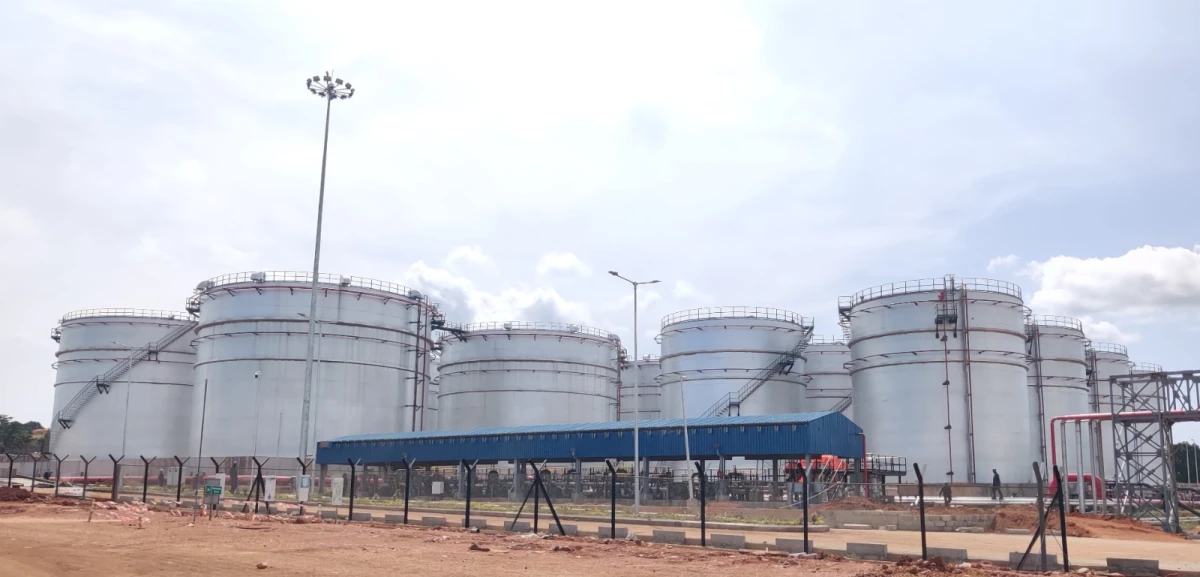
The project links Kisumu in Kenya to Bugiri-Bukasa in Uganda through specialised petroleum vessels, storage facilities and supporting road distribution infrastructure. Its significance extends beyond the commercial operations of one company.
The development comes at a time when Uganda and other landlocked economies are seeking to diversify transport corridors, improve supply-chain resilience and reduce pressure on heavily used road networks.
Through the lake route, refined petroleum products can be transported in bulk from Kisumu before being stored at the Ugandan terminal and subsequently distributed to different parts of the country and potentially neighbouring markets.
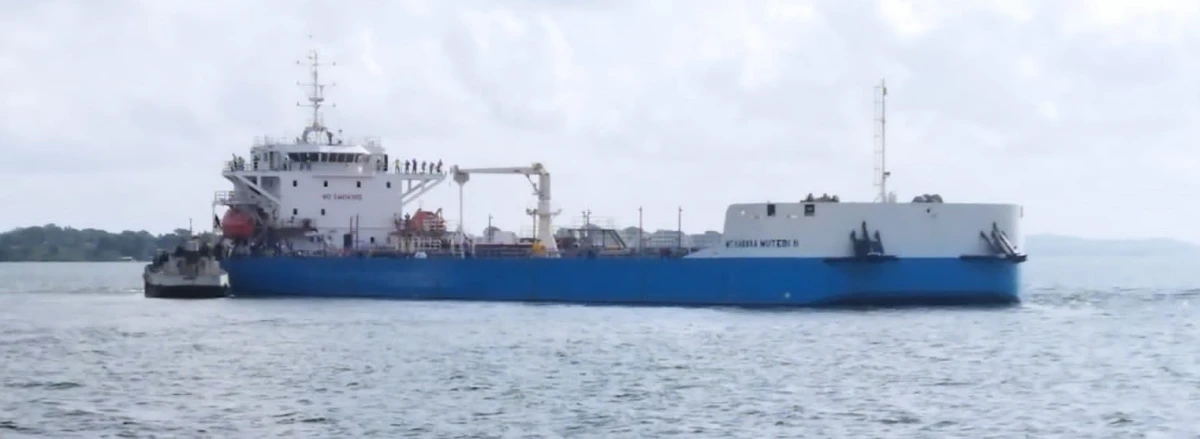
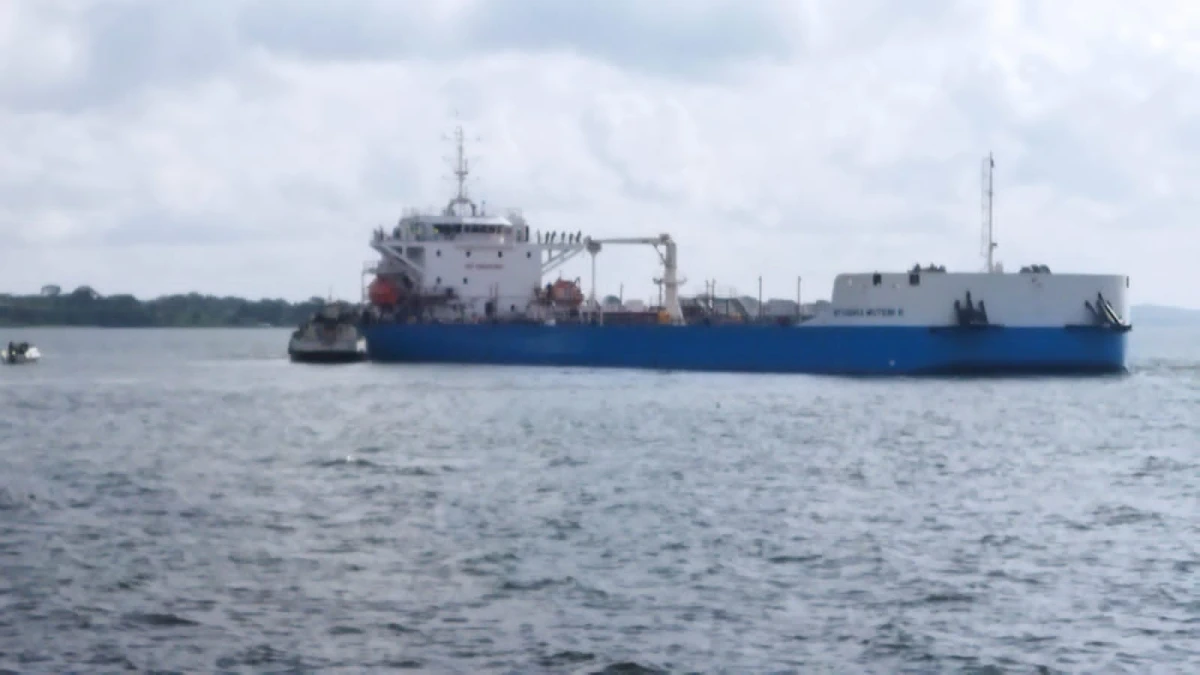
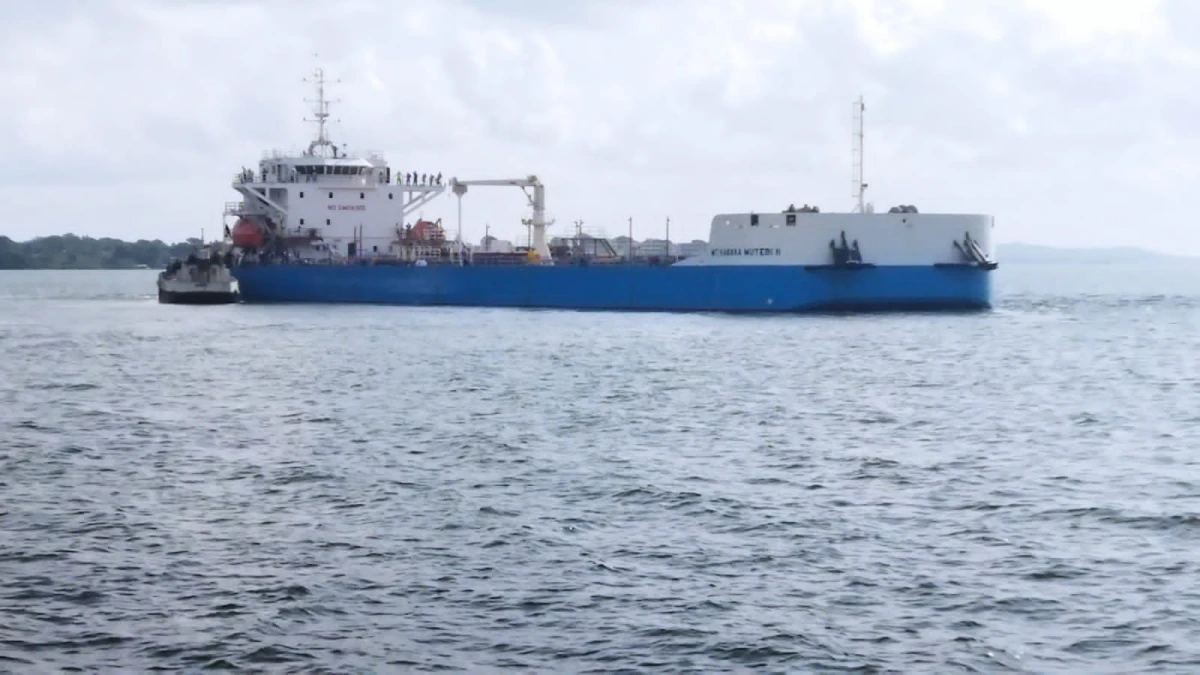
Among the vessels operating on the route are MT Kabaka Mutebi II and MT Elgon, with MT Elgon reported to have a capacity of approximately 4,500 cubic metres, or about 4.5 million litres.
A shipment of that scale represents a significant volume of fuel that can be moved by water instead of requiring numerous road tanker journeys.
This gives Lake Victoria a potentially greater role in Uganda's petroleum supply chain and in the wider East African transport system.
From the Northern Corridor to a multimodal system
Uganda has historically depended heavily on the Northern Corridor for imports, including petroleum products transported by road from Kenya's coast.
The corridor remains critical to the country's economy.
However, reliance on road transportation comes with challenges, including congestion, accidents, border delays, road deterioration and exposure to disruptions along major routes.
Lake transportation provides an additional option.
Instead of requiring the entire journey to be completed by road, bulk fuel can travel by vessel between Kisumu and Uganda, after which road tankers can distribute it from the terminal to inland destinations.
The model therefore does not eliminate road transportation.
It changes its role.
Roads become part of a multimodal logistics chain rather than carrying the entire bulk movement burden from the coast.
Uganda Revenue Authority has previously highlighted the potential for lake transportation to reduce petroleum transportation costs and ease pressure associated with large numbers of fuel tankers using border points such as Malaba and Busia.
The potential benefits include reduced heavy-truck traffic, lower pressure on road infrastructure and potentially improved efficiency in petroleum distribution.
A question of energy security
For a landlocked country, energy security is closely connected to transportation security.
Uganda's economy depends on reliable supplies of petroleum products for transportation, industry, agriculture, construction and other activities.
Any prolonged disruption along a major import route can therefore have wider economic consequences.
Diversifying the transportation system provides an additional layer of resilience.
The lake route cannot eliminate all risks.
Marine transport has its own operational, environmental and weather-related challenges.
But having more than one viable logistics option can reduce the country's dependence on a single mode of transportation.
That is particularly relevant as Uganda's economy and petroleum demand continue to grow.
Mahathi's investment goes beyond vessels
The project is not simply about placing fuel tankers on Lake Victoria.
It involves an interconnected system of marine vessels, terminals, storage tanks, jetties and road distribution.
Mahathi Infra Uganda has invested heavily in developing this infrastructure.
In 2023, the company secured US$95.25 million from Africa Finance Corporation to support expansion of its lake transportation system, including additional barges and associated infrastructure.
The wider investment has been reported at approximately US$270 million.
At Bugiri-Bukasa, the company has developed substantial petroleum storage and marine-handling infrastructure.
Uganda Broadcasting Corporation reported in 2024 that the facility had 14 storage tanks with a combined capacity of 70 million litres and a 256-metre jetty.
The infrastructure provides Uganda with additional strategic fuel-storage capacity while linking storage directly to a lake-based import route.
That combination is important.
A country can have transportation infrastructure without adequate storage, or storage capacity without efficient transportation.
The Mahathi model seeks to connect both.
Kisumu's emerging maritime role Kenya also stands to benefit from the development.
Kisumu is strategically positioned on Lake Victoria and has long been identified as an important commercial centre for western Kenya.
The development of petroleum transportation infrastructure gives the city's port an additional role in regional logistics.
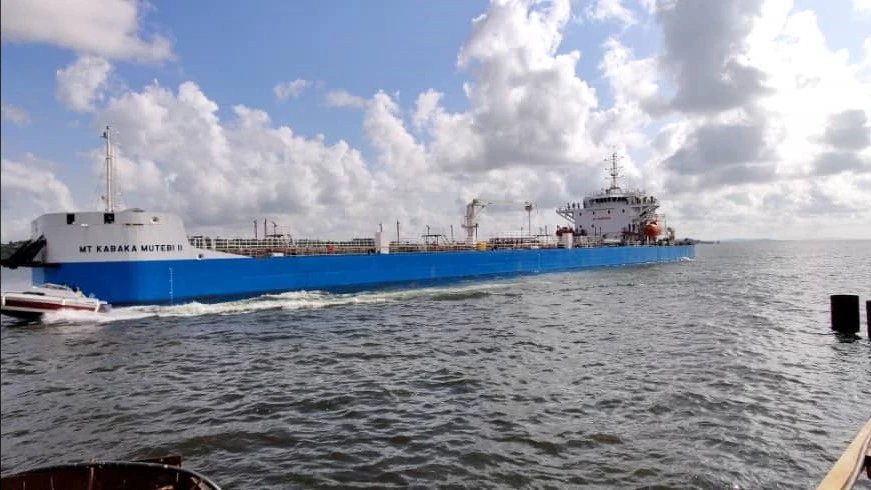
The operation of specialised fuel vessels creates demand for port handling, storage, marine engineering, vessel maintenance, logistics and other services.
The wider development of Lake Victoria shipping could also create opportunities for additional cargo categories in the future, provided that such operations meet environmental and safety requirements.
This could gradually contribute to the revival of Lake Victoria as a commercially important inland waterway.
The environmental challenge
The economic argument for commercial navigation must be balanced with the environmental importance of Lake Victoria.
The lake supports fisheries, tourism, agriculture, transportation and millions of people living around its basin.
Petroleum transportation consequently requires a high level of environmental vigilance.
A major fuel spill could have consequences extending beyond the immediate location of an accident.
That is why the question should not be framed simply as whether petroleum products should be transported on Lake Victoria.
The more important question is whether the transportation can be conducted under standards that minimise the risk and ensure rapid response if an incident occurs.
Lessons from the Great Lakes
The Great Lakes–St. Lawrence system provides one international example of commercial navigation on major freshwater bodies.
The Great Lakes are environmentally significant freshwater resources shared by the United States and Canada, yet they also support extensive commercial shipping.
Vessels transport a variety of commodities through the system under regulatory requirements covering navigation, vessel safety, dangerous goods, pollution prevention and emergency response.
Lake Victoria is not identical to the Great Lakes.
Its ecology, size, geography and regulatory environment are different.
But the broader policy lesson is relevant: freshwater protection and economic use can coexist where governments establish appropriate safeguards and enforce them effectively.
Europe's inland waterways
Europe provides another example through its extensive network of navigable rivers, canals and connected waterways.
Petroleum products and other dangerous goods are transported through inland waterways under detailed regulatory systems.
The European Agreement concerning the International Carriage of Dangerous Goods by Inland Waterways, commonly known as ADN, establishes safety requirements for vessels carrying dangerous goods.
The framework covers areas such as vessel construction, equipment, cargo containment, inspection, crew qualifications and emergency procedures.
For East Africa, the lesson is that dangerous cargo does not necessarily have to be excluded from inland navigation.
Instead, transportation can be governed by rigorous technical standards and continuous oversight.
The Caspian's strategic lesson
The Caspian offers a different but useful comparison.
It is a saline inland body of water and therefore should not be treated as an ecological equivalent of Lake Victoria.
Its relevance is primarily strategic.
Petroleum has historically been moved across the Caspian as part of regional energy and trade networks connecting ports, pipelines, storage facilities and markets.
The example demonstrates how inland water transportation can become part of a diversified energy corridor.
For Uganda, the central lesson is the value of having alternative logistics routes.
China's inland-waterway experience
China's extensive river and canal systems demonstrate the potential economic value of inland navigation.
Large volumes of industrial and commercial cargo are transported by water, reducing pressure on roads and supporting connections between production centres, ports and markets.
However, China's experience also demonstrates that large-scale inland navigation requires substantial investment in infrastructure, vessel standards, navigation systems, monitoring and emergency response.
For Lake Victoria, this reinforces the importance of modernising the supporting infrastructure alongside any expansion of commercial shipping.
Safety must remain at the centre
The transportation of petroleum products on Lake Victoria demands strict marine-safety standards.
Mahathi says its vessels are built with double-hull technology.
A double hull creates an additional protective barrier between the cargo tanks and the vessel's exterior structure and can reduce the likelihood of immediate cargo release in some collision or grounding situations.
But no vessel should be considered completely incapable of leaking or suffering an accident.
Marine safety depends on several layers of protection working together.
These include:
Vessel construction and classification;
Regular inspections;
Preventive maintenance;
Properly trained crews;
Safe loading and unloading procedures;
Weather monitoring;
Accurate hydrographic information;
Navigation and communications systems;
Fire protection;
Emergency-response arrangements;
Pollution-control systems;
Insurance and liability mechanisms;
and Effective government enforcement.
Technology can strengthen safety, but it cannot replace trained marine professionals.
Environmental oversight must be continuous
Environmental approval should not be treated as the end of regulatory responsibility.
The operation of petroleum vessels and terminals requires continuous monitoring.
Authorities should pay particular attention to:
Fuel handling;
Storage facilities;
Vessel operations;
Waste management;
Spill prevention;
Water quality;
Lakeshore activities;
Emergency preparedness;
and Compliance with environmental conditions.
Regular emergency-response exercises would also help determine whether operators and government agencies are adequately prepared for accidents.
A spill on Lake Victoria could potentially affect more than one country.
This makes cross-border coordination essential.
Uganda and Kenya should strengthen joint preparedness
The Kisumu-Bugiri-Bukasa fuel route creates a practical need for strong Uganda-Kenya cooperation on lake safety.
The two countries could strengthen arrangements covering vessel monitoring, communications, pollution response, navigation information, accident investigation and joint emergency exercises.
Such cooperation would not only improve safety for petroleum transportation.
It could also strengthen the broader credibility of Lake Victoria as a regional commercial waterway.
The objective should be simple: if an incident occurs, authorities should know quickly, communicate effectively and respond with the necessary equipment and personnel.
A regional integration opportunity
Lake Victoria is shared by Uganda, Kenya and Tanzania, making it one of the most important shared economic resources in East Africa.
The development of modern lake transportation could give greater practical significance to the lake's role in regional integration.
Kisumu could develop further as a maritime and logistics hub.
Uganda could strengthen its petroleum storage and transportation capacity.
Tanzania could potentially participate in future lake-based trade networks.
Improved logistics around Lake Victoria could also have indirect benefits for other countries connected to Uganda's distribution system.
This is where the Mahathi project takes on regional significance.
Its infrastructure provides a practical demonstration of how private investment can contribute to transport diversification.
Government support should mean regulation and stability
Strategic infrastructure requires both effective regulation and predictable policy.
Government agencies have a responsibility to ensure that petroleum transportation complies with environmental, maritime and safety requirements.
At the same time, investors require clear regulations and a stable operating environment.
The two objectives should not be treated as contradictory.
Strong regulation can coexist with investment certainty.
Indeed, predictable enforcement of clearly established standards can strengthen confidence in the sector.
Government support for lake transportation should therefore focus on creating the conditions under which safe and legitimate infrastructure can operate.
Reducing pressure on roads
The ability to transport millions of litres of fuel by vessel presents a potential opportunity to reduce the number of road tankers required for bulk transportation.
This could help reduce heavy traffic on major highways and potentially lower road maintenance pressure.
It could also reduce the exposure of communities along major transport corridors to petroleum tanker traffic.
However, these benefits should be demonstrated through measurable data.
Operators and regulators should track the volume of fuel transported by lake, the number of road journeys displaced, transport costs, accident rates, turnaround times and environmental indicators.
Transparent data would allow the public and policymakers to assess the project's actual contribution.
Building a multimodal transport future
The future of East African logistics is unlikely to depend on one mode of transportation.
Roads will remain essential.
Rail can carry bulk cargo where infrastructure is available.
Pipelines can serve appropriate petroleum routes.
And Lake Victoria can provide another option for suitable cargo.
The strength of the system lies in how these modes complement one another.
For petroleum products, lake transportation can perform the bulk movement between Kisumu and Uganda, while road tankers undertake distribution from the terminal to inland markets.
This creates a more diversified supply chain.
The bigger strategic picture
The Mahathi project can therefore be understood as part of a wider question about Uganda's economic resilience.
For a landlocked economy, transportation infrastructure is closely linked to national security and economic stability.
A disruption to a major import route can quickly affect fuel availability, transportation costs and economic activity.
Alternative infrastructure provides options.
Lake Victoria cannot replace the Northern Corridor, but it can complement it.
That distinction is important.
The strategic value of the project lies not in eliminating road transportation, but in reducing excessive dependence on a single logistics channel.
The Mahathi Lake Victoria fuel transportation project represents a significant development in Uganda's petroleum logistics landscape and could contribute to a broader revival of commercial navigation on Lake Victoria.
Its potential benefits include diversified fuel transportation, increased storage capacity, reduced pressure on road infrastructure, strengthened Kisumu-Uganda trade links and new opportunities for maritime services.
At the same time, the environmental sensitivity of Lake Victoria demands that the project operate under rigorous safety and environmental controls.
International experience demonstrates that commercial navigation on important freshwater systems can coexist with environmental protection when governments enforce strong standards.
For Uganda and Kenya, the priority should therefore be to combine investment, regulation, transparency and regional cooperation.
The lake should be protected, but protection does not necessarily mean preventing all responsible economic activity.
Instead, it means ensuring that economic activity is conducted within clear limits and under effective safeguards.
If Uganda and Kenya can maintain that balance, Lake Victoria could assume a larger role in East Africa's multimodal transport architecture while continuing to serve as one of the region's most important freshwater ecosystems.
The Mahathi investment thus provides more than an alternative route for moving petroleum products.
It provides an opportunity to rethink the strategic role of Lake Victoria in East Africa's transport, energy and regional integration agenda.

John Kusolo is a Pastor, Sports Enthusiast and Ugandan journalist with Nile Chronicles News (NCN). With a strong commitment to journalistic excellence, he is recognized for his dedication, goal-oriented approach, and ability to thrive in challenging environments. Kusolo brings focused motivation and professionalism to his reporting and media assignments.
















Comments (0)