
President Museveni Urges NRM MPs to Prioritise Voters’ Concerns and Monitor Government Programmes
He urged legislators to establish how many households have benefited from the programme, identify those that have not yet been reached and follow up on the utilisation of the funds to ensure that the initiative achieves its intended objectives.
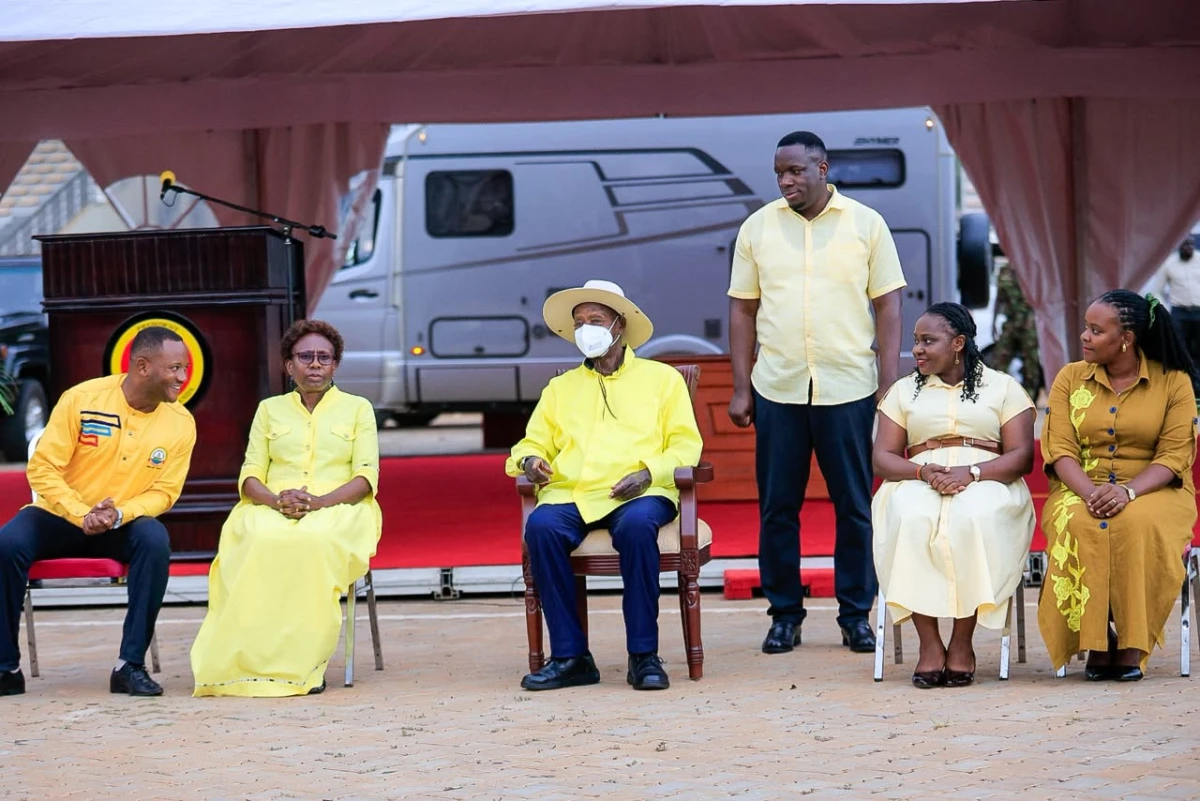
President Yoweri Kaguta Museveni has urged Members of Parliament under the ruling National Resistance Movement (NRM) to strengthen their engagement with voters, closely monitor government programmes and prioritise initiatives aimed at improving household incomes.
Museveni, who is also the NRM National Chairman, made the call on Friday, October 2, 2026, while addressing the NRM Parliamentary Caucus at Kololo Independence Grounds in Kampala.
The President emphasised the importance of direct engagement between political leaders and the communities they represent, urging MPs to spend more time in their constituencies listening to citizens, identifying their challenges and following up on the delivery of government services.
He said legislators should not become detached from the people who elected them but should maintain regular contact with households to understand the challenges affecting their livelihoods, particularly poverty, unemployment, crime and limited access to essential services.
Museveni challenged MPs to take a more active role in monitoring government poverty alleviation programmes, particularly the Parish Development Model (PDM), to ensure that the funds allocated to communities are reaching the intended beneficiaries and being invested in productive enterprises.
He urged legislators to establish how many households have benefited from the programme, identify those that have not yet been reached and follow up on the utilisation of the funds to ensure that the initiative achieves its intended objectives.
The President said effective implementation of the PDM could accelerate the transition of households from subsistence production into the money economy, enabling more Ugandans to participate in commercial agriculture and other income-generating activities.
To illustrate the potential of targeted financial support, Museveni cited the example of a woman who invested in piggery and subsequently improved her household income.
He said such enterprises demonstrate how access to financial resources, coupled with productive investments, can transform household livelihoods and contribute to poverty reduction.
Museveni also called on MPs to promote agricultural modernisation, particularly through irrigation, improved farming methods and value addition, saying Uganda needs to move away from overreliance on rain-fed agriculture.
"Without irrigation, you cannot have stability in your yields," Museveni said, emphasising the importance of reliable water supplies in improving agricultural productivity and protecting farmers against unpredictable weather conditions.
He cited a government-supported farming partnership where production reportedly reached 53 tonnes per hectare, compared with approximately five tonnes in other areas, to illustrate the potential of improved agricultural practices.
The President said increasing agricultural productivity would require deliberate investments in irrigation infrastructure, modern farming technologies and better production methods to enable farmers to achieve consistent yields throughout the year.
He further called for greater investment in agro-processing and manufacturing, urging the country to reduce its dependence on exporting raw agricultural commodities.
Museveni observed that processing agricultural products such as coffee and cotton locally would enable Uganda to retain more value from its natural resources while creating employment opportunities and expanding the country's industrial base.
He said strengthening domestic processing capacity would also support economic transformation by linking agricultural production to manufacturing, thereby creating additional opportunities for farmers, entrepreneurs and industrial workers.
On environmental conservation, the President urged political leaders to protect wetlands, describing them as essential components of the country's water systems and environmental sustainability.
He called for a balance between wetland conservation and the livelihoods of communities that depend on these ecosystems, encouraging leaders to promote alternative income-generating activities, including fish farming.
Museveni said providing alternative economic opportunities could help reduce pressure on wetlands while enabling affected communities to maintain their incomes.
On security, the President urged MPs to maintain close contact with citizens and work with relevant authorities to identify and address local security challenges.
He specifically cited cattle theft, coffee theft and other forms of crime as issues requiring attention, urging legislators to remain informed about security concerns in their constituencies and engage with the relevant security agencies.
He said effective security management requires cooperation between leaders and communities to identify problems and support efforts to maintain law and order.
The President also highlighted strategic investments in nuclear energy, railway infrastructure and petroleum processing in Hoima as part of the government's broader efforts to expand Uganda's productive capacity.
He pointed to these investments as important components of the country's industrialisation agenda, which seeks to strengthen energy security, improve transport infrastructure and expand domestic manufacturing.
Museveni further underscored the importance of regional economic integration, noting that access to wider markets is essential for increasing production, facilitating trade and creating employment opportunities.
He urged legislators to support initiatives that strengthen regional trade and economic cooperation, enabling Ugandan producers to access larger markets for their goods and services.
The President's address centred on the need to translate government policies and investments into tangible improvements in the lives of ordinary Ugandans through effective implementation, accountability and sustained engagement at the grassroots.
He challenged NRM legislators to take greater responsibility for monitoring government programmes, ensuring that public resources achieve their intended objectives and that the benefits of economic development reach households across the country.
His remarks placed particular emphasis on the role of MPs in bridging the gap between government policy and community needs, with poverty alleviation, agricultural transformation, environmental protection and security emerging as key areas requiring sustained attention.
The NRM Parliamentary Caucus brings together legislators from the ruling party to discuss government priorities, party programmes and matters concerning their constituencies.

John Kusolo is a Pastor, Sports Enthusiast and Ugandan journalist with Nile Chronicles News (NCN). With a strong commitment to journalistic excellence, he is recognized for his dedication, goal-oriented approach, and ability to thrive in challenging environments. Kusolo brings focused motivation and professionalism to his reporting and media assignments.



Comments (0)