
PS Kumumanya Urges Local Governments to Prioritise Revenue Collection and Accountability
Kumumanya said effective revenue mobilisation, coupled with transparency and accountability, was essential for local governments to meet their responsibilities and improve services to communities. He made the remarks in his closing address at a five-day Local Revenue Enhancement Plan Training Workshop held in Masaka from September 28 to October 2, 2026. His address was delivered by Ruth Gyayo, the Principal Inspector in the Ministry of Local Government, who officially closed the workshop.
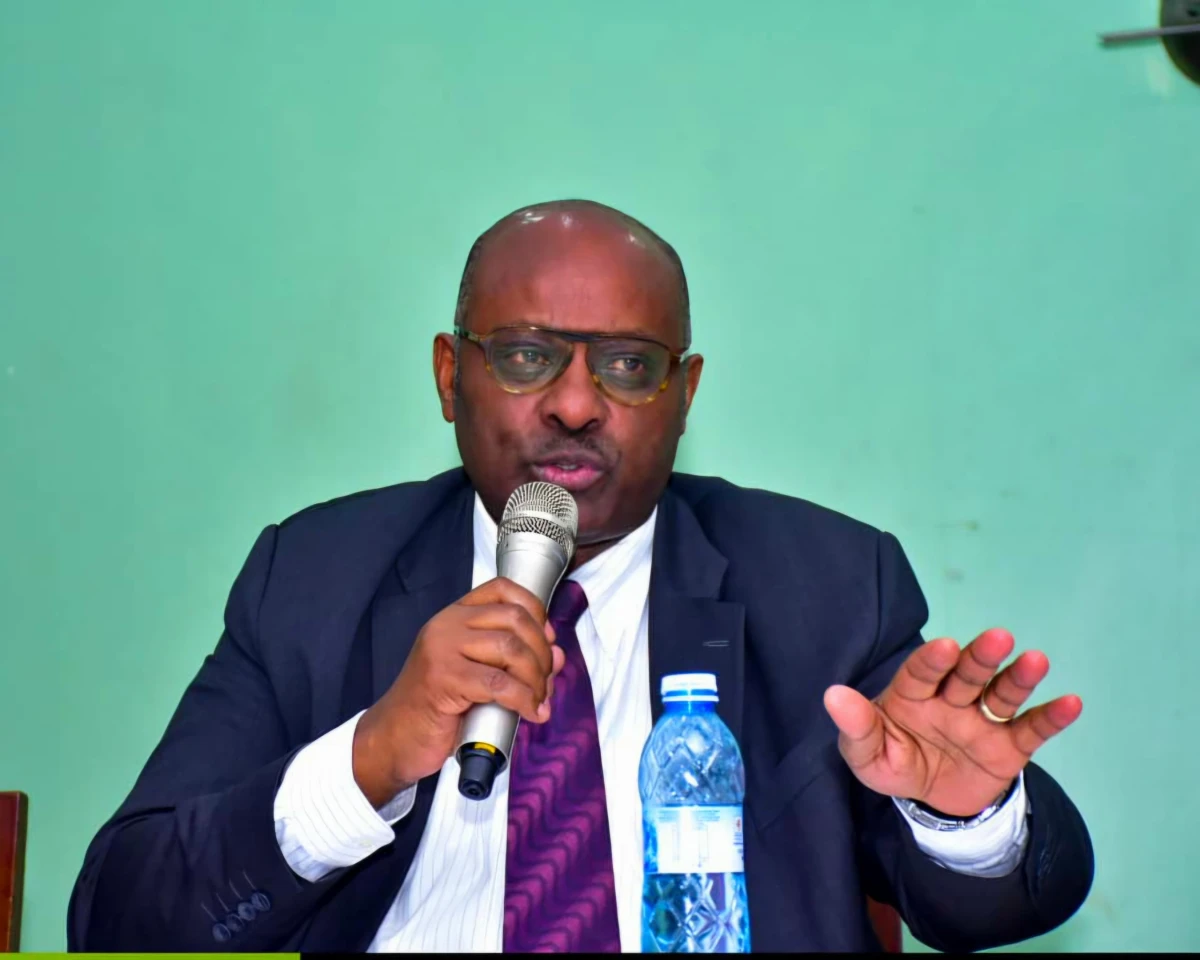
The Permanent Secretary in the Ministry of Local Government, Ben Kumumanya, has called on local governments across the country to strengthen their capacity to identify, collect and manage locally generated revenue, describing it as a critical source of financing for sustainable service delivery and local development.
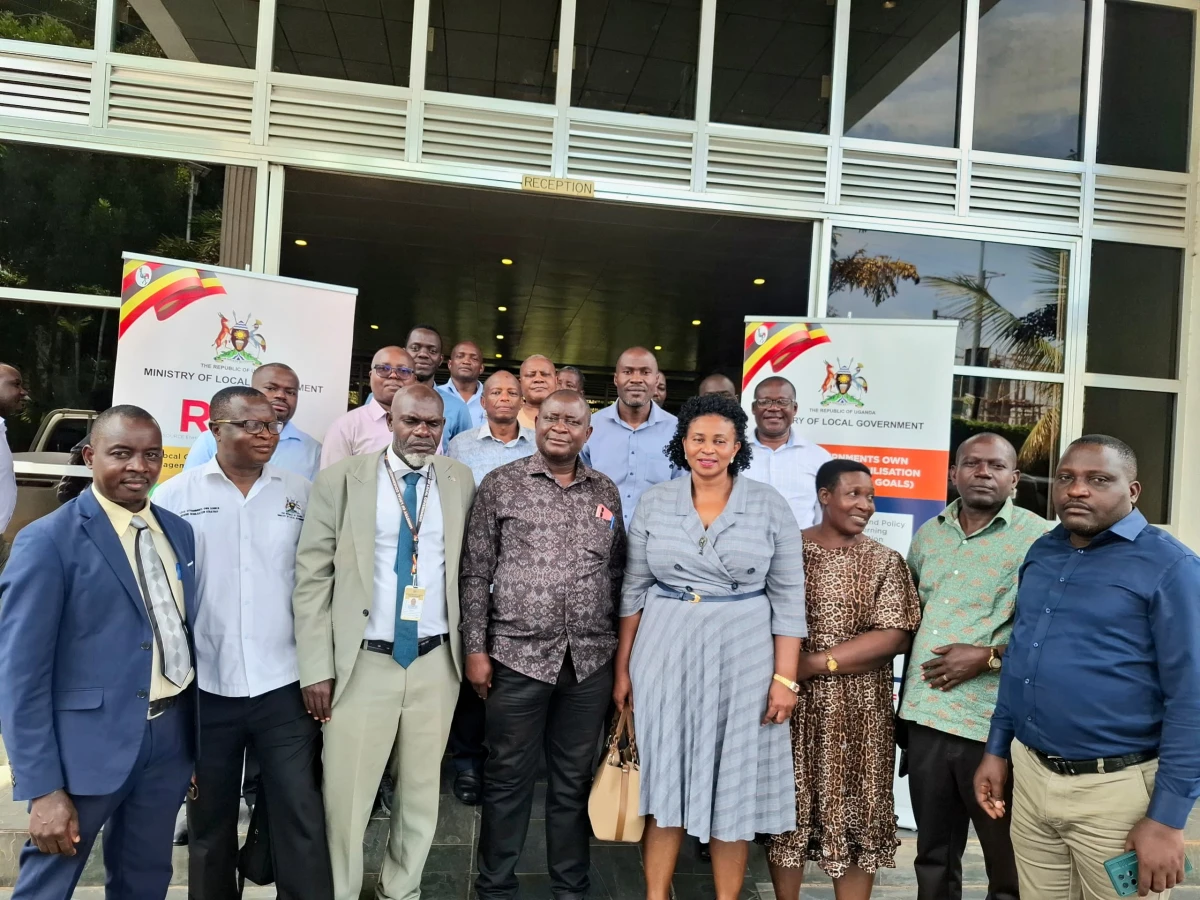
Kumumanya said effective revenue mobilisation, coupled with transparency and accountability, was essential for local governments to meet their responsibilities and improve services to communities.
He made the remarks in his closing address at a five-day Local Revenue Enhancement Plan Training Workshop held in Masaka from September 28 to October 2, 2026. His address was delivered by Ruth Gyayo, the Principal Inspector in the Ministry of Local Government, who officially closed the workshop.
“Local revenue is an important component of Local Government financing and contributes to the sustainability of service delivery and local development,” Kumumanya said.
He emphasised the need for local governments to improve their revenue identification, collection and management systems to maximise available opportunities and reduce dependence on other sources of funding.
“We must therefore strengthen our capacity to identify revenue opportunities, mobilise available revenue and manage it transparently,” he said.
Kumumanya urged economic planners and finance managers from the Greater Masaka Subregion who attended the training to translate the knowledge acquired into practical interventions capable of improving revenue performance in their respective local governments.
He challenged the participants to develop and implement realistic revenue enhancement plans based on actual revenue performance, measurable targets and clearly defined responsibilities.
“As you return to your respective Local Governments, my message to you is simple: let us move from training to implementation,” he said.
He stressed that the success of the workshop should not be judged by the number of officials trained or the revenue plans developed, but by tangible improvements in revenue collection, financial accountability and the quality of services delivered to citizens.
The workshop focused on addressing persistent challenges affecting local revenue mobilisation, including inadequate revenue data, reliance on manual collection systems, weak enforcement mechanisms and limited accountability in the management of locally generated funds.
Financial management consultant Patrick Kandole, who facilitated the training, challenged local government officials to prioritise the identification of potential taxpayers as a foundation for improving revenue collection.
“You cannot collect what you cannot identify,” Kandole said, emphasising the importance of establishing reliable revenue databases to help local governments identify businesses, property owners and other potential revenue sources within their jurisdictions.
He urged local governments to embrace digital systems to improve revenue administration, minimise revenue leakages and strengthen compliance among taxpayers.
Kandole also highlighted the importance of effective enforcement mechanisms, noting that local governments need reliable systems for tracking revenue obligations and ensuring that eligible taxpayers meet their obligations.
During the five-day training, participants worked on revenue projections, institutional reform proposals and implementation work plans aimed at improving revenue mobilisation in their respective local governments.
The training also emphasised the need to connect improved revenue collection with better public services, ensuring that taxpayers can see tangible benefits from the money they contribute to local government budgets.
Kumumanya further underscored the importance of transparency and public accountability, urging local government leaders to regularly organise public barazas and community meetings to explain how locally generated revenue is collected, allocated and spent.
He said open engagement with taxpayers would help build public confidence in local government financial management and encourage voluntary compliance.
“The same way you feel good when your child comes home with a good report, is the same way taxpayers feel when you account for their money,” he said.
He explained that regular public reporting would enable residents to appreciate the relationship between the taxes they pay and the services provided by their local governments.
The Permanent Secretary also cautioned local government officials against incurring excessive administrative expenses during revenue collection, warning that high collection costs could undermine the benefits of improved mobilisation.
“It would be meaningless if the cost of tax collection is higher than the revenue generated,” Kumumanya stressed.
He called for greater efficiency in revenue administration, urging officials to ensure that the resources invested in collecting taxes do not outweigh the revenue realised.
The emphasis on cost-effective collection comes amid efforts to strengthen the financial capacity of local governments and improve their ability to finance development priorities within their jurisdictions.
The Masaka workshop provided an opportunity for economic planners and finance managers from the Greater Masaka Subregion to examine existing revenue mobilisation challenges, identify opportunities for improvement and develop practical strategies for addressing revenue shortfalls.
The training's focus on revenue databases, digitalisation, enforcement, accountability and realistic planning highlighted the need for a coordinated approach to improving local government finances.
Kumumanya's closing message placed particular emphasis on implementation, calling on the trained officials to apply the knowledge and skills acquired to deliver measurable improvements in revenue performance.
He maintained that stronger local revenue mobilisation, supported by prudent expenditure and transparent financial management, would contribute to sustainable service delivery and accelerate development at the local government level.

John Kusolo is a Pastor, Sports Enthusiast and Ugandan journalist with Nile Chronicles News (NCN). With a strong commitment to journalistic excellence, he is recognized for his dedication, goal-oriented approach, and ability to thrive in challenging environments. Kusolo brings focused motivation and professionalism to his reporting and media assignments.










Comments (0)