
Uganda Joins Global Leaders as COP31 Opens in Türkiye, Pushes for Stronger Climate Financing
The Ugandan delegation is participating in the high-level international engagement, with the Ministry of Local Government team led by its Permanent Secretary, Mr Ben Kumumanya.
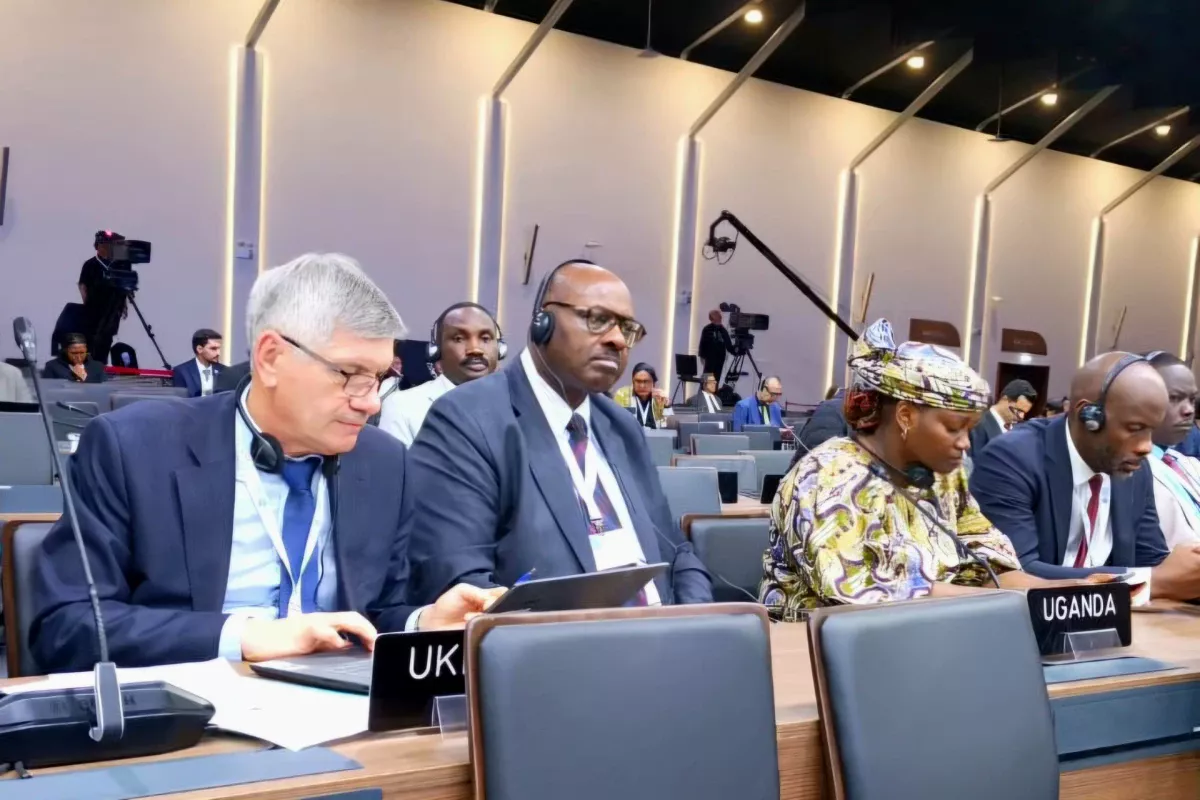
Uganda has joined the international community for the opening of the 31st United Nations Climate Change Conference (COP31), which is taking place in Antalya, Türkiye, from November 9 to 20, 2026, bringing together governments, climate experts, development partners and other stakeholders to discuss practical solutions to the escalating global climate crisis.
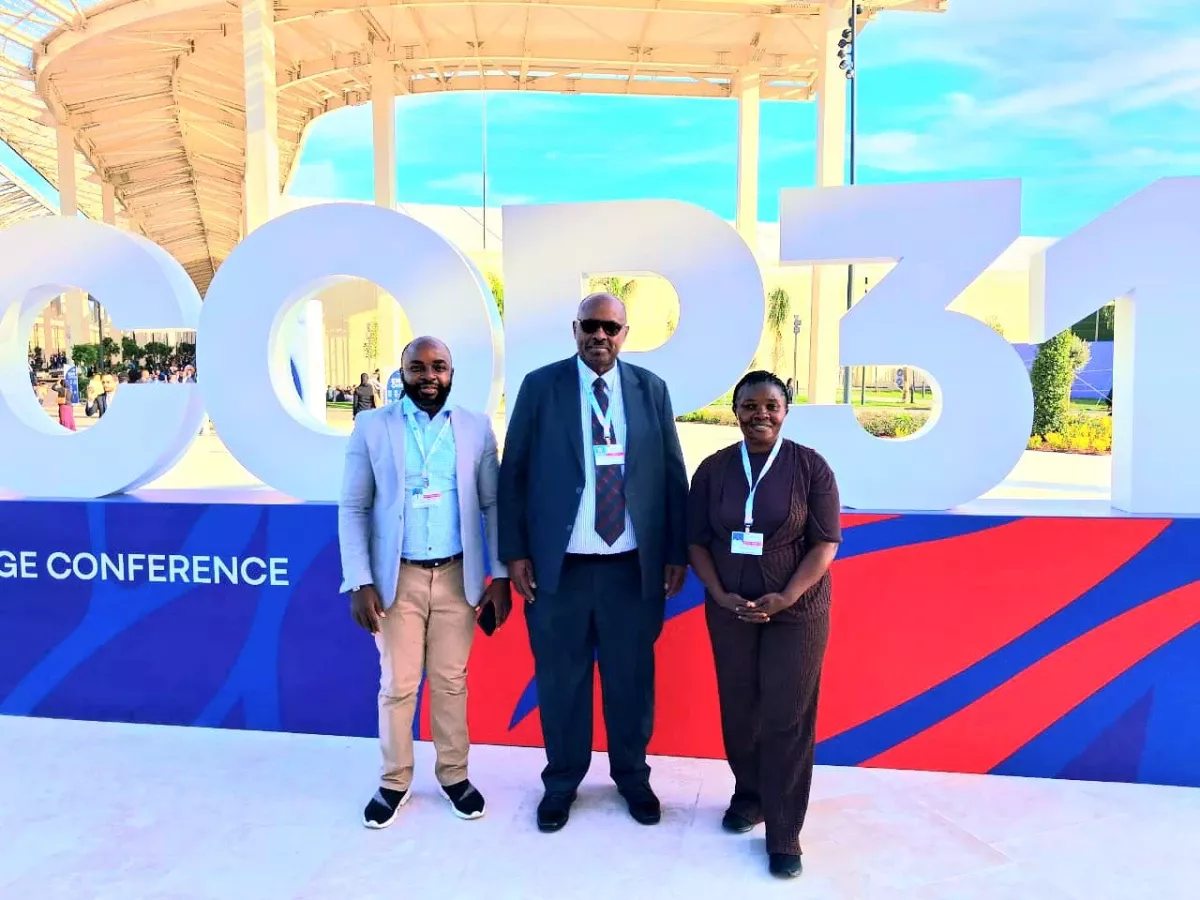
PS Ben Kumumanya(M)
The Ugandan delegation is participating in the high-level international engagement, with the Ministry of Local Government team led by its Permanent Secretary, Mr Ben Kumumanya.
The conference provides an important platform for countries to strengthen international cooperation, accelerate climate action, mobilise climate financing and develop practical interventions to address the growing environmental challenges affecting communities across the world.
Uganda's participation comes at a critical time when the country continues to experience the devastating effects of climate change, including prolonged droughts, unpredictable rainfall, floods, landslides and environmental degradation.
These climate-related challenges have increasingly threatened agricultural production, disrupted livelihoods, damaged infrastructure and heightened the vulnerability of communities, particularly those dependent on rain-fed agriculture.
For Uganda, therefore, COP31 is not merely another international climate gathering but an opportunity to push for stronger global partnerships and increased financial support to enable the country to build climate-resilient communities.
Local governments at the centre of climate action
Through the Ministry of Local Government, Uganda is emphasising the importance of empowering local governments to translate international climate commitments into tangible interventions at community level.
Local governments play a critical role in identifying environmental challenges, coordinating community-based adaptation programmes and implementing development initiatives that directly respond to the needs of vulnerable populations.
The Ministry is highlighting the need to strengthen climate-resilient infrastructure, improve waste management systems and promote sustainable environmental practices as part of broader efforts to protect communities against the effects of climate change.
This approach recognises that although international agreements and commitments are negotiated at global platforms, their success ultimately depends on effective implementation at national, district and community levels.
Uganda is also highlighting the importance of initiatives such as the Local Climate Adaptive Living Facility (LoCAL), which supports local governments to access climate finance and implement community-driven climate adaptation interventions.
Through LoCAL, local governments are supported to identify priority climate adaptation needs and invest in interventions that strengthen the ability of communities to withstand climate-related shocks.
Such interventions are particularly important for rural communities, where climate variability directly affects farming, water availability, food security and household incomes.
Uganda seeks stronger climate financing
One of the major issues Uganda is expected to advance through its participation at COP31 is the need for increased and accessible climate financing, particularly for developing countries that face significant climate risks despite having limited financial resources to respond.
Climate financing remains essential in supporting investments in resilient roads, drainage systems, water infrastructure, sustainable agriculture, environmental restoration and disaster preparedness.
For Uganda, improved access to climate finance would enable districts and municipalities to strengthen their capacity to respond to climate-related emergencies while investing in long-term adaptation measures.
The country's emphasis on local governments also highlights the importance of ensuring that climate financing reaches communities where its impact can be directly experienced.
Without adequate resources, local authorities may struggle to implement climate adaptation programmes, maintain resilient infrastructure and protect vulnerable populations from increasingly unpredictable weather patterns.
Uganda's engagement at COP31 therefore provides an opportunity to strengthen partnerships with international development institutions, climate financing organisations and other governments to mobilise resources for sustainable development.
Climate resilience and sustainable development
Beyond financing, COP31 offers Uganda an opportunity to share its experiences, learn from other countries and explore innovative approaches to addressing environmental challenges.
The conference's focus on practical climate solutions provides an important opportunity for countries to strengthen cooperation in areas such as renewable energy, sustainable land management, ecosystem restoration, climate-smart agriculture and disaster risk reduction.
For Uganda, these priorities are closely connected to its broader development ambitions, particularly efforts to improve agricultural productivity, protect natural resources, expand infrastructure and improve the welfare of communities.
The growing frequency and intensity of climate-related disruptions have demonstrated the importance of integrating climate resilience into planning, budgeting and implementation of government programmes.
Local governments are particularly important in this process because they are closest to the communities affected by droughts, floods, soil erosion, environmental degradation and other climate-related challenges.
Strengthening their institutional and financial capacity is therefore central to ensuring that climate adaptation programmes deliver meaningful and sustainable results.
Turning global commitments into community impact
Uganda's participation in COP31 underlines the country's recognition that climate change requires coordinated action involving national governments, local authorities, development partners, the private sector and communities.
As countries continue discussions in Antalya, the effectiveness of global climate commitments will ultimately be measured by their ability to improve people's lives, protect livelihoods and safeguard the environment.
For Uganda, the priority is to ensure that international climate discussions translate into practical interventions that address the realities faced by ordinary citizens.
The country's engagement through the Ministry of Local Government reinforces the argument that districts, municipalities and other local authorities must be adequately empowered to lead climate adaptation efforts.
With climate change continuing to threaten communities and economic activities, increased investment in resilient infrastructure, environmental protection, sustainable resource management and community-driven adaptation will remain essential.
COP31 therefore presents Uganda with an important opportunity to strengthen its international partnerships, advocate for accessible climate financing and advance solutions that place communities at the centre of climate action.
The ultimate test of climate action will not be the number of commitments made at international conferences, but the tangible improvements delivered to communities on the ground.

John Kusolo is a Pastor, Sports Enthusiast and Ugandan journalist with Nile Chronicles News (NCN). With a strong commitment to journalistic excellence, he is recognized for his dedication, goal-oriented approach, and ability to thrive in challenging environments. Kusolo brings focused motivation and professionalism to his reporting and media assignments.















Comments (0)