
Uganda, Partners Review Progress of Groundwater Resilience Project at Stakeholders’ Workshop
The meeting was officially opened by the Commissioner for the International Transboundary and Water Affairs Department, Eng. Sowedi Sewagudde, who represented the Ministry's Permanent Secretary, Dr. Alfred Okot Okidi.
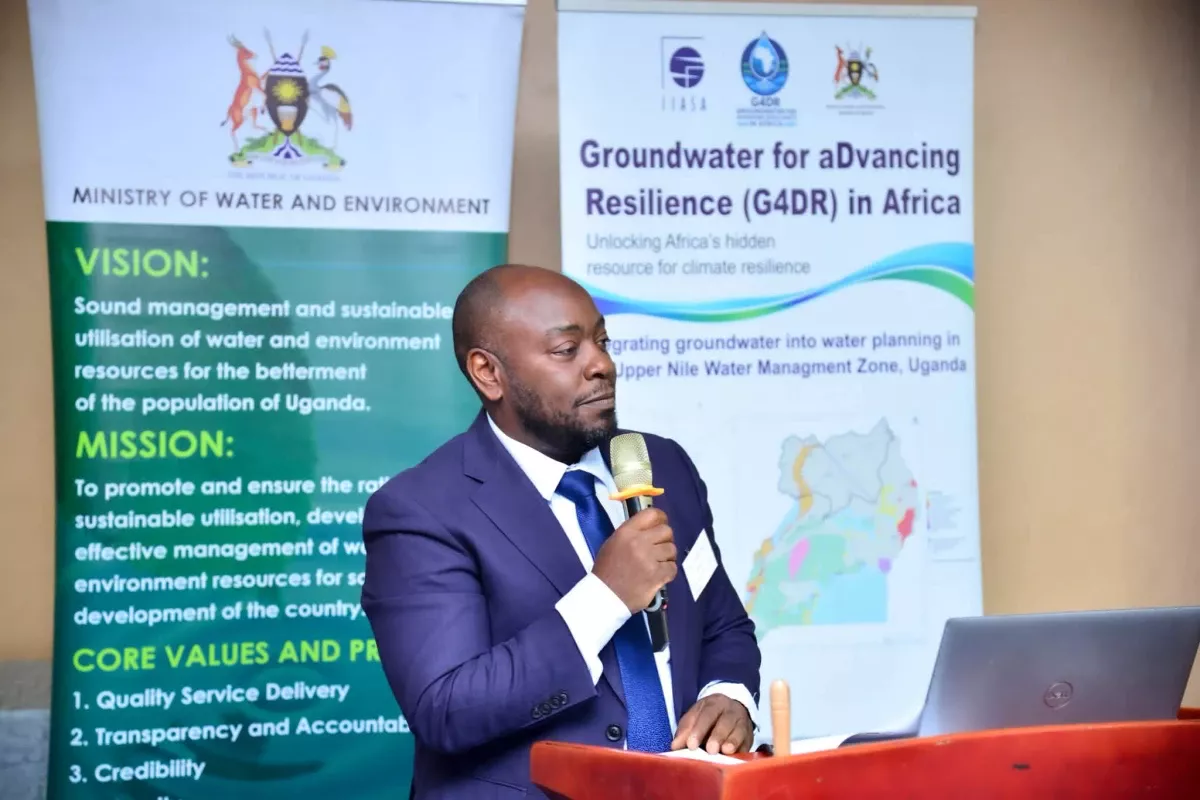
The Ministry of Water and Environment, in collaboration with the International Institute for Applied Systems Analysis (IIASA), has convened a stakeholders’ workshop to review progress and discuss emerging findings under the Advancing Resilience in Africa (G4DR) project, which seeks to strengthen water security through sustainable groundwater development and management.
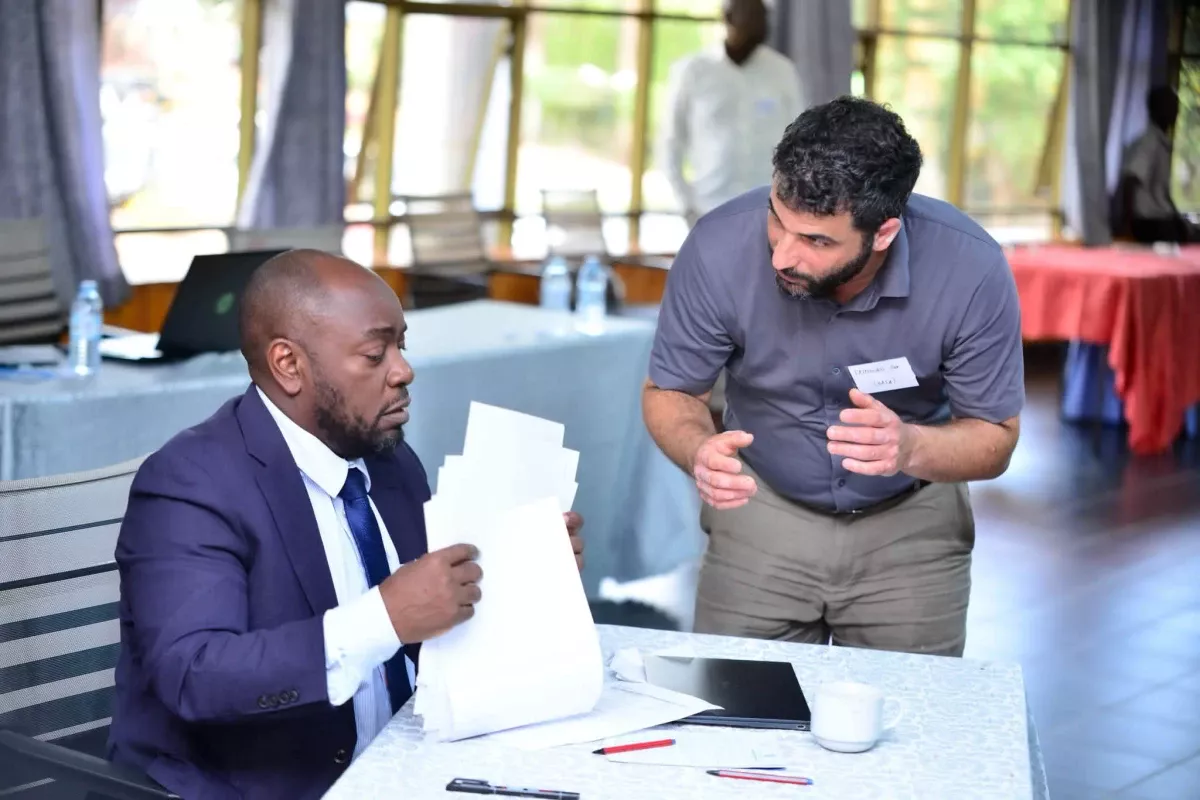
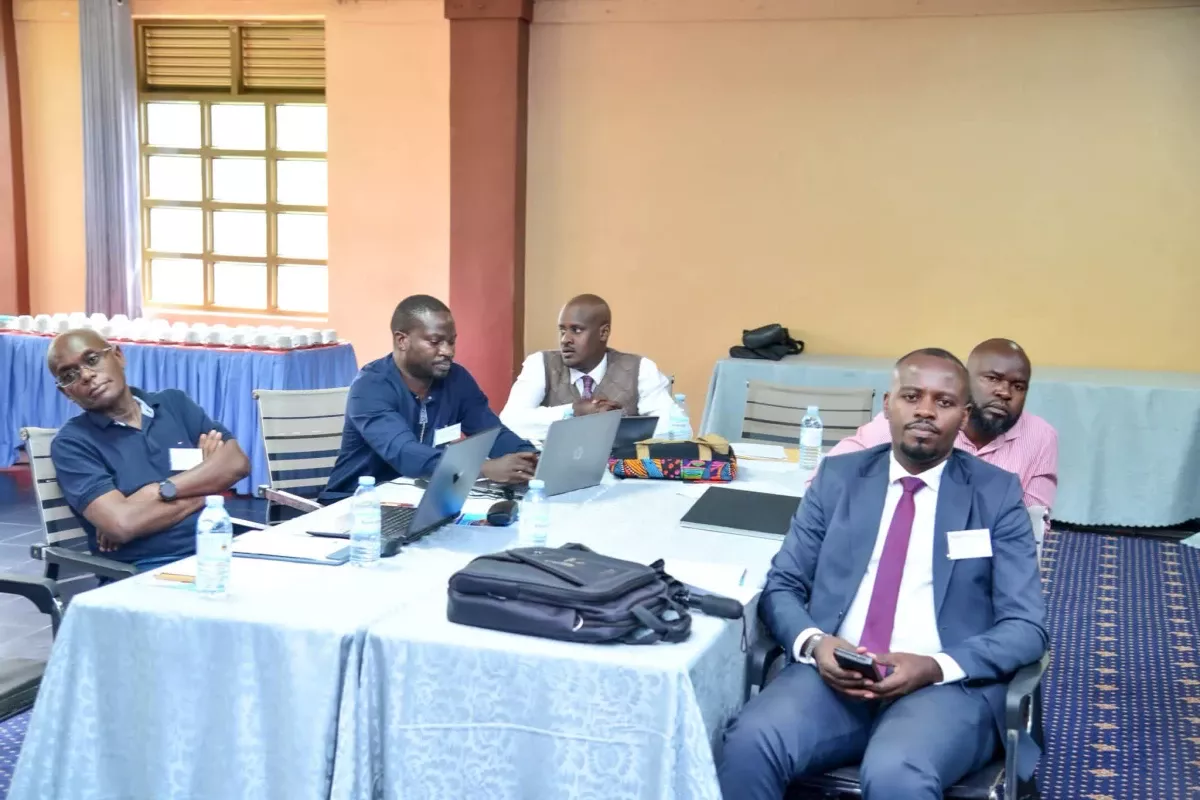
The workshop was held on Tuesday, November 10, 2026, at Silver Springs Hotel in Bugolobi, Kampala, bringing together national and international stakeholders to examine project activities, share technical knowledge and discuss the relevance of preliminary findings to the Upper Nile Water Management Zone (UNWMZ), where the project is being implemented in Uganda.
The meeting was officially opened by the Commissioner for the International Transboundary and Water Affairs Department, Eng. Sowedi Sewagudde, who represented the Ministry's Permanent Secretary, Dr. Alfred Okot Okidi.
It was co-chaired by the Commissioner for Water Resources Planning and Regulation Department, Dr. Callist Tindimugaya.
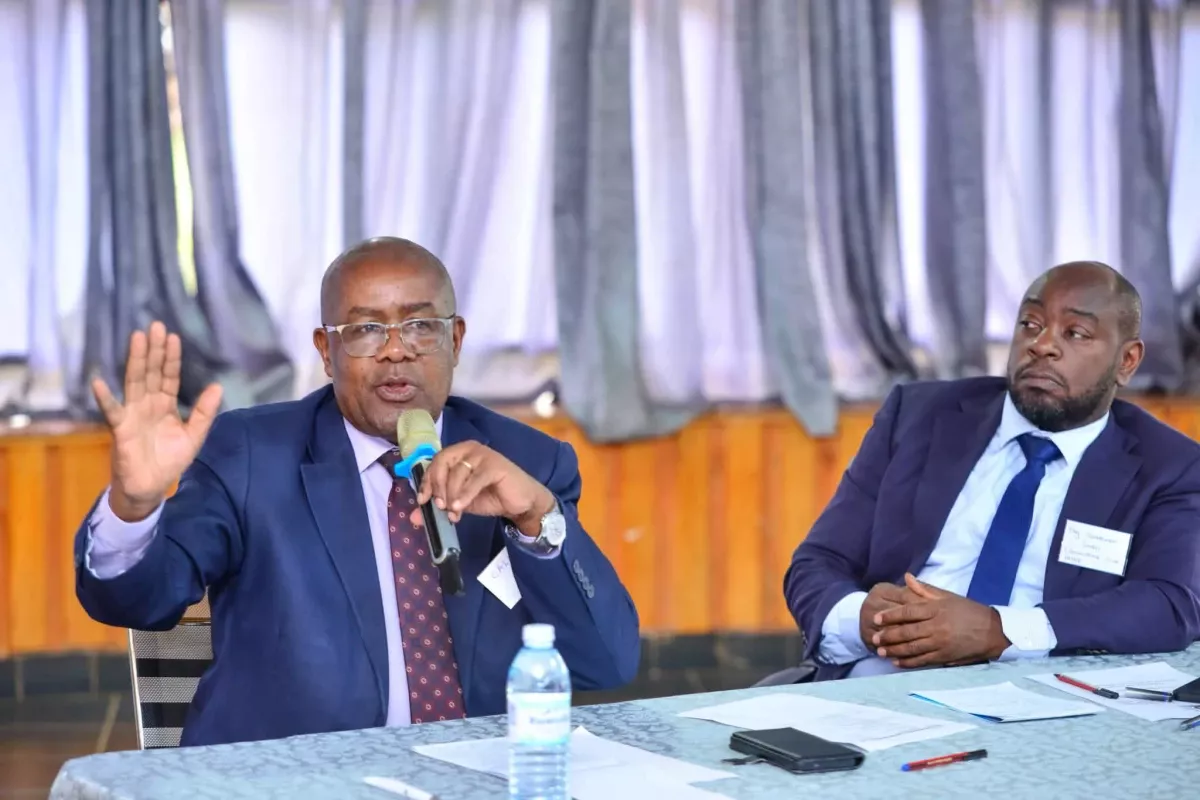
The workshop provided a platform for the project implementation team and stakeholders to present progress made in Uganda and other participating African countries, while gathering technical input and recommendations to strengthen the project's ongoing work.
A key focus of the discussions was the role of groundwater in addressing water security challenges, particularly in communities and regions where access to reliable water resources remains a development priority.
Participants reviewed emerging knowledge and findings from the project's groundwater diagnostic assessments, modelling and monitoring activities, examining how the information could support evidence-based planning, sustainable groundwater utilisation and improved management of water resources.
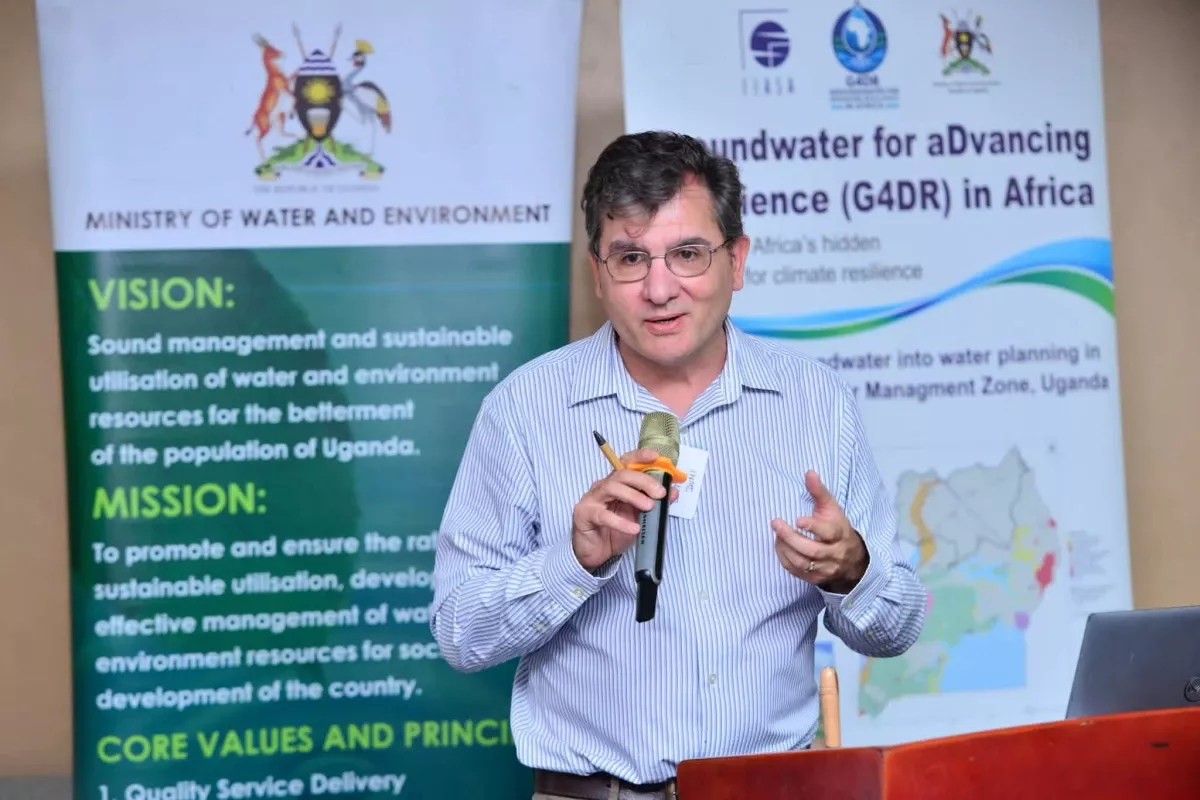
The engagement also sought to obtain feedback from institutions and organisations involved in groundwater-related activities. Their contributions are expected to help validate and refine preliminary findings by incorporating complementary technical knowledge and practical experiences from different sectors.
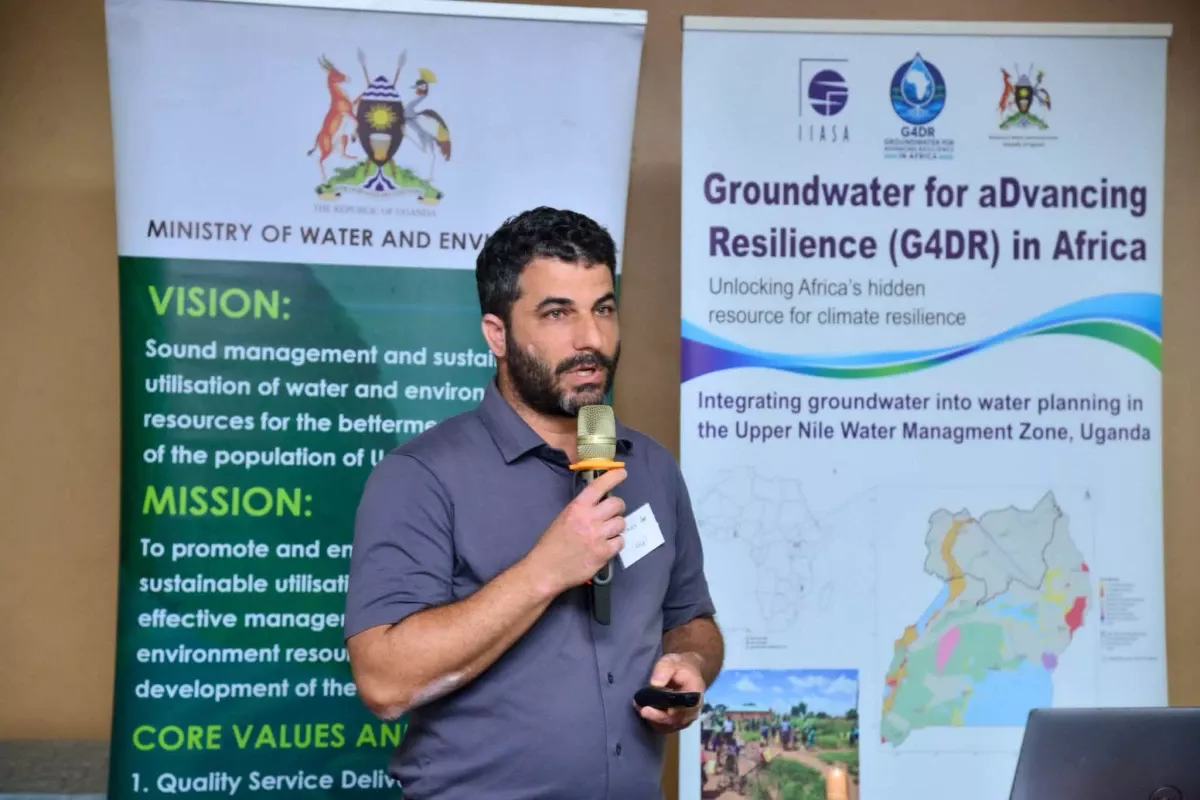
Another important objective was to facilitate dialogue on groundwater management challenges, opportunities and priorities, while exploring how the project's approaches and findings could inform water resource management in the Upper Nile Water Management Zone and other parts of Uganda.
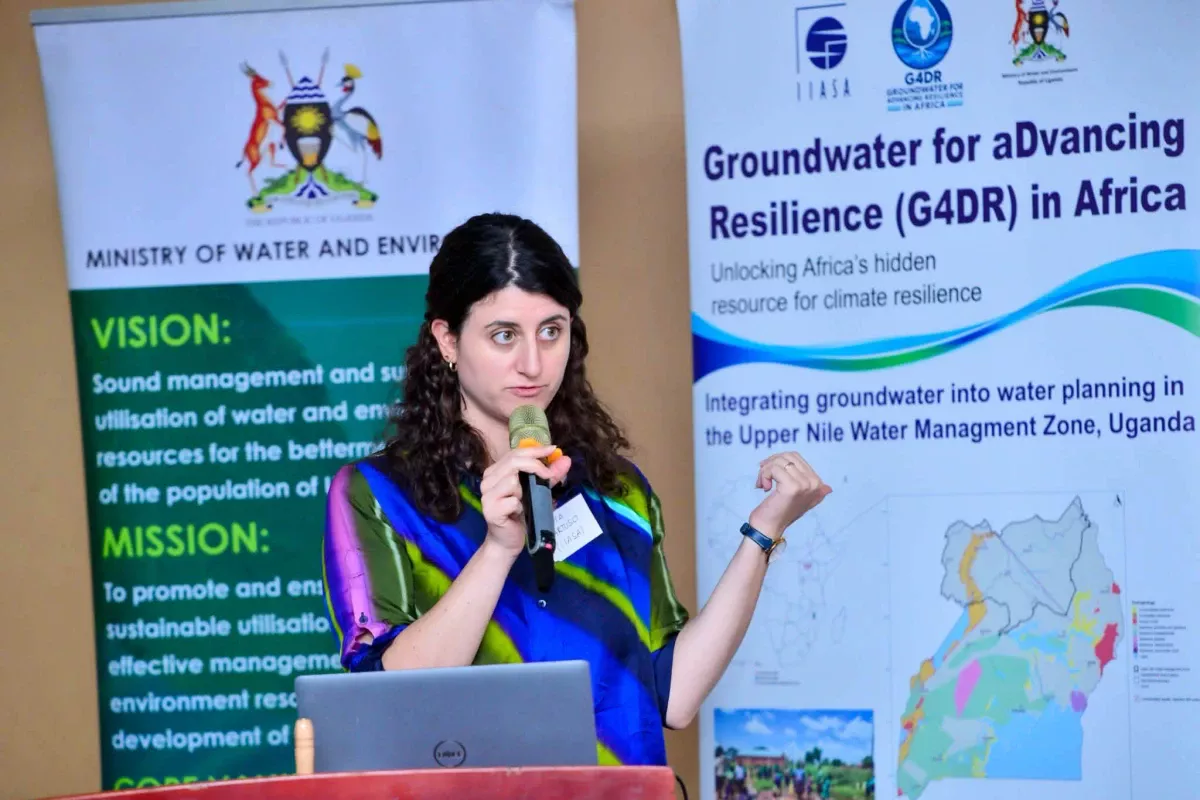
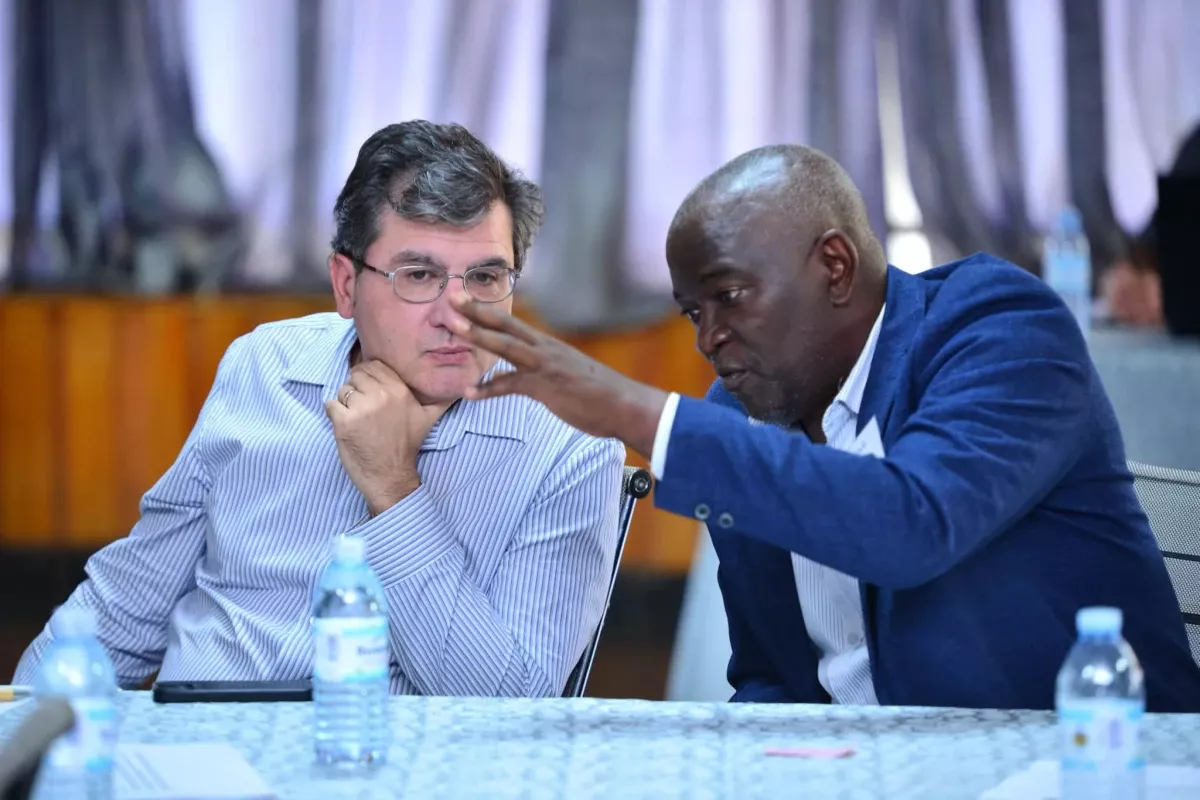
Through these consultations, stakeholders had an opportunity to exchange perspectives on the sustainable development of groundwater resources and identify areas where improved coordination, research and institutional collaboration could strengthen water management.
G4DR Project and Its Continental Significance
Uganda is among the African countries participating in the Advancing Resilience in Africa (G4DR) project, a transboundary initiative designed to enhance water security and climate resilience by unlocking the potential of sustainable groundwater development and management.
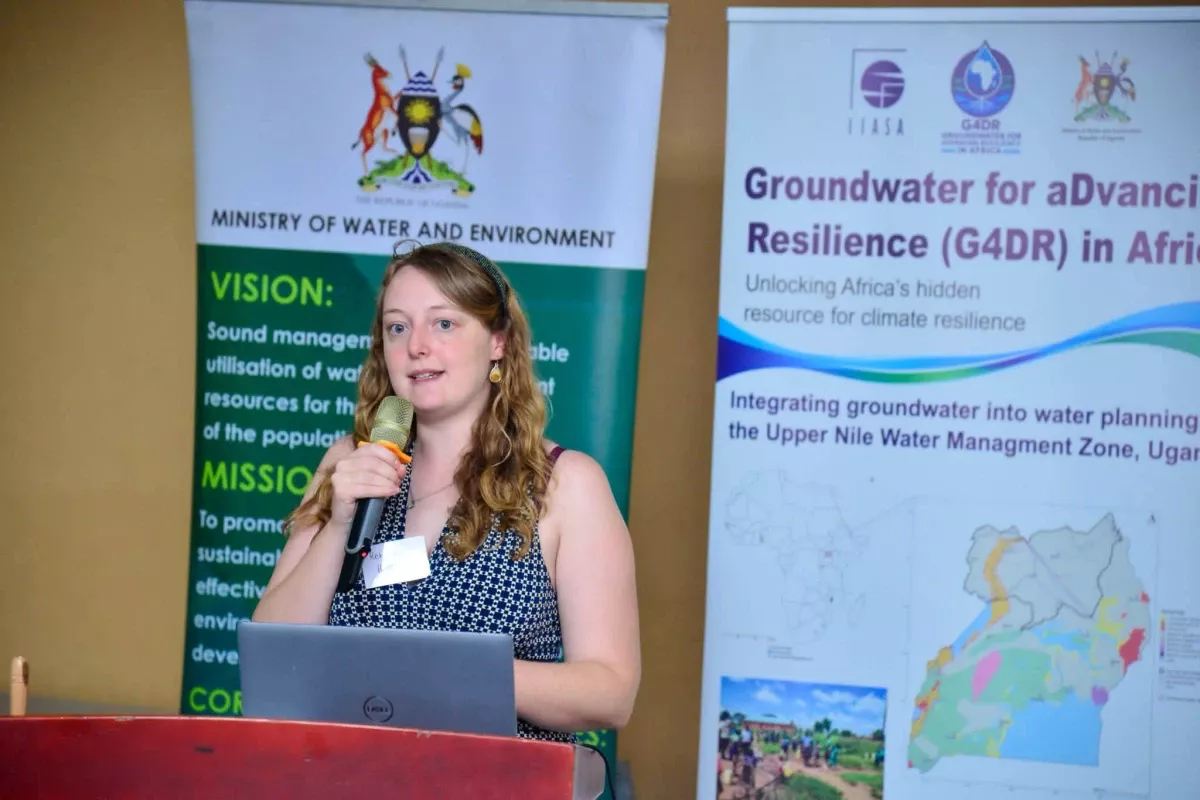
The project recognises groundwater as an important resource for strengthening the resilience of communities, supporting livelihoods and improving the capacity of countries to respond to water-related challenges.
It is funded by the Global Environment Facility (GEF), implemented by the Food and Agriculture Organization of the United Nations (FAO), and executed through a partnership involving the International Water Management Institute (IWMI), the International Institute for Applied Systems Analysis (IIASA), the African Ministers’ Council on Water (AMCOW) and the Southern African Development Community Groundwater Management Institute (SADC-GMI).
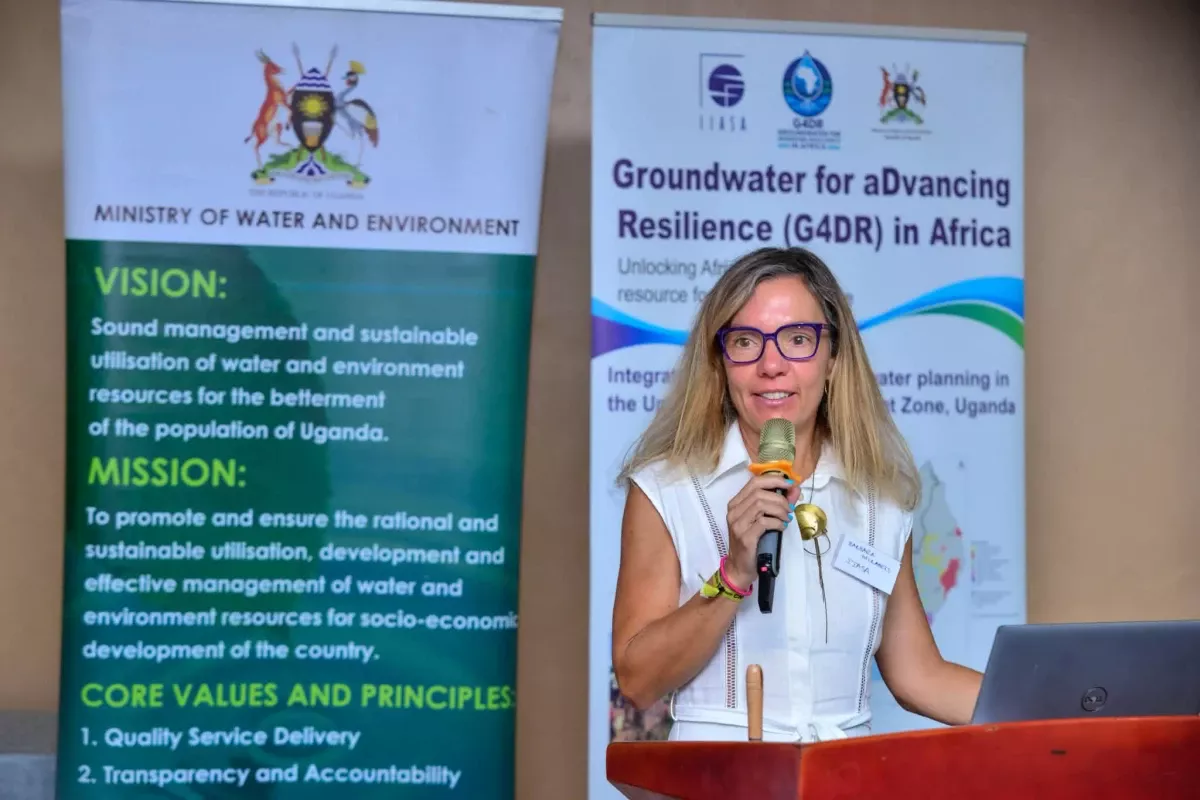
The participating countries are Benin, Togo, Malawi, Mozambique and Uganda, making the initiative a regional effort to improve groundwater knowledge, planning and governance across different African water management contexts.
Uganda officially launched its implementation of the G4DR project in November 2025, marking the beginning of activities aimed at strengthening the country's capacity to assess, develop and sustainably manage groundwater resources.
Strengthening Evidence-Based Water Management
The November 10 workshop represents an important engagement in the project's implementation process, particularly in ensuring that emerging scientific findings are discussed with the institutions and stakeholders responsible for water resource planning and management.
By bringing together technical experts, government institutions and other relevant organisations, the initiative seeks to bridge the gap between scientific research and practical decision-making.
The focus on groundwater diagnostic assessments, modelling and monitoring is particularly relevant to understanding groundwater availability, identifying development opportunities and informing decisions on how the resource can be utilised without compromising its long-term sustainability.
The discussions are also expected to contribute to a better understanding of the specific groundwater management needs of the Upper Nile Water Management Zone.
As Uganda continues to pursue improved access to safe and reliable water, sustainable groundwater management remains an important component of broader national and regional water security efforts.
The G4DR project therefore provides an opportunity for Uganda and its African partners to strengthen technical cooperation, share knowledge and develop approaches that can support resilient water resource management.
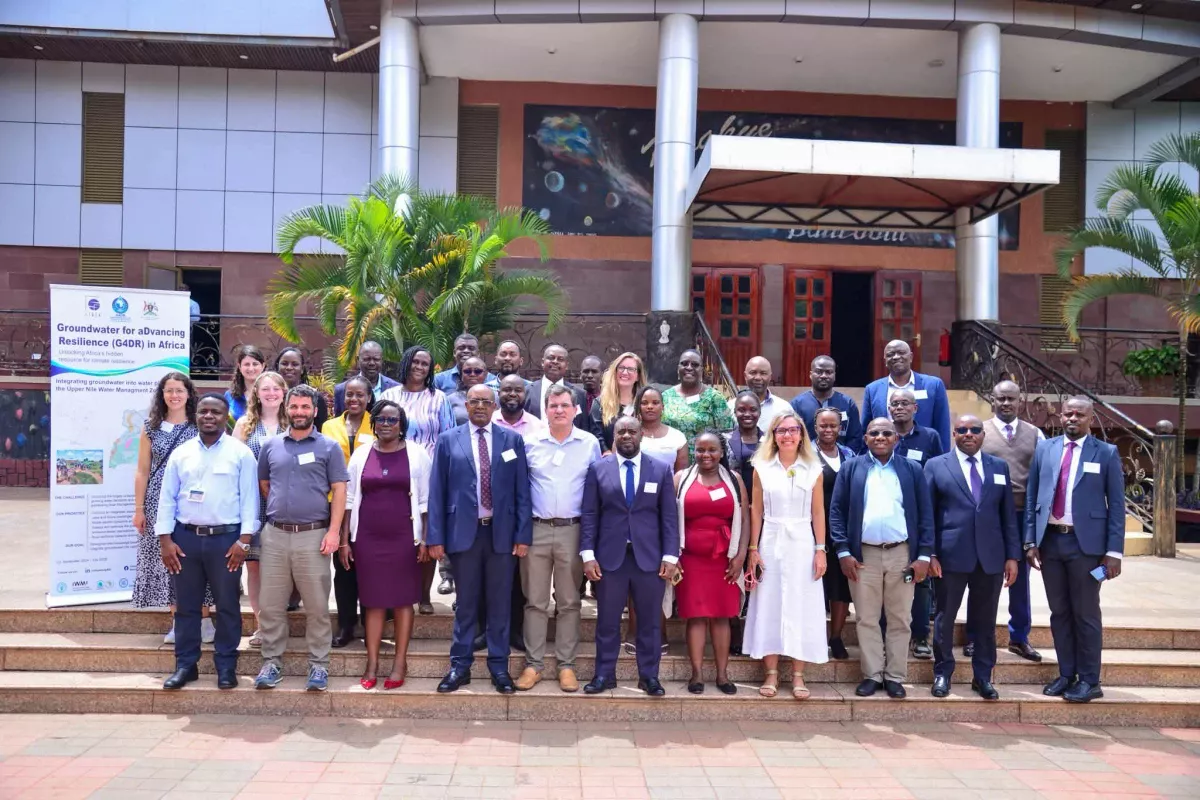
Through continued stakeholder engagement, research and collaboration, the project aims to ensure that groundwater development contributes to sustainable livelihoods, improved water security and greater resilience to water-related challenges across participating African countries.

John Kusolo is a Pastor, Sports Enthusiast and Ugandan journalist with Nile Chronicles News (NCN). With a strong commitment to journalistic excellence, he is recognized for his dedication, goal-oriented approach, and ability to thrive in challenging environments. Kusolo brings focused motivation and professionalism to his reporting and media assignments.








Comments (0)