
KCCA Moves to Phase Out Dumping as It Plans Modern Waste Management Technologies
KCCA Executive Director Sharifah Buzeki said the planned investment would support the establishment of integrated waste management and material recovery facilities aimed at improving waste handling in Kampala and the wider Greater Kampala Metropolitan Area (GKMA).
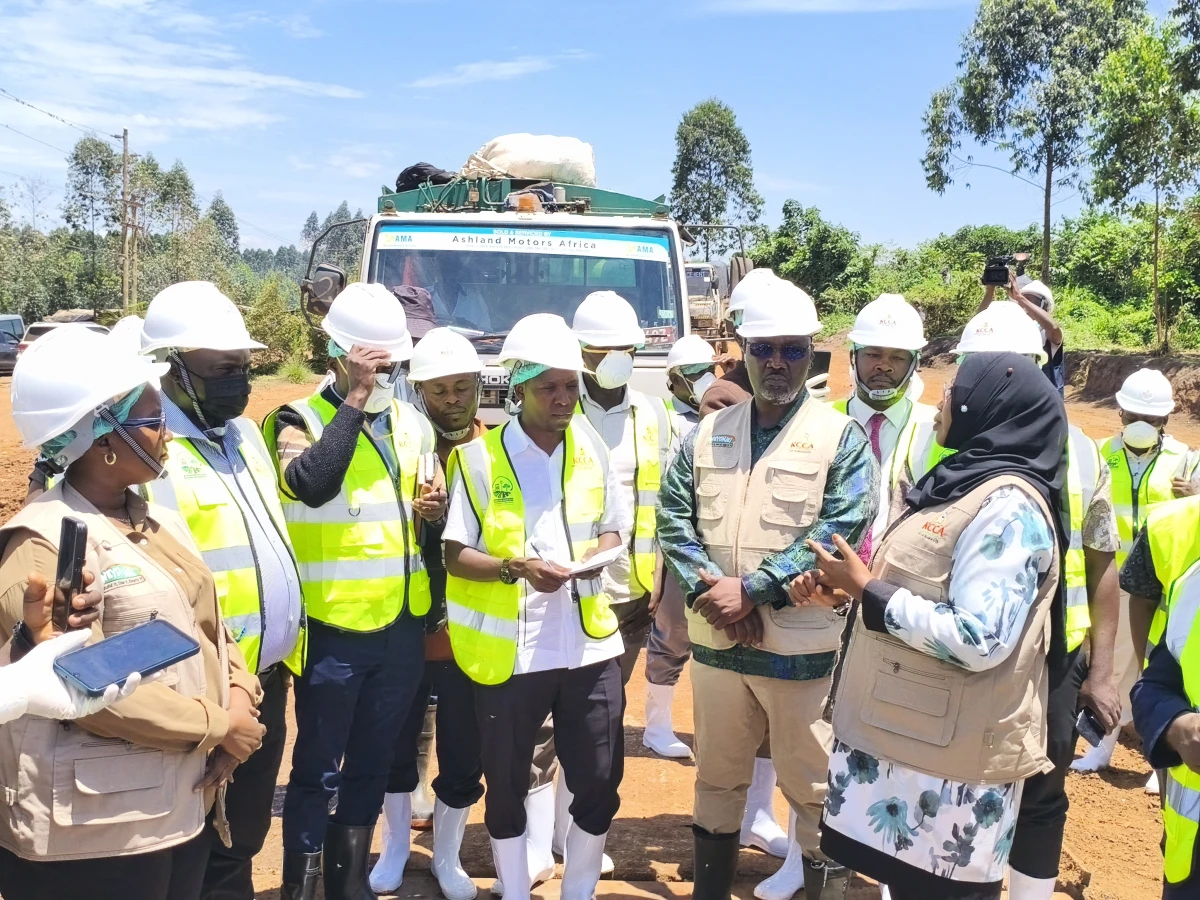
Kampala Capital City Authority (KCCA) has announced plans to transition from conventional garbage dumping to modern waste management, with the authority in advanced stages of procuring companies to introduce technologies that will recover recyclable materials and transform waste into valuable products.
KCCA Executive Director Sharifah Buzeki said the planned investment would support the establishment of integrated waste management and material recovery facilities aimed at improving waste handling in Kampala and the wider Greater Kampala Metropolitan Area (GKMA).
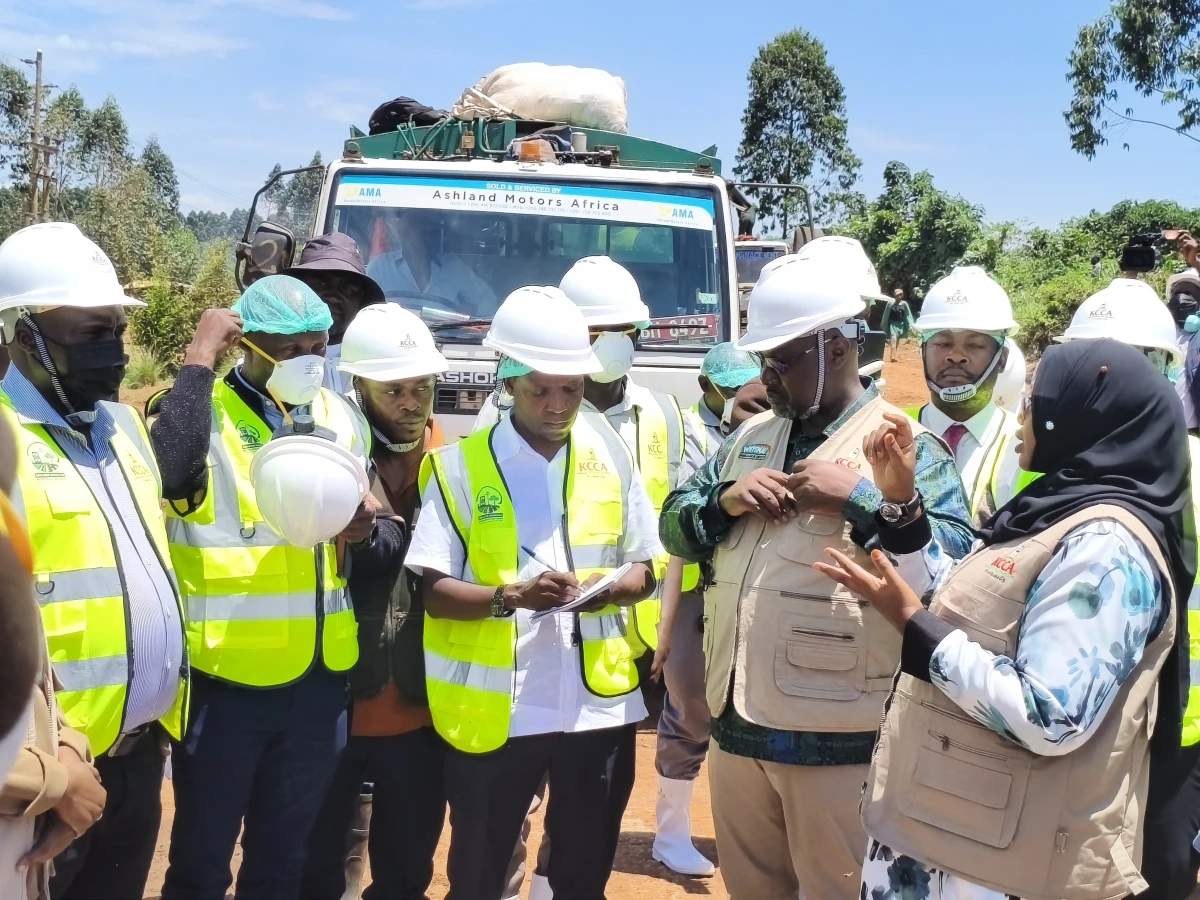
“Our journey is not dumping; we are transitioning from dumping to modern waste management. We are in advanced stages of procuring companies that will bring technologies for waste recovery, integrated waste management and material recovery facilities to process waste into value,” Buzeki said.
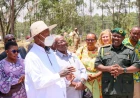
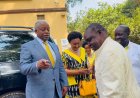
She made the remarks on Friday during a visit by Parliament’s Committee on Commissions, Statutory Authorities and State Enterprises (COSASE) to the Buyala Waste Management Facility in Mpigi District, where legislators assessed its operations, environmental safeguards and progress in addressing concerns raised by the Auditor General.
The committee, led by its chairperson, Nkunyingi Muwada, also examined the facility’s proximity to land owned by the Uganda National Oil Company (UNOC), alongside the measures being implemented to improve the management of waste delivered to the site.
Government backs transition to modern waste management
Buzeki said KCCA was committed to implementing the transition with support from government and Parliament, noting that funding had been provided to facilitate the shift from conventional dumping to more sustainable waste management practices.
“We are ready to move on this journey with you as MPs. The President directed us to move away from dumping, and Parliament gave us money to transition from this kind of dumping to modern waste management,” she said.
She explained that the proposed system would go beyond collecting and depositing garbage to recovering materials that can be recycled, reused or processed into useful products.
The approach is expected to reduce the volume of waste requiring disposal, improve the utilisation of recyclable materials and strengthen environmental management across Kampala and neighbouring urban centres.
The planned investment comes amid growing waste management demands in the metropolitan area, where increasing urbanisation, household consumption and commercial activity place pressure on existing collection and disposal infrastructure.
COSASE demands accountability and environmental safeguards
During the inspection, Muwada said the committee wanted to establish whether the Buyala facility had the necessary infrastructure and safeguards to manage waste effectively while protecting surrounding communities and the environment.
He emphasised that Parliament would continue scrutinising public expenditure to ensure that funds allocated to waste management deliver tangible and lasting improvements.
“We want to see a clear transition from dumping to modern waste management. KCCA must address the issues raised by the Auditor General, strengthen environmental safeguards and ensure that the investments being made deliver lasting solutions for Kampala and the wider metropolitan area,” Muwada said.
The committee’s visit also provided an opportunity to assess the progress KCCA had made in responding to audit concerns and improving operational controls at the facility.
Buzeki said the authority had installed a weighbridge to measure incoming waste, enabling operators to establish the quantities delivered and improve monitoring of activities at the site.
She added that KCCA was in the process of procuring a contractor to construct a perimeter wall using funds allocated in the current financial year.
The proposed wall is expected to strengthen control over access to the facility, while improved monitoring systems will help the authority track waste deliveries and enforce operational requirements.
Hon. Joseph Mugenyi, the Burahya County Member of Parliament, urged KCCA to maintain safety standards and ensure that the facility complies with the relevant requirements governing waste management.
KCCA explains controls at Buyala facility
KCCA officials said the Buyala Waste Management Facility serves Kampala and several neighbouring urban centres, including Wakiso, Kira, Kasangati and Bweyogerere.
Deputy Executive Director Benon Kigenyi explained that trucks entering the facility were registered and weighed to establish the quantities of waste delivered.
According to KCCA officials, the facility receives approximately 1,200 tonnes of waste daily transported by about 180 trucks, illustrating the scale of the waste management challenge facing the metropolitan area.
The authority has also put in place requirements intended to improve the safe transportation and handling of waste.
Buzeki said waste collection companies contracted by KCCA were required to cover their garbage trucks during transportation to prevent waste from spilling or scattering along roads. She said contractors were expected to comply with the requirement.
She further explained that the facility does not accept medical waste and that deliveries must be authorised, with operators required to declare the type of waste they are transporting.
The measures are intended to strengthen accountability, improve waste tracking and prevent inappropriate materials from entering the facility.
Leachate and gas management measures
Director of Public Health and Environment Dr. Sarah Zalwango said the facility currently occupies approximately 10 acres within a larger 230-acre landholding.
KCCA has installed leachate collection systems and gas ventilation pipes to support environmental management at the site.
Leachate is the contaminated liquid produced when water passes through decomposing waste. If not properly collected and managed, it can contaminate soil and water sources.
According to KCCA officials, the liquid is collected in designated ponds for management, while ventilation pipes help control gases generated as waste decomposes.
These systems are important in reducing the environmental risks associated with waste disposal, although their effectiveness depends on proper operation, regular maintenance and continued monitoring.
The authority’s planned transition to integrated waste management is expected to complement these measures by reducing dependence on conventional dumping and introducing technologies that allow more waste to be recovered and processed.
KCCA addresses concerns over proximity to UNOC land
The parliamentary delegation also examined the proximity of the Buyala facility to land belonging to the Uganda National Oil Company.
In response, KCCA officials said approximately 460 acres separated the two properties, with the intervening land belonging to a Kampala businessman.
The explanation formed part of the committee’s assessment of the facility’s location and its relationship with neighbouring properties.
The issue highlights the importance of land-use planning, environmental safeguards and coordination among relevant authorities as waste management infrastructure expands to meet the needs of the Greater Kampala Metropolitan Area.
Waste pickers benefit from recycling activities
Beyond waste disposal, the Buyala facility also supports livelihoods through the recovery of recyclable and reusable materials.
Kigenyi said the site provides opportunities for more than 450 waste pickers who collect materials that can be recovered from the garbage delivered to the facility.
He noted that some of the waste pickers had organised themselves into savings groups and savings and credit cooperative societies (SACCOs), enabling them to save money and improve their livelihoods.
The planned introduction of material recovery technologies could create additional opportunities for recycling and waste-based enterprises, depending on how the new system is designed and implemented.
Recovering useful materials from waste can also reduce the amount of garbage requiring final disposal while creating economic opportunities along the recycling value chain.
The proposed transition therefore has implications not only for environmental protection but also for employment, enterprise development and the livelihoods of people who depend on recyclable materials for income.
Public urged to separate waste at source
Buzeki said KCCA was intensifying efforts to encourage households and businesses to separate waste at the point of generation.
She explained that the authority was using public sensitisation campaigns and weekly community cleanups to promote responsible waste management practices.
Contracted waste collectors are also required to participate in sensitisation activities aimed at encouraging residents to handle and dispose of waste appropriately.
Waste separation at source can help distinguish recyclable materials from organic waste and other refuse, making subsequent collection, sorting and processing more efficient.
The planned integrated waste management system is expected to incorporate segregation and processing technologies that can recover recyclable materials and convert suitable waste into useful products.
However, the success of the approach will depend on cooperation among households, businesses, waste collectors, recycling companies and public authorities.
Effective implementation will also require reliable collection systems, sufficient processing capacity, public awareness and sustained investment in infrastructure.
A shift towards sustainable urban waste management
The planned transition marks an important step in KCCA’s efforts to address the growing waste management demands of Kampala and its surrounding metropolitan area.
With approximately 1,200 tonnes of waste reportedly reaching Buyala every day, the authority faces the challenge of managing large volumes while strengthening environmental protection, improving operational accountability and ensuring that public investments deliver measurable results.
The procurement of companies to introduce modern waste recovery technologies is expected to form a central part of the proposed transformation. The shift could allow more materials to be recovered for recycling and reuse, reducing the quantity of waste requiring disposal.
At the same time, improvements at Buyala, including the weighbridge, the planned perimeter wall, waste transportation controls and leachate and gas management systems, are intended to strengthen the facility’s operations.
Parliament’s continued oversight will be important in ensuring that the concerns raised by the Auditor General are addressed and that the funds allocated to the transition produce practical improvements.
Buzeki welcomed the committee’s guidance and reaffirmed KCCA’s commitment to working with legislators to implement the new approach.
The long-term success of the initiative will depend on translating the planned procurement into functioning waste recovery infrastructure, maintaining environmental safeguards and securing the participation of the public and private sector.
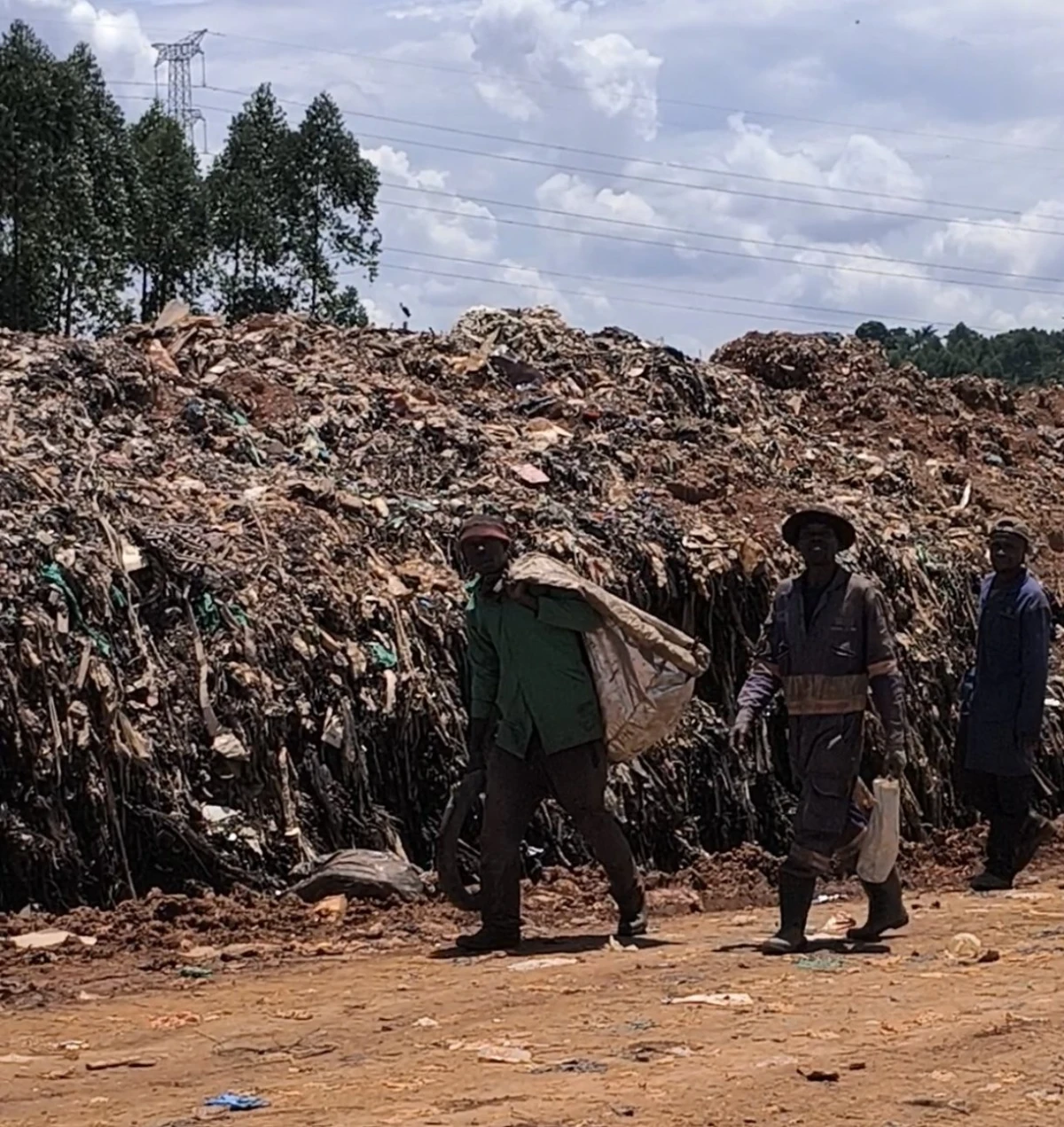
For Kampala and the wider Greater Kampala Metropolitan Area, the objective is to move towards a system in which garbage is increasingly treated as a resource that can be recovered and converted into value, rather than simply collected and dumped.

John Kusolo is a Pastor, Sports Enthusiast and Ugandan journalist with Nile Chronicles News (NCN). With a strong commitment to journalistic excellence, he is recognized for his dedication, goal-oriented approach, and ability to thrive in challenging environments. Kusolo brings focused motivation and professionalism to his reporting and media assignments.










Comments (0)