
Bamasaaba Cultural Institution, UWA Agree on Peaceful Framework for Mt Elgon Boundary Mapping
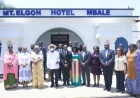
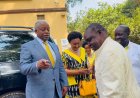
The resolutions were reached during a meeting held on Monday, August 31, 2026, involving officials from the Uganda Wildlife Authority, the Bamasaaba Cultural Institution and Mt Elgon investors.
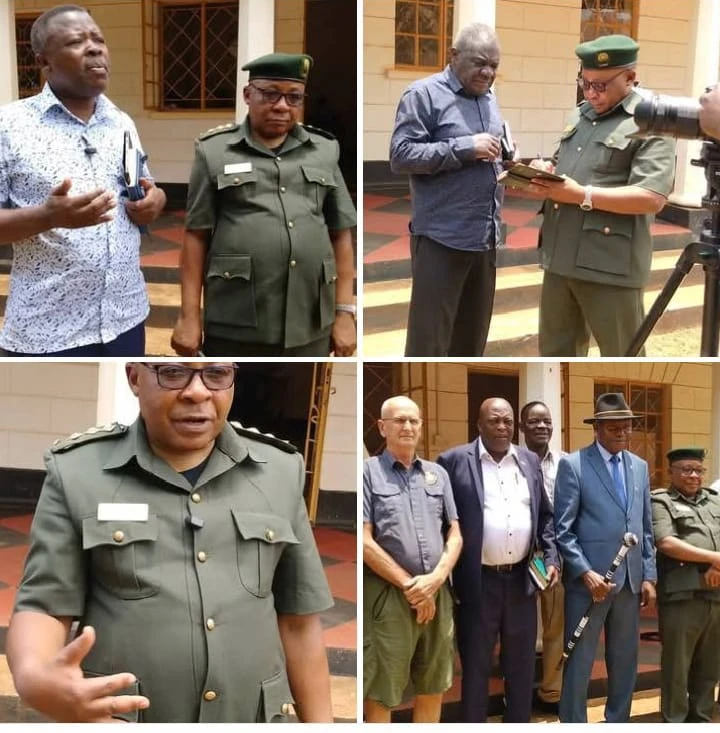
Mbale — The Bamasaaba Cultural Institution and the Uganda Wildlife Authority (UWA) have agreed on a number of measures aimed at ensuring the peaceful and inclusive mapping and enforcement of the boundary between communities and Mt Elgon National Park.
The resolutions were reached during a meeting held on Monday, August 31, 2026, involving officials from the Uganda Wildlife Authority, the Bamasaaba Cultural Institution and Mt Elgon investors.
According to a press release issued by Hon. Steven Masiga, the Spokesperson of the Bamasaaba Cultural Institution, the meeting focused on concerns surrounding the enforcement and mapping of the Mt Elgon National Park boundary and the need to prevent conflicts with communities living near the protected area.
The UWA delegation was led by Mr Richard Matanda, the Deputy Warden, alongside several other officials from the wildlife authority.
Masiga said the meeting agreed that communities across Bugisu should be properly educated and sensitised about the boundary line being enforced by UWA.
He said the parties agreed that the wildlife authority should undertake surveys of the proposed boundary while ensuring that the exercise follows agreements and understandings reached between the Government and the affected communities.
“One of the key resolutions was that the Bamasaaba people should be properly educated about the boundary line under enforcement by UWA and that the surveying of the new boundary should be conducted in accordance with what has been agreed upon between Government and the community,” Masiga said.
The meeting also resolved that the Bamasaaba Cultural Institution and the Uganda Wildlife Authority should sign a formal framework to serve as a working document guiding cooperation between the two institutions during the boundary mapping and enforcement process.
According to Masiga, the involvement of clan chairpersons from across Bugisu was also identified as critical in engaging communities affected by the boundary exercise.
The clan leaders are expected to play an important role in communicating with residents, explaining the agreed processes and helping address concerns arising from the enforcement of the boundary.
The Bamasaaba Cultural Institution, however, strongly rejected the use of force during the mapping exercise, insisting that the process should be conducted peacefully and through consultation with the affected communities.
“The use of force during the mapping exercise was rejected. We agreed that there should instead be a mechanism for addressing conflicts that may arise during the mapping and enforcement of the boundary,” Masiga said.
The meeting further agreed on the need to develop a clear conflict-resolution mechanism to address disputes that may emerge as the boundary is surveyed and marked.
Masiga said the participants also condemned individuals accused of acting as brokers by collecting money from people living or operating in forest areas while allegedly promising them protection.
He said some of the individuals involved in the practice were believed to be local political actors, and warned that such activities could exploit vulnerable communities and complicate efforts to resolve the boundary dispute.
The parties also discussed the need to establish a permanent boundary between the communities and Mt Elgon National Park.
According to the resolutions, the proposed boundary should be a “once and for all” solution designed to minimise future disputes and uncertainty.
Masiga said the parties agreed that modern and durable methods could be considered in marking the boundary, including the use of natural features such as drainage lines and other advanced permanent pillars or markers.
The meeting further emphasised that the boundary should not be limited to simply using roads, including tarmacked roads, as the means of separating communities from the national park.
The Bamasaaba Cultural Institution maintained that its involvement throughout the mapping process was a key resolution of the meeting, with cultural leaders expected to participate in engaging communities and ensuring that local concerns are adequately considered.
Masiga said the institution believes that the participation of cultural leaders and clan structures will be essential in building trust between UWA, the Government and communities living around Mt Elgon National Park.
The meeting concluded with a request to Mr Richard Matanda, the Deputy Warden, to brief the highest levels of Government on the proposals and resolutions agreed upon during the discussions.
The resolutions are expected to guide further engagement between the Uganda Wildlife Authority, the Bamasaaba Cultural Institution and affected communities as discussions continue on establishing and enforcing a permanent and mutually understood boundary around Mt Elgon National Park.
The Bamasaaba Cultural Institution expressed hope that continued dialogue and cooperation among all stakeholders would help prevent conflict and ensure that the boundary mapping exercise is carried out peacefully, transparently and with the involvement of the communities affected.

John Kusolo is a Pastor, Sports Enthusiast and Ugandan journalist with Nile Chronicles News (NCN). With a strong commitment to journalistic excellence, he is recognized for his dedication, goal-oriented approach, and ability to thrive in challenging environments. Kusolo brings focused motivation and professionalism to his reporting and media assignments.







Comments (0)