
Engineers Warn Only 10% of Buildings Screened in Uganda Considered Safe Amid Earthquake Risks
Preliminary NBRB findings indicate that only 9–10% of more than 30,000 buildings screened in Uganda are safe, prompting calls for stronger construction standards.
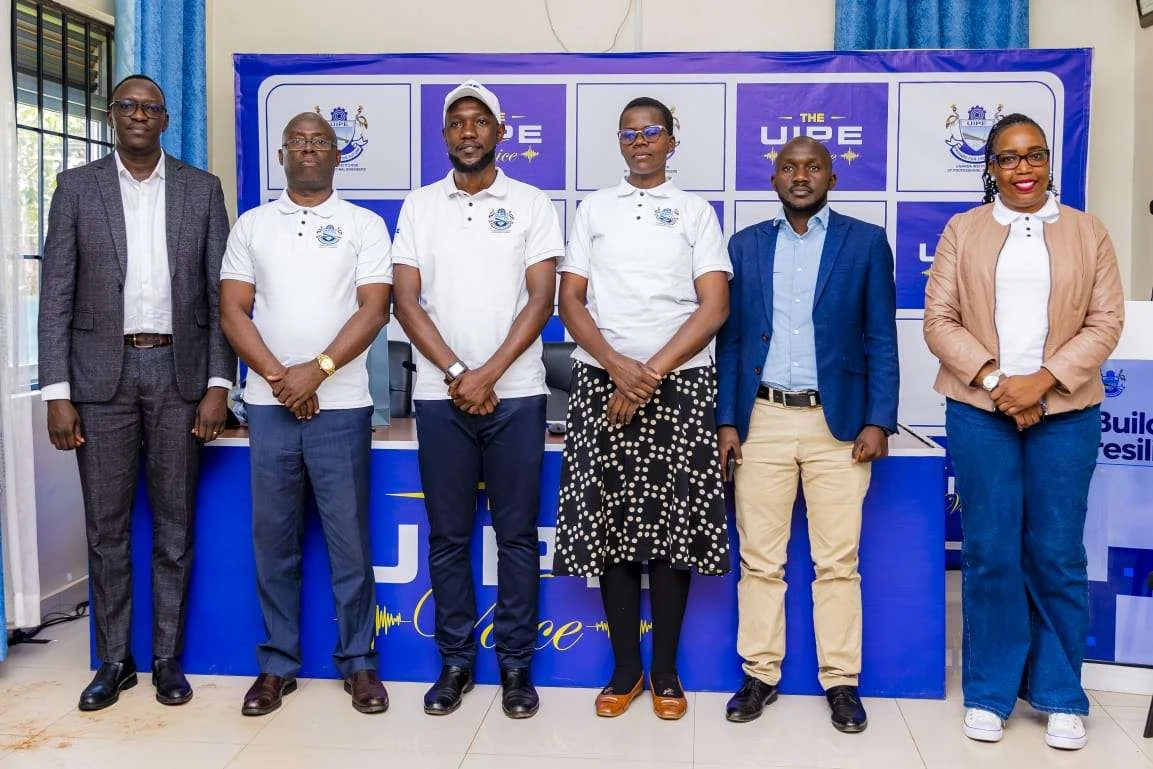
Uganda’s preparedness for a major earthquake has come under scrutiny after preliminary findings by the National Building Review Board (NBRB) indicated that only about 9 to 10 per cent of more than 30,000 buildings screened so far have been classified as safe.
The findings highlight concerns about the structural integrity of buildings across the country and have prompted calls for stronger construction standards, improved enforcement and urgent rehabilitation of vulnerable structures.
Dr Morris Oleng, head of research at the NBRB, presented the findings during the fifth edition of the Uganda Institution of Professional Engineers (UIPE) Voice engagement, where he emphasised the importance of integrating earthquake-resistant designs into construction.
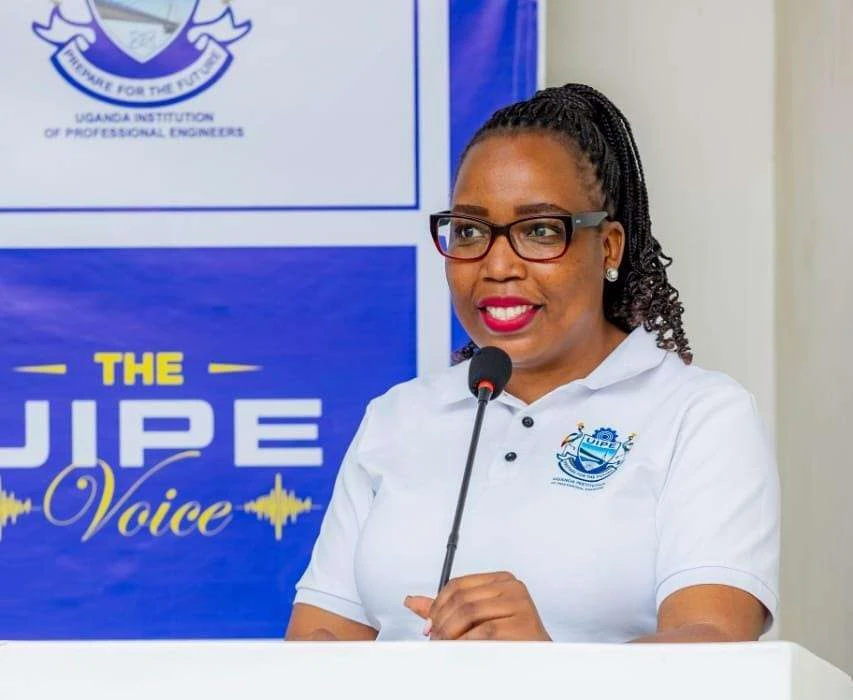
Oleng cautioned that the assessment was still ongoing and that further investigations would provide a clearer picture of the country’s building safety.
He said preliminary results showed that more than half of the buildings assessed required some form of strengthening, raising concerns about public safety as Uganda’s population grows and urbanisation accelerates.
Earthquake Damage Could Cost Millions
The assessment also highlighted the potential economic and human consequences of a major earthquake.
According to preliminary modelling presented by Oleng, earthquake damage to buildings could cause annual economic losses exceeding $74 million, while more than 70 people could die under the scenarios examined.
The projections further suggest that earthquake-related losses could reach as much as three per cent of Uganda’s gross domestic product over a 50-year return period.
These figures are estimates, not predictions of when an earthquake will occur. However, they underscore the potential consequences of inadequate construction practices and insufficient disaster preparedness.
Oleng called for increased attention to building inspections, enforcement of construction regulations and rehabilitation of structures that may not withstand seismic forces.
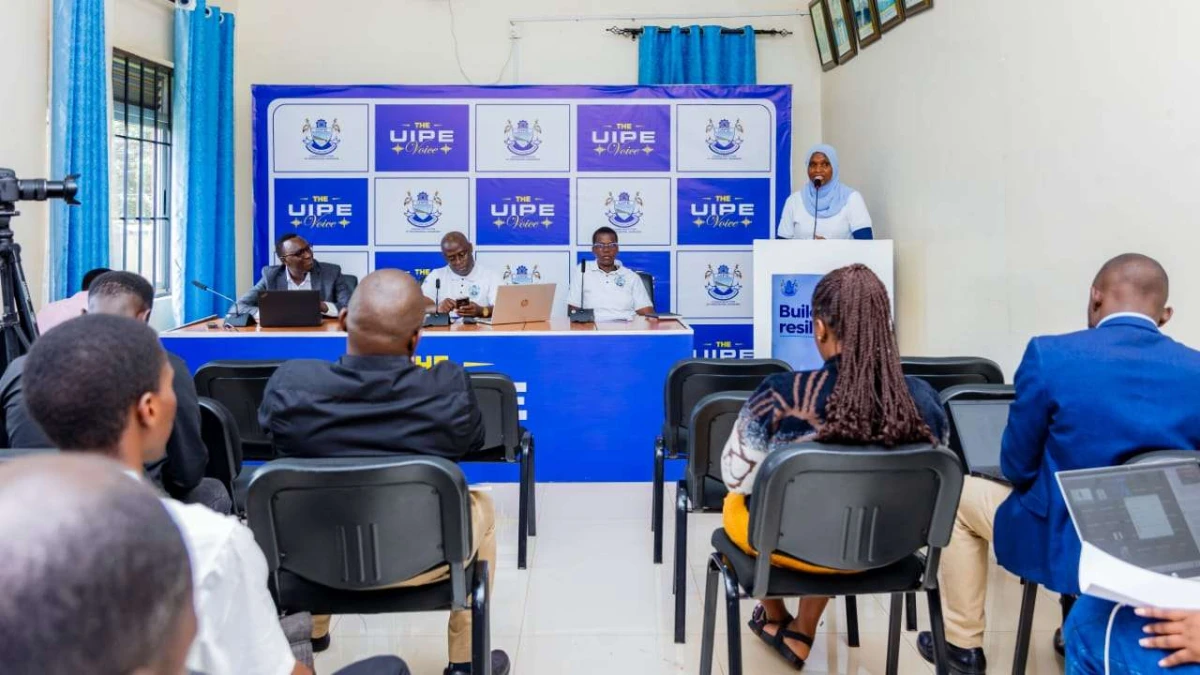
Uganda’s Geological Location Raises Concerns
Uganda’s exposure to earthquakes is partly linked to its location within the East African Rift system, a geological region associated with tectonic activity.
Oleng cited historical earthquakes, including the 1966 Toro earthquake, which reportedly killed about 160 people, and a 1994 earthquake identified in the presentation as the Kisomoro earthquake, which reportedly caused eight deaths.
The latter event was also associated with building damage estimated at more than $60 million, according to information presented during the engagement.
Oleng stressed that the danger posed by an earthquake depends not only on ground movement but also on the ability of buildings to withstand the resulting forces.
“Earthquakes do not kill. It is the buildings we live in that will kill us, not the earthquake,” he said, according to the event transcript.
His remarks underline the importance of structural integrity in reducing deaths and injuries during earthquakes.
School Buildings Among Areas of Concern
Schools were identified as a priority because structural failure during learning hours could expose large numbers of pupils, students and teachers to danger.
A separate assessment of 100 school buildings in Fort Portal, Hoima and Mbarara reportedly found that about five per cent required urgent corrective measures.
Between 60 and 70 per cent needed further inspection and potentially strengthening, while approximately 20 per cent were described as safe. The precise classifications require confirmation against the original study.
Oleng cited weaknesses including missing structural supports, weak mortar joints, unsupported parapets, cracks and concerns about construction materials.
The findings highlight the importance of regular inspections and ensuring that school buildings comply with appropriate construction standards.
NBRB Calls for Stronger Standards
The NBRB is working with the Global Earthquake Model Foundation under a project identified as SERENE to improve earthquake risk assessment and strengthen the evidence informing building regulation.
The initiative examines seismic hazards, the people and infrastructure exposed to them, and the vulnerability of buildings.
The board is also conducting further building audits and working with the Uganda Bureau of Statistics on a national baseline survey to establish the characteristics of buildings across the country.
Oleng said Uganda’s existing seismic design standard, identified in the presentation as US 319:2003, needed updating to reflect current knowledge and improve guidance for engineers.
He also called for stronger enforcement by authorities responsible for approving building plans and supervising construction.
Engineers Advocate Prevention and Public Awareness
Oleng proposed structural strengthening for buildings where rehabilitation is technically and economically justified. Such interventions require professional assessments to identify weaknesses and determine appropriate solutions.
He also suggested that government consider a national insurance scheme to help property owners manage financial losses associated with earthquakes.
Meanwhile, UIPE vice-president for finance and administration, Dr Martin Kalibbala, said the engagement aimed to connect engineers with the public and explain how professional engineering decisions affect everyday life.
UIPE vice-president for public relations, ethics and practice, Zainab Mpakiraba, also called for greater community engagement and professional knowledge-sharing.
As assessments continue, the immediate challenge is to identify buildings requiring urgent intervention, enforce construction standards and ensure that safety recommendations translate into action.
The NBRB’s preliminary findings reinforce the need for Uganda to prioritise safer buildings, stronger regulation and better earthquake preparedness to protect lives and infrastructure.

Benjamin Mwibo is a talented, passionate and creative journalist with a commitment to high quality out put that is factual and researched. Above all Dedicated with a strong desire to identify the truth of the matter.








Comments (0)