
NRM National Treasurer Nekesa Hails King Oyo’s Legacy of Leadership and Development
In her message of condolence, Hon. Ambassador Nekesa paid tribute to the late monarch's leadership, noting that despite ascending to the throne at an exceptionally young age, King Oyo grew into a leader who demonstrated remarkable maturity, commitment and dedication to the wellbeing of his people.
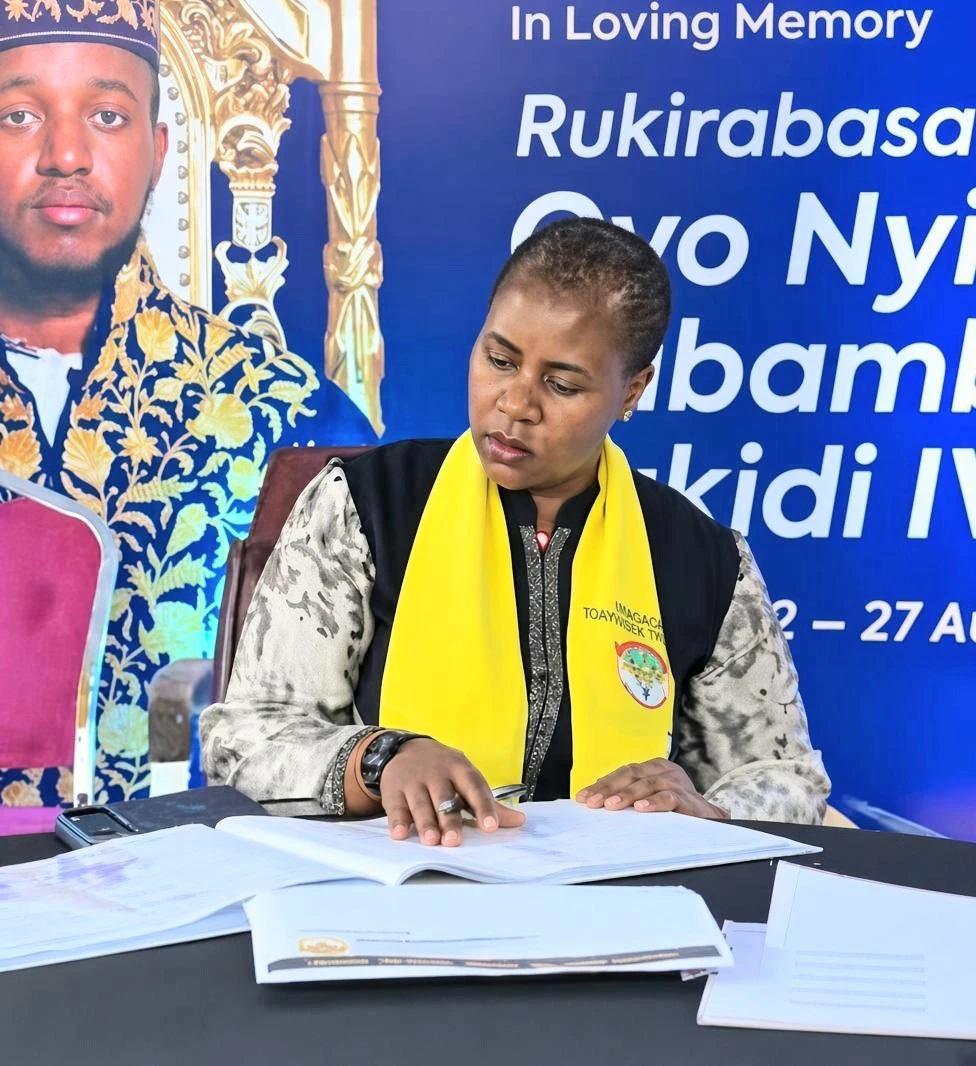
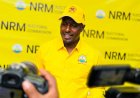
KAMPALA, Uganda — The National Resistance Movement (NRM) National Treasurer, Hon. Ambassador Barbara Nekesa Oundo, has joined the Royal Family of Tooro, the Abatooro and the wider Ugandan community in mourning the death of Omukama Oyo Nyimba Kabamba Iguru Rukidi IV, describing the late monarch as a hardworking and mature leader whose contribution to development extended beyond the boundaries of Tooro Kingdom.
King Oyo passed away on the evening of Thursday, August 27, 2026, at the age of 34 while receiving medical treatment in the United States.
In her message of condolence, Hon. Ambassador Nekesa paid tribute to the late monarch's leadership, noting that despite ascending to the throne at an exceptionally young age, King Oyo grew into a leader who demonstrated remarkable maturity, commitment and dedication to the wellbeing of his people.
“Though young, he was mature as a leader,” Ambassador Nekesa said.
The NRM National Treasurer described King Oyo as a hardworking monarch who consistently promoted development programmes within Tooro Kingdom and contributed to broader national efforts aimed at improving the livelihoods of Ugandans.
“King Oyo has been very hardworking and pushing for developmental programmes in his kingdom and Uganda at large. He has always worked closely with the NRM government to promote poverty eradication programmes. It is a great loss to Uganda as a nation,” Nekesa said.
Her tribute adds to the growing stream of condolences from political, cultural and religious leaders following the death of one of Uganda's youngest and most recognisable traditional leaders.
A Great Loss to Tooro and Uganda
The death of King Oyo was officially announced by Tooro Kingdom Prime Minister Calvin Armstrong Rwomiire Akiiki, who described the loss as immeasurable for the Royal Family, the people of Tooro Kingdom and Uganda as a whole.
According to the announcement, the Omukama passed away at approximately 10:00 p.m. East African Time while receiving medical treatment in the United States.
The Kingdom leadership called upon the Abatooro and all Ugandans to remain calm, united and prayerful during the period of mourning.
In keeping with Tooro cultural traditions, the announcement of the King's passing was accompanied by the traditional expressions of mourning, “Omukama Atulize. Enkuba Etutire.”
The Kingdom also assured the public that continuity of the Crown is guaranteed, with the late monarch leaving behind a prince who is expected to succeed him in accordance with Tooro Kingdom traditions and customs.
The identity of the heir is expected to be formally revealed through the established cultural procedures.
Details regarding funeral arrangements and other official mourning activities are expected to be communicated by the Kingdom leadership.
Nekesa Hails King's Development Commitment
Ambassador Nekesa's tribute focused particularly on the late monarch's commitment to development and his engagement with programmes aimed at transforming communities.
During his reign, King Oyo became increasingly associated with initiatives promoting agriculture, tourism, environmental conservation, youth empowerment, education and community development.
The NRM National Treasurer noted that the monarch maintained a close working relationship with the government in supporting programmes intended to fight poverty and improve livelihoods.
His development-oriented approach made him a significant cultural leader not only within Tooro Kingdom but also in Uganda's wider national development framework.
King Oyo's reign was particularly remarkable because it began when he was still a child and evolved over the years into an era in which he actively participated in conversations about economic transformation, youth opportunities and the future of traditional institutions.
Many Ugandans watched him grow from a young child monarch into an adult leader who represented a new generation of cultural leadership.
From the World's Youngest Monarch to a Mature Leader
Omukama Oyo Nyimba Kabamba Iguru Rukidi IV was born on April 16, 1992, to the late Omukama Patrick David Matthew Kaboyo Olimi III and Queen Mother Best Kemigisa Akiiki.
He ascended to the throne on September 12, 1995, at the age of three, following the death of his father.
His ascension made him one of the youngest reigning monarchs in the world and placed him at the centre of international attention.
During his childhood, the young monarch was guided by the Kingdom's established structures and senior leaders as he prepared to assume greater responsibility in the affairs of Tooro Kingdom.
As he grew older, King Oyo increasingly took an active role in promoting the Kingdom's cultural heritage and development agenda.
His journey from a child king to an adult monarch became one of the defining features of his reign.
In 2010, King Oyo formally marked his transition into adult leadership, assuming greater operational responsibility over the affairs of the Kingdom.
Over more than three decades associated with the throne, he became an important symbol of cultural continuity and unity for the people of Tooro.
A Reign Focused on Culture and Development
Throughout his reign, King Oyo was associated with efforts to preserve Tooro's cultural identity while encouraging the Kingdom to embrace modern development opportunities.
The Kingdom promoted programmes and discussions around agriculture, tourism, education, environmental conservation and youth economic empowerment.
These areas became increasingly important as Uganda's traditional institutions sought to maintain their cultural roles while contributing to social and economic development.
Ambassador Nekesa's tribute reflects this aspect of the late monarch's legacy, particularly his willingness to work alongside government institutions and other stakeholders to advance programmes aimed at poverty eradication and community transformation.
His death has therefore been described by many mourners as not only a loss to the people of Tooro but also to Uganda's broader cultural and national development landscape.
Nation United in Mourning
The news of King Oyo's critical illness had circulated earlier on Thursday, August 27, with Kingdom officials and other leaders appealing to the public to keep him in their prayers. Local Government Minister Balaam Barugahara had also indicated that the monarch was receiving medical attention in the United States.
Following the official confirmation of his death, messages of condolence began pouring in from across Uganda and beyond, reflecting the significant place King Oyo occupied in the country's cultural and public life.
Ambassador Nekesa's message places the NRM among the institutions and leaders paying tribute to the late monarch and recognising his contribution to the country.
Her description of King Oyo as a mature leader despite his young age captures a sentiment widely expressed by those who followed his journey from childhood to adulthood.
For many Ugandans, King Oyo's life represented a unique chapter in the history of traditional leadership — a monarch who ascended the throne as a three-year-old child and grew up under the watch of an entire kingdom and nation.
Awaiting Funeral and Succession Arrangements
As the country continues to mourn, attention is now focused on the official funeral programme and the Kingdom's succession process.
The Tooro Royal Family, the Queen Mother and the people of Tooro are expected to lead the mourning period as the Kingdom prepares to bid farewell to its monarch.
The formal unveiling of the heir to the throne is also expected to be conducted in accordance with Tooro Kingdom traditions and customs.
Uganda's traditional institutions remain important centres of cultural identity, heritage and community mobilisation.
King Oyo's reign spanned a period in which these institutions continued to redefine their role in modern Uganda while maintaining their cultural foundations.
For Ambassador Barbara Nekesa Oundo, the loss of King Oyo is particularly significant because of his contribution to development and his cooperation with national programmes aimed at improving the lives of ordinary Ugandans.
Her tribute serves as recognition of a monarch who, despite being among Uganda's youngest traditional leaders, carried himself with the composure and maturity of an experienced leader.
As the people of Tooro, the Royal Family and the entire nation mourn Omukama Oyo Nyimba Kabamba Iguru Rukidi IV, his legacy of cultural preservation, development advocacy and youth engagement will remain an important part of the history of Tooro Kingdom.
“Though young, he was mature as a leader,” Ambassador Nekesa said — a tribute that reflects the profound sense of loss shared by many Ugandans as they remember a monarch whose life and reign bridged generations.
May the soul of Omukama Oyo Nyimba Kabamba Iguru Rukidi IV rest in eternal peace.

John Kusolo is a Pastor, Sports Enthusiast and Ugandan journalist with Nile Chronicles News (NCN). With a strong commitment to journalistic excellence, he is recognized for his dedication, goal-oriented approach, and ability to thrive in challenging environments. Kusolo brings focused motivation and professionalism to his reporting and media assignments.




Comments (0)