
Tayebwa Urges EU to Bridge Uganda’s Refugee Funding Gap as Humanitarian Pressure Mounts
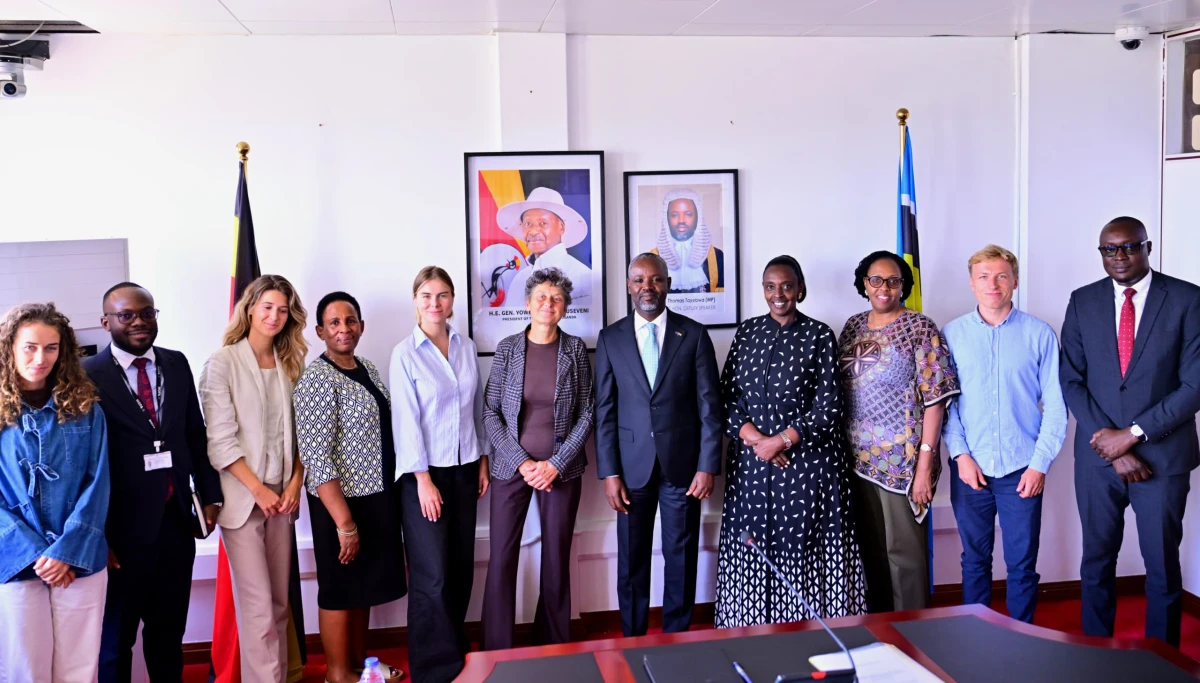
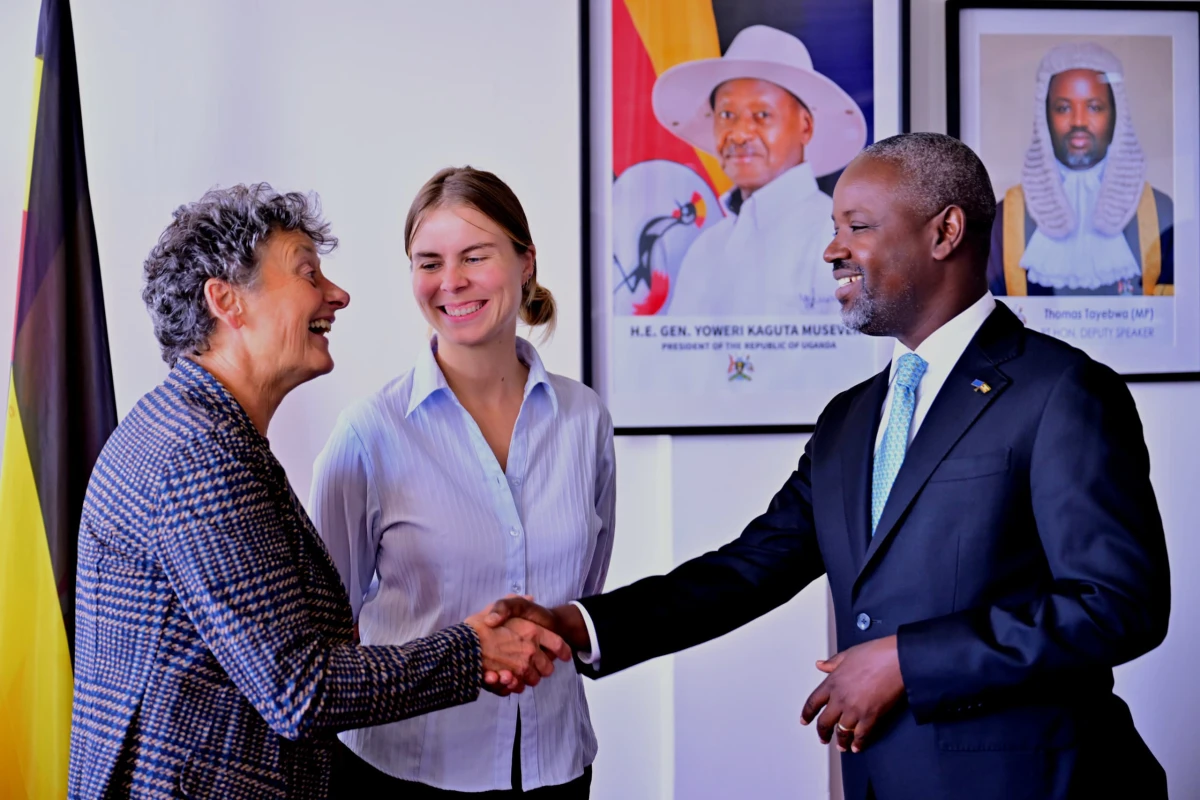
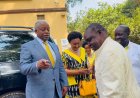
Rt. Hon. Tayebwa made the appeal on Monday when he received Members of the European Parliament, Hon. Tineke Strik and Hon. Anna Strolenberg, together with their colleagues, at Parliament.
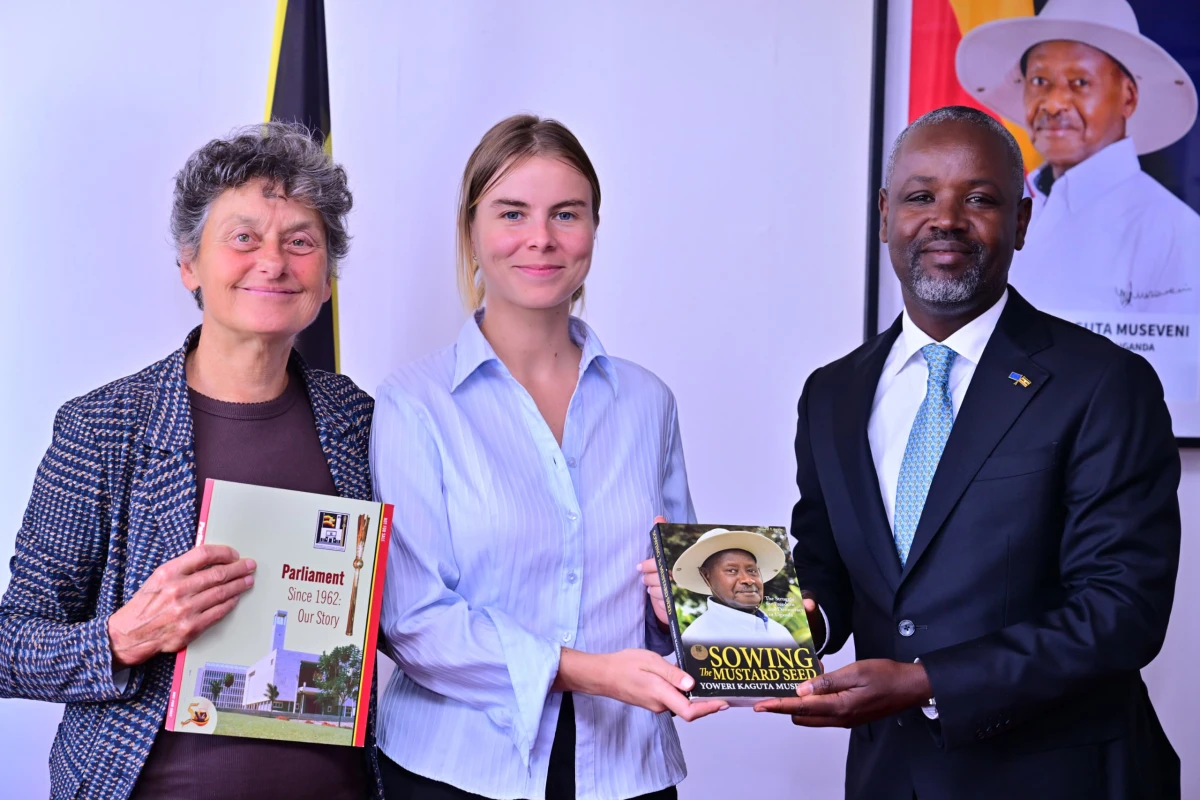
KAMPALA – Deputy Speaker of Parliament Rt. Hon. Thomas Tayebwa has called on the European Union (EU) to increase and sustain funding for Uganda’s refugee response, warning that declining humanitarian assistance is putting increasing pressure on government institutions, public services and communities hosting more than two million refugees and asylum-seekers.
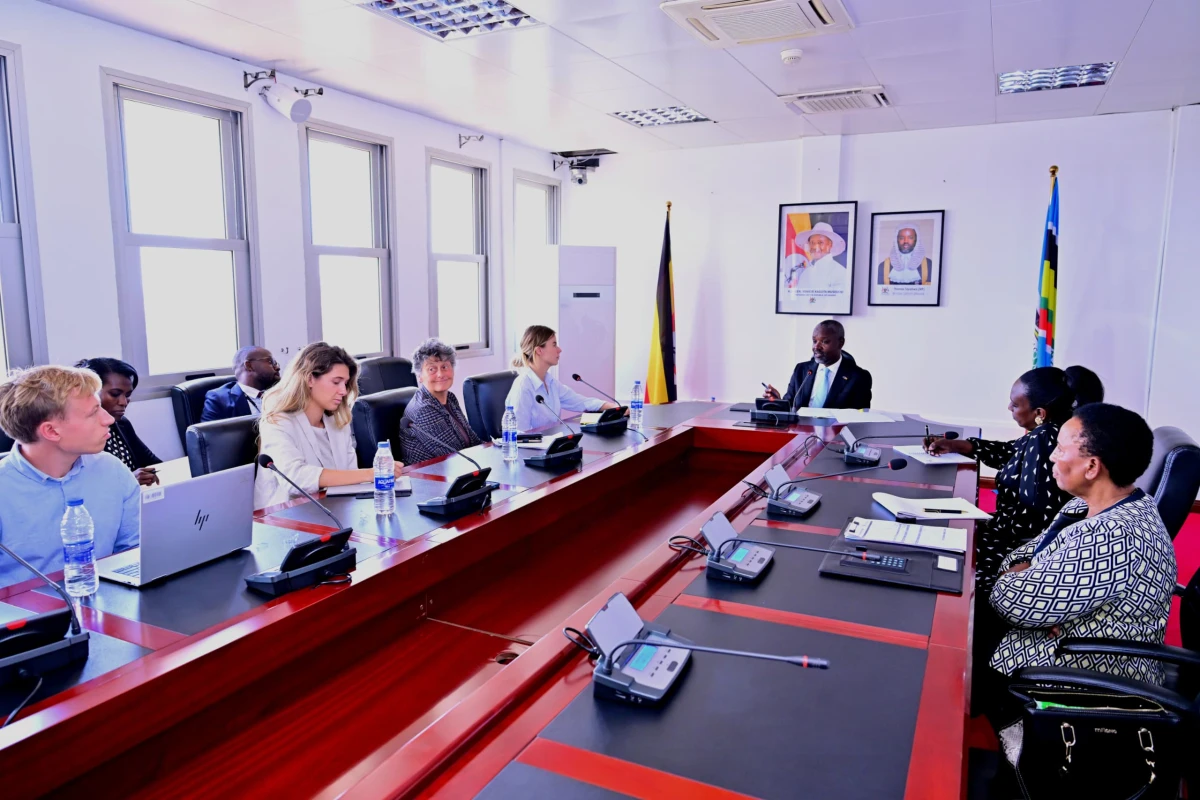
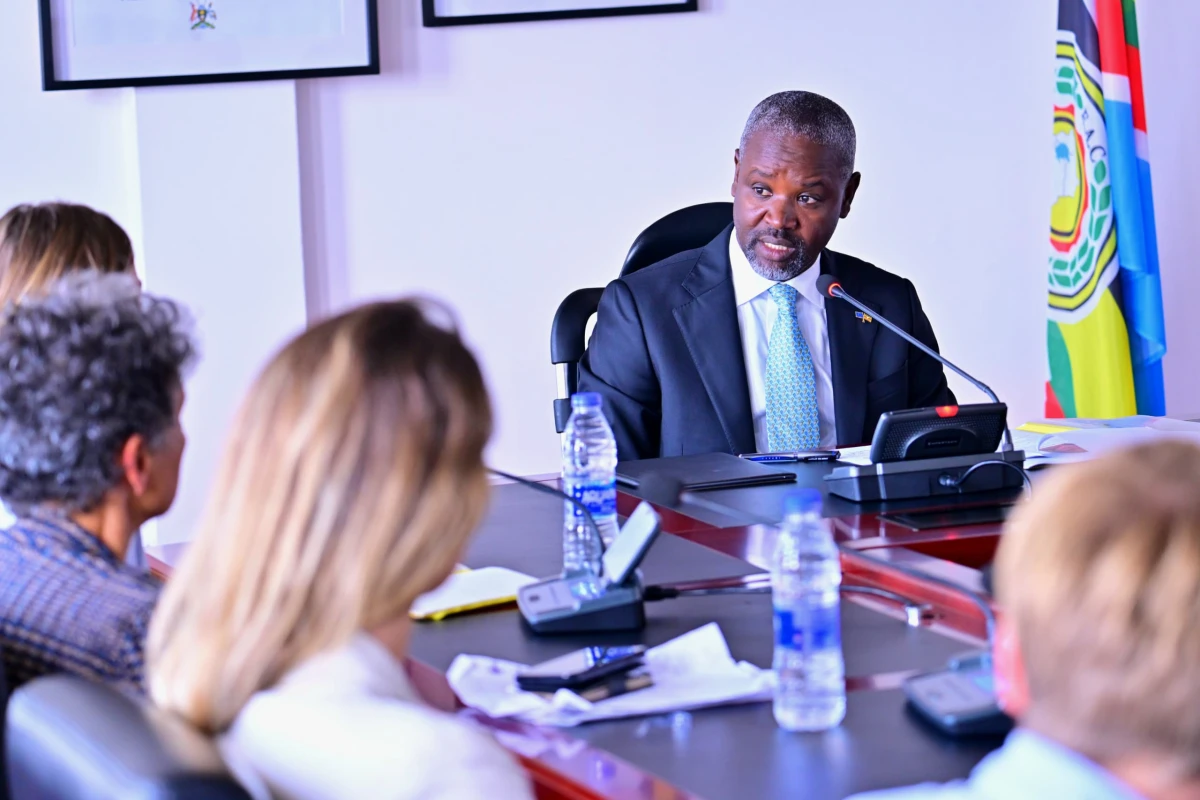
Rt. Hon. Tayebwa made the appeal on Monday when he received Members of the European Parliament, Hon. Tineke Strik and Hon. Anna Strolenberg, together with their colleagues, at Parliament.
The European parliamentary delegation is visiting Uganda to gain a deeper understanding of the country’s refugee policies and explore ways of strengthening cooperation between Uganda and the EU in refugee management and humanitarian response.
Tayebwa said Uganda’s refugee response is facing a significant financing gap, with the country’s 2026 refugee response plan requiring approximately US$850 million, yet only about 12 percent of the required funding has so far been provided by international partners.
He warned that the shortfall is already affecting the capacity of government and humanitarian agencies to maintain essential services for refugees and the Ugandan communities that host them.
“All this is happening at a time when there is a decline in funding,” Tayebwa said.
According to the Deputy Speaker, the impact of reduced funding is being felt particularly in refugee-hosting areas, where health, education and other public services are already under pressure.
He cited reductions in the number of teachers and health workers who had previously been supported through funding from international partners, while staffing within the Department of Refugees under the Office of the Prime Minister has also come under pressure.
“From our assessment, the current humanitarian funding model is no longer sufficient. Without alternative financing, pressure will overwhelm the government and host communities,” Tayebwa said.
Uganda Maintains Open-Door Refugee Policy
Despite the financial difficulties, Tayebwa said Uganda would continue to receive people fleeing armed conflicts and insecurity in neighbouring countries.
He described the country's refugee policy as being anchored in humanitarian principles and said the inability to fully finance refugee services should not be interpreted as a lack of willingness to accommodate people escaping violence and persecution.
“These people are helpless; they are vulnerable,” Tayebwa said.
“We struggle to provide for these refugees, but we are not struggling with the spirit of humanity to welcome them.”
Uganda hosts more than two million refugees and asylum-seekers, according to figures from the Department of Refugees under the Office of the Prime Minister.
The refugee population includes large numbers of women and children, with South Sudan and the Democratic Republic of Congo among the main countries of origin.
The continued arrival of refugees, Tayebwa said, has implications not only for Uganda's humanitarian system but also for districts and communities that provide land and share public infrastructure and services with refugee populations.
He therefore called for international assistance to support both refugees and host communities.
Tayebwa Calls for Focus on Causes of Displacement
Beyond humanitarian financing, Tayebwa urged the EU and other international partners to invest more heavily in addressing the conflicts and instability that continue to drive people from their homes.
He said humanitarian interventions alone cannot permanently resolve the refugee crisis if the underlying causes of displacement remain unresolved.
“We should go to the root cause of the problem in the region that causes the refugee influx,” he said.
Tayebwa argued that resolving conflicts in countries neighbouring Uganda would reduce the continued pressure created by new refugee arrivals and allow displaced populations to eventually return home or rebuild their lives in safer circumstances.
He also warned that prolonged displacement without adequate support and livelihood opportunities could increase the vulnerability of refugees to exploitation, trafficking and recruitment by armed groups.
“If Uganda cannot help these people settle, they are the people who will join Al-Shabaab, these are the people who will be trafficked to Europe,” he said.
Appeal for Predictable and Sustained Financing
Tayebwa said the refugee response requires predictable and long-term financing rather than short-term interventions that leave governments and humanitarian agencies uncertain about future resources.
He particularly appealed to European partners to maintain their support for Africa despite competing humanitarian and geopolitical priorities elsewhere in the world.
“The conflict in Ukraine has affected Europe a lot, but it should not make you forget Africa,” Tayebwa said.
He said Uganda's refugee-hosting responsibility should be viewed as part of a broader regional and international responsibility because instability in one country can have consequences that extend beyond national borders.
“Africa needs a predictable partner,” Tayebwa said.
He also described the refugee situation as an opportunity to deepen cooperation between Africa and Europe at a time when international relations and multilateral cooperation are facing significant challenges.
“At the time when multilateralism is dying and the global political arena is unpredictable, this is the time for Africa and Europe to strengthen their relationship,” he said.
“The relationship between the EU and Africa is dependable. This is the right time for the EU to strengthen and cement its relationship with Africa.”
EU Funding for Uganda
Tayebwa acknowledged the EU's contribution to Uganda's humanitarian response, describing the bloc as a dependable development and humanitarian partner.
“I want to appreciate the European Union. You have been a dependable partner,” he said.
The EU has allocated €20.7 million in humanitarian assistance to Uganda in 2026, following €23.9 million in 2025.
The bloc says it has provided more than €194 million in humanitarian funding to Uganda since 2021, supporting interventions targeting refugees and host communities.
EU-supported humanitarian programmes in Uganda cover areas including emergency cash assistance, food security, education, protection and disaster preparedness.
However, the figures cited by Tayebwa indicate that the overall humanitarian financing requirement remains substantially higher than the resources currently available.
European Parliament Delegation Recognises Uganda’s Role
Speaking during the meeting, European Parliament Member Tineke Strik acknowledged Uganda's role in receiving and hosting people fleeing conflict.
Strik said European countries could learn from Uganda's approach to refugees, particularly its willingness to continue receiving displaced people despite the challenges associated with hosting large populations.
“The EU and also the Netherlands can take Uganda as an example of hospitality,” Strik said.
She also recognised the financial difficulties facing countries that host large refugee populations and called for continued international support.
“I think we also need to address the issue of funding,” Strik said. “International partners should not leave Uganda alone,” she added.
The comments came against the backdrop of growing pressure on humanitarian financing globally, with refugee-hosting countries increasingly expected to provide services while relying on international partners to supplement national resources.
Refugee Response Requires Broader Partnership
Tayebwa's appeal places renewed emphasis on the need for a broader partnership between Uganda, the EU and other international actors in responding to displacement in the region.
For Uganda, the challenge is not limited to receiving refugees. It also involves maintaining schools, health facilities, water systems, roads and other public services in areas where refugee populations live alongside host communities.
The Deputy Speaker argued that continued international support would help prevent refugee-hosting communities from bearing a disproportionate share of the cost of a crisis whose causes frequently originate outside Uganda.
He urged European partners to view refugee support as a long-term investment in regional stability, while also supporting diplomatic and peace-building efforts aimed at addressing the conflicts that drive displacement.
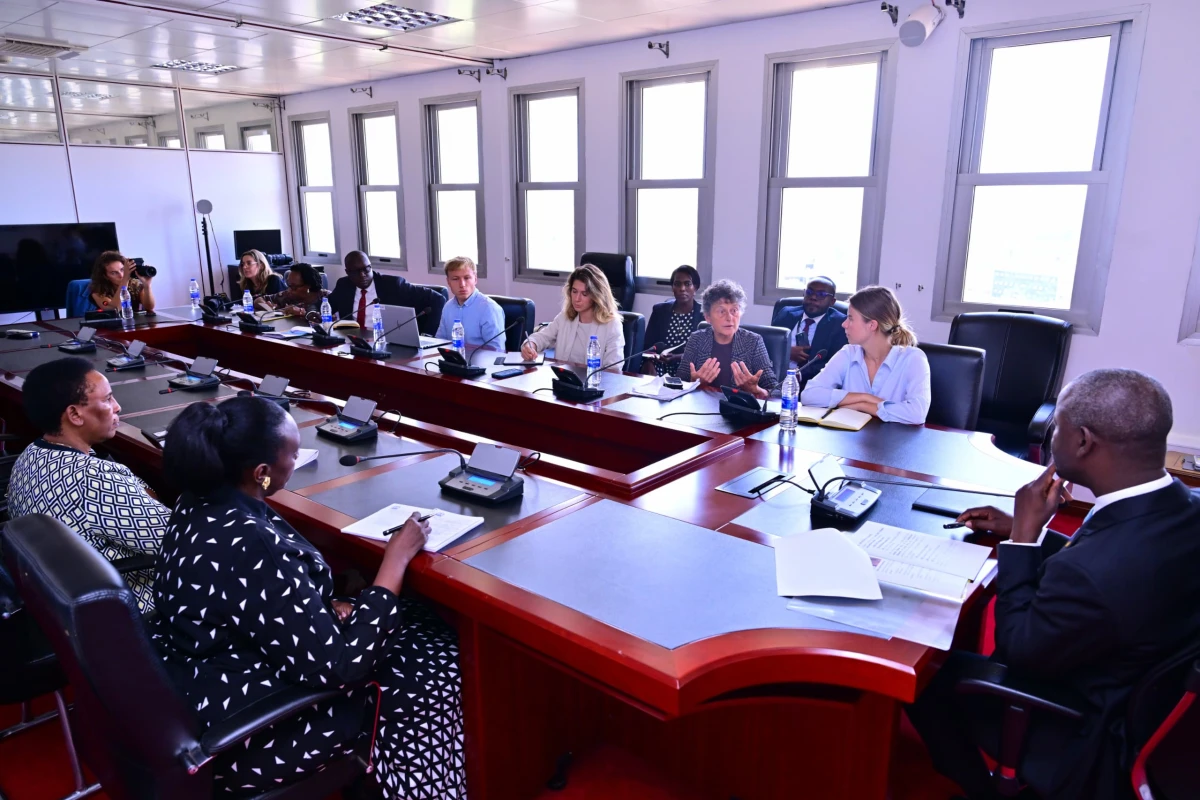
The meeting between Tayebwa and the European Parliament delegation therefore brought together two closely linked aspects of Uganda's refugee policy: maintaining the country's humanitarian commitment to people fleeing conflict while ensuring that the government and host communities have the resources required to sustain that commitment.
With Uganda's refugee population remaining above two million and the 2026 response plan facing a substantial financing gap, Tayebwa said stronger and more predictable international support would be essential to keeping the country's refugee response sustainable.

John Kusolo is a Pastor, Sports Enthusiast and Ugandan journalist with Nile Chronicles News (NCN). With a strong commitment to journalistic excellence, he is recognized for his dedication, goal-oriented approach, and ability to thrive in challenging environments. Kusolo brings focused motivation and professionalism to his reporting and media assignments.










Comments (0)