
Electoral College Lines Up to Elect LC II Chairpersons Nationwide
According to Electoral Commission spokesperson Julius Mucunguzi, the elections are being conducted in all 10,718 parishes that make up Uganda, with parish or ward chairpersons, commonly known as LC2 chairpersons, being elected by village committee members within their respective parishes.
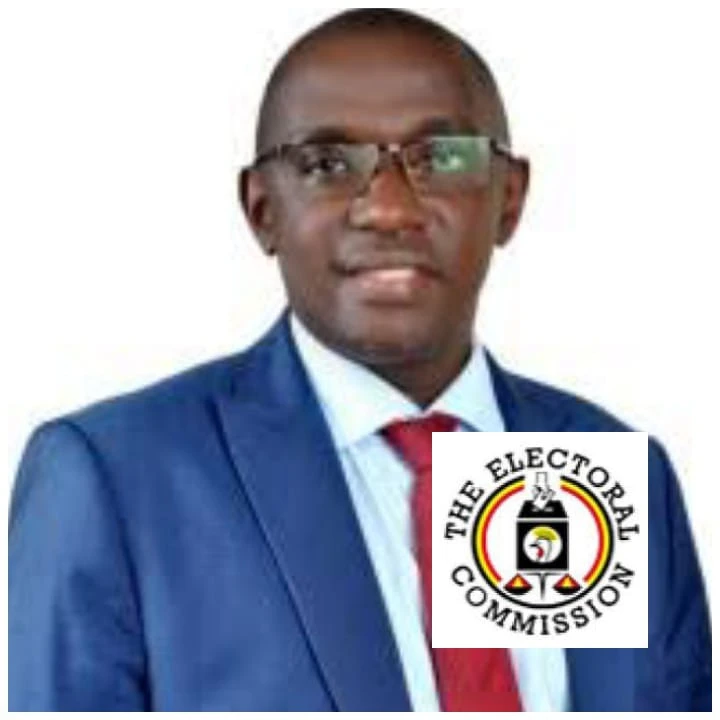
Uganda is today, Monday, August 10, 2026, conducting elections for Local Council II chairpersons across the country, marking the final stage in the 2026 elections for administrative local government units.
According to Electoral Commission spokesperson Julius Mucunguzi, the elections are being conducted in all 10,718 parishes that make up Uganda, with parish or ward chairpersons, commonly known as LC2 chairpersons, being elected by village committee members within their respective parishes.
Mucunguzi explained that, unlike elections where the general electorate directly votes, the LC2 chairpersons will be elected through an electoral college comprising members of village committees within each parish.
He said that, for example, where a parish has 10 villages, the members of the village committees from all the 10 villages will constitute the electoral college and convene at an agreed polling venue, normally the parish headquarters, to elect their parish chairperson.
“The electoral college will be the total sum of all the members of the village committees within that particular parish who will meet at the parish headquarters to elect the chairperson,” Mucunguzi explained.
Candidates completed campaigns
The candidates contesting for the LC II chairperson positions were nominated earlier and have since been conducting campaigns across their respective parishes.
According to the Electoral Commission, campaigns officially ended on Sunday, August 9, paving the way for today's elections.
Mucunguzi said the conclusion of campaigns means that candidates are now expected to adhere to the electoral guidelines as the country moves into the voting phase.
How the voting process will take place
The Electoral Commission has adopted an election programme similar to the one used during the recent elections for Local Council One chairpersons.
Mucunguzi said members of the electoral college are expected to arrive at the designated polling venues from approximately 7:00am to 10:00am.
During this period, Electoral Commission officials will verify the identities of the members of the electoral college against the voters' register to ensure that only duly registered and eligible members participate in the election.
The verification exercise will be followed by voter education.
Between approximately 10:00am and 11:00am, Electoral Commission officials will explain to the electoral college members the procedures and guidelines governing the election.
The voter education exercise is intended to ensure that all participants understand how the election will be conducted and how the results will be determined.
Lining up behind candidates
Following voter education, the actual voting process will begin.
Mucunguzi said that between approximately 11:00am and 11:30am, members of the electoral college will vote by lining up behind their preferred candidates.
The candidates will have designated positions, and members of the electoral college will physically line up behind the candidate of their choice.
Electoral Commission officials will then count the people in each line to establish the number of votes obtained by every candidate.
The candidate with the highest number of people in his or her line will be declared the winner of the LC2 chairperson election in that particular parish.
The results will subsequently be declared at the respective polling venue.
Elected chairpersons to constitute parish committees
Following the declaration of results, the elected LC2 chairperson will take on the responsibility of constituting the parish committee.
Mucunguzi explained that the elected chairperson will nominate members to serve on the parish committee from among the members who constituted the electoral college and participated in the parish council process.
The parish council, in this context, comprises the members of the village committees within the parish who come together to form the electoral college for the election of the parish chairperson.
The elected chairperson will therefore have the responsibility of nominating members to work with him or her on the parish committee.
EC calls for peaceful elections
The Electoral Commission has appealed to candidates, electoral college members, supporters and other stakeholders to maintain peace and ensure that the elections are conducted in accordance with the law.
Mucunguzi urged all participants to follow the guidelines issued by the Electoral Commission and to avoid conduct that could disrupt the electoral process.
The Commission has also called upon candidates and their supporters to accept the outcome of the elections and use the established legal mechanisms to address any disputes that may arise.
The Electoral Commission says peaceful participation and adherence to electoral laws are essential to ensuring that the LC II elections are free, fair and credible.
Final administrative unit elections of 2026
The LC II elections mark the final category of administrative unit elections being conducted by the Electoral Commission in the 2026 electoral cycle.
The Commission has thanked candidates, voters, political actors, local leaders, security agencies, election officials and other stakeholders who have participated in the electoral process from the beginning.
Mucunguzi said the Commission appreciates the cooperation extended to it throughout the various stages of the elections.
He wished Ugandans a peaceful, successful, free, fair and credible election as the country elects its parish and ward chairpersons.
With elections taking place across all 10,718 parishes, today's exercise is expected to complete the cycle of elections for Uganda's administrative local government units in 2026.

John Kusolo is a Pastor, Sports Enthusiast and Ugandan journalist with Nile Chronicles News (NCN). With a strong commitment to journalistic excellence, he is recognized for his dedication, goal-oriented approach, and ability to thrive in challenging environments. Kusolo brings focused motivation and professionalism to his reporting and media assignments.









Comments (0)