
The African Giving Dilemma: Why Communities Finance Farewells More Than Futures
However, a troubling socio-economic paradox continues to raise questions: Why do communities demonstrate extraordinary financial solidarity for funerals and weddings, yet struggle to mobilise the same energy for education, business development, entrepreneurship and long-term economic empowerment?
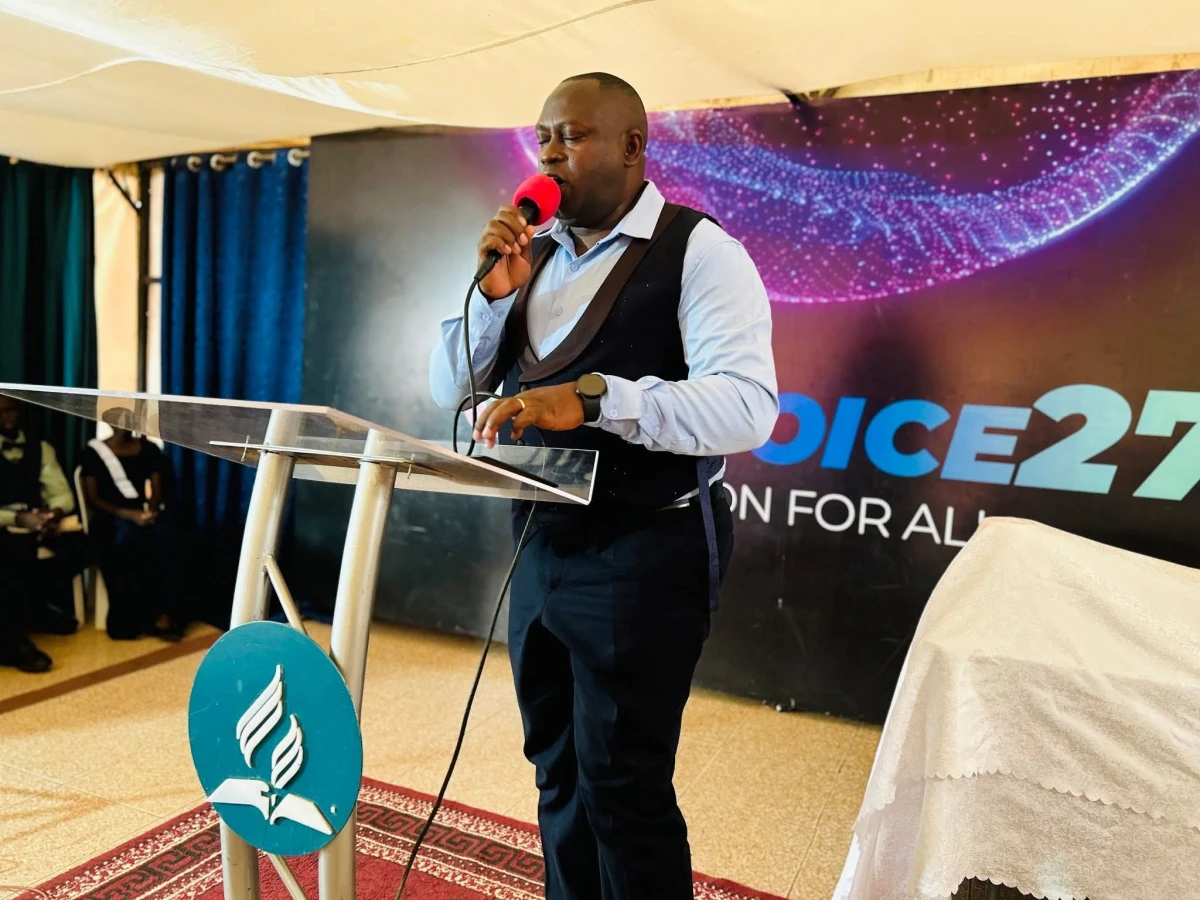
DEEP-DIVE SOCIO-ECONOMIC ANALYSIS Cracking the African Support Paradox: Why We Bleed Resources for Burials Yet Starve Our Own Development
By Bukundika Ezra | Country Director, Family Peace Association Uganda
Across many African communities, one of the most visible expressions of unity is the ability to mobilise resources during moments of grief and celebration. When death strikes, neighbours, relatives, friends and entire communities quickly organise themselves, contributing money, food and other necessities to ensure that the deceased receives a dignified send-off. Similarly, weddings and major cultural ceremonies often attract significant financial support from extended networks.
However, a troubling socio-economic paradox continues to raise questions: Why do communities demonstrate extraordinary financial solidarity for funerals and weddings, yet struggle to mobilise the same energy for education, business development, entrepreneurship and long-term economic empowerment?
In this deep analysis, Bukundika Ezra, Country Director of Family Peace Association Uganda, explores the psychological, cultural and structural forces behind this contradiction and proposes ways African societies can redirect their powerful communal spirit towards building sustainable prosperity.
The Psychology Behind Crisis Solidarity and Development Hesitation
According to Bukundika Ezra, the contradiction is rooted in how society interprets different forms of financial support.
“Crisis-driven expenditure is treated as a moral obligation, while developmental support is often viewed as a personal choice or even a threat,” he explains.
When a person loses a loved one, contributions are not merely financial transactions. They represent belonging, compassion and social protection. Communities operate on an unwritten agreement:
“I support you today because tomorrow I may need your support.”
Funeral contributions therefore function as a form of social insurance, strengthening relationships and reinforcing cultural identity.
However, when the same community member requests support to start a business, pay school fees or invest in a project, the response often changes. Instead of being viewed as a collective opportunity, development support can trigger feelings of uncertainty, competition and fear.
In economically challenged environments, helping someone grow financially may sometimes be perceived as creating a future competitor rather than strengthening the entire community.
“A person may willingly contribute to bury a neighbour but hesitate to contribute towards that neighbour’s business because success is viewed individually rather than collectively,” Ezra observes.
The Power of Visibility: Why Social Recognition Shapes
Giving Another major factor behind the support imbalance is what Ezra describes as the “Psychology of Visibility.”
Human beings naturally seek recognition and appreciation. Funeral and wedding contributions often come with immediate public acknowledgment. Names are announced, supporters are recognised and their generosity becomes visible within the community.
This public appreciation creates emotional satisfaction and strengthens social reputation.
Development investments, however, often happen quietly. Supporting a friend's business, contributing to a savings group or paying someone's tuition may produce benefits years later, often without public recognition.
As a result, people tend to direct resources towards situations where their contribution receives immediate social validation.
The irony is that communities frequently celebrate activities linked to loss and transition more loudly than those linked to economic transformation and wealth creation.
Africa’s Development Challenge: The Conflict Between Individualism and Communal Expectations
Ezra argues that Africa faces a unique social contradiction created by the coexistence of individual economic survival strategies and traditional communal expectations.
On one hand, modern economic pressures encourage individuals to focus on personal survival, wealth accumulation and family responsibilities. Many people operate within a competitive environment where resources are limited.
On the other hand, traditional African systems still expect communities to unite during major events such as funerals and weddings.
This creates what Ezra calls “selective socialism” and “emergency socialism.”
During normal economic struggles, individuals may be left to fight their own battles. However, when tragedy occurs, everyone is expected to contribute regardless of their personal circumstances.
According to Ezra, this imbalance weakens trust because people question why communities cannot cooperate during wealth creation with the same determination they show during emergencies.
The Hidden Financial Struggles Behind Family Conflicts
A major source of tension within extended families is the assumption that certain individuals are financially secure simply because of their appearance or lifestyle.
A person working in a city, owning a car or holding a formal job is often labelled as the family’s “financial solution.”
Yet behind that appearance may be significant responsibilities, including bank loans, rent, school fees, healthcare costs and obligations to several relatives.
When such individuals fail to provide financial assistance, they are sometimes accused of selfishness or arrogance.
This misunderstanding creates emotional distance between family members. Those expected to provide support may withdraw to protect themselves financially, while those seeking assistance develop feelings of disappointment and resentment.
Ezra notes that funerals often temporarily remove these tensions because death creates a shared moment of vulnerability where social expectations override personal disagreements.
Why Poverty Is Not Treated Like an Emergency
One of the deepest questions raised in the analysis is why societies respond urgently to death but slowly to poverty.
Death presents a visible and immediate crisis. A burial cannot be postponed indefinitely, and cultural expectations demand quick action.
Poverty, however, is often invisible. Lack of school fees, unemployment, struggling businesses and economic hardship develop gradually. Because they do not create the same immediate emotional shock, communities often fail to respond with equal urgency.
Ezra argues that if African societies applied the same level of organisation, sacrifice and commitment used during funerals to economic development, the continent could experience significant transformation.
"The challenge is that we have mastered responding to crises but have not yet mastered preventing them,” he says.
Building a Culture of Future Investment
To overcome this paradox, Ezra proposes shifting Africa’s communal strength from crisis management to wealth creation through deliberate systems.
1.Establish Family Development Funds
Families should create structured development funds similar to funeral committees.
Instead of contributions only being collected when tragedy occurs, families could regularly pool resources to invest in:
Education support programmes
Income-generating projects
Land acquisition
Housing
Small businesses
Long-term investments
Such systems would transform family networks from emergency response units into economic empowerment structures.
2. Strengthen Trust Through Transparent Governance
Many community development initiatives fail because of mistrust, poor accountability and fear of exploitation.
Ezra emphasizes that development partnerships must operate with clear rules, financial transparency and professional management.
When communities establish proper governance systems, individuals become more willing to invest because they trust that their contributions will produce meaningful results.
3. Change What Society Celebrates
For generations, communities have celebrated expensive ceremonies and impressive funeral arrangements as signs of honour and respect.
Ezra argues that social admiration must shift towards individuals and groups that create sustainable wealth.
Entrepreneurs, educators, investors and community development contributors should receive the same recognition given to those who organise large ceremonies.
A cultural transformation is needed where success is measured not only by how well people handle death, but by how effectively they improve life.
Conclusion: Moving From Burying With Dignity to Building With Purpose
Africa’s communal spirit remains one of its greatest strengths. The ability of ordinary people to unite during funerals and cultural events demonstrates a powerful capacity for collective action.
The challenge is not the absence of solidarity, but where that solidarity is directed.
As Bukundika Ezra concludes, communities must learn to mobilise resources for the living with the same passion and urgency shown for the dead.
“Until African societies learn to invest in people’s dreams, education and economic opportunities with the same commitment given to funerals, we will continue to honour the departed while leaving survivors trapped in poverty.”
The future of Africa’s development may depend not on creating new systems of cooperation, but on redirecting the powerful communal systems that already exist—from crisis response to wealth creation.

John Kusolo is a Pastor, Sports Enthusiast and Ugandan journalist with Nile Chronicles News (NCN). With a strong commitment to journalistic excellence, he is recognized for his dedication, goal-oriented approach, and ability to thrive in challenging environments. Kusolo brings focused motivation and professionalism to his reporting and media assignments.












Comments (0)