
Kakande Flags Off 10 RDCs for Three-Week Training in China to Boost Poverty Alleviation
The officials were flagged off on Saturday for the training, which is expected to expose them to China's experience in poverty reduction, rural transformation, agricultural modernisation and community development.
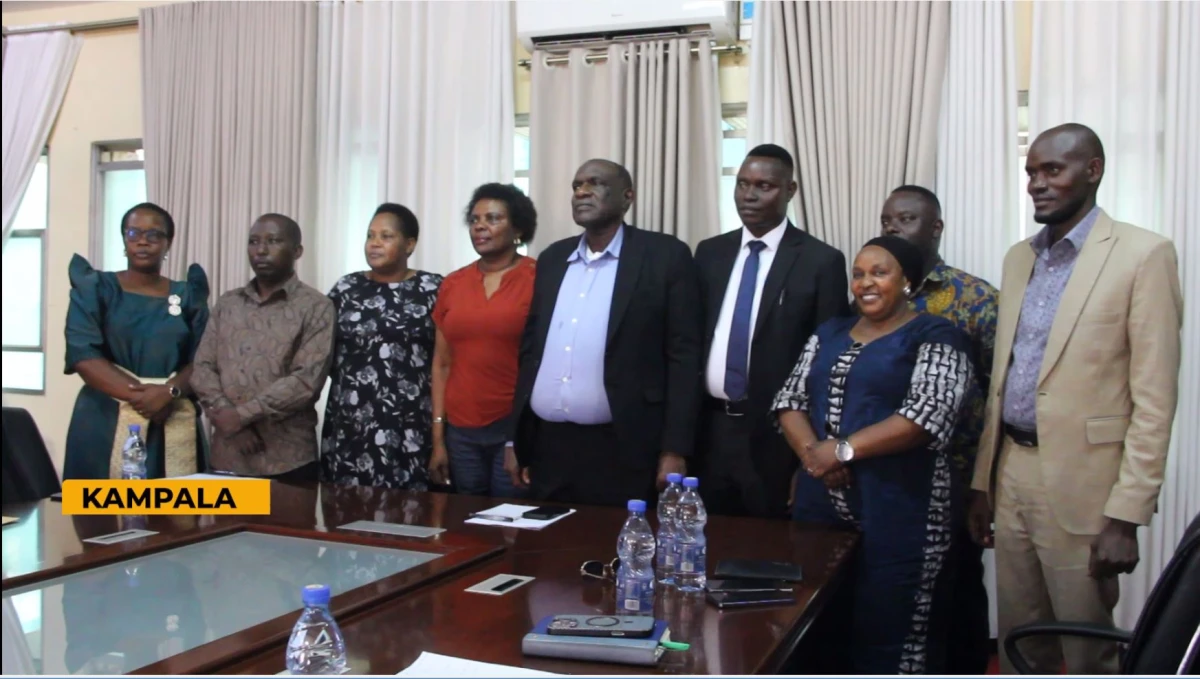
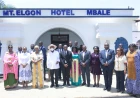
The Secretary in the Office of the President, Hajji Yunus Kakande, has flagged off 10 Resident District Commissioners (RDCs) and their deputies for a three-week training programme in China aimed at strengthening poverty alleviation initiatives, promoting modern agriculture and improving household livelihoods in their respective districts.
The officials were flagged off on Saturday for the training, which is expected to expose them to China's experience in poverty reduction, rural transformation, agricultural modernisation and community development.
The initiative is intended to equip the government representatives with practical knowledge and skills that can be applied to Uganda's efforts to improve livelihoods, particularly among rural communities, and strengthen the implementation of government programmes at the grassroots.
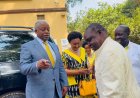
Speaking at the flag-off ceremony, Hajji Kakande commended the cordial relations between Uganda and China, noting the importance of continued cooperation between the two countries in supporting development and capacity-building initiatives.
Kakande urged the officials to take full advantage of the opportunity by acquiring knowledge and practical skills that could help address poverty in their areas of jurisdiction.
He emphasised the need for the RDCs to translate the lessons learnt during the training into tangible improvements in the lives of Ugandans, particularly through initiatives that promote productive agriculture, investment and sustainable income generation.
As representatives of the President and the central government in their respective districts, RDCs play an important role in monitoring government programmes, coordinating public service delivery and mobilising communities to participate in national development initiatives.
The training in China is therefore expected to strengthen their capacity to guide local communities towards practical economic activities while supporting the government's broader poverty alleviation agenda.
RDCs Optimistic About China's Development Experience
The officials expressed optimism that the programme would provide them with valuable lessons that could be adapted to the Ugandan context, especially in agriculture, financial investment and livestock production.
Billy Janet Mulindwa, the RDC for Masaka District, welcomed the opportunity, saying she expected to acquire skills that would help improve the livelihoods of the people she serves.
Mulindwa said she was particularly interested in learning about financial investments and modern farming methods, which she hopes to apply in supporting economic transformation in Masaka District.
"I am excited to be part of the team going for training and I expect the skills like financial investments and modern farming I acquire will be of use to my people in Masaka district where I am currently stationed," Mulindwa said.
She expressed hope that the experience would broaden her understanding of practical approaches to improving household incomes and promoting productive economic activities at the community level.
Her remarks highlight the expectation that the training will go beyond theoretical knowledge and provide approaches that government officials can share with farmers, entrepreneurs and other community members after returning to Uganda.
Mubende RDC Eyes Modern Livestock Farming Skills
Abubaker Birungi, the Deputy RDC for Mubende District, said he hoped to gain additional knowledge in animal husbandry, particularly modern livestock farming practices that could benefit communities in his district.
Birungi noted that Mubende lies within Uganda's cattle corridor, making livestock production an important economic activity for many households.
He said exposure to China's agricultural and livestock development approaches would provide useful insights into improving cattle farming, strengthening productivity and supporting the livelihoods of livestock keepers.
According to Birungi, the programme also presents an opportunity to establish connections with Chinese partners, potentially opening avenues for knowledge exchange and cooperation in areas relevant to local economic development.
The knowledge acquired, he said, would be shared with communities upon his return, with the aim of encouraging the adoption of improved farming practices.
Modern livestock management, improved animal nutrition, disease prevention and better farm management are among the areas that could help livestock farmers improve productivity and incomes when adapted to local conditions.
Uganda-China Cooperation
Uganda and China have maintained bilateral relations covering trade, infrastructure development, agriculture, education, technology and other areas of cooperation.
China's experience in poverty reduction and rural development has attracted interest from countries seeking practical approaches to improving household incomes, expanding agricultural productivity and accelerating rural transformation.
For Uganda, where agriculture remains a major source of livelihoods, learning from experiences in agricultural modernisation and community-based economic development could provide useful lessons for local government officials tasked with mobilising communities and monitoring government programmes.
However, the impact of such training will depend on how effectively the officials adapt the knowledge acquired to Uganda's social and economic conditions and integrate it into existing government initiatives.
The RDCs will be expected to use the experience gained in China to strengthen their engagement with local communities and promote practical interventions that can improve productivity, create economic opportunities and reduce household vulnerability to poverty.
Focus on Grassroots Transformation
The three-week programme comes amid continued efforts by the government to improve household incomes and ensure that development initiatives deliver measurable benefits to communities across the country.
By equipping district-level government representatives with additional knowledge and skills, the initiative seeks to strengthen the link between national development priorities and their implementation at the grassroots.
The success of the training will ultimately be measured by the extent to which the participating officials can translate their experiences into practical action, including promoting modern farming, encouraging investment, supporting livestock production and mobilising communities to engage in sustainable income-generating activities.
For the 10 officials, the assignment presents an opportunity to study China's development experience and identify approaches that can be adapted to Uganda's circumstances.
Their challenge upon returning home will be to turn the knowledge gained into practical initiatives capable of improving livelihoods and advancing the country's poverty alleviation efforts.

John Kusolo is a Pastor, Sports Enthusiast and Ugandan journalist with Nile Chronicles News (NCN). With a strong commitment to journalistic excellence, he is recognized for his dedication, goal-oriented approach, and ability to thrive in challenging environments. Kusolo brings focused motivation and professionalism to his reporting and media assignments.












Comments (0)