
Minister Muhooza Endorses IGAD Regional Agrifood and Seed Policy Frameworks
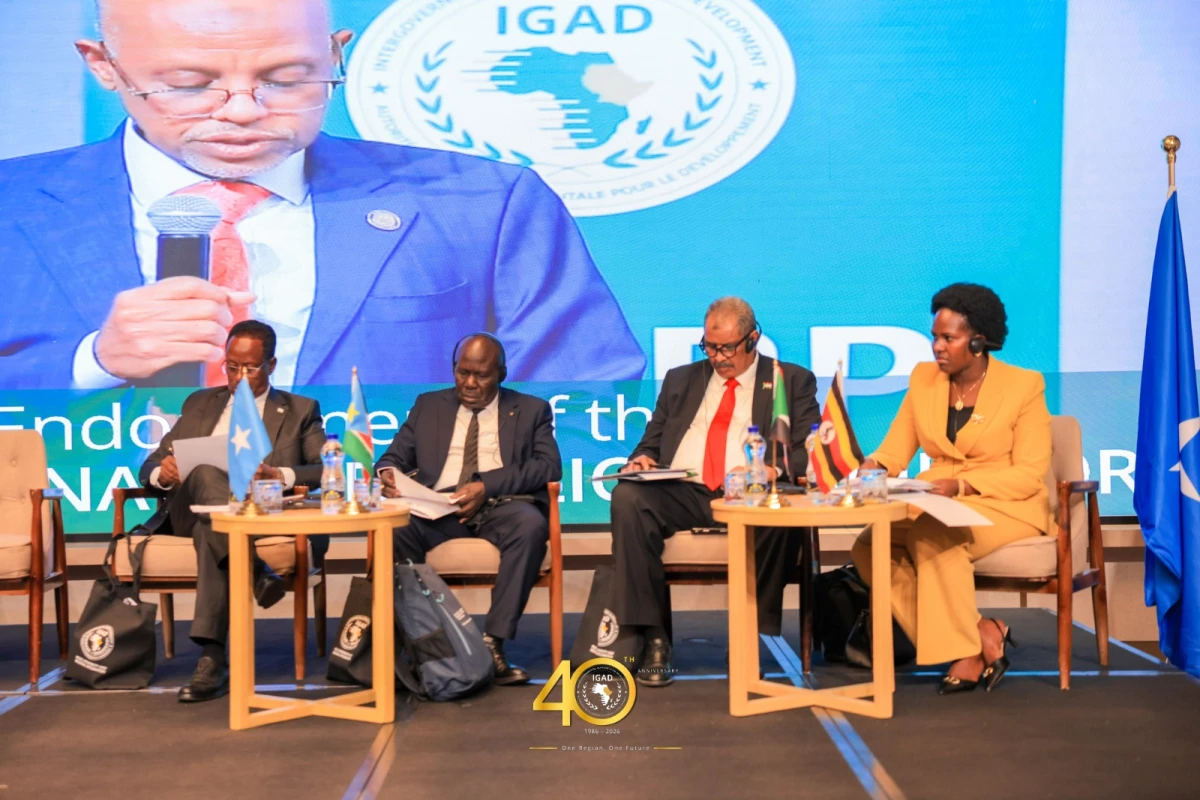
The Minister of State for Agriculture, Hon. Desire Muhooza, representing the Government of Uganda, endorsed the IGAD Regional Agrifood Systems Investment Plan (RASIP) 2026–2035 and the IGAD Regional Seed Policy and Regulatory Framework during the Ministerial Session held in Addis Ababa, Ethiopia, on September 17, 2026.
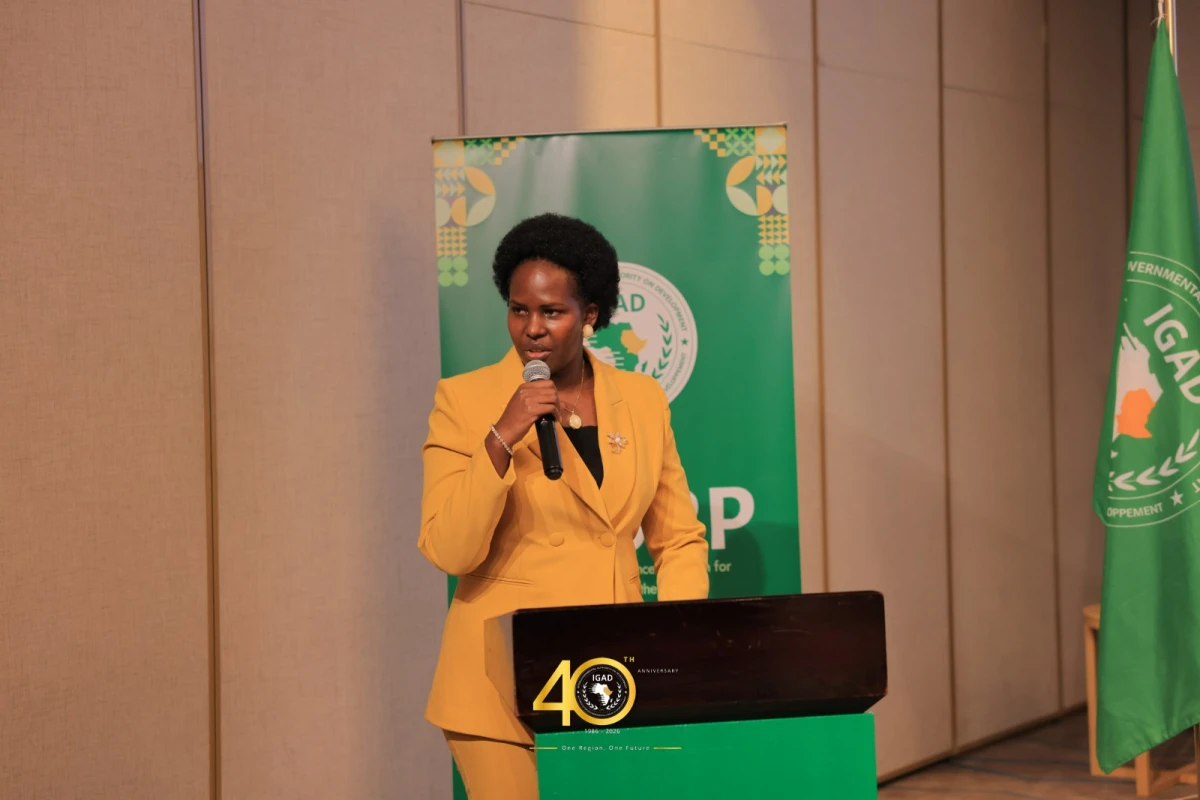
ADDIS ABABA, ETHIOPIA — Uganda has formally endorsed two major regional instruments aimed at strengthening food security, agricultural investment and the movement of quality seed across the Intergovernmental Authority on Development (IGAD) region.
The Minister of State for Agriculture, Hon. Desire Muhooza, representing the Government of Uganda, endorsed the IGAD Regional Agrifood Systems Investment Plan (RASIP) 2026–2035 and the IGAD Regional Seed Policy and Regulatory Framework during the Ministerial Session held in Addis Ababa, Ethiopia, on September 17, 2026.
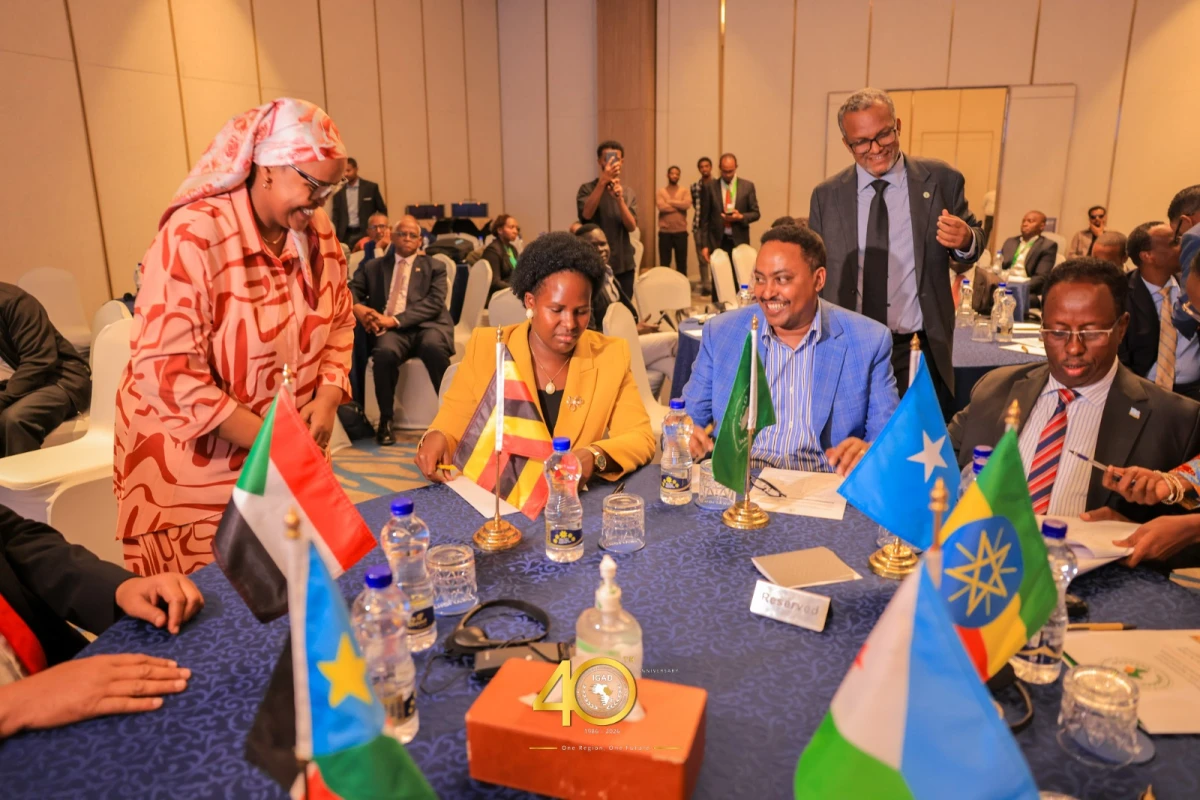
The two frameworks are intended to strengthen regional cooperation in agriculture at a time when countries in the IGAD region continue to face food insecurity driven by conflict, climate-related disasters, displacement, pests and diseases, disruptions to markets and broader economic pressures.
Speaking during the Ministerial Session, Muhooza welcomed the instruments, saying they provide an important framework for countries to respond collectively to challenges that frequently cross national borders.
“These challenges do not respect national borders, and neither should our response,” she said.
The Minister noted that more than 60 million people in the region remain acutely food insecure, underscoring the need for coordinated regional investments and policies that can strengthen food production, resilience and access to markets.
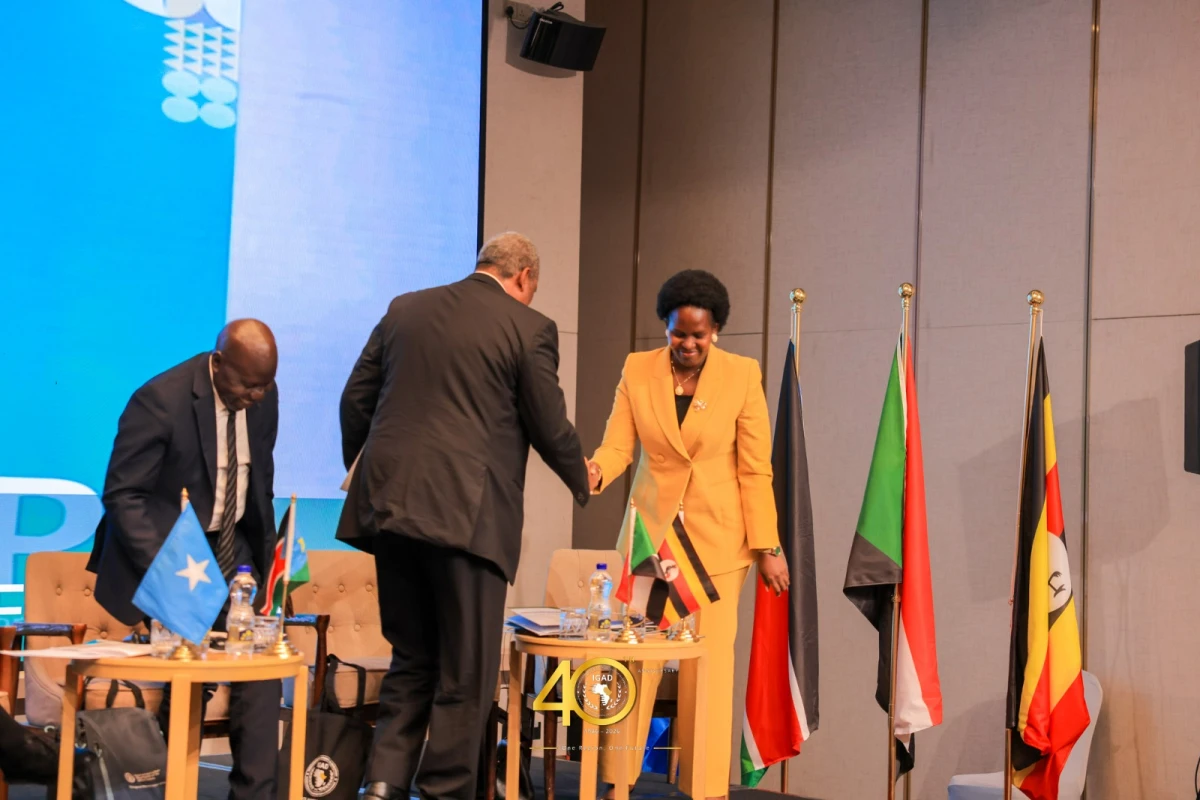
Focus on practical regional investments
Muhooza emphasized the need to translate the RASIP into practical, bankable and measurable interventions rather than leaving it as a policy commitment.
The plan has a projected investment envelope of US$150 million, which Uganda said should be directed towards areas where regional cooperation can deliver results that individual countries cannot achieve alone.
Among the priority areas highlighted are cross-border agricultural trade, sanitary and phytosanitary standards, management of transboundary pests and diseases, pastoral mobility, climate information and regional agricultural value chains.
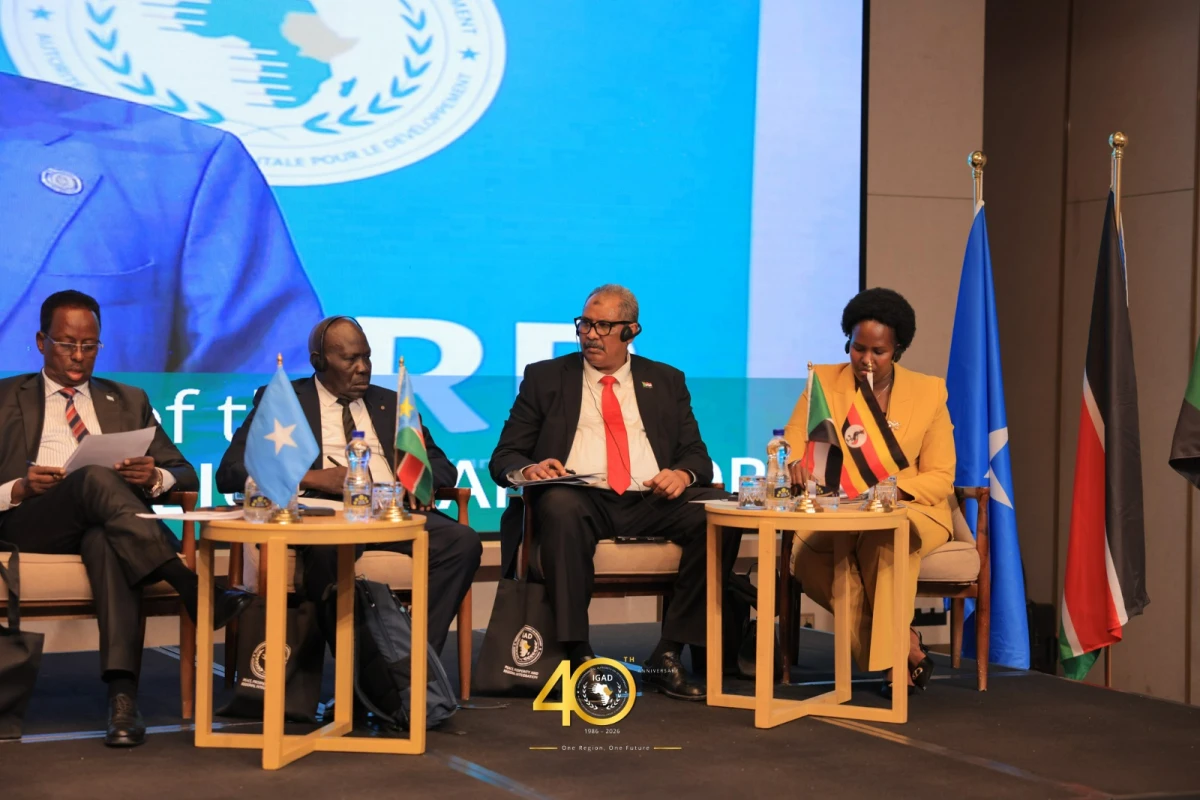
Muhooza said regional interventions should complement existing national agrifood systems investment plans while addressing challenges that require coordinated action among IGAD member states.
She further called for clear implementation arrangements to ensure that the commitments contained in the regional investment plan translate into tangible benefits for farmers, traders, livestock keepers and other actors along agricultural value chains.
Seed policy to strengthen agricultural productivity
The Minister also highlighted the importance of the IGAD Regional Seed Policy and Regulatory Framework, describing quality seed as a critical foundation for agricultural productivity, food security and resilience to climate change.
“Trade in quality seed is the starting point of agricultural productivity, food security and climate resilience,” Muhooza said.
She explained that fragmented national seed laws, certification standards, variety-release procedures and quality assurance systems have continued to create barriers to the movement of improved seed varieties across borders.
The regional framework is expected to provide a pathway towards greater alignment of seed policies and regulatory systems among IGAD member states.
Such harmonisation could facilitate the movement and availability of improved varieties while strengthening systems for seed certification, quality assurance and traceability.
Muhooza said Uganda would work towards alignment with regional standards and mutual recognition and certification mechanisms.
The country also committed to strengthening collaboration among research institutions, private seed companies, farmer organisations and local seed enterprises as part of efforts to improve access to quality planting materials.
Agriculture remains central to Uganda's economy
Muhooza used the ministerial platform to highlight the importance of agriculture to Uganda's economy and employment.
“Agriculture remains the backbone of Uganda's economy, contributing 26.2 percent of GDP, employing close to 70 percent of our labour force and accounting for about 38.5 percent of export earnings,” she said.
She noted that Uganda, through the National Agricultural Research Organisation (NARO), continues to invest in agricultural research and systems supporting breeding, seed multiplication, inspection, certification, traceability and distribution.
The Minister said strengthening these systems is important not only for Uganda's domestic agricultural transformation but also for its participation in regional agricultural markets.
Improved cooperation on seed standards and agricultural trade, she added, can help farmers and businesses access improved technologies and markets while contributing to food security and climate resilience across the region.
Uganda commits to regional implementation
Following its endorsement of the two instruments, Uganda committed to aligning national agricultural priorities with the RASIP and strengthening links between national and regional planning and reporting systems.
The Government also committed to promoting investment in agreed regional priorities and participating actively in mutual accountability mechanisms associated with the Comprehensive Africa Agriculture Development Programme (CAADP) Biennial Review and Joint Sector Review processes.
These mechanisms are intended to strengthen monitoring of agricultural commitments, track implementation and promote accountability among governments and other stakeholders.
On the seed agenda, Uganda pledged to work towards greater alignment with regional standards, mutual recognition and certification mechanisms.
The Government will also seek stronger engagement with agricultural research institutions, private seed companies, farmer organisations and local seed enterprises to strengthen the regional seed system.
Call for faster implementation and financing
Muhooza called on IGAD to move quickly from policy endorsement to implementation by establishing clear institutional and operational arrangements.
She urged the regional body to identify and prioritize high-impact investments and mobilize predictable resources to support implementation of the RASIP.
The Minister also called upon development partners to align their support with the priorities agreed upon by IGAD member states rather than pursuing fragmented interventions.
She said predictable financing would be essential if the regional commitments are to result in practical investments that improve food production, agricultural trade and resilience.
“Uganda stands ready to work with IGAD, fellow Member States and our partners to move decisively from endorsement to implementation,” Muhooza concluded.
The endorsement of the RASIP 2026–2035 and the Regional Seed Policy and Regulatory Framework places Uganda among IGAD member states committing to deeper regional cooperation in agriculture, with a focus on investment, harmonised standards, improved seed systems, climate resilience and stronger regional food systems.

John Kusolo is a Pastor, Sports Enthusiast and Ugandan journalist with Nile Chronicles News (NCN). With a strong commitment to journalistic excellence, he is recognized for his dedication, goal-oriented approach, and ability to thrive in challenging environments. Kusolo brings focused motivation and professionalism to his reporting and media assignments.














Comments (0)