
MAAIF Launches Free Fertiliser Distribution to Boost Farm Productivity, Restore Soil Fertility
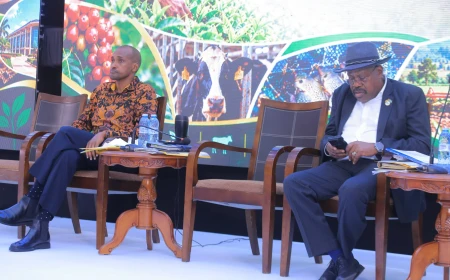
The fertiliser, supplied by M/s ITRACOM Fertilizers Uganda, was commissioned by the Ministry of Agriculture, Animal Industry and Fisheries (MAAIF) at the Ministry headquarters in Entebbe on Monday, August 31, 2026.

ENTEBBE, Uganda — The Government of Uganda has officially launched the distribution of 173,913 bags of fertiliser to targeted farmers in a major intervention aimed at restoring soil fertility, increasing agricultural productivity and improving household incomes.
The fertiliser, supplied by M/s ITRACOM Fertilizers Uganda, was commissioned by the Ministry of Agriculture, Animal Industry and Fisheries (MAAIF) at the Ministry headquarters in Entebbe on Monday, August 31, 2026.
The programme is being implemented under a Presidential Directive targeting farmers involved in strategic and high-value agricultural enterprises, particularly coffee, tea and cocoa.
Agriculture Minister Frank Tumwebaze said the fertiliser distribution is part of the Government's wider strategy to transform Uganda's agricultural sector through improved productivity, evidence-based farming and increased access to essential agricultural inputs.
He said farmers must increasingly embrace modern farming methods, including soil testing and precision agriculture, to ensure that fertilisers are used effectively.
“We are entering a new era of farming where decisions must be guided by evidence. Farmers need to apply the right input, in the right quantity and at the right time if we are to achieve higher productivity and better incomes,” Tumwebaze said.
The minister stressed that providing fertiliser alone would not be enough to transform agriculture unless farmers are supported with the knowledge required to determine the needs of their soils and crops.
He urged farmers and agricultural extension workers to embrace soil testing to guide fertiliser application and ensure that farmers receive maximum benefits from the Government intervention.
Tumwebaze also called for continued prioritisation of smallholder farmers, saying Government support programmes should deliberately focus on farmers who face difficulties accessing costly agricultural inputs.
The Permanent Secretary of MAAIF, Maj. Gen. David Kasura-Kyomukama, said the fertiliser intervention comes at a time when declining soil fertility and low fertiliser use continue to limit Uganda's agricultural productivity.
According to Kasura-Kyomukama, fertiliser application in Uganda remains significantly below both continental and international targets.
He said Uganda currently uses approximately two to three kilogrammes of fertiliser per hectare, compared to an African continental average of 22 kilogrammes per hectare and the Abuja target of 50 kilogrammes per hectare.
“This launch is not merely ceremonial. It is a practical intervention to restore soil fertility, increase productivity and enable our farmers to participate more fully in the money economy,” Kasura-Kyomukama said.
He said the Ministry has designed a distribution mechanism intended to ensure speed, proximity and accountability, with fertiliser delivered closer to the intended beneficiaries while putting safeguards in place against diversion.
“There will be no fees, no charges and no diversion. These fertilisers are a Government intervention and must reach the farmers for whom they are intended,” he said.
Under the programme, eligible farmers and organised farmer groups involved in coffee, tea, cocoa and other strategic agricultural enterprises will receive the fertiliser free of charge.
State Minister for Agriculture Desire Muhooza described the launch as an important milestone in fulfilling the Government's commitment to supporting farmers and improving agricultural production.
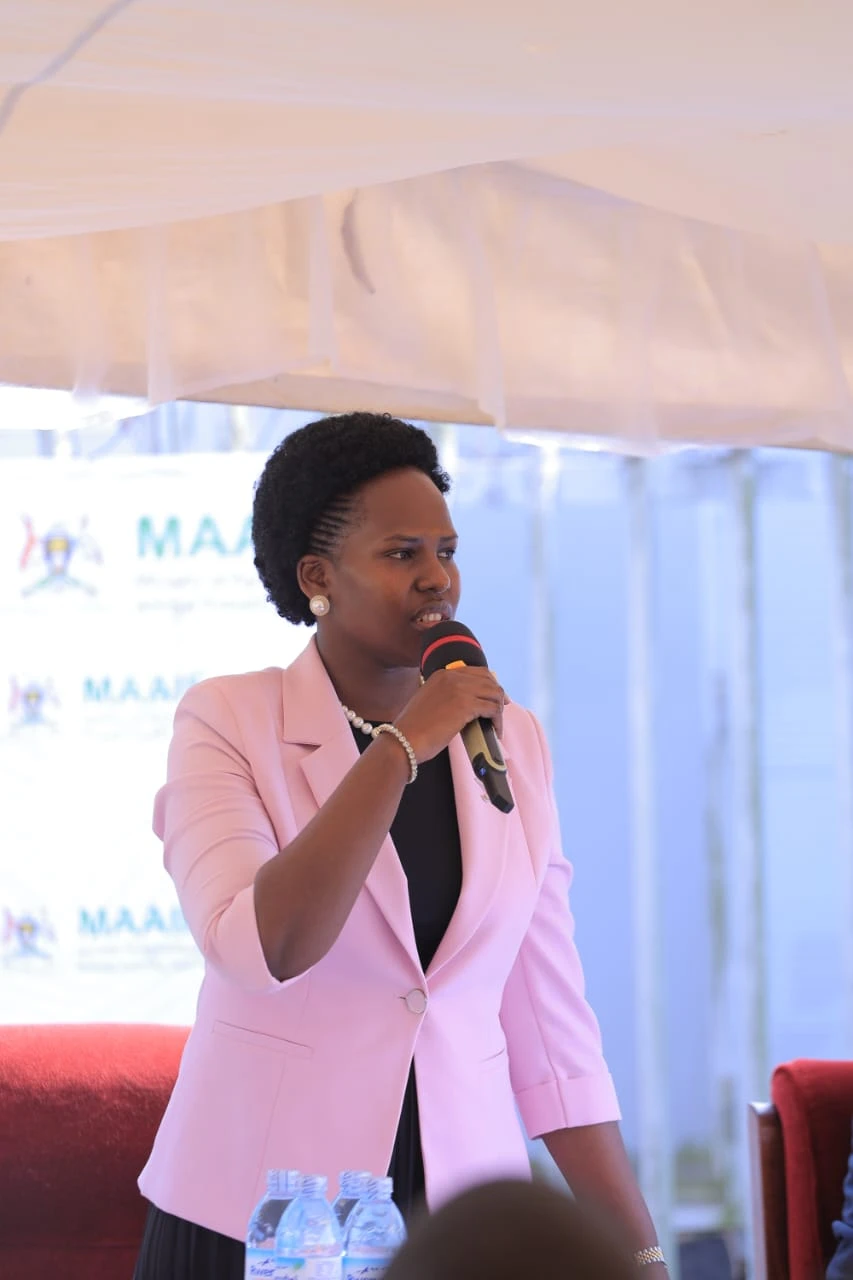
“This is an important day for our farmers. We are grateful to His Excellency the President for supporting this intervention and ensuring that farmers in strategic agricultural value chains can access these critical inputs,” Muhooza said.
She encouraged beneficiaries to use the fertiliser responsibly and appropriately, while working closely with agricultural extension workers to ensure proper application.
The Ministry said the fertiliser packages will be clearly marked “Government of Uganda – Not for Sale”, warning against the sale, diversion or misuse of the subsidised agricultural input.
Beneficiaries will not be required to pay any fees or charges to receive fertiliser under the intervention.
To strengthen transparency and accountability, MAAIF has put in place a number of measures, including verified beneficiary lists, proper documentation, secure delivery points, immediate distribution and reporting mechanisms at district and parish levels.
The Ministry said these measures are intended to ensure that the fertiliser reaches the intended farmers and to prevent cases of diversion that have affected some agricultural input distribution programmes in the past.
Representing ITRACOM Fertilizers Uganda, Mr. Bigirimana said the company was committed to ensuring the timely delivery of fertiliser to the designated districts in accordance with guidelines issued by the Ministry.
He said the company's involvement would go beyond the supply of fertiliser, with farmers also expected to receive information and guidance on how to apply the inputs effectively.
“Our commitment is clear: we will ensure that the fertiliser reaches the designated districts as guided by the Ministry, while providing the necessary knowledge and support to enable farmers to achieve optimal results,” Bigirimana said.
He commended the Government for supporting local fertiliser production and creating an enabling environment for investment in the agricultural input sector.
Bigirimana also appreciated the support provided by the President, MAAIF, the Ministry of Finance, Operation Wealth Creation and other Government agencies.
The launch was attended by the State Minister for Fisheries and other senior officials from MAAIF, Government institutions, local governments and agricultural stakeholders.
Officials said the participation of various institutions demonstrates the need for a coordinated approach involving Government, the private sector, local governments, agricultural extension workers and farmers in addressing challenges affecting agricultural productivity.
Beyond the immediate distribution exercise, MAAIF said it will conduct follow-up activities to assess how the fertiliser is being utilised, its impact on crop productivity and the challenges encountered by beneficiaries.
The findings from the monitoring exercise are expected to guide future Government programmes aimed at increasing farmers' access to agricultural inputs.
The intervention is part of Uganda's broader agricultural transformation agenda, which seeks to increase productivity, improve household incomes, strengthen food and nutrition security and encourage greater participation of farming households in the money economy.
With soil fertility increasingly emerging as a major challenge to agricultural production, Government officials say increased and appropriate use of fertiliser, combined with improved farming practices and extension services, could significantly improve yields in strategic agricultural value chains.
Kasura-Kyomukama said the ultimate success of the intervention would be measured by the tangible benefits experienced by farmers and their households.
“When Government invests in agriculture, the ultimate measure of success must be what happens in the farmer’s garden, on the farm and in the household,” he said.
The distribution of the 173,913 bags of fertiliser is therefore expected to provide a significant boost to targeted farmers as the Government intensifies efforts to restore soil fertility and position agriculture as a key driver of household income, food security and national economic transformation.

John Kusolo is a Pastor, Sports Enthusiast and Ugandan journalist with Nile Chronicles News (NCN). With a strong commitment to journalistic excellence, he is recognized for his dedication, goal-oriented approach, and ability to thrive in challenging environments. Kusolo brings focused motivation and professionalism to his reporting and media assignments.













Comments (0)