
10 Motorcycles Delivered to Butaleja to Strengthen Agricultural Extension Services
The motorcycles were handed over as part of efforts under the Climate Smart Agriculture Transformation Project, which seeks to strengthen agricultural productivity and resilience while improving the livelihoods of farming communities.
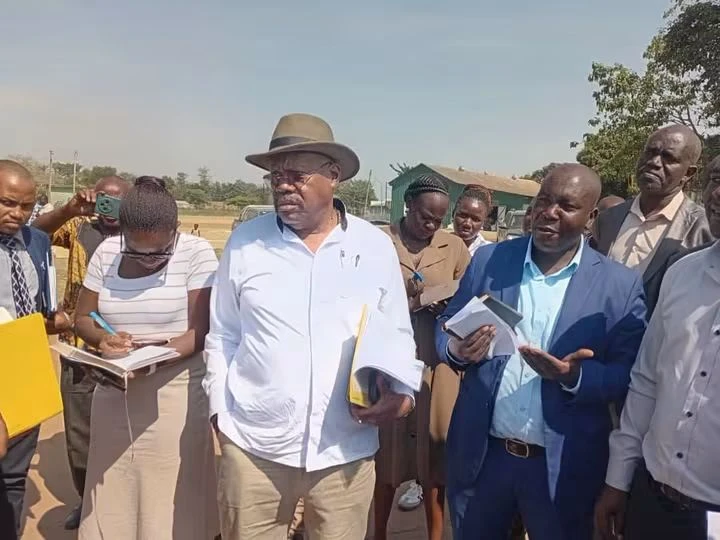
The Government has provided 10 motorcycles to agricultural extension workers in Butaleja District in a move aimed at improving agricultural service delivery, strengthening farmer support and boosting rice production in the district.
The motorcycles were handed over as part of efforts under the Climate Smart Agriculture Transformation Project, which seeks to strengthen agricultural productivity and resilience while improving the livelihoods of farming communities.
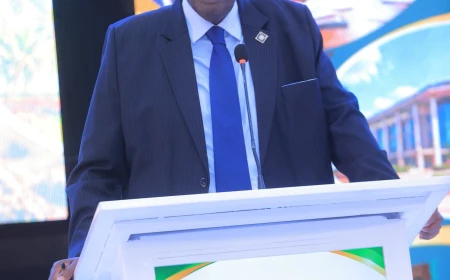
Maj. Gen.(Rtd) David Kasura Kyomukama, the Permanent Secretary in the Ministry of Agriculture, Animal Industry and Fisheries (MAAIF), announced the provision of the motorcycles on Tuesday during a visit to the Doho Irrigation Scheme in Butaleja.
Kasura said the motorcycles will enable agricultural extension workers to reach farmers more efficiently, particularly those operating in hard-to-reach areas, and provide timely technical guidance on modern farming practices.
He said Government is committed to strengthening agricultural extension services as a critical component of transforming farming from largely subsistence activity into a more productive and commercially oriented enterprise.
The Permanent Secretary also indicated that additional interventions are expected at Doho Irrigation Scheme to further improve rice production and address some of the challenges affecting farmers.
He encouraged farmers in Butaleja to diversify their agricultural activities instead of depending solely on rice farming, particularly by embracing livestock production and other income-generating activities.
Kasura said diversification would help households increase their sources of income, strengthen their resilience against agricultural shocks and improve overall livelihoods.
Farmers Highlight Gains from Doho Irrigation Scheme
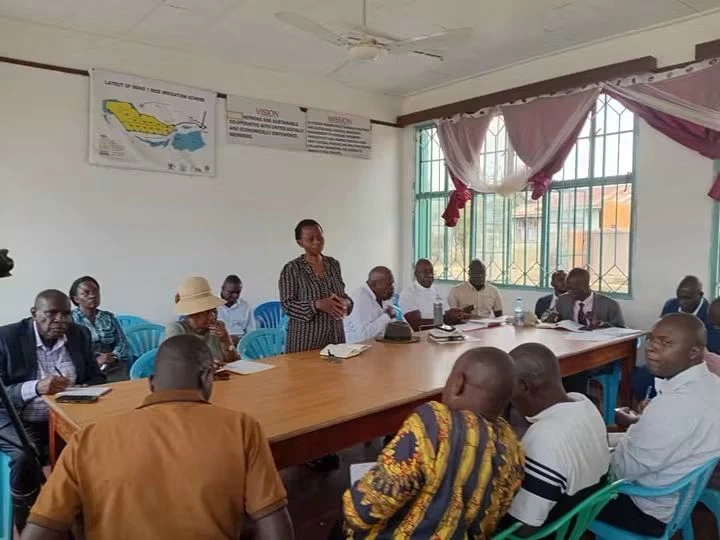
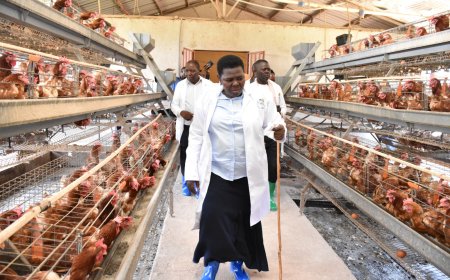
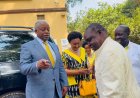
The Government delegation, led by Public Service Permanent Secretary Ruth Nakyobe, interacted with farmers and district leaders during the visit and listened to concerns affecting agricultural production at the Doho Irrigation Scheme.
Farmers highlighted the significant contribution of the irrigation scheme to household incomes and the wider local economy.
Ayubu Wasige, Chairperson of the Doho Irrigation Scheme Farmers SACCO, said the scheme has transformed the lives of many farmers by creating opportunities for increased agricultural production and access to wider markets.
According to Wasige, farmers have been able to improve their household incomes, educate their children and create employment opportunities for people living around the scheme.
He also noted that the growth of rice production has contributed to the expansion of rice markets, giving farmers greater opportunities to sell their produce and earn income.
The development of the irrigation scheme has therefore had an impact beyond individual farms, supporting businesses and other economic activities connected to rice production.
Farmers Raise Challenges
Despite the achievements, farmers and district leaders used the engagement with the Government delegation to highlight several challenges that continue to affect production at Doho.
Among the concerns raised were poor access roads, limited adoption of modern farming technologies, inadequate mechanisation and the need for more technical training for farmers.
Recurring flooding was also identified as a major challenge, with farmers calling for interventions to protect agricultural activities and reduce losses associated with excessive water.
Poor access roads can make it difficult for farmers to transport inputs and agricultural produce, while limited mechanisation can increase the cost and time required for land preparation and other farming activities.
Farmers also require continuous technical support to adopt improved production methods, manage crops effectively and respond to emerging challenges.
The provision of motorcycles is expected to help address part of the extension service challenge by making it easier for agricultural officers to regularly visit farmers and provide on-site guidance.
Focus on Climate-Smart Agriculture
The motorcycles have been provided under the Climate Smart Agriculture Transformation Project, reflecting Government's broader focus on promoting farming practices that can withstand changing climatic conditions while improving productivity.
Climate-smart agriculture seeks to help farmers increase production and incomes while strengthening their ability to cope with climate-related challenges.
For communities such as those around Doho Irrigation Scheme, where flooding remains a recurring concern, improving resilience is particularly important.
The Government's intervention also comes at a time when agriculture remains a major source of employment and income for Ugandan households, making improvements in agricultural productivity critical to economic transformation.
Government Encourages Diversification
Kasula's call for farmers to embrace livestock and other agricultural enterprises is intended to reduce dependence on a single source of income.
While rice remains a major economic activity at Doho, diversification could provide households with additional income streams and improve their ability to cope with fluctuations in agricultural prices, production challenges and climate-related disruptions.
Livestock farming can also complement crop production by providing farmers with additional products and income while contributing to household food security.
The Government is therefore encouraging farmers to look beyond individual crops and adopt integrated agricultural enterprises that can generate sustainable household incomes.
Doho's Growing Economic Importance
The Doho Irrigation Scheme has become an important centre of rice production in eastern Uganda, supporting thousands of farmers and contributing to the local economy.
Beyond increasing agricultural output, the scheme has created employment opportunities and stimulated economic activities in surrounding communities.
Farmers' SACCOs such as the Doho Irrigation Scheme Farmers SACCO have also played a role in supporting farmers to access markets and improve their economic position.
The testimonies from farmers during the Government visit demonstrated the importance of continued investment in irrigation, agricultural extension, infrastructure, mechanisation and farmer training.
The provision of the 10 motorcycles is therefore expected to complement other interventions by bringing extension services closer to farmers.
Call for Continued Investment
The engagement at Doho also underscored the need for sustained investment if the full potential of the irrigation scheme is to be realised.
Addressing poor roads, improving mechanisation, strengthening technical training and finding lasting solutions to flooding could help farmers increase productivity and reduce production costs.
Government's continued support, combined with greater adoption of modern farming methods by farmers, is expected to strengthen rice production and improve incomes in Butaleja.
For farmers at Doho, the motorcycles represent more than just transport equipment. They are expected to improve the connection between agricultural extension officers and farming communities, allowing technical advice and Government programmes to reach farmers more efficiently.
As Government expands climate-smart agricultural interventions, the focus at Doho remains on turning the scheme's potential into higher productivity, stronger household incomes, employment opportunities and improved livelihoods for communities in Butaleja and beyond.

John Kusolo is a Pastor, Sports Enthusiast and Ugandan journalist with Nile Chronicles News (NCN). With a strong commitment to journalistic excellence, he is recognized for his dedication, goal-oriented approach, and ability to thrive in challenging environments. Kusolo brings focused motivation and professionalism to his reporting and media assignments.











Comments (0)