
Rwamirama Orders Mandatory FMD Vaccination, Sets Shs8,000 Fee for Cattle and Pigs
Rwamirama said farmers will pay Shs8,000 for every cattle or pig vaccinated, while vaccination of sheep and goats will cost Shs4,000 per animal. According to Rwamirama, MAAIF is now able to procure 100 per cent of the required FMD vaccines, with Government having provided funds for 44 million doses intended to cover susceptible domestic animals, including cattle, pigs, sheep and goats.
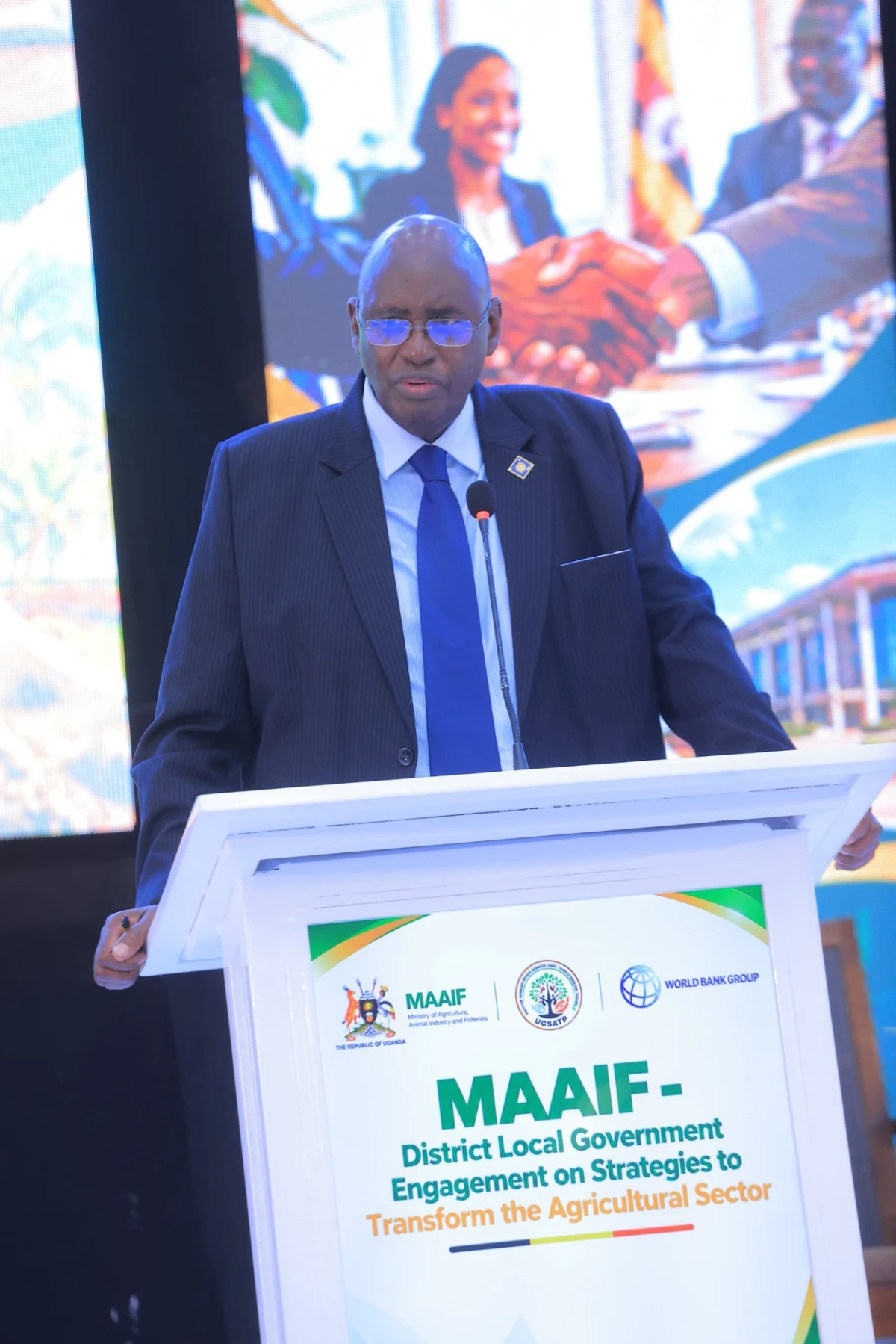
The Ministry of Agriculture, Animal Industry and Fisheries (MAAIF) has convened district leaders and veterinary officers from across the country for a two-day engagement aimed at developing coordinated interventions to protect farming communities from the effects of harsh weather, prolonged drought and other emerging agricultural challenges.
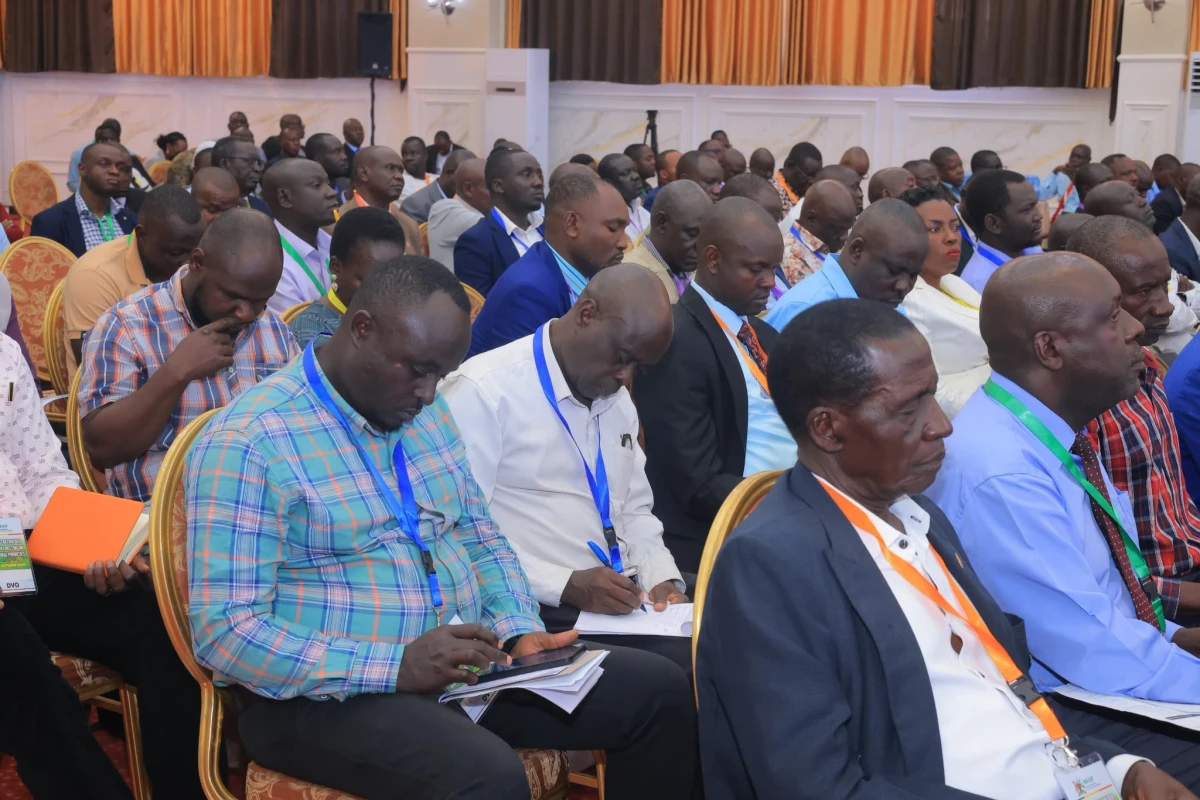
The engagement, running from October 7 to 8, 2026, is intended to bring together central government and local government leaders to assess the challenges facing farmers and agree on practical measures to strengthen agricultural production and resilience.
A major focus of the engagement is the Government's renewed strategy to control Foot-and-Mouth Disease (FMD), which continues to pose a major threat to Uganda's livestock sector and the country's ability to access lucrative regional and international markets.
Government funds 44 million FMD vaccine doses
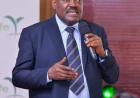
Minister of State for Animal Industry, Lt Col (Rtd) Dr Rwamirama Bright Kanyontore, told district leaders that Government has made a major policy shift in the management of FMD by providing a one-off fund sufficient to procure vaccines and implement the national FMD control programme.
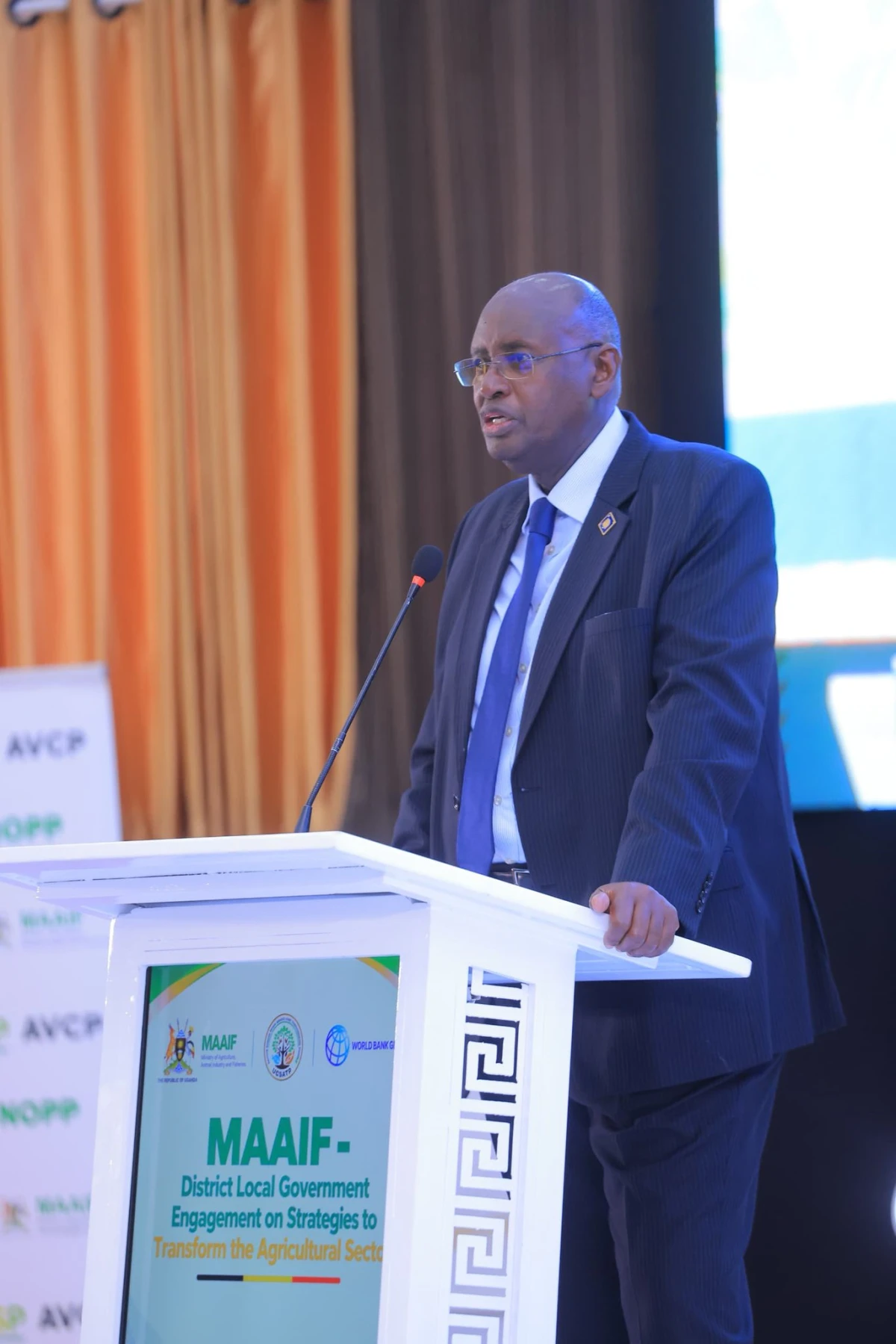
According to Rwamirama, MAAIF is now able to procure 100 per cent of the required FMD vaccines, with Government having provided funds for 44 million doses intended to cover susceptible domestic animals, including cattle, pigs, sheep and goats.
The Minister said Government has also invested in the cold-chain infrastructure required to preserve vaccine efficacy.
He explained that fridges have been provided to all districts, while containerised solar cold-chain systems have been installed in 53 districts.
The investments are intended to ensure that vaccines remain potent from the point of procurement to administration to animals in different parts of the country.
Farmers to pay for vaccines
Under the new cost-recovery model, farmers will contribute towards the cost of the vaccine while Government continues to meet other expenses associated with the vaccination exercise.
Rwamirama said farmers will pay Shs8,000 for every cattle or pig vaccinated, while vaccination of sheep and goats will cost Shs4,000 per animal.
He stressed that the farmer's contribution covers the vaccine, while Government will meet other implementation costs, including fuel and allowances for veterinary personnel.
The Minister urged district leaders to support the programme and discourage demands for regional waivers, arguing that sustainable disease control requires participation by livestock owners.
“We must desist from weakening this important Government programme by regions requesting for waiver,” Rwamirama said.
He argued that farmers should regard their livestock as an economic unit if Uganda is to achieve its objective of commercialising agriculture.
FMD vaccination made mandatory
Rwamirama outlined six key measures that district leaders and veterinary officers must communicate to farmers as the country rolls out the programme.
FMD vaccination of cattle, pigs, sheep and goats is mandatory, with vaccination to be conducted twice every year, in January and February, and again in July and August.
Farmers will pay the prescribed vaccination fees and will first be onboarded by veterinary services, after which they will receive a Unique Identifier to ensure that payments are properly attributed to them.
The Ministry has directed farmers to make payments only through designated banking channels and warned against handing money to individuals or veterinary officers.
Payments can be made directly at the counters of Housing Finance Bank or Pearl Bank, as well as through the designated mobile-phone payment codes.
For Housing Finance Bank, farmers can use USSD code 225*10#, while Pearl Bank payments can be made using 229#.
The designated accounts are:
Housing Finance Bank: FMD Vaccine Revenue Collection Account — 150000016441
Pearl Bank:FMD Vaccine Revenue Collection — 4050006000001
Government targets lucrative livestock markets
The Ministry says effective FMD control is not only a veterinary intervention but also a major economic strategy aimed at opening up higher-value markets for Ugandan livestock and livestock products.
Rwamirama said Uganda is targeting markets where beef fetches approximately Shs60,000, compared with about Shs17,000 in Uganda, representing a potential price difference of about 3.5 times.
He also cited milk markets where prices can reach approximately Shs5,000, compared with about Shs3,000 in Uganda.
He said Uganda is already marketing milk to several East African Community countries and has markets in Algeria and other African countries, while specialised products such as casein and gelatin have potential markets in the United States.
According to the Minister, controlling FMD effectively would enable Uganda to access more of these markets and increase earnings for farmers and the wider economy.
Agriculture seen as major source of export earnings
Rwamirama said Uganda could generate significant revenue from livestock if the country improves disease control, productivity and access to better-paying markets.
He projected that a 10 per cent offtake of cattle alone, if sold at favourable prices, could generate approximately Shs3.2 trillion, while milk, both processed and unprocessed, could generate about Shs5.9 trillion.
He therefore urged district leaders, veterinary officers and farmers to treat FMD control as a shared national responsibility.
“It is therefore yours and my business and responsibility to see to it that FMD is sustainably controlled, enabling the country to widen its market base,” he said.
Link to Parish Development Model
The Minister further linked the FMD control programme to Government's broader strategy of transforming agriculture from subsistence production into a commercial enterprise.
He cited the Parish Development Model (PDM) as one of the interventions through which Government is supporting farmers to move out of poverty and participate in commercial agriculture.
Rwamirama argued that livestock owners should therefore be prepared to make reasonable contributions towards protecting the animals that constitute their economic assets, rather than relying entirely on Government concessions.
Districts expected to lead local response
The October 7–8 engagement provides an opportunity for MAAIF and district leaders to address agricultural challenges at local-government level and develop coordinated responses suited to different parts of the country.
The consultations come at a time when farmers are facing difficult weather conditions, including drought and unpredictable weather patterns, which threaten food production, livestock and household incomes.
The Ministry is expected to use the engagement to strengthen collaboration with districts on interventions covering livestock disease control, agricultural resilience and irrigation, alongside other measures designed to safeguard farming communities.
For the livestock sector, the Government's position is that controlling FMD remains critical not only to protecting animals but also to unlocking better domestic, regional and international markets.
With the procurement of 44 million vaccine doses, expanded cold-chain infrastructure and a cost-sharing arrangement between Government and farmers, MAAIF is now calling on district leaders to ensure that the programme is effectively implemented at community level.
The Ministry maintains that sustained vaccination, strict adherence to disease-control measures and stronger farmer participation will be essential if Uganda is to contain FMD and fully exploit the economic potential of its livestock sector.

John Kusolo is a Pastor, Sports Enthusiast and Ugandan journalist with Nile Chronicles News (NCN). With a strong commitment to journalistic excellence, he is recognized for his dedication, goal-oriented approach, and ability to thrive in challenging environments. Kusolo brings focused motivation and professionalism to his reporting and media assignments.







Comments (0)