
Kiryowa Tells MPs: NEC Not Involved in Digital Plates, Reveals Shs27.6bn Reinvestment
Kiryowa’s explanation before the committees is expected to help legislators distinguish between NEC’s legitimate commercial activities and specific projects in which the Corporation may have been associated.
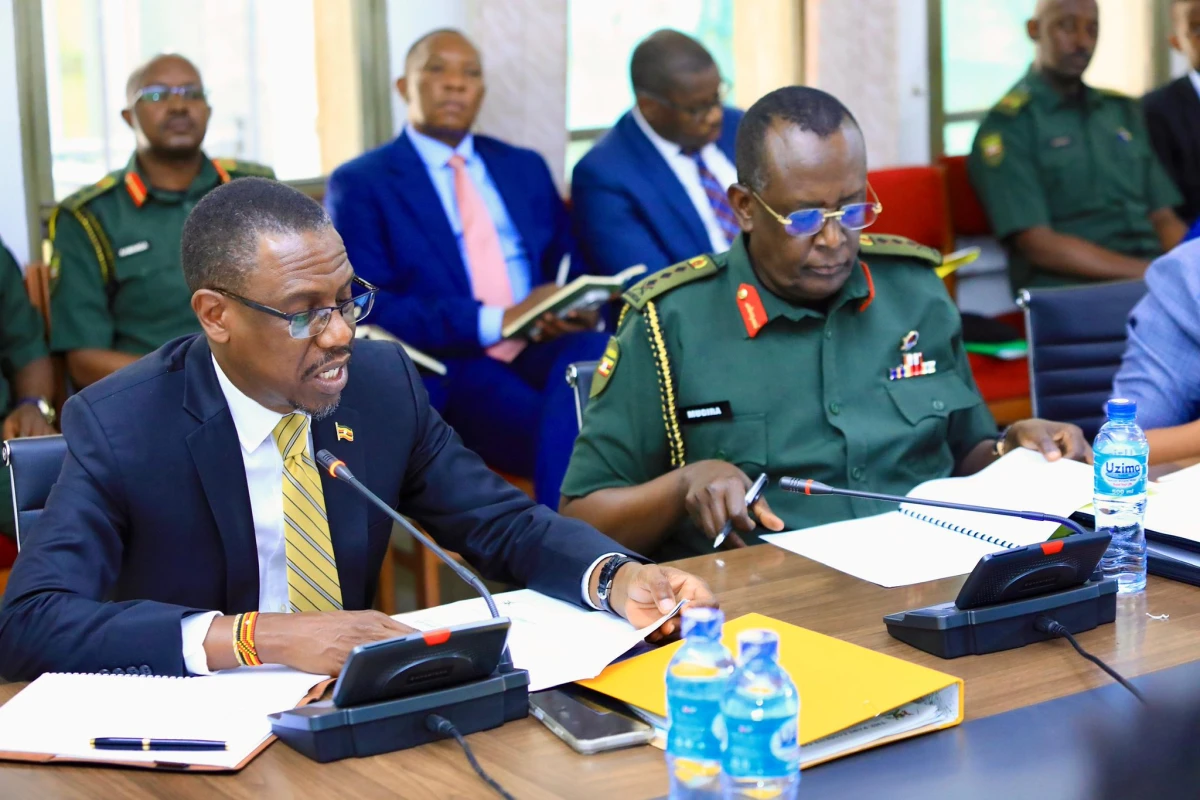
The Minister of Defence and Veteran Affairs, Hon. Kiryowa Kiwanuka, has clarified that the National Enterprise Corporation (NEC) has never been involved in the implementation or operation of Uganda’s Intelligent Transport Monitoring System (ITMS), as Parliament continues its inquiry into the controversial digital number plate project.
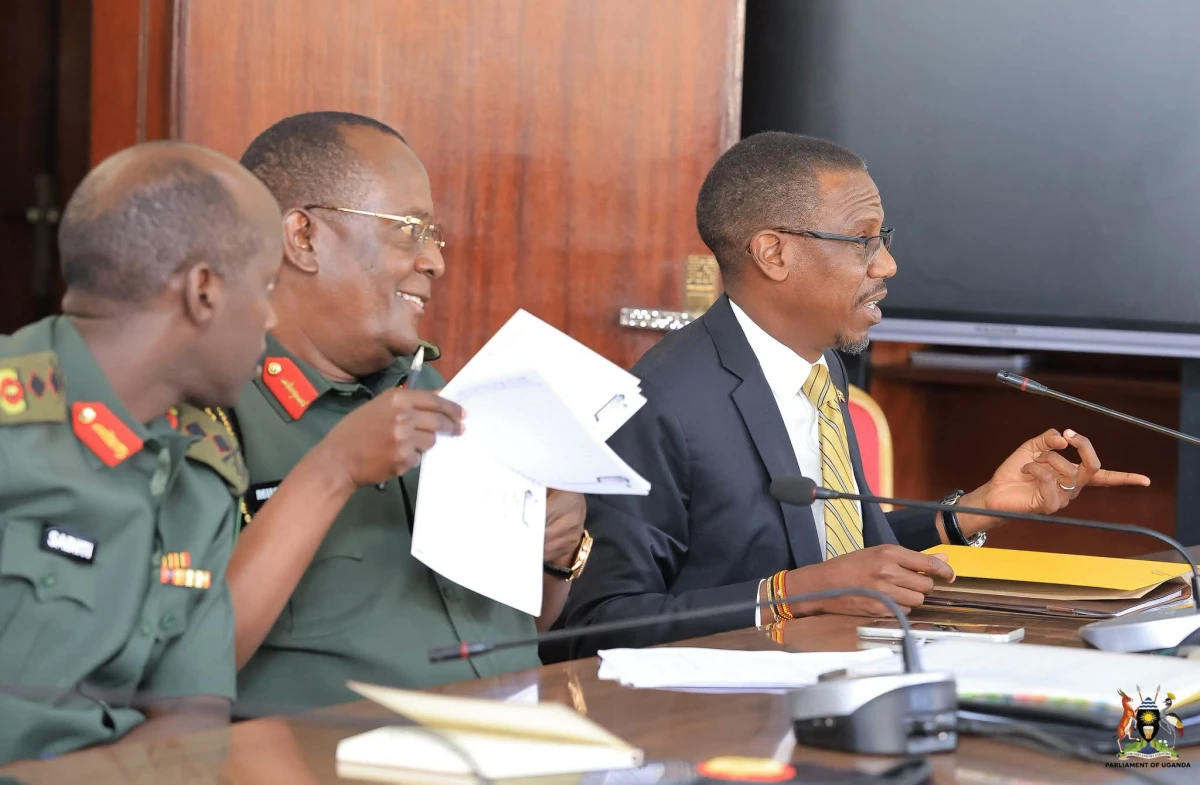
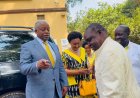
Kiryowa made the clarification while appearing before Parliament’s Committee on Physical Infrastructure, where he was accompanied by NEC officials led by the Corporation’s Managing Director, Lt. Gen. James Mugira.
The Minister was briefing legislators on the status of arrangements between NEC and Russia-based Joint Stock Company Global Security regarding the establishment and implementation of the ITMS in Uganda.
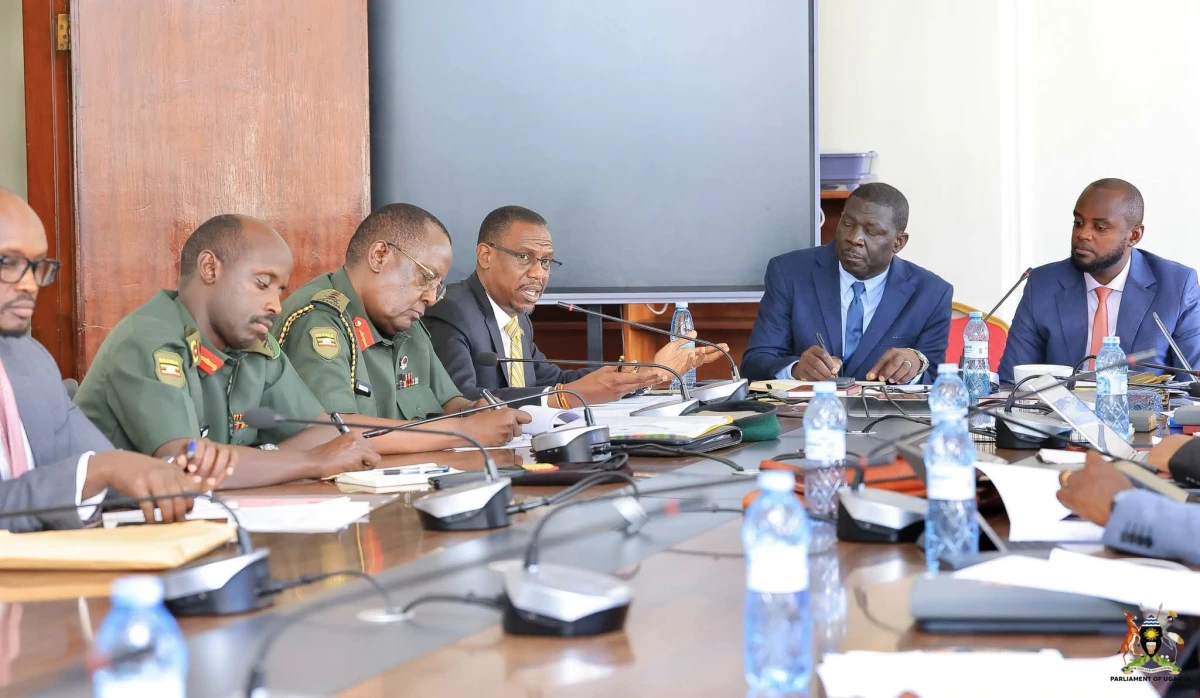
His clarification effectively distances NEC from the actual implementation and operation of the digital number plate system, amid continued scrutiny by MPs into the project’s contractual arrangements, financing, implementation and security components.
The Committee on Physical Infrastructure is investigating various aspects of the digital number plate project as Parliament seeks greater clarity on how the system was structured, the parties involved and the obligations arising from the agreements.
Kiryowa’s appearance before the committee was therefore aimed at providing legislators with information on the role, if any, played by NEC in the arrangements surrounding the ITMS.
The Minister told MPs that NEC had not been involved in implementing or operating the system, providing clarification on the Corporation’s relationship with the project.
NEC’s wider commercial operations
After appearing before the Committee on Physical Infrastructure, Kiryowa led the NEC delegation to the Committee on Defence and Internal Affairs, where they briefed MPs on the operations and financial position of the commercial arm of the Uganda People’s Defence Forces (UPDF).
During the second engagement, Kiryowa explained that NEC’s limited government funding has forced the Corporation to increasingly rely on joint ventures as a mechanism for financing its commercial projects.
He told MPs that these partnerships have enabled NEC to generate dividends of more than Shs27.6 billion, which have subsequently been reinvested into productive projects.
According to Kiryowa, the reinvestment of the dividends has supported a number of initiatives, including an oil waste management project at Kyangwali, a new production line at NEC Uzima and a masks manufacturing factory, among other projects.
The Minister said the joint venture model has become necessary because the government’s financial allocation to NEC has remained limited.
NEC receives Shs2 billion annually
Kiryowa revealed that over the past 15 years, NEC has received only about Shs2 billion annually from the government, with much of the money going towards salaries and operational expenses.
The limited resource envelope, he explained, has made it difficult for the Corporation to independently finance large-scale commercial ventures requiring significant capital investment.
As a result, NEC has increasingly entered into partnerships with private and foreign investors, who provide much of the capital needed to establish and operate commercial projects.
Under the joint venture arrangements, partners can provide funding for factories, equipment, technology and day-to-day operations, while NEC contributes assets such as land, existing infrastructure and other forms of support.
Kiryowa said the arrangement has allowed NEC to leverage its assets while attracting external capital to develop productive enterprises.
The model, he explained, has also enabled the Corporation to generate returns that can be channelled back into other projects rather than relying solely on annual government allocations.
Reinvesting dividends into productive enterprises
The Minister emphasised that NEC has been able to use proceeds generated from its commercial ventures to expand its productive capacity.
More than Shs27.6 billion in dividends generated through joint ventures have been reinvested, supporting projects intended to strengthen NEC’s industrial and commercial portfolio.
Among the initiatives cited was the oil waste management project at Kyangwali, which forms part of NEC’s involvement in commercial activities linked to Uganda’s growing oil and gas sector.
The Corporation has also invested in expanding the production capacity of NEC Uzima through a new production line, alongside the establishment of a masks factory.
The projects reflect NEC’s broader mandate of undertaking commercial activities that can generate revenue while supporting national development and the economic empowerment of the UPDF and veterans.
Parliamentary scrutiny
The separate appearances before the two parliamentary committees highlight the growing interest in NEC’s activities, particularly its involvement in commercial ventures and partnerships.
While the Committee on Physical Infrastructure is examining the digital number plate and ITMS project, the Committee on Defence and Internal Affairs is concerned with NEC’s wider operations as the commercial arm of the UPDF.
Kiryowa’s explanation before the committees is expected to help legislators distinguish between NEC’s legitimate commercial activities and specific projects in which the Corporation may have been associated.
The digital number plate inquiry remains focused on establishing the contractual, financial, technical and security arrangements surrounding the ITMS, as well as clarifying the responsibilities of the different entities connected to the project.
For NEC, the Minister’s clarification places emphasis on its broader commercial mandate and the financial challenges that have compelled it to seek joint venture partners to fund major investments.
Kiryowa maintained that despite receiving a relatively small government allocation, NEC has continued to mobilise resources, enter strategic partnerships and reinvest the proceeds from its ventures into productive enterprises.

John Kusolo is a Pastor, Sports Enthusiast and Ugandan journalist with Nile Chronicles News (NCN). With a strong commitment to journalistic excellence, he is recognized for his dedication, goal-oriented approach, and ability to thrive in challenging environments. Kusolo brings focused motivation and professionalism to his reporting and media assignments.






Comments (0)